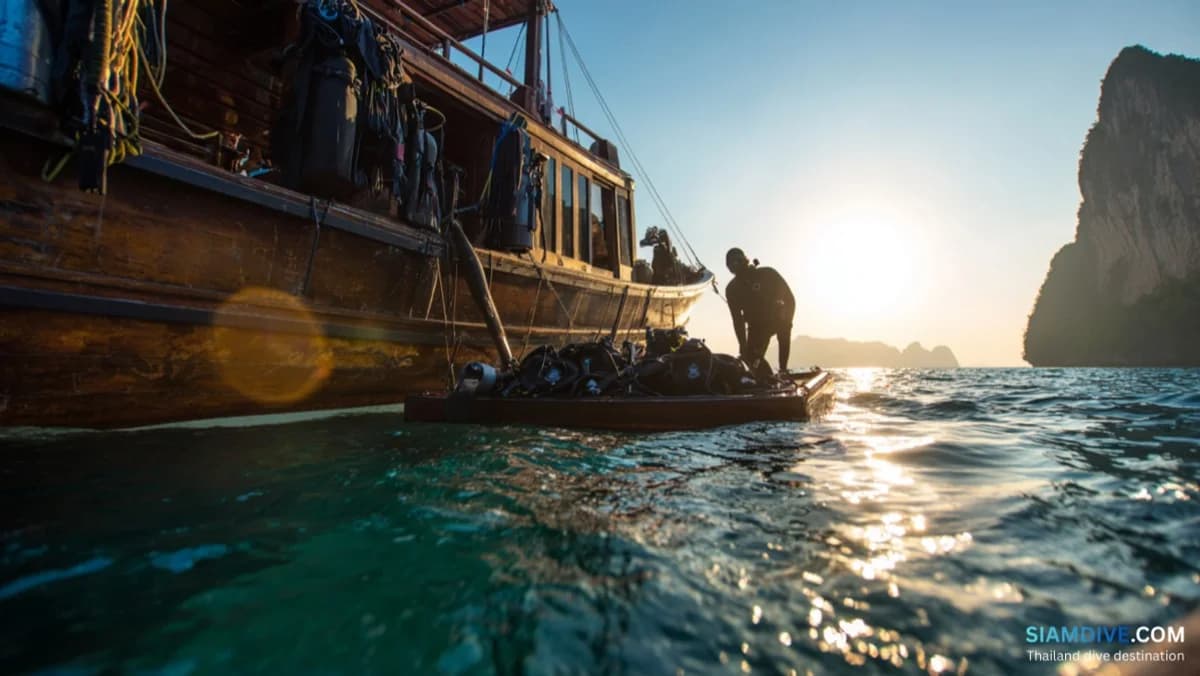
How to Choose the Right Liveaboard Trip in Thailand
9 เมษายน 2569
A practical guide to picking the best Thailand liveaboard for your budget, experience level, and dream dive sites from Similan to Richelieu Rock.
Why a Liveaboard Changes Everything
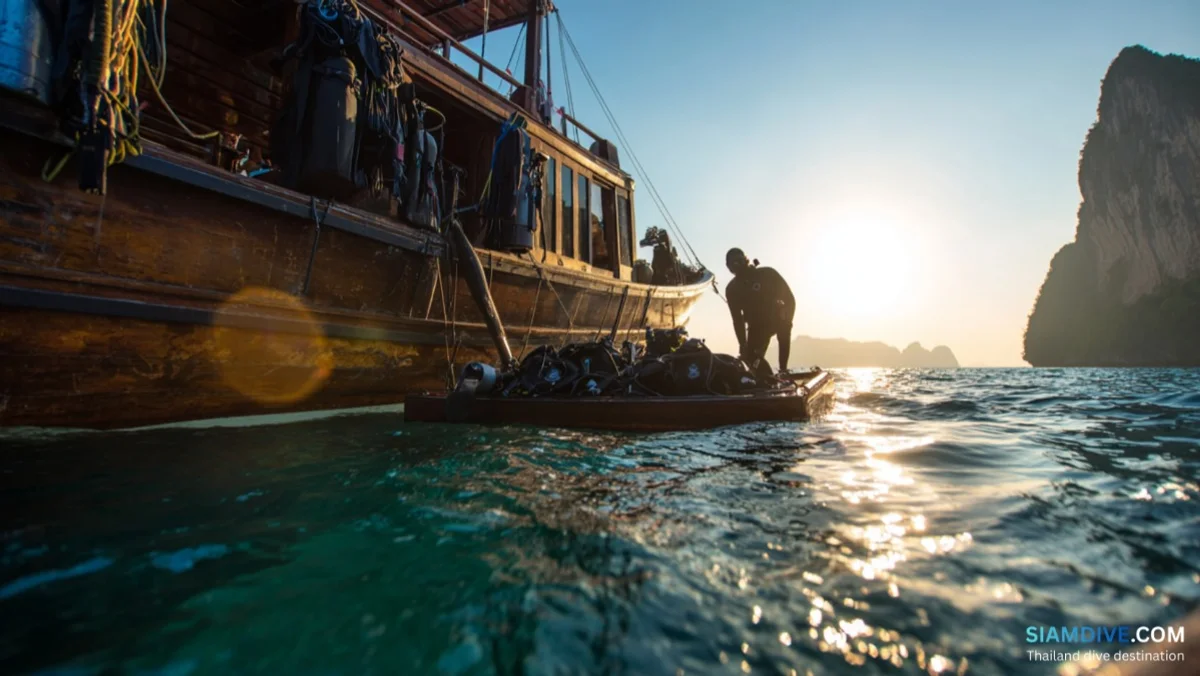
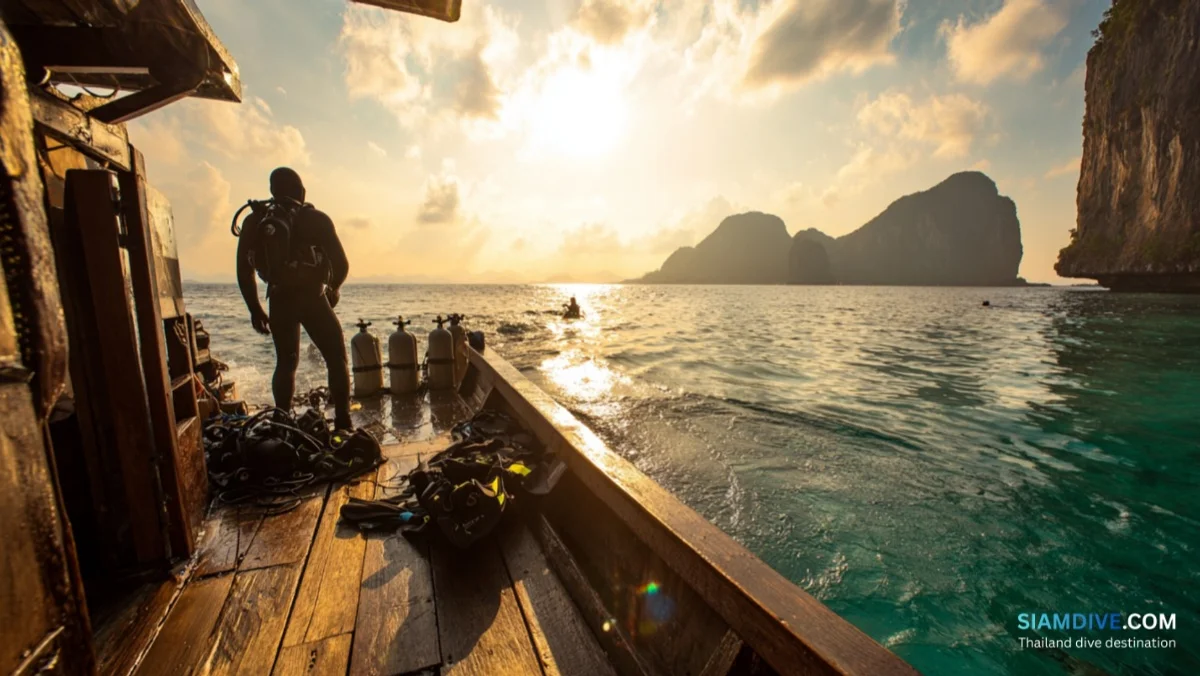
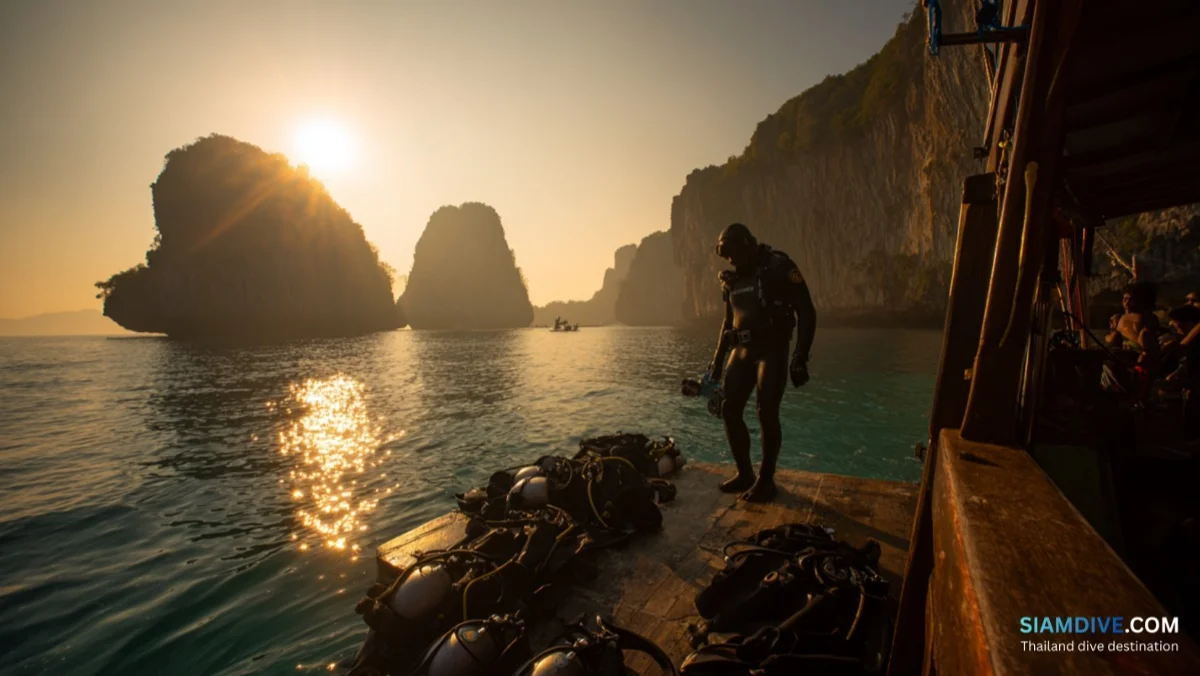
Day trips from Phuket or Khao Lak get you to a handful of nearby reefs, but the best diving in Thailand sits 60 to 100 kilometers offshore. The Similan Islands, Surin Islands, Richelieu Rock, Koh Bon, Koh Tachai — these spots are national park territory with no hotels and no piers. A liveaboard is the only way to reach them, and it lets you do four or five dives a day instead of two.
There is also the timing advantage. Liveaboards arrive at dive sites before the day boats show up and stay after they leave. Your first dive of the morning happens at 6:30 AM with zero other divers in the water. That alone is worth the price difference for many people.
Popular Routes and What You Will See
Almost every Thailand liveaboard operates in the Andaman Sea, departing from Khao Lak or Phuket between October and May. The standard itinerary is a 4-night loop through the Similan Islands with extensions to the north. Here is what each area offers.
- Similan Islands (Islands 1–9): Eight granite islands roughly 60 km off the coast. The west side has massive boulder formations with swim-throughs and overhangs. The east side features gentle sloping reefs covered in hard corals. Visibility regularly hits 25 to 30 meters. Good for all certification levels from Open Water up.
- Koh Bon: A single island with a cleaning station on the south side where manta rays circle from February through April. The wall drops to 40 meters and leopard sharks rest on the sandy bottom.
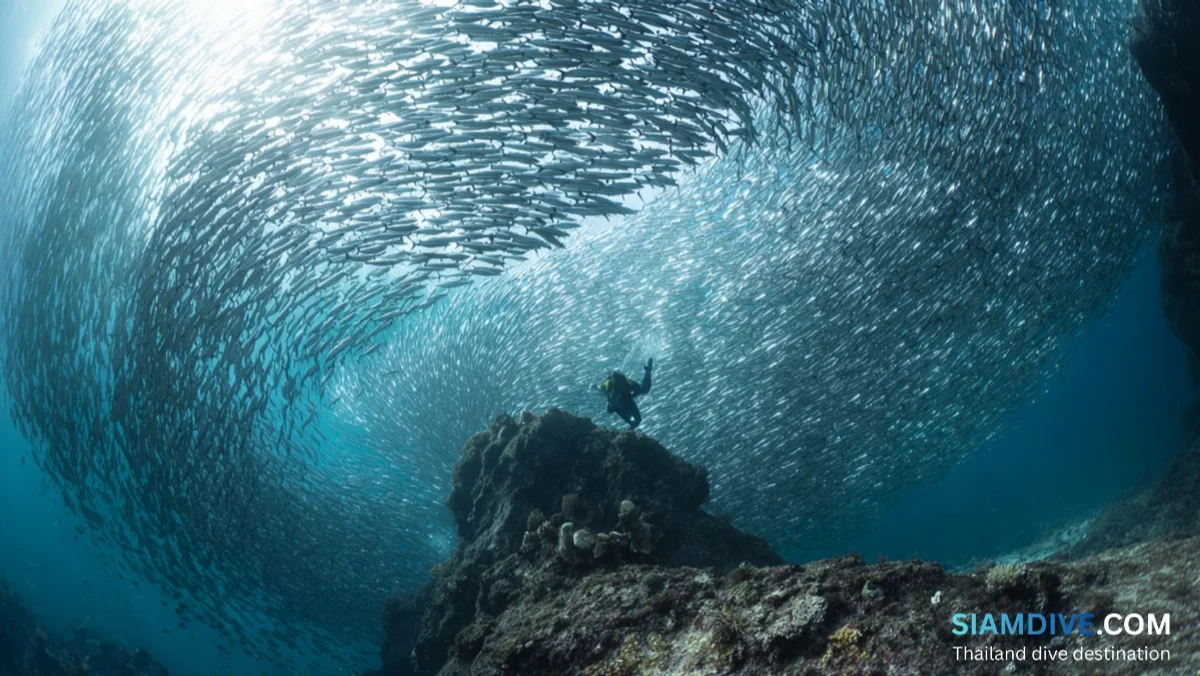
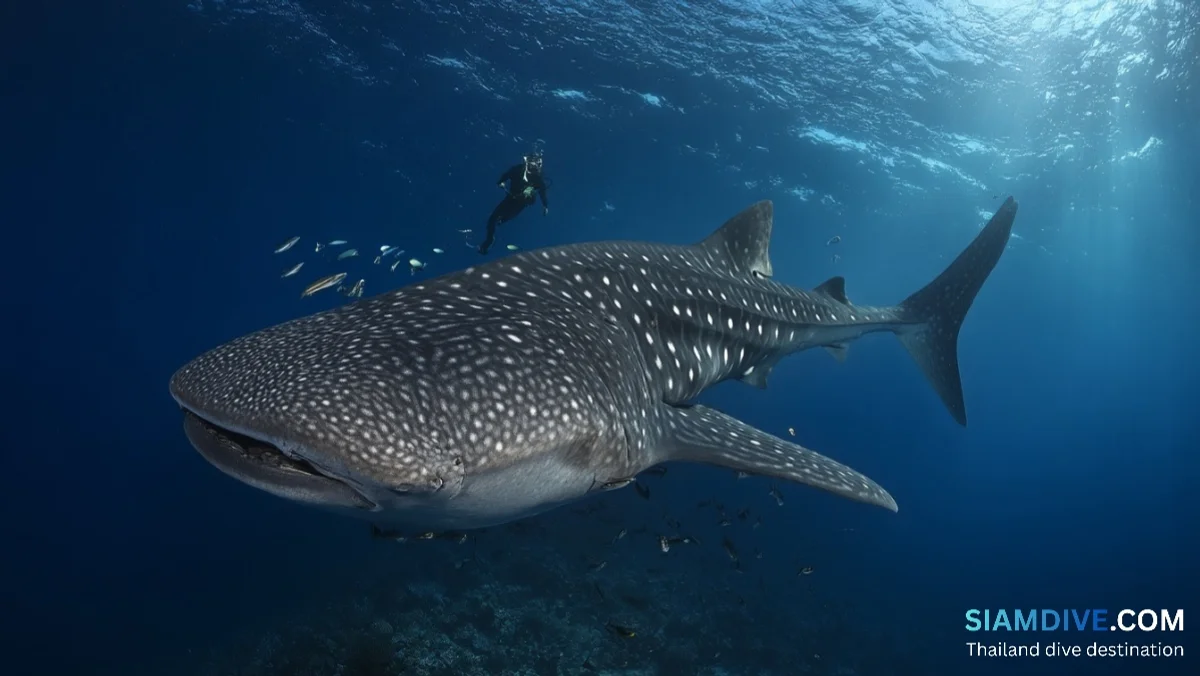
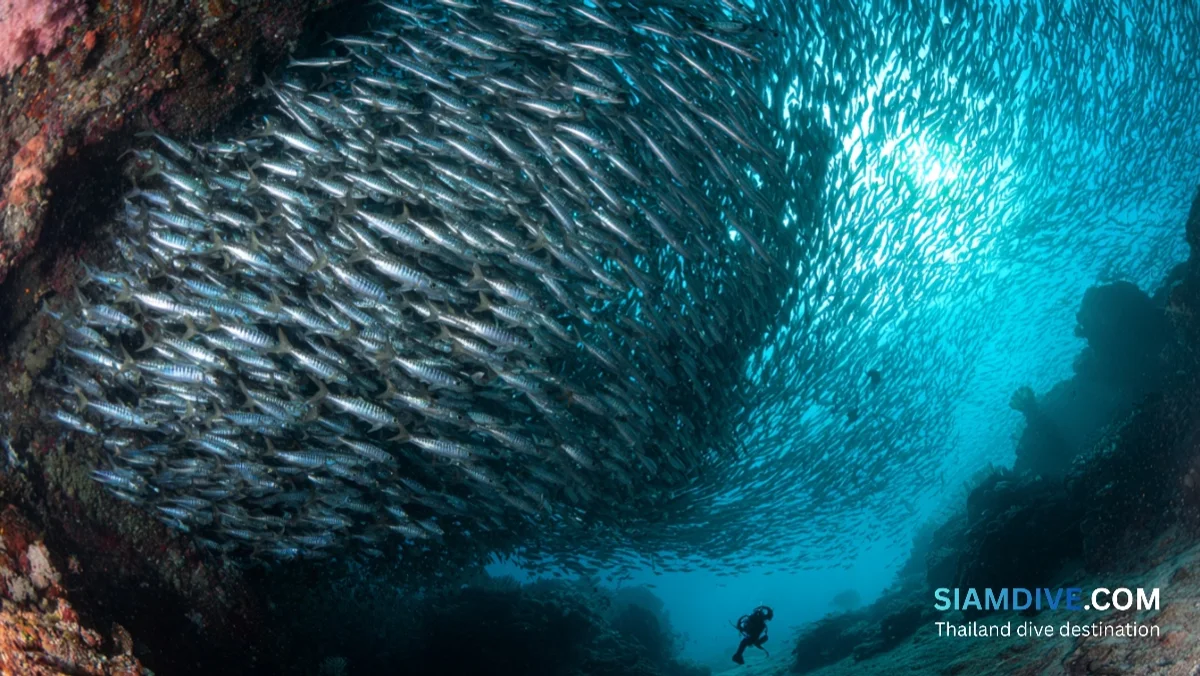
- Koh Tachai: A submerged pinnacle with strong currents that pull in trevally, barracuda, and the occasional whale shark. Recommended for Advanced Open Water divers and above.
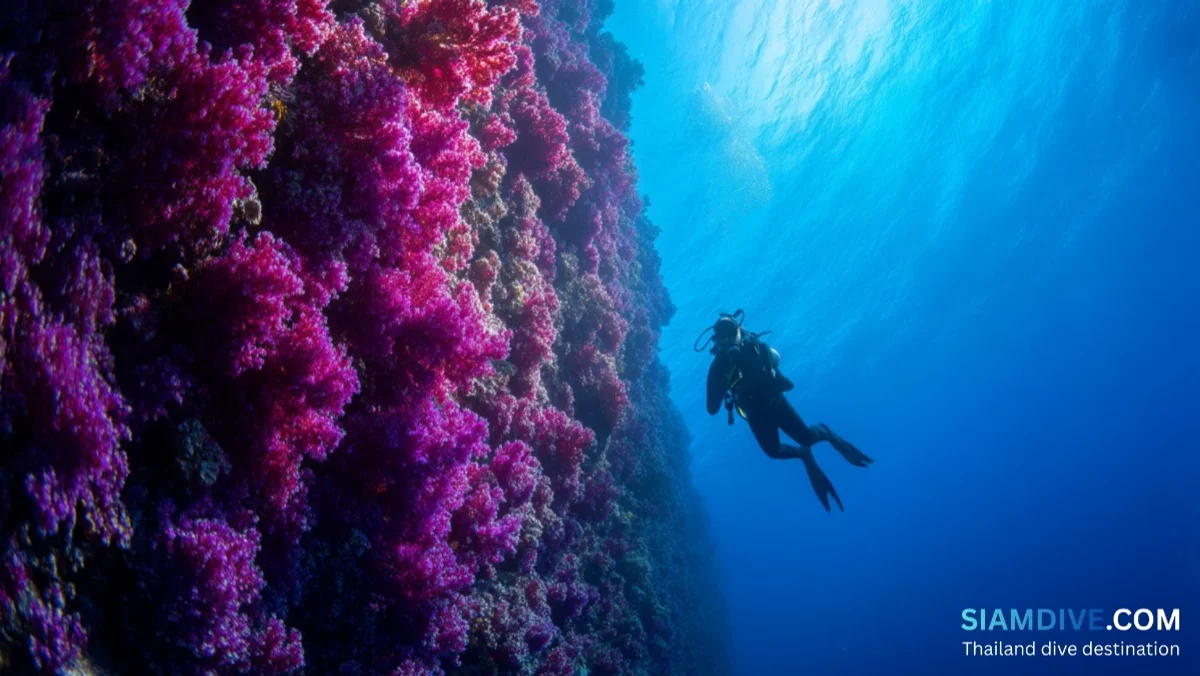
- Richelieu Rock: A horseshoe-shaped pinnacle that barely breaks the surface at low tide. Widely considered the single best dive site in Thailand. Whale sharks visit between February and April. The rock is covered in purple soft corals and packed with seahorses, harlequin shrimp, and ghost pipefish. Macro photographers can spend an entire dive on one square meter.
- Surin Islands: Less visited than Similans, with pristine shallow reefs and good snorkeling. Some operators include a Moken sea gypsy village visit.
- Burma Banks: Deep seamounts about 200 km northwest, featured on longer 6- or 7-night itineraries. Big pelagics at depth — silvertip sharks, nurse sharks, and large groupers. Requires Advanced certification and comfort with blue-water descents.
A 4-night trip typically covers Similans plus Koh Bon and Richelieu Rock. If you want Burma Banks or Surin, look for 5- to 7-night departures.
Types of Liveaboards and What You Get
Thai liveaboards fall into three tiers, and the differences are real — not just marketing labels.
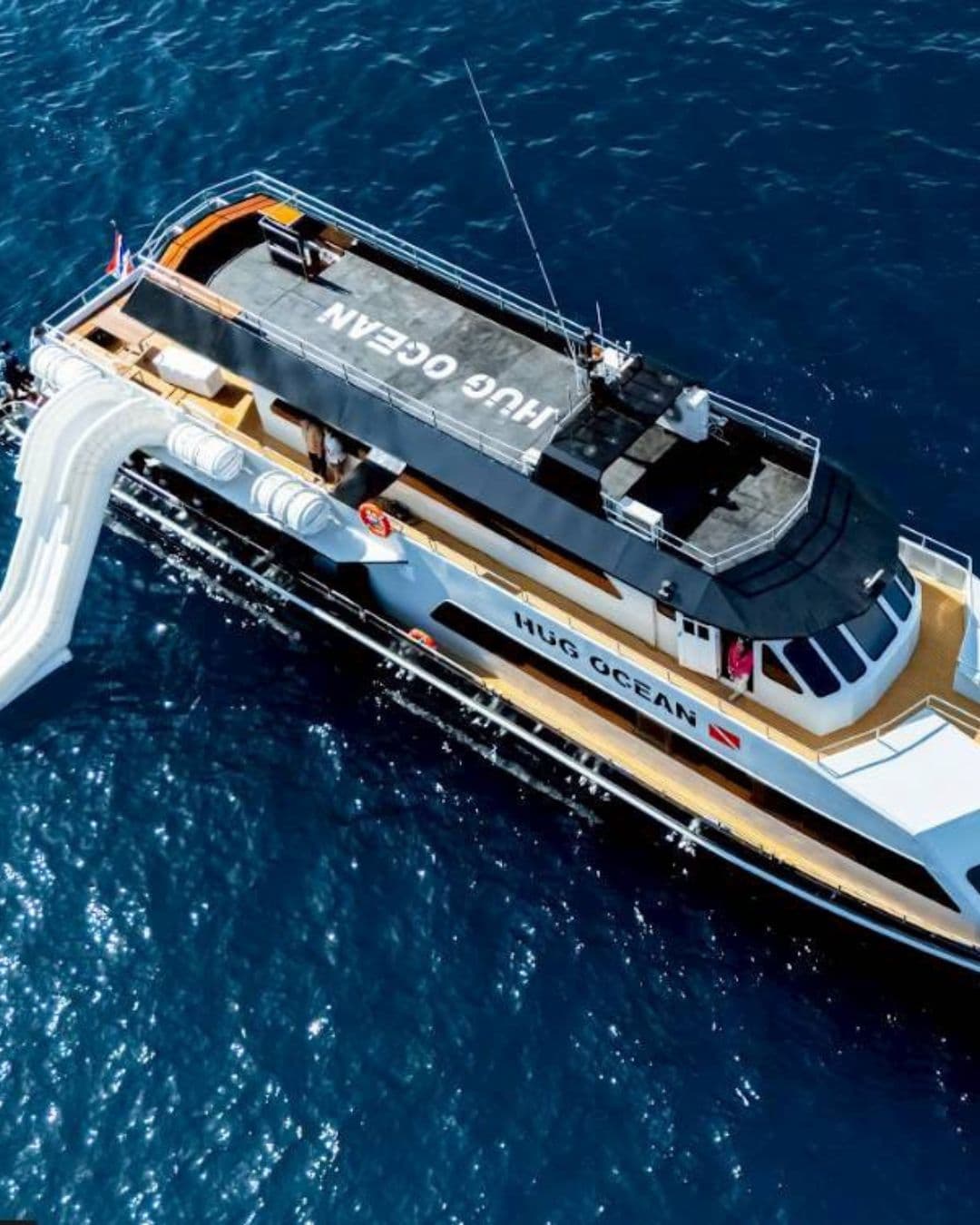
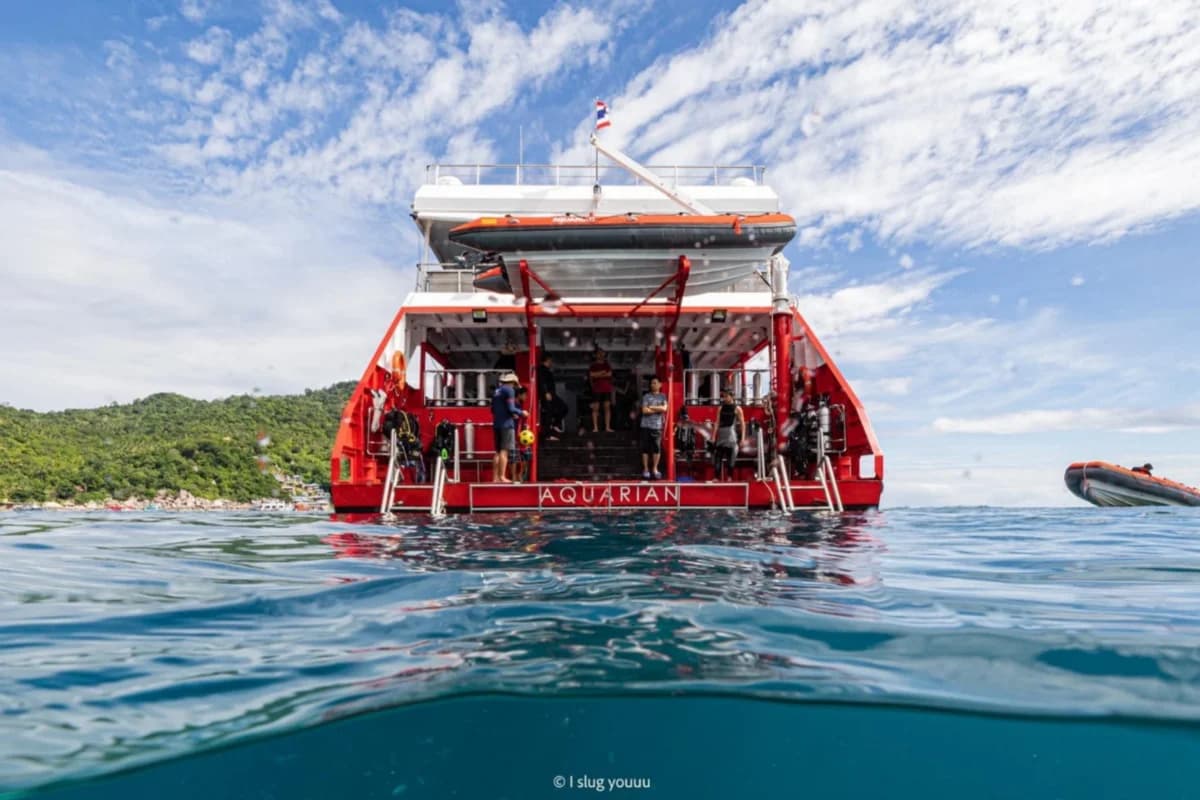
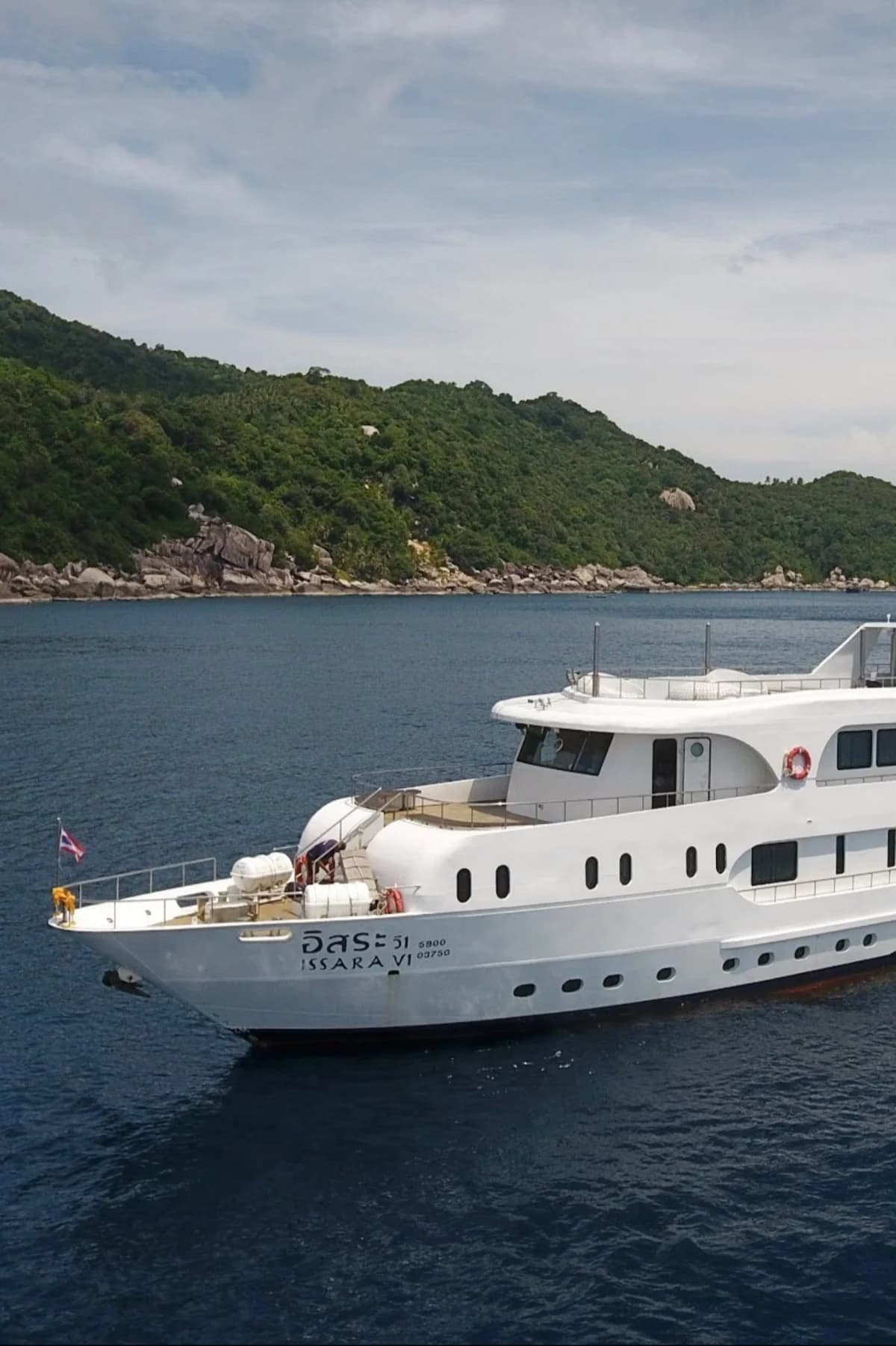
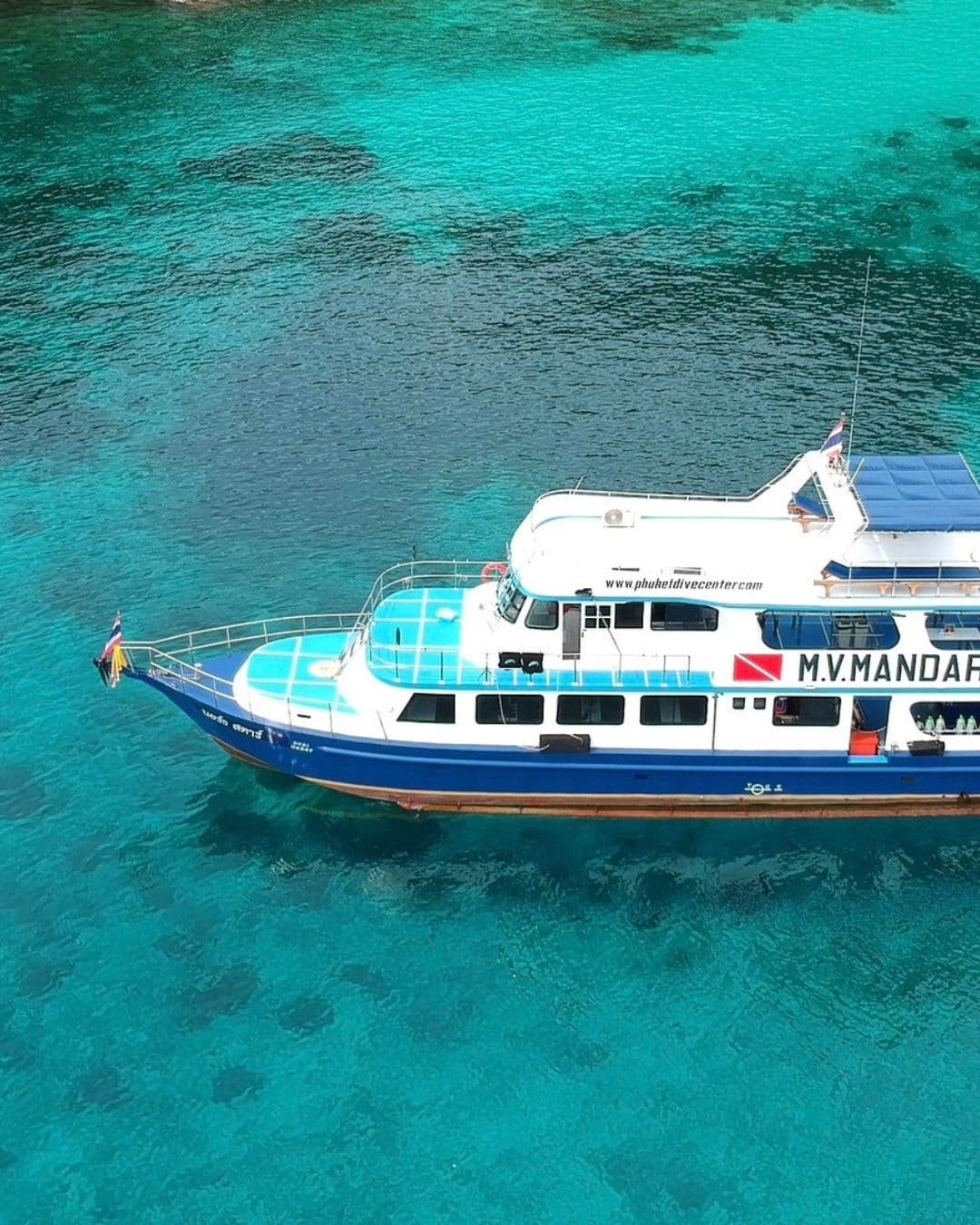
Budget (around $120–$180 per day): Steel-hulled boats with 10 to 18 guests. Cabins are compact with shared or small en-suite bathrooms. The dive deck works but may feel cramped if everyone gears up at once. Meals are good Thai food with some Western options. MV Andaman Queen is a reliable pick in this range — she has been running Similan routes for years and the crew knows every site.
Mid-range ($180–$300 per day): This is where most divers land. Boats like Deep Andaman Queen, Sawasdee Fasai, and Blue Dolphin offer spacious dive decks, dedicated camera rinse stations, nitrox on board, and air-conditioned cabins with private bathrooms. Food steps up to include international dishes alongside Thai staples. You get more personal space and better common areas.
Luxury ($300–$700 per day): Vessels like Thailand Aggressor, The Phinisi, and MY Thailand Master. Private cabins with queen beds, hot tubs on the sundeck, complimentary wine with dinner, and crew-to-guest ratios of nearly 1:1. The Junk is a converted traditional Chinese sailing vessel — the novelty factor alone makes it memorable. At this level, everything is included and the boat itself becomes part of the experience.
How Much Does It Actually Cost
Total trip cost depends on the boat tier, trip length, and what is included. Here is a realistic breakdown for a 4-night Similan itinerary.
- Boat fare: $500 to $2,800 per person (twin share). Budget boats start around $500 for four nights. Luxury vessels push past $2,500.
- National park fees: Around 1,500 THB ($45) for Similan Islands, paid separately on most boats.
- Equipment rental: $15 to $30 per day if you do not own gear. Full sets (BCD, regulator, wetsuit, computer) at the higher end.
- Nitrox: $50 to $100 for the entire trip on boats that offer it.
- Solo supplement: 30% to 100% extra if you want a private cabin. Most budget and mid-range boats pair solo travelers with same-sex roommates.
- Flights: Bangkok to Phuket runs 1,500 to 4,000 THB ($45–$115) on domestic airlines.
- Transfers: Many operators include Khao Lak or Phuket hotel pickup. If not, a minivan from Phuket airport to Khao Lak costs about 2,500 THB ($70).
All in, a budget liveaboard trip runs roughly $700 to $900 including flights from Bangkok. A mid-range trip lands at $1,200 to $1,800. Luxury trips can exceed $3,500.
When to Go and When to Book
The Andaman Sea liveaboard season runs from mid-October to mid-May. Outside this window, monsoon weather shuts down the Similan and Surin national parks entirely — they are physically closed to all boats.
Within that season, conditions shift. November and December bring calm seas and good visibility but fewer whale sharks. February through April is peak manta and whale shark season, with warmer water temperatures around 28 to 29 degrees Celsius. March is arguably the single best month — clear skies, flat seas, maximum marine life activity.
Book early if you are targeting peak months. Popular boats like Thailand Aggressor and Sawasdee Fasai fill their February and March departures three to six months ahead. Budget boats are easier to get last-minute, but the best cabin choices go first. Booking directly with operators sometimes saves 5% to 10% compared to aggregator sites.
Certification and Experience Requirements
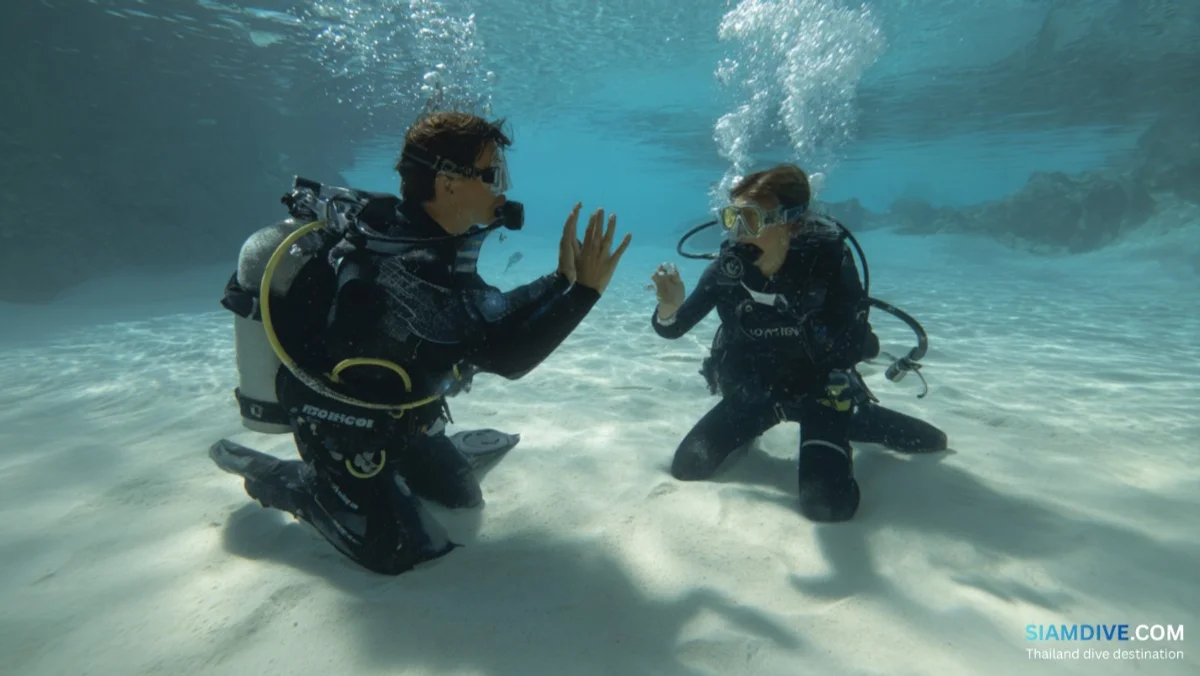
You need at minimum an Open Water certification for any liveaboard trip. Most operators will not accept uncertified divers because the remote sites lack shore-based support, and doing four dives a day requires someone comfortable in the water.
For the standard Similan route, Open Water is sufficient — several sites have maximum depths of 18 meters with mild currents. But if your itinerary includes Koh Tachai, Richelieu Rock, or Burma Banks, Advanced Open Water is strongly recommended. Currents at these sites can be unpredictable, and the best action often happens below 20 meters.
Some luxury operators require a minimum logged dive count — typically 30 to 50 dives — for itineraries with challenging sites. Check this before booking if your logbook is thin. A few operators offer Advanced Open Water courses during the trip for an extra fee, but spending two days on coursework means missing half your dives.
What to Pack for a Liveaboard
Space on a liveaboard is limited. A soft duffel bag works better than a hard suitcase because it fits into cabin storage. Here is a practical packing list.
- Dive essentials: Certification card, logbook, dive insurance documents (DAN or similar). If you own a mask and computer, bring them — rental computers are functional but you will not get your own dive profile history.
- Clothing: Two or three sets of light clothes, a rashguard for sun protection between dives, flip-flops. Nobody dresses up on a liveaboard.
- Sun protection: Reef-safe sunscreen (check the label — avoid oxybenzone and octinoxate), a hat, polarized sunglasses.
- Medication: Seasickness pills or patches. The Andaman Sea is generally calm during season, but crossing from the mainland to the Similans takes 3 to 4 hours and can get choppy. Take medication before departure, not after you feel sick.
- Electronics: Underwater camera if you have one, power adapters (Thailand uses 220V with mixed plug types), a headlamp for night dives if your own is better than rental.
- Toiletries: Biodegradable soap and shampoo. Most boats provide towels but not toiletries.
Leave valuables at your hotel. Most boats have a small safe or lockbox, but a liveaboard is a casual environment where things get wet.
Final Thoughts
Picking the right liveaboard comes down to three questions: where do you want to dive, how much are you willing to spend, and how many logged dives do you have? Match those answers to a route and a boat tier, book early for peak season, and the rest takes care of itself.
If this is your first liveaboard, a 4-night mid-range trip through the Similans is hard to beat — it covers the best sites at a reasonable price without demanding advanced skills. If you have done it before and want more, extend to a 6-night itinerary that adds Burma Banks or spend the extra money on a luxury vessel where the topside experience matches what is happening underwater.
Browse liveaboard options and dive trip listings on siamdive.com to compare routes, dates, and pricing across operators.