Palong Wall at Sunset: Phi Phi's Most Underrated Dive
14 เมษายน 2569
Palong Wall on Phi Phi Leh delivers healthy soft corals, moray eels, and the best sunset diving light in the Andaman Sea. Here's what you need to know.
What Makes Palong Wall Worth the Boat Ride
Palong Wall sits on the eastern flank of Phi Phi Leh, tucked just south of the famous Pileh Lagoon. Most tourists float around the lagoon in longtail boats, snap a few photos, and leave. Meanwhile, 15 meters below the surface, one of the Andaman Sea's most rewarding wall dives goes largely unnoticed. The site — sometimes called Pileh Wall by local operators — drops from a shallow reef flat at around 5 meters down to a sandy bottom at 20 meters, with some sections pushing past 25 meters where the current picks up.
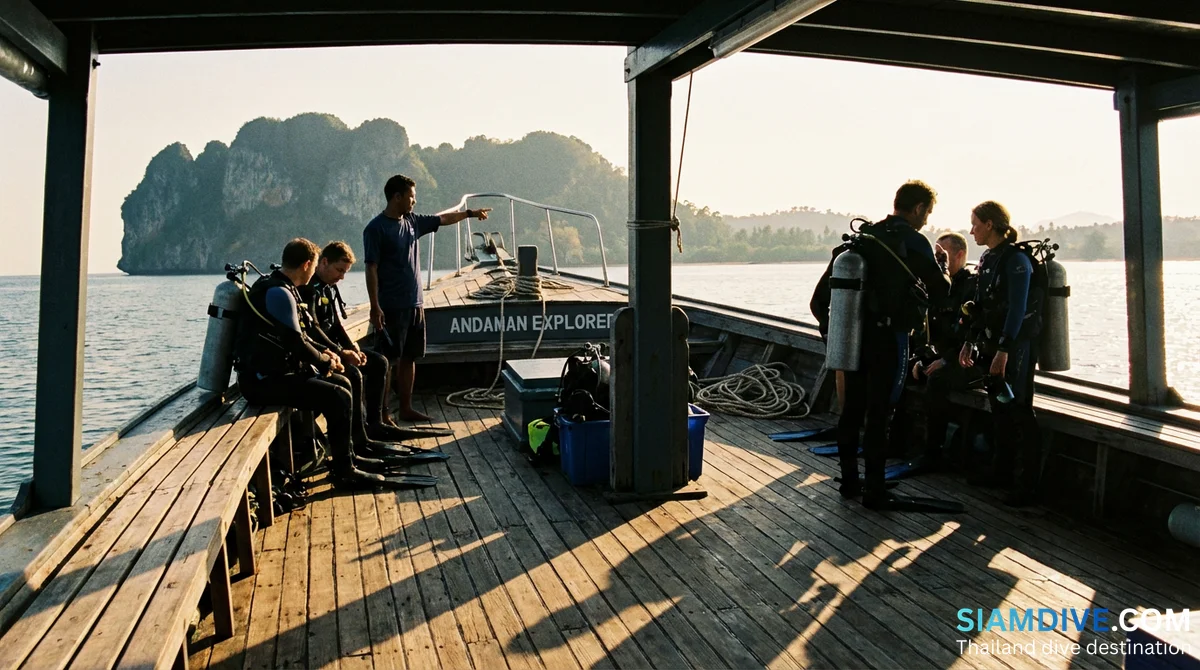
I first dived Palong Wall on a late afternoon trip from Tonsai Bay. The boat had eight divers on board. By contrast, the morning boats to Shark Point and Anemone Reef carried over thirty each. That ratio alone should tell you something about where the crowds go — and where they don't.
Why Palong Wall Deserves a Spot on Your Dive List
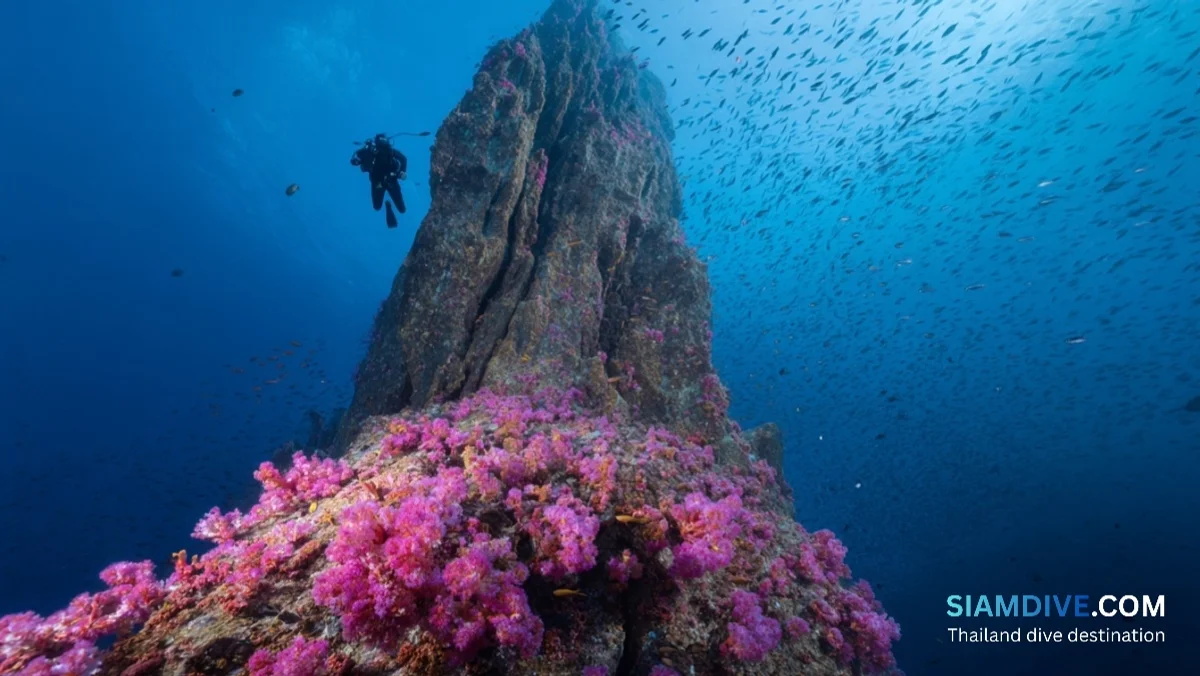
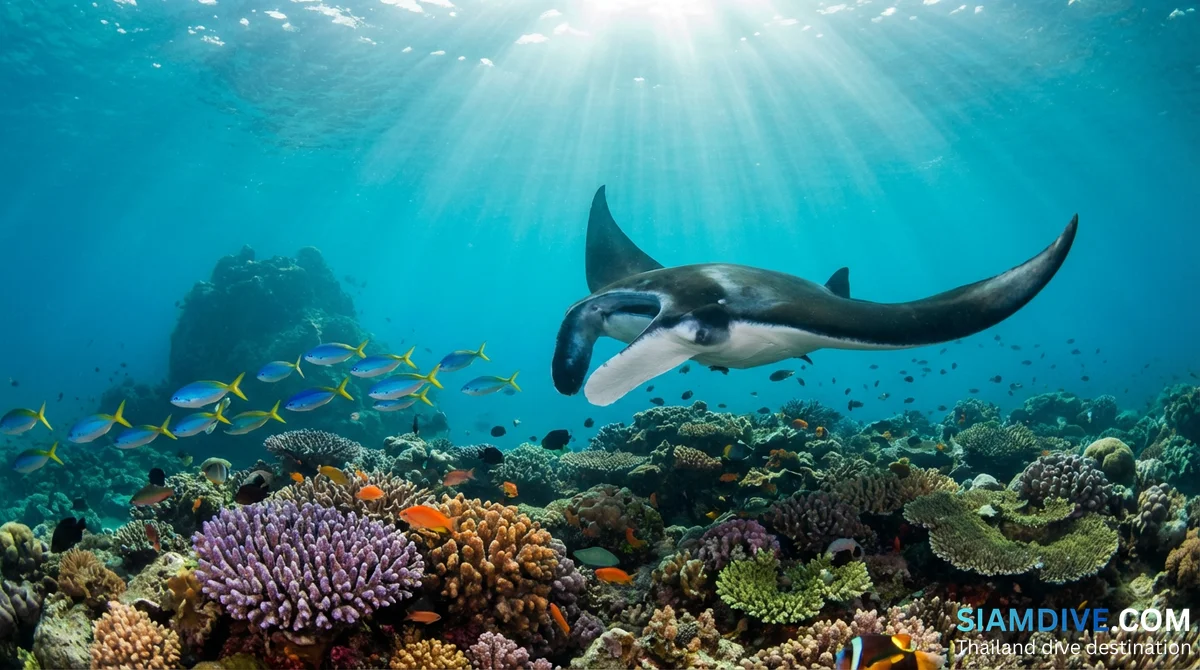
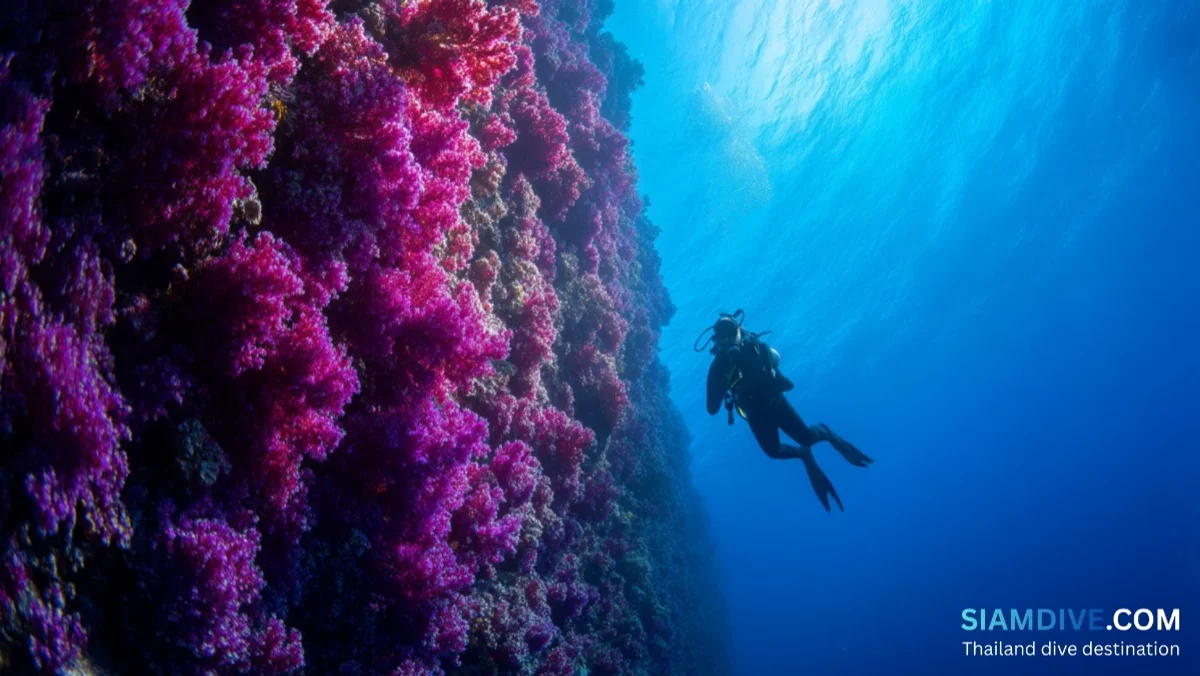
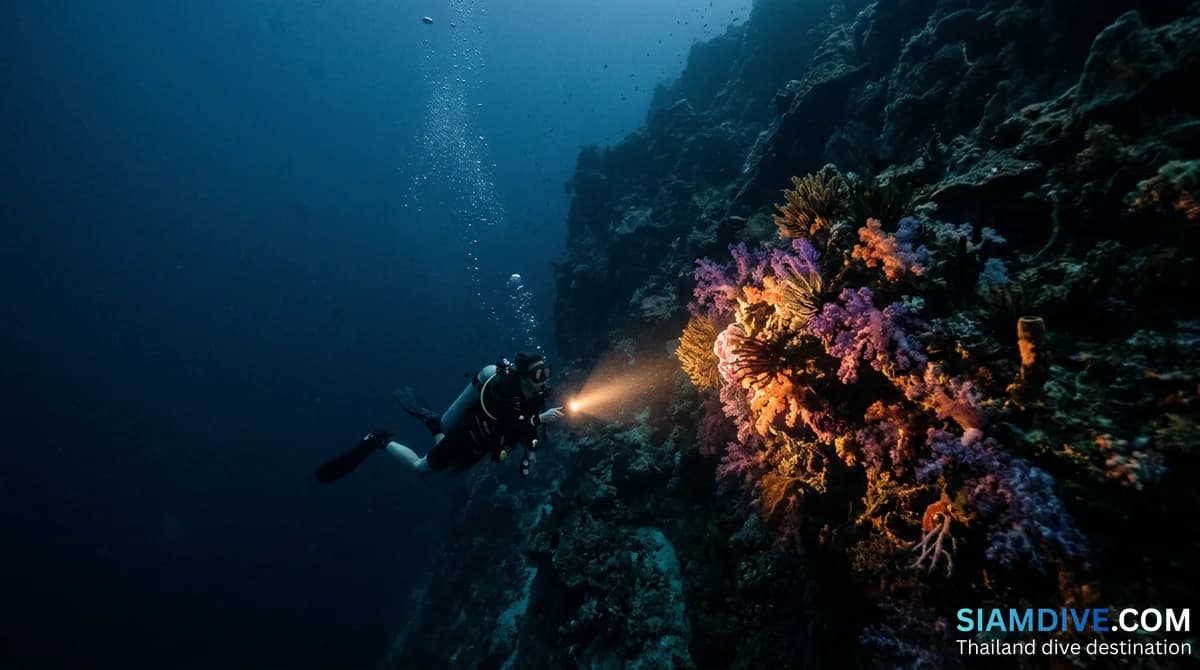
The wall itself is draped in soft corals — dendronephthya clusters in pink and purple, sea fans stretching wide to catch the current, and patches of hard coral that give the structure its backbone. Unlike some of the more heavily trafficked sites around Phi Phi Don, the coral coverage here is genuinely healthy. Part of that comes down to the site's position: the wall faces east, sheltered from the worst of the monsoon swells that batter the western coastline between May and October.
Visibility ranges from 5 to 20 meters depending on the season and recent weather. On a good day in February or March, you might get 25 meters — enough to see the full profile of the wall from a comfortable distance. On a mediocre day in November, you'll be working with 8-10 meters, which honestly makes the macro hunting more interesting since you're forced to get close to the wall and notice the smaller creatures.
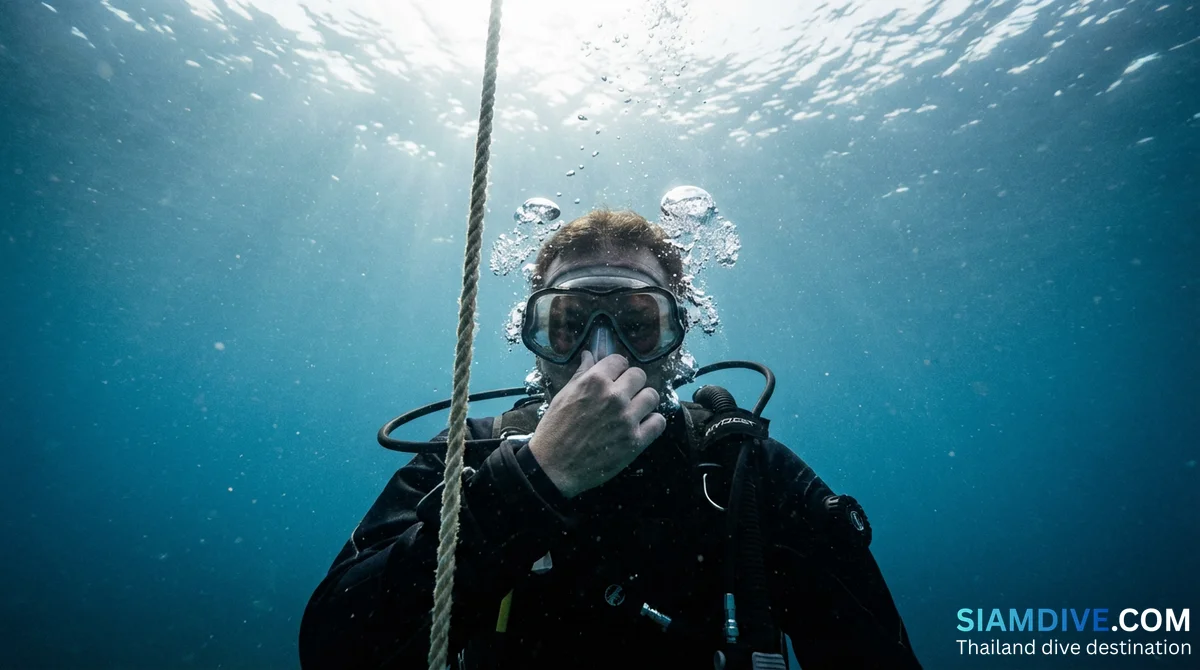
The other thing that sets Palong Wall apart is the light. Afternoon and sunset dives here produce some of the most atmospheric underwater conditions in the region. The eastern orientation means the wall catches the last rays of the day as the sun drops behind Phi Phi Don to the west, and the light bends and scatters through the water column in ways that make even average soft coral look extraordinary.
Diving the Different Sections of Palong Wall
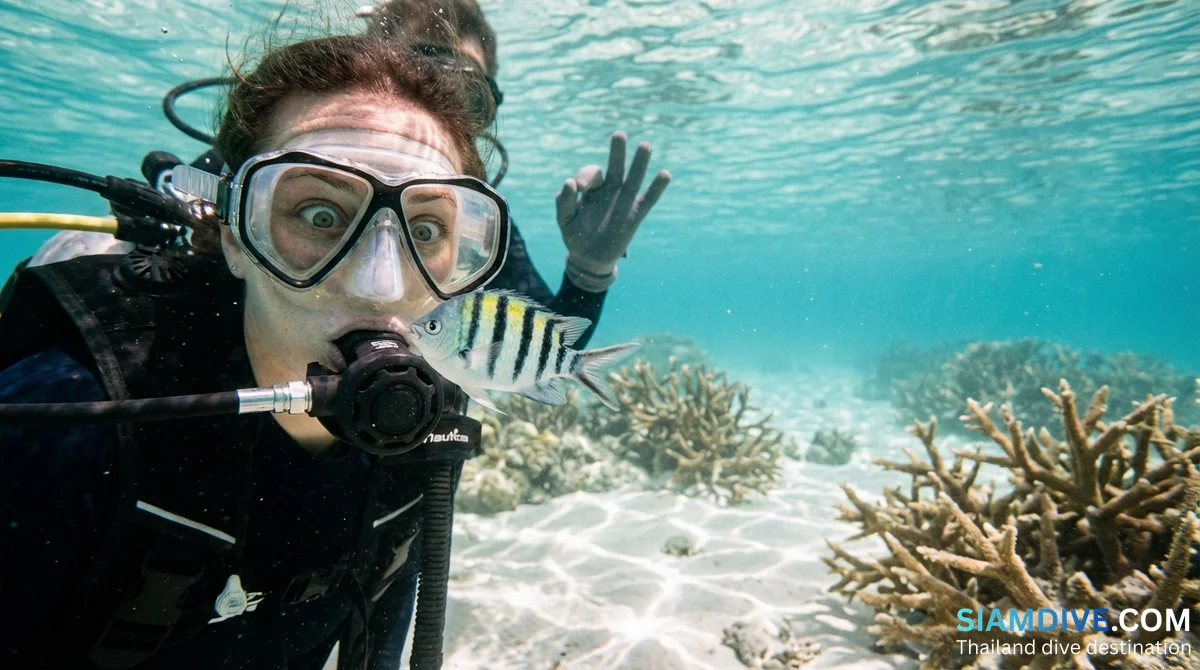
The site breaks down into three rough zones. The shallow section from 5 to 10 meters is a coral garden — branching corals, small table corals, and plenty of reef fish darting around. This is where beginners and Open Water divers spend most of their time, and it's genuinely enjoyable rather than a consolation prize.
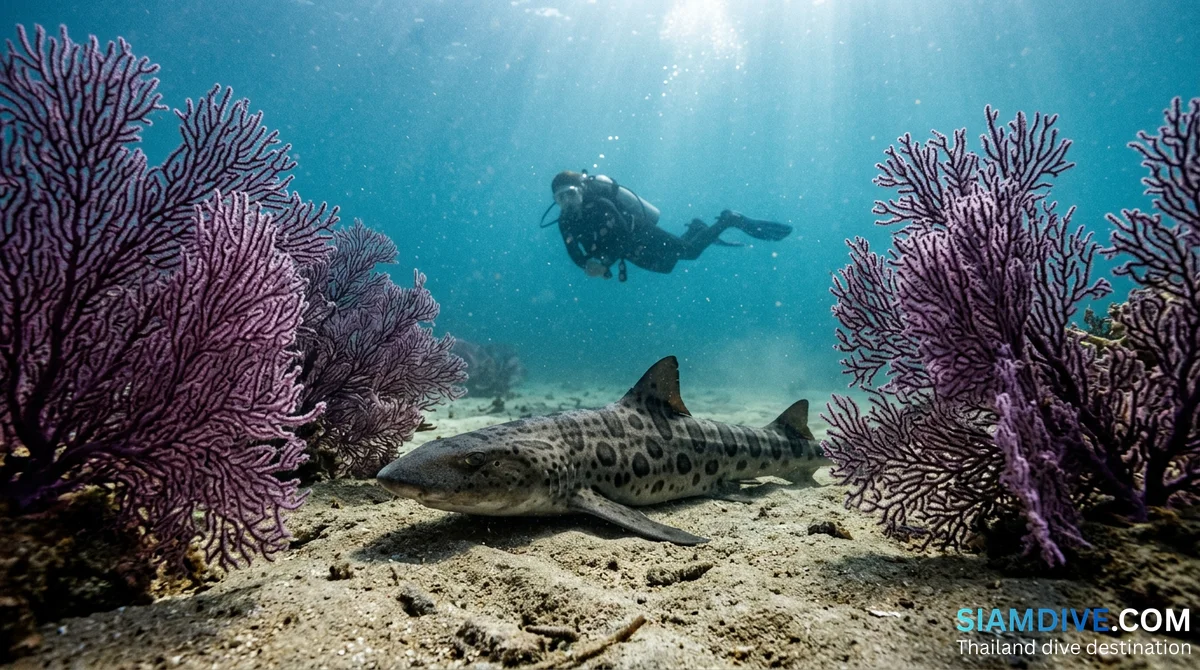
The mid-wall zone from 10 to 18 meters is where the soft coral density peaks. Sea fans here grow to over a meter across, and the overhangs and small crevices shelter moray eels, banded coral shrimp, and the occasional well-camouflaged scorpionfish. This is the money zone for photography.
Below 18 meters, the wall steepens and the current becomes a factor. Advanced divers with good buoyancy control can follow the wall down to 25-28 meters, where larger pelagics sometimes pass — barracuda schools, the odd reef shark if you're lucky. But the current here can shift from nothing to moderate without much warning, so a surface marker buoy is not optional.
Marine Life You'll Actually See
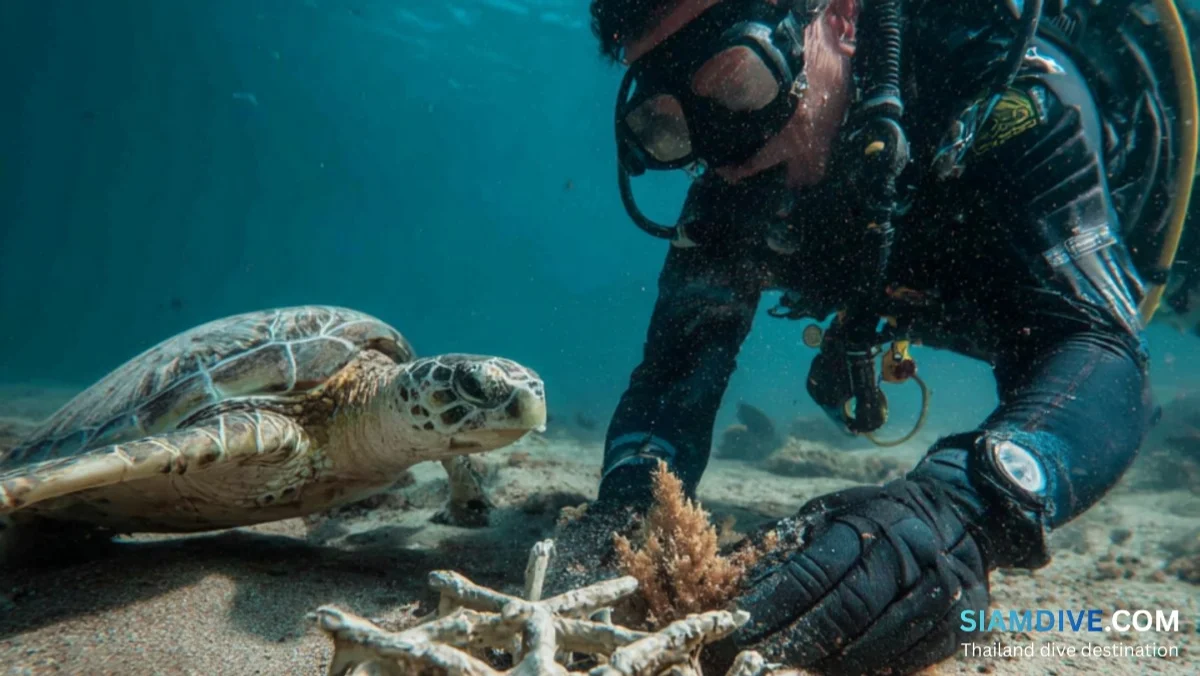
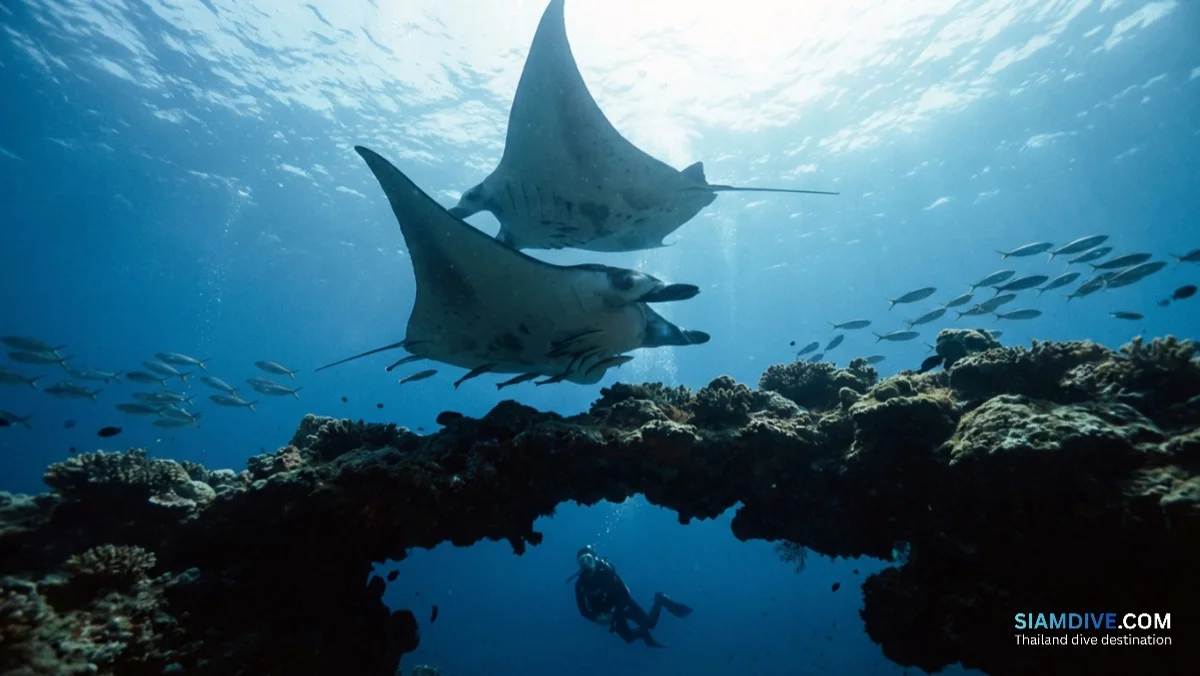
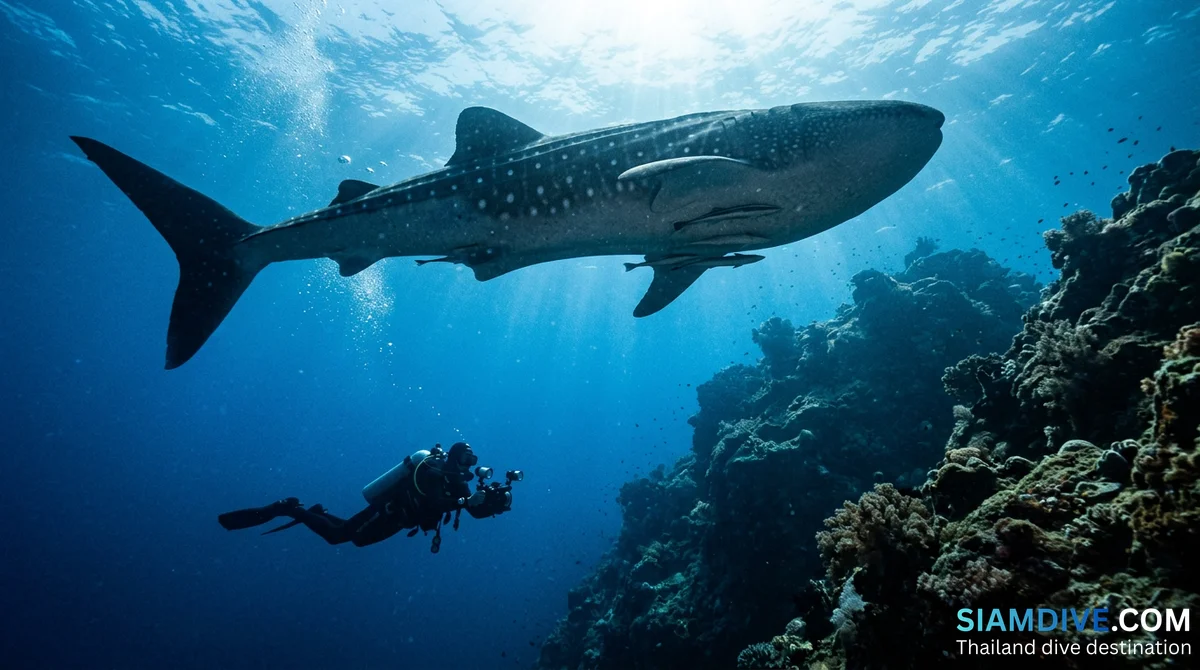
Forget the brochure promises of whale sharks and manta rays. Palong Wall is a macro and reef fish site, and it excels at that. Here's what consistently shows up across seasons:
- Moray eels — Giant morays and white-eyed morays tucked into wall crevices, often with cleaner shrimp working their gills
- Lionfish — Common along the deeper sections, particularly near overhangs. Beautiful but venomous — maintain distance and watch your fin placement
- Snapper schools — Yellow-tail and two-spot snapper congregate in loose schools along the wall, especially in the 12-15 meter range
- Sea fans and soft corals — The real stars of Palong Wall. Gorgonian fans, dendronephthya soft corals, and whip corals create a living tapestry on the wall face
- Crustaceans — Banded boxer shrimp, porcelain crabs, and the occasional mantis shrimp if you look carefully in the rubble zones
- Barracuda — Small schools of chevron barracuda patrol the deeper sections, usually between 18 and 25 meters
Nudibranch hunters will find Palong Wall productive too, though the species vary by season. December through February tends to be best for chromodoris and phyllidia species on the wall face.
When to Dive Palong Wall
The prime window runs from November through April, which lines up with the Andaman coast's dry season. Within that range, conditions tend to peak in January through March — calmer seas, better visibility, and more predictable currents.
November can still get residual monsoon swells, and some operators skip Phi Phi Leh sites entirely during the first few weeks of the season. By December, things settle down. April starts to see increased plankton blooms that cut visibility but can actually improve fish activity.
For the best light on the wall, book an afternoon dive departing around 14:00-15:00. The golden hour underwater at this site is worth the slightly more inconvenient scheduling. Most dive shops run morning trips by default, so you may need to specifically request a PM departure or find an operator that runs sunset dive trips.
Getting to Palong Wall
Three jumping-off points serve this site, each with trade-offs:
- From Phi Phi Don — The shortest boat ride, roughly 20 minutes. Local dive operators like Blue View Divers and Adventure Club run regular trips. This is the most affordable option and gives you the flexibility to request afternoon departures.
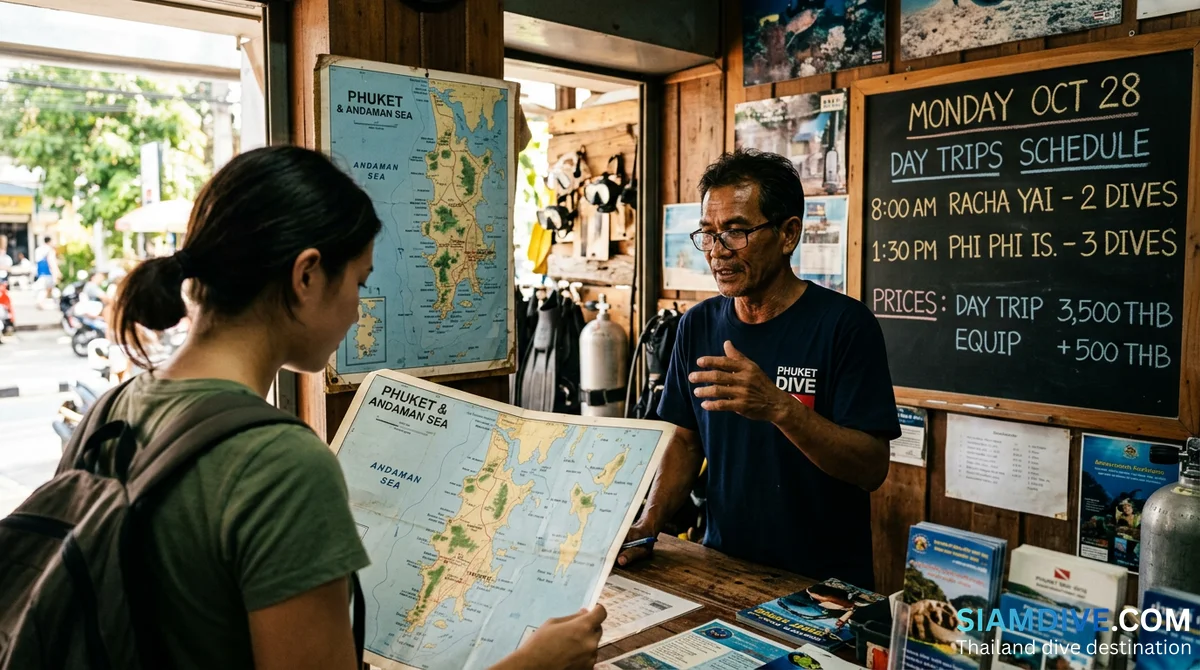
- From Phuket — About 48 km by boat. Day trips typically leave Chalong Pier or Rassada Pier at 07:00-08:00 and combine Palong Wall with 1-2 other Phi Phi sites. Budget 3,500-5,000 THB for a two-dive day trip.
- From Krabi/Ao Nang — 42 km crossing. Similar format to Phuket trips but slightly shorter travel time. Nopparat Thara Pier is the usual departure point.
- From Koh Lanta — 35 km away. Lanta operators sometimes include Palong Wall in their southern Phi Phi itineraries, though Hin Daeng and Hin Muang get priority on most boats.
If you're staying on Phi Phi Don already, you can often arrange a trip with just a day's notice. From Phuket or Krabi, book at least 2-3 days ahead during peak season (December-February) since boats fill up fast.
Practical Tips for Diving Palong Wall
- Reef-safe sunscreen only — Phi Phi's reefs are under enough pressure from boat traffic and tourism. Use mineral-based (zinc oxide) sunscreen or wear a rash guard instead.
- Watch your depth on the deeper sections — The wall drops gradually enough that you can exceed your planned depth without noticing. Check your computer frequently below 15 meters.
- Bring a torch — Even on day dives, a small dive light transforms the soft coral colors. Without one, everything below 15 meters looks blue-green. With a torch, the pinks and oranges pop.
- Lionfish awareness — They hang upside-down under overhangs where you might reach for a handhold. Look before you grab, and never touch the wall with bare hands.
- Surface marker buoy is mandatory — Current can push you away from the wall on ascent, and boat traffic around Phi Phi Leh is constant. Deploy your SMB at 5 meters.
- Combine with Pileh Lagoon — If your operator offers a surface interval at the lagoon, take it. The snorkeling inside is surprisingly good, and the limestone cliffs are worth seeing from water level.
Final Thoughts
Palong Wall won't make anyone's list of the most extreme dives in Thailand. It doesn't have the depth of Richelieu Rock, the pelagic action of Hin Daeng, or the shark encounters of Chumphon Pinnacle. What it has is consistency — healthy coral, reliable marine life, manageable conditions for most skill levels, and that remarkable late-afternoon light that photographers chase across the Andaman Sea.
If you're already on Phi Phi for a few days, skipping this site would be a mistake. If you're day-tripping from Phuket, it's one of the better reasons to make the crossing. Either way, request the afternoon boat if you can. The sunset through 15 meters of clear Andaman water, with sea fans silhouetted against the fading light — that's the image you'll keep long after you've dried off your gear.
Planning your Phi Phi diving trip? Browse dive sites, operators, and seasonal guides at siamdive.com.