Pattaya's Sunken Warships: How Navy Wrecks Became Thriving Coral Reefs
14 เมษายน 2569
Decommissioned Royal Thai Navy ships off Pattaya are now covered in coral and teeming with marine life. Here's what you'll find 18–30 meters below the surface.
Warships on the Seafloor — And They're Covered in Coral
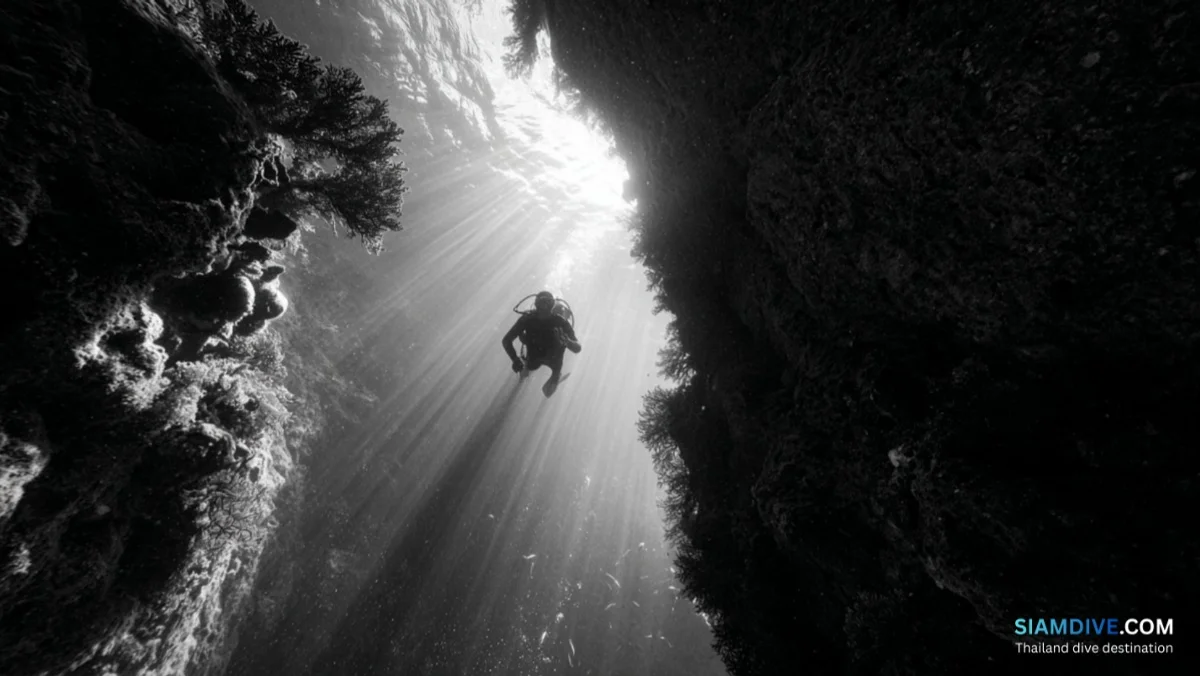
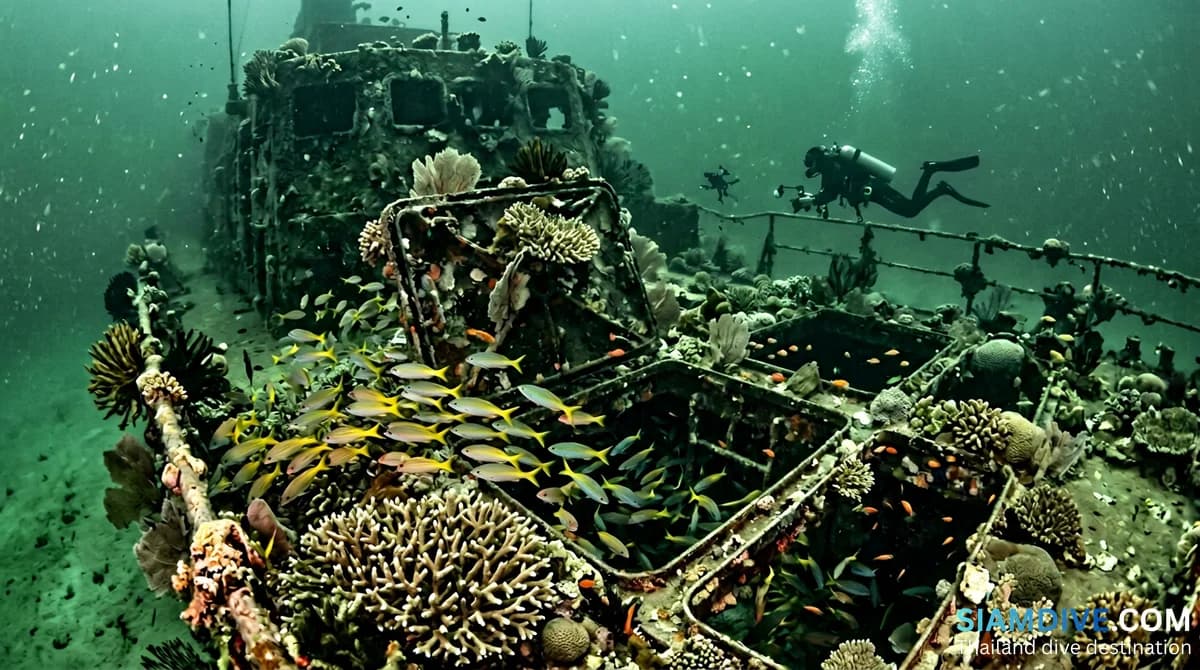
About 45 minutes by speedboat from Bali Hai Pier, a fleet of decommissioned Royal Thai Navy warships sits on the sandy bottom off Pattaya's coast. They were sunk on purpose — stripped of oil, cleaned of hazardous materials, and dropped into the Gulf of Thailand to give marine life something to cling to. And it worked. HTMS Khram, HTMS Kut, and several other hulls now wear thick coats of soft corals, sea fans, and sponges. Schools of barracuda circle the masts. Batfish hover around the decks like they own the place. For divers based in Bangkok, these wrecks are the closest real underwater attraction — and most people have no idea they exist.
Why Pattaya's Artificial Reefs Deserve Your Attention
Natural coral reefs along this stretch of the Gulf took a beating from decades of overfishing, coastal construction, and anchor damage. By the early 2000s, much of the seabed near Pattaya was barren sand. The Royal Thai Navy stepped in by scuttling retired vessels to create hard substrate — basically giving coral larvae somewhere to settle. Local organizations added over 100,000 concrete reef modules (dome-shaped "Reef Balls" and cubes) to fill in the gaps. A 2024 study from Chulalongkorn University found that biodiversity around these structures jumped 300% compared to the surrounding sandy bottom. Fish biomass doubled between 2020 and 2024. That's not marketing — those are ROV survey numbers.
What makes Pattaya special for artificial reef diving is accessibility. You don't need a liveaboard, and you don't need three connecting flights. From Bangkok, it's a 90-minute drive to the pier, a short boat ride, and you're on a wreck swarming with life.
The Best Artificial Reef Dive Sites Around Pattaya
- HTMS Khram: A 50-meter corvette sunk in 2003, sitting at 18–28 meters. The top deck starts at 18m, making it accessible for intermediate divers. Open hatches and wide corridors allow safe swim-throughs. Groupers, lionfish, and morays have taken up permanent residence. Recent surveys show around 60% coral cover on the hull — impressive for a structure that's been underwater just over 20 years.
- HTMS Kut: A 45-meter frigate from the 1970s, also sunk in 2003, at 25–30 meters. This one's deeper and draws a different crowd — advanced divers who want penetration options through cargo holds and engine rooms. Outside, you'll find thick gorgonian fans and clouds of trevally and snapper.
- Reef Ball City (Windsock Reef): At 10–15 meters, this is the best site for newer divers. Thousands of concrete dome modules create a maze-like landscape where anemonefish, lionfish, and nudibranchs hide in every crevice. Navigation is easy and currents are gentle.
- Jomtien Reef: Concrete cubes and steel frames at 8–20 meters, some seeded with Acropora coral fragments from local nurseries. Parrotfish, turtles, and soft corals are common. Great for macro photography.
- Samae San Pinnacle: Combines natural pinnacles with nearby wreck structures at 15–30 meters. Stronger currents here bring eagle rays, occasional blacktip reef sharks, and large gorgonian colonies. Advanced certification recommended.
What's Living on These Wrecks Now
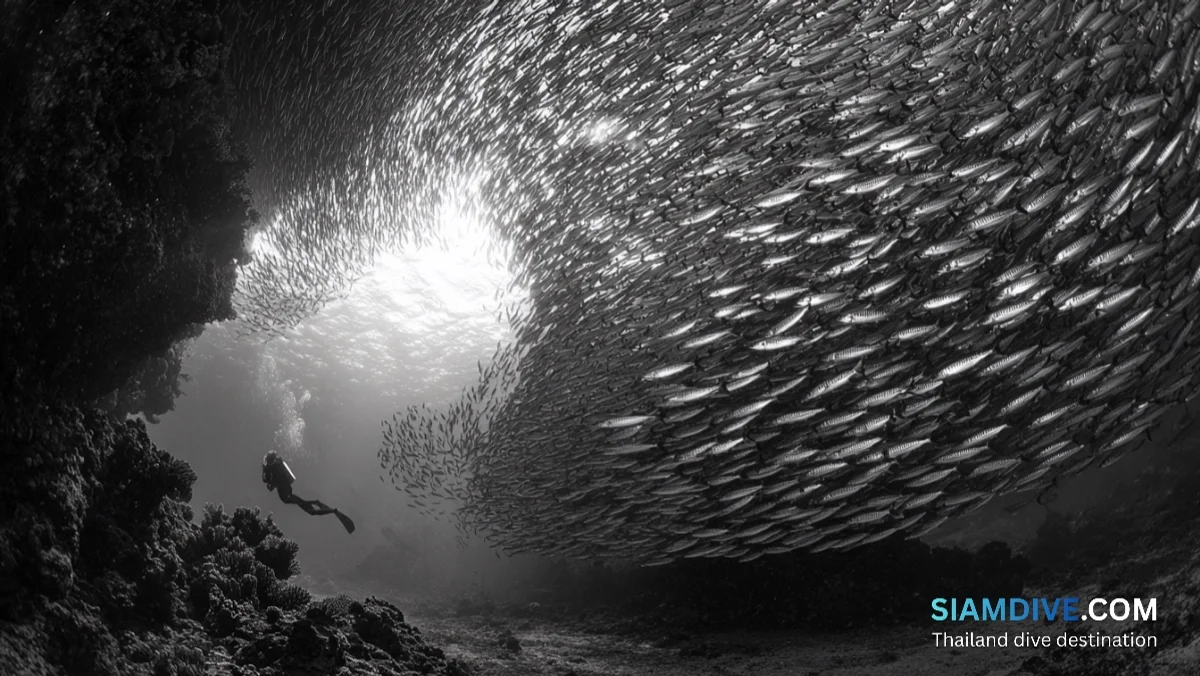
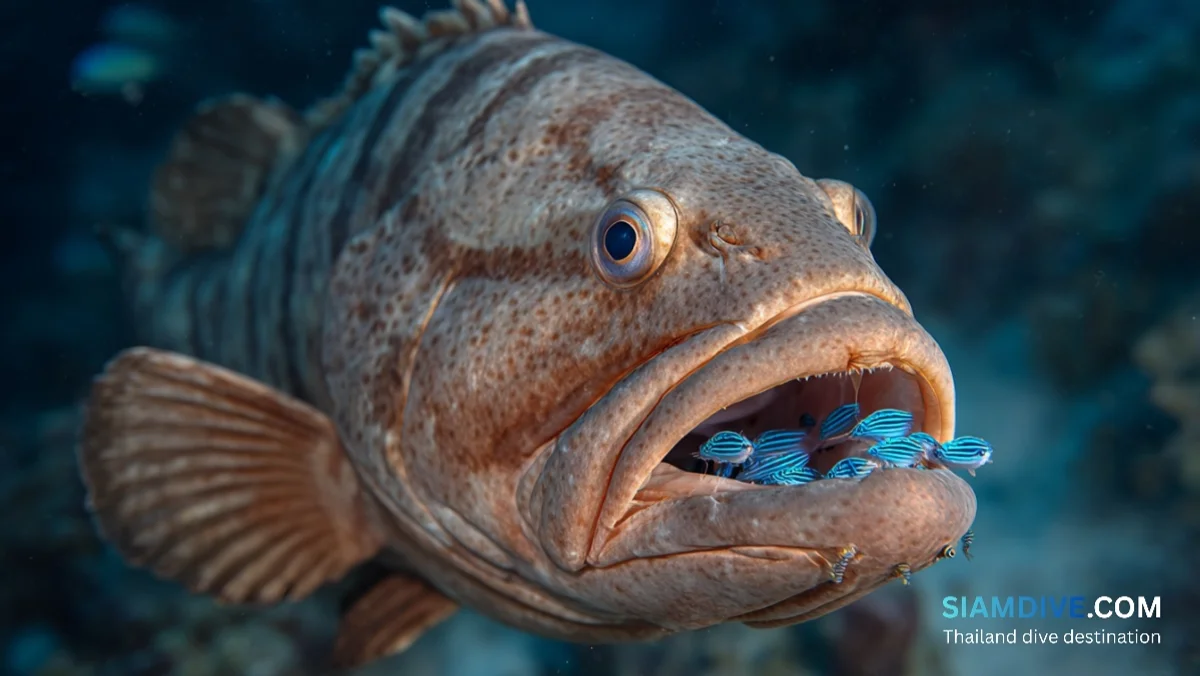
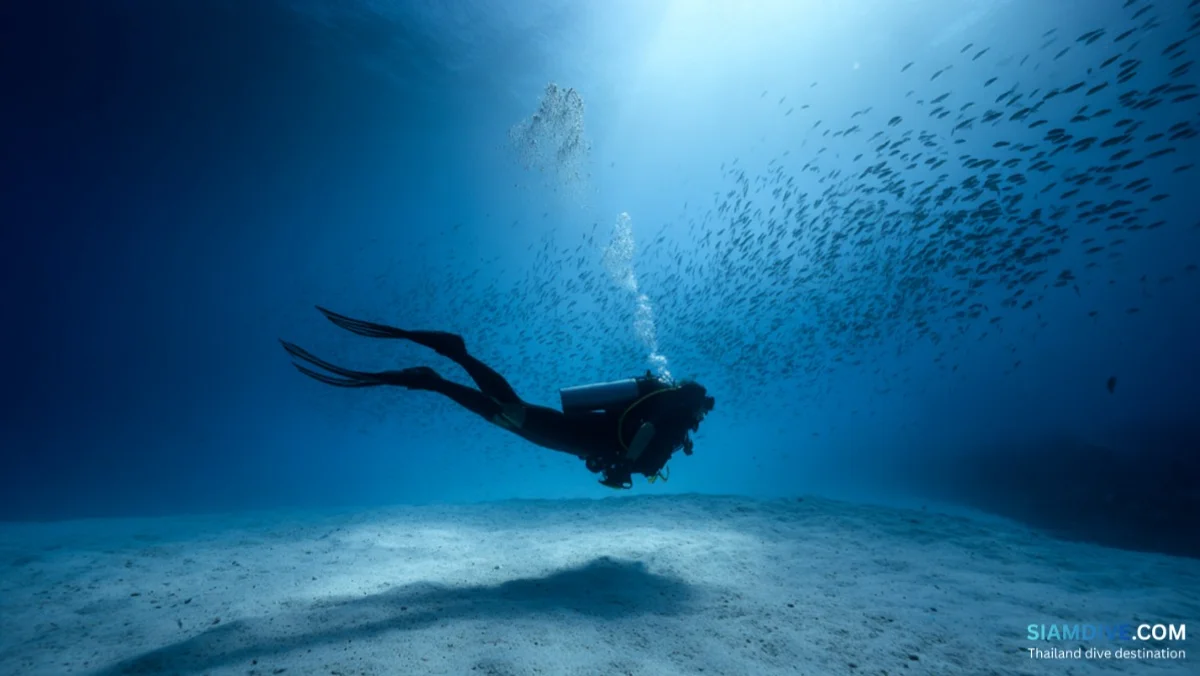
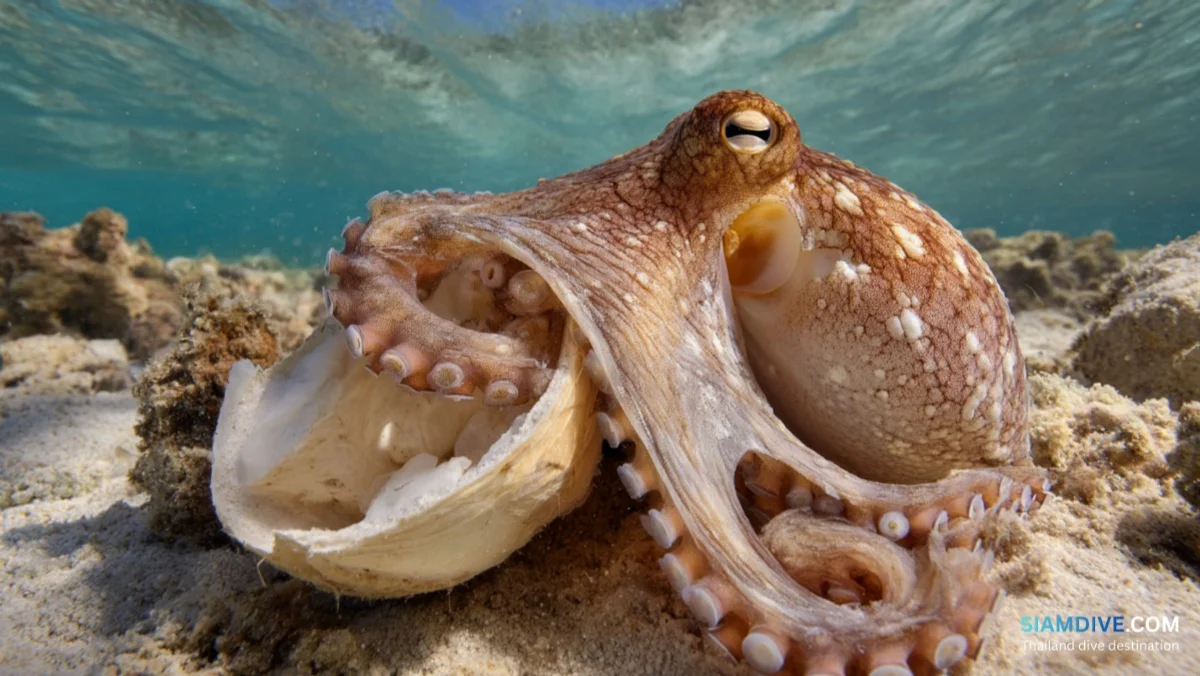
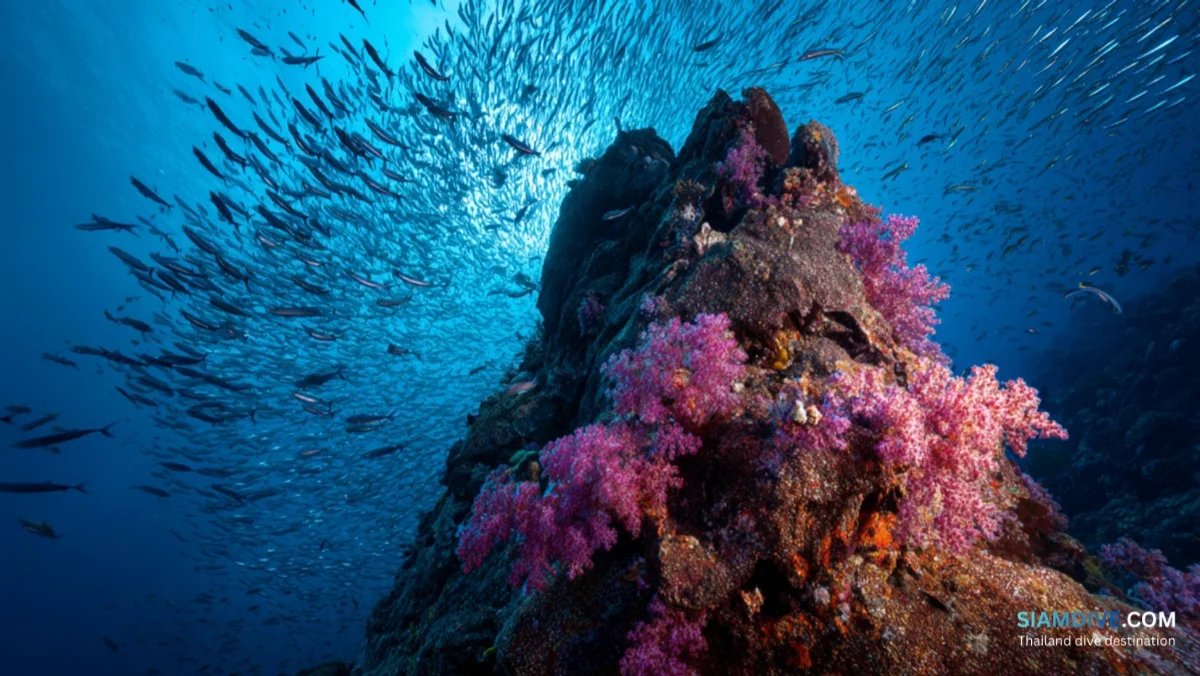
Before the artificial reefs went in, surveys recorded sparse fish populations and almost no coral cover on the sandy bottom. The transformation is measurable. Over 150 species of fish have been documented around Pattaya's artificial reef sites. Schools of barracuda and jackfish are regular residents on the larger wrecks. Batfish — those flat, silver dinner-plate fish — hang around HTMS Khram in groups of 20 or more. Morays peek out from hull openings. Scorpionfish sit motionless on encrusted surfaces, practically invisible.
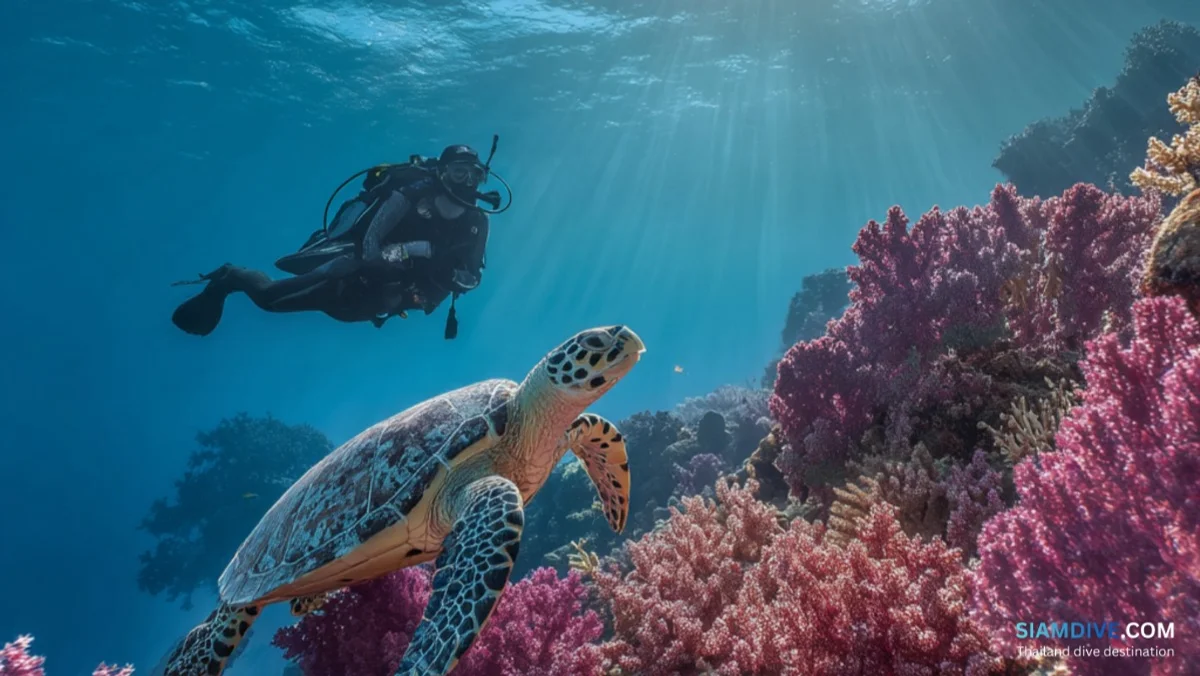
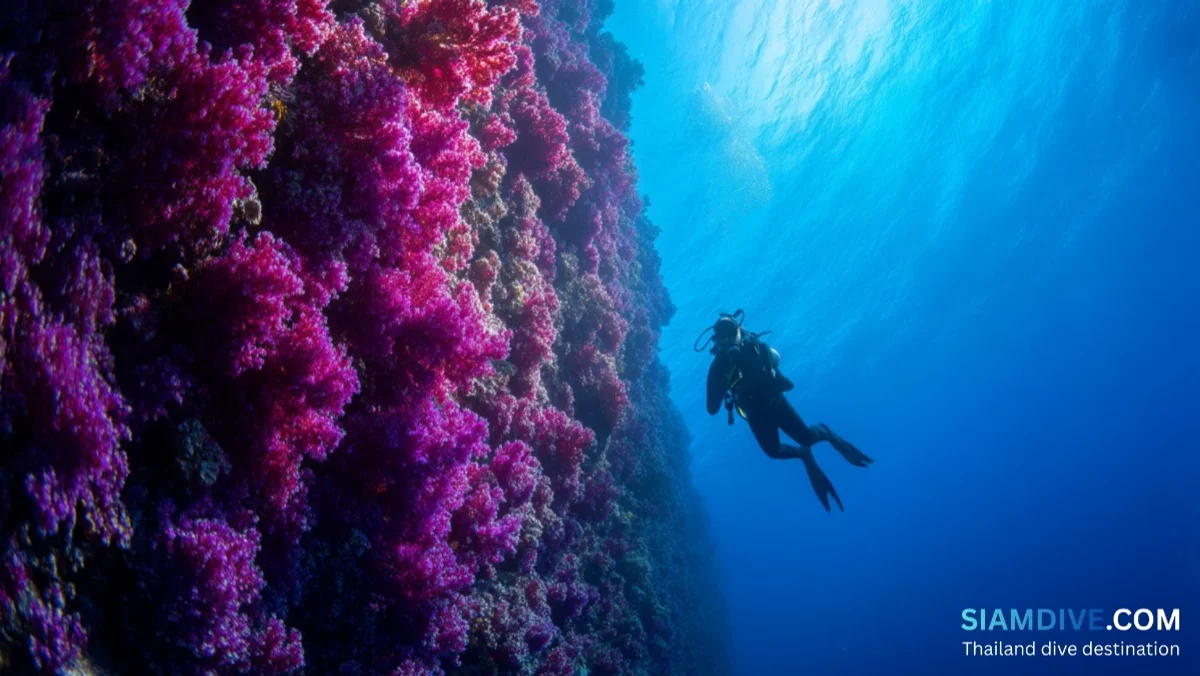
The invertebrate life is equally rich. Nudibranchs of a dozen species crawl across the reef modules. Sea fans and soft corals in purple, orange, and yellow have colonized every available surface. Anemones host clownfish on the shallower structures. Hawksbill turtles have been spotted feeding on the sponges growing on HTMS Kut. On good days at Samae San, you might see blacktip reef sharks cruising the deeper edges.
Best Time to Dive Pattaya's Artificial Reefs
The dry season from November through April gives the best conditions — visibility reaches 15–25 meters, seas are calm, and water temperature hovers around 28–30°C. This is when most operators run daily trips. The green season (May to October) brings reduced visibility (5–15 meters) and choppier surface conditions, but sites are less crowded and prices drop. Some divers actually prefer post-monsoon months because nutrient-rich water attracts more pelagic visitors. June through August can get rough with upwellings, so check forecasts on apps like Windy before booking.
How to Get There
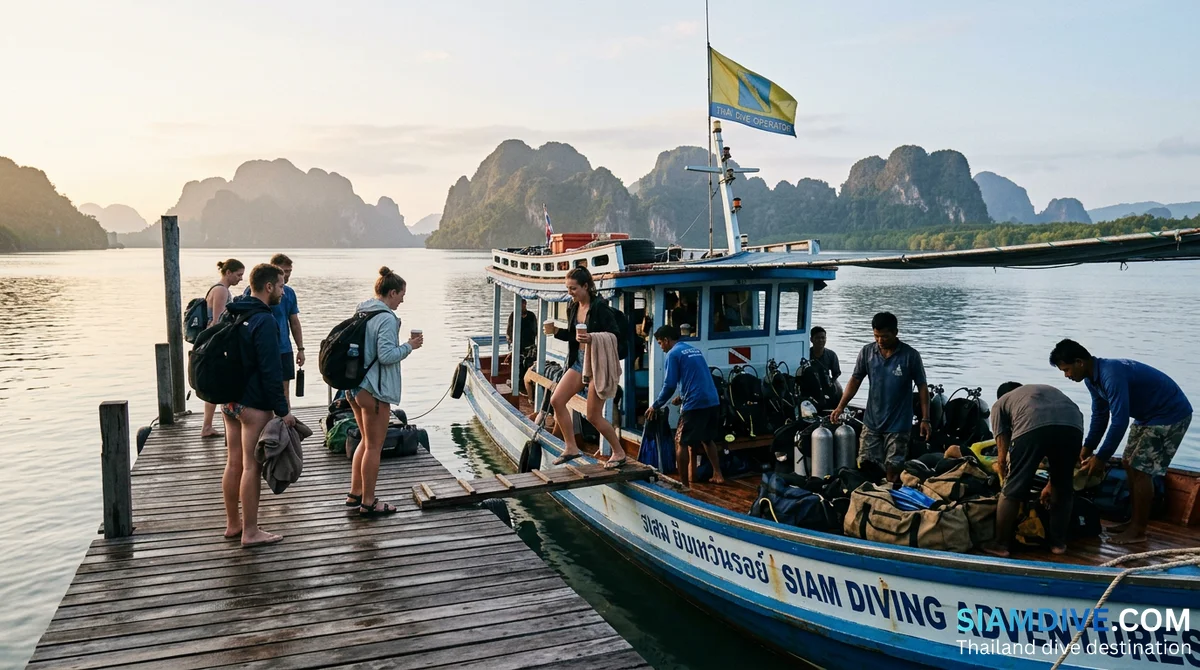
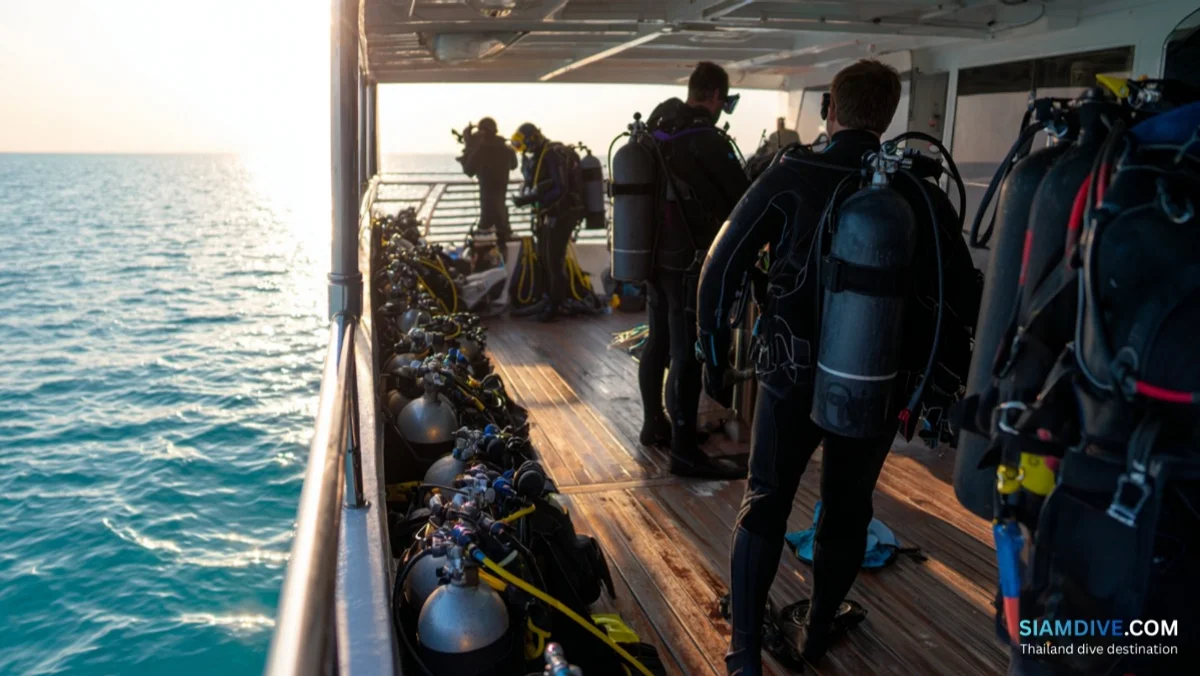
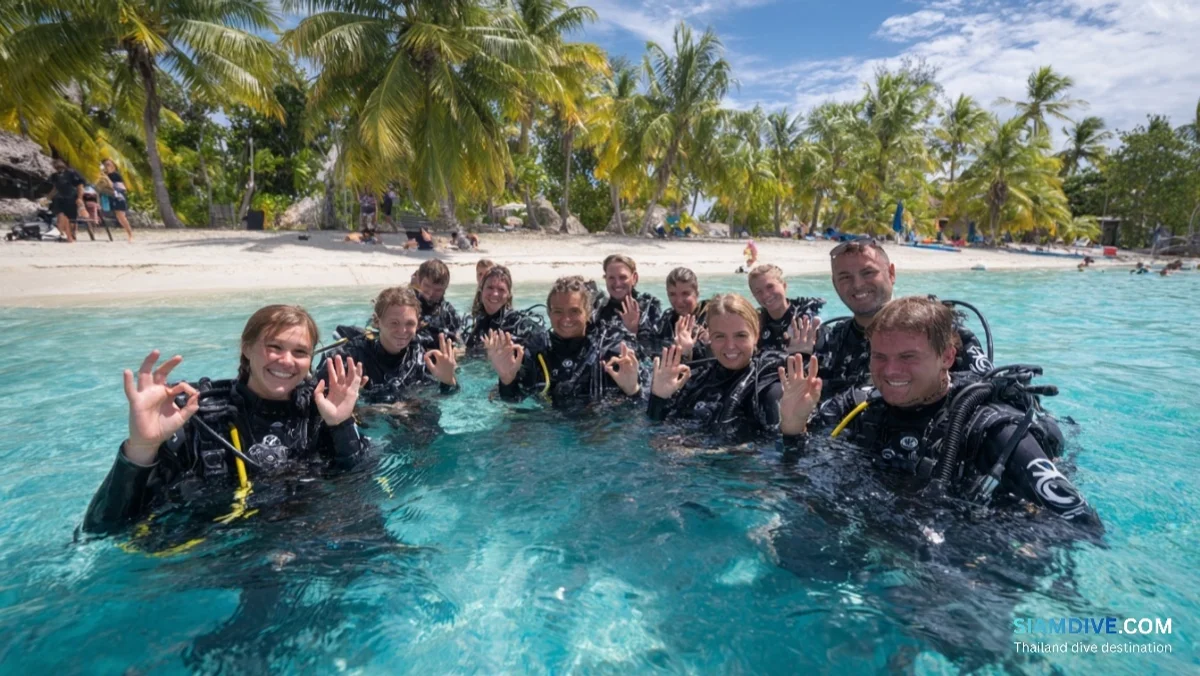
From Bangkok, drive south on Motorway 7 — it takes about 90 minutes to reach Pattaya without traffic. The closest airport is U-Tapao (UTP), about 45 minutes from the dive piers, though most people fly into Suvarnabhumi (BKK) and arrange a transfer. Dive boats leave from Bali Hai Pier in South Pattaya or from Jomtien Beach piers. The ride to HTMS Khram takes around 45 minutes by speedboat; nearer sites like Reef Ball City are 15–20 minutes out. Day trips typically run 8–10 hours and include 2–3 dives, gear, and lunch. Budget THB 2,500–5,000 per person depending on the operator and number of dives.
Practical Tips for Diving These Sites
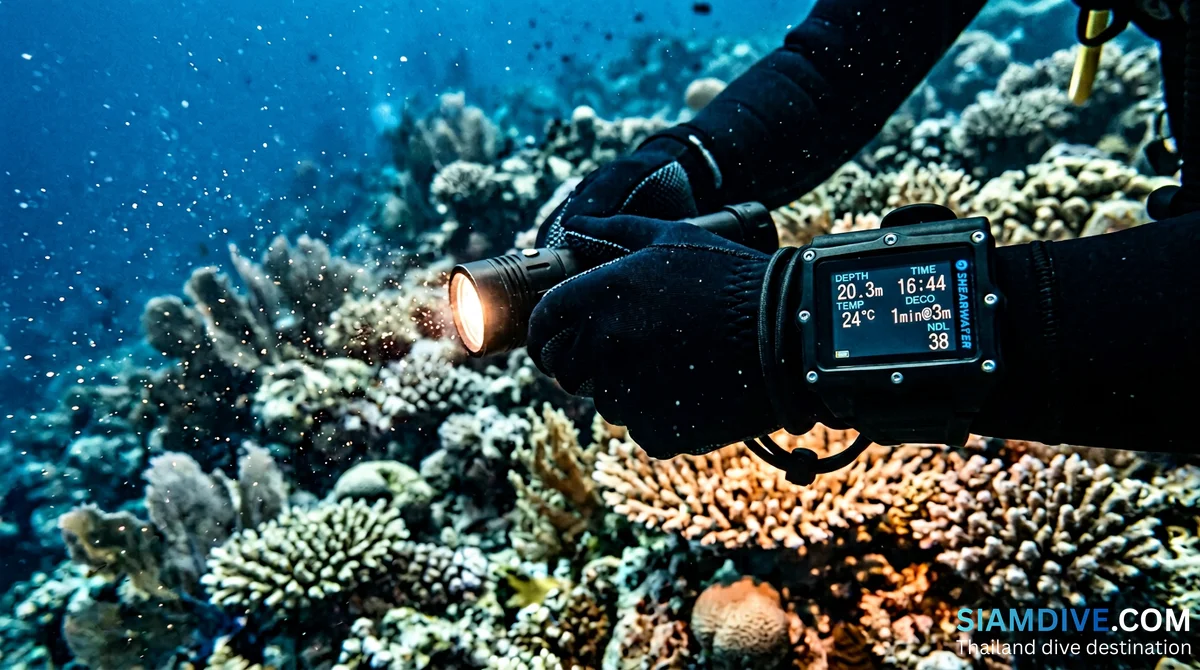
Advanced Open Water certification is strongly recommended for the deeper wrecks — HTMS Kut at 30 meters is no place for a newly certified diver. Reef Ball City and Jomtien Reef are fine for Open Water divers. Bring or rent a dive torch for wreck swim-throughs; the interiors are dark even at midday. Nitrox (EANx 32) is worth getting certified for if you plan multiple dives on the wrecks — it extends your bottom time significantly at 25+ meters.
Currents around Pattaya are generally mild, but Samae San Pinnacle can surprise you. Always carry an SMB and know how to deploy it. Operators in the area include Pattaya Dive Centre, Sea Bee Diving, and Dream Team Divers — all run reef cleanups alongside regular dive trips, so you can contribute while you dive. Respect the no-touch policy; fines for coral damage run up to THB 10,000.
Wrecks Today, Reefs Tomorrow
Pattaya's artificial reef program is one of the most successful marine restoration stories in Southeast Asia. The Royal Thai Navy has plans to scuttle five more vessels by 2027, and EU-funded coral propagation technology is expanding the nursery programs. Every dive on these sites directly supports the conservation effort — operators contribute to reef monitoring and maintenance. If you're based in Bangkok or passing through Pattaya, these wrecks-turned-reefs deserve a spot on your dive list. Check current conditions with local operators before you book, and bring a camera — the before-and-after transformation is worth documenting.