How to Actually Enjoy Scuba Diving: A Comfort & Confidence Guide
8 เมษายน 2569
Buoyancy, breathing, weighting, trim and the mental game — the practical skills that turn diving from a workout into a 60-minute float. No fluff.
Why So Many Divers Never Learn to Enjoy It
Plenty of certified divers quit after 10 dives because the experience felt like a workout instead of a vacation. They were burning through air in 25 minutes, fighting their gear, and surfacing exhausted. None of that was the ocean's fault — it was bad weighting, shallow breathing, and trying to film a turtle on dive #3 before they had basic buoyancy. Comfort underwater is a learnable skill stack, not a personality trait. Get the fundamentals right and a 60-minute dive feels like floating in a movie.
Buoyancy Is the Whole Game
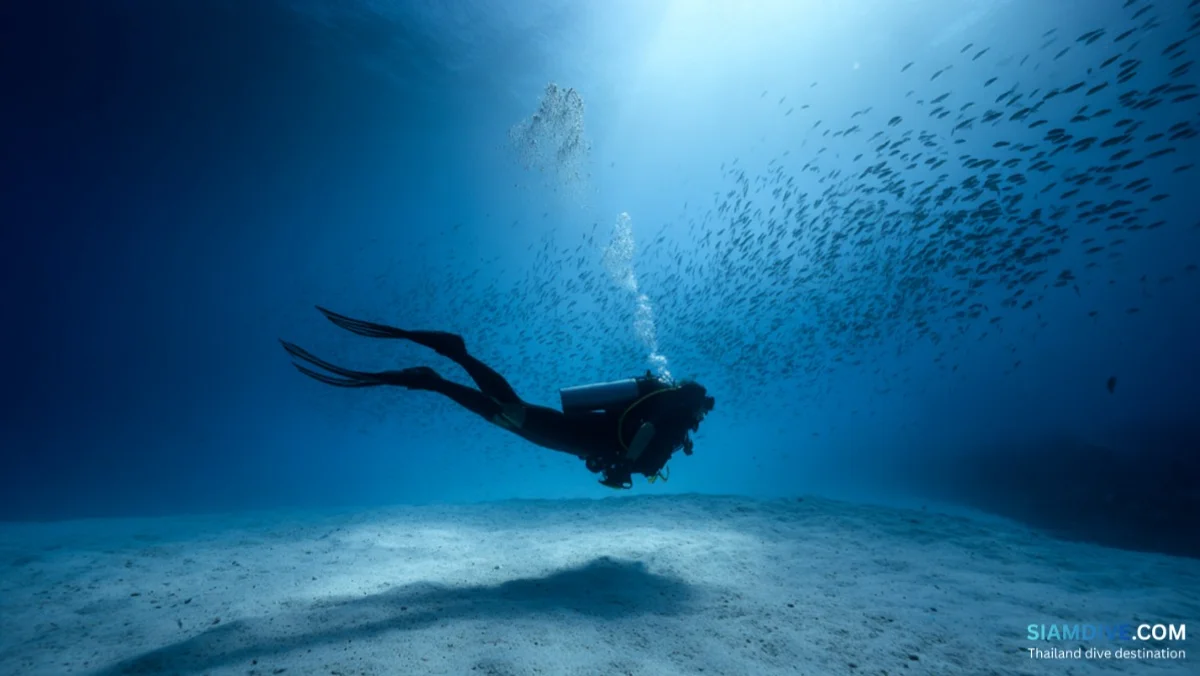
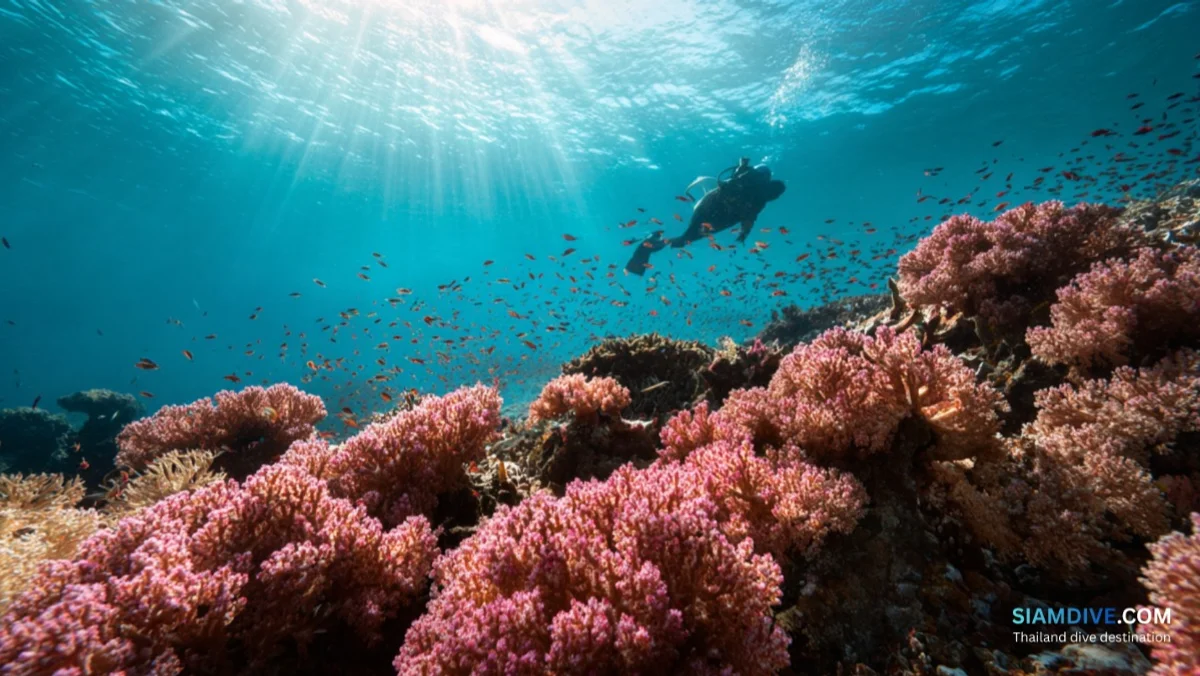
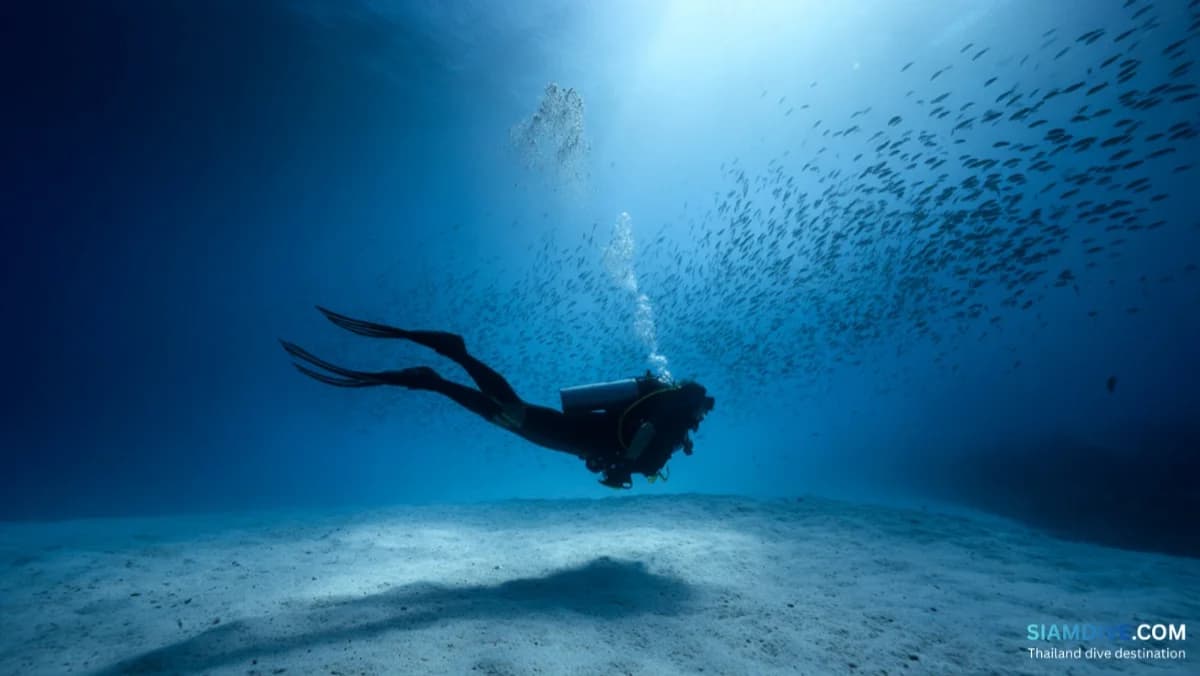
Neutral buoyancy is the difference between hovering effortlessly six inches off the reef and crashing into it like a bowling ball. Practice it deliberately:
- At 5 meters, stop kicking. Inhale slowly — you should rise. Exhale fully — you should sink. If you don't move at all, your weighting is right.
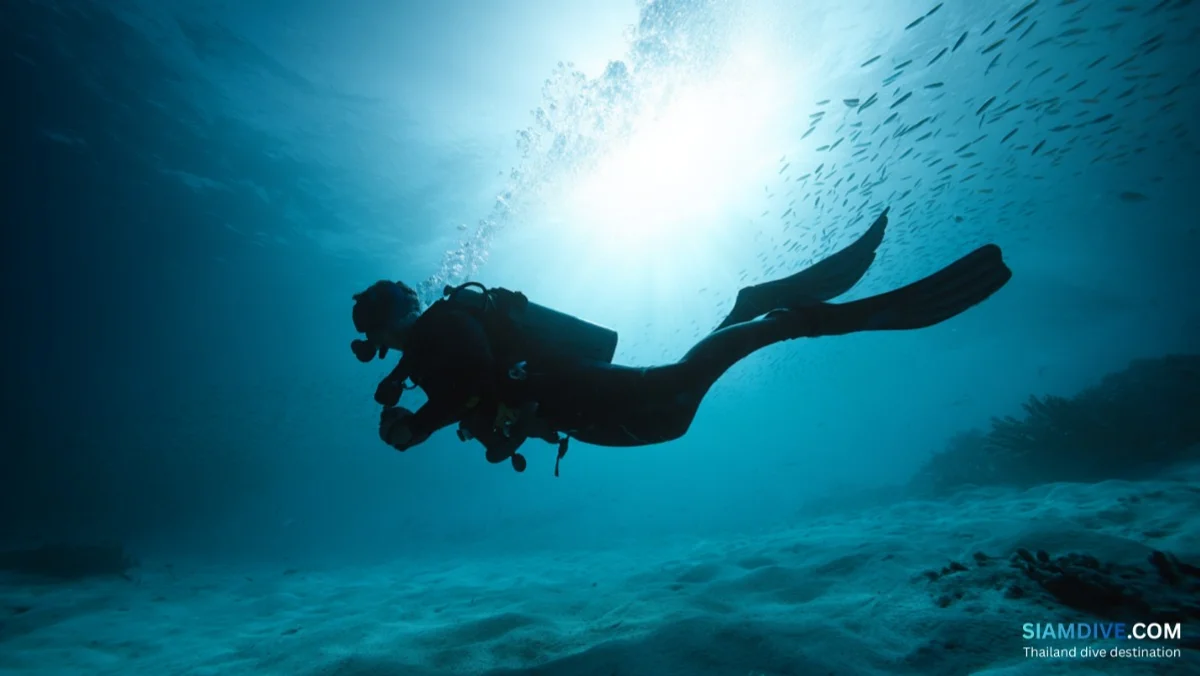
- Hover horizontally with your fins crossed and arms tucked. Hold for 60 seconds without using your hands or kicking. This is the test.
- Use tiny bursts of BCD inflation as you descend. Quarter-second taps, not big presses.
- Once neutral, stop touching the inflator. Your lungs become the fine adjustment.
Most divers rush past this skill. The ones who own it look like they belong underwater.
Breathing Like You Mean It
Surface breathing wastes air and triggers anxiety. The fix is so simple it sounds fake: breathe deeper, slower, longer. A 6-second inhale, a 1-second hold-by-position-not-by-effort, then an 8-second exhale watching your bubbles. That single change typically cuts your air consumption by 30 to 40 percent on the very next dive.
Think of your exhale as the slowest sigh of relief you can produce. Long bubbles = long dive. Short angry bubbles = short panicky dive. The science is boring: longer exhales clear more CO2, lower CO2 means less drive to breathe, which means smaller, calmer breaths in a positive loop.
Weighting and Trim Are Pure Physics
Wearing too much lead is the single biggest cause of bad first dives. Overweighted divers compensate by inflating their BCD, which adds drag, which makes them swim harder, which burns air, which means a 20-minute dive. Get a proper weight check on every trip:
- At the surface, full tank, regulator out, hold a normal breath. You should float at eye level.
- Exhale completely. You should sink slowly to ear level.
- Add 1–2 kg if you start the dive on a near-empty tank (end of trip).
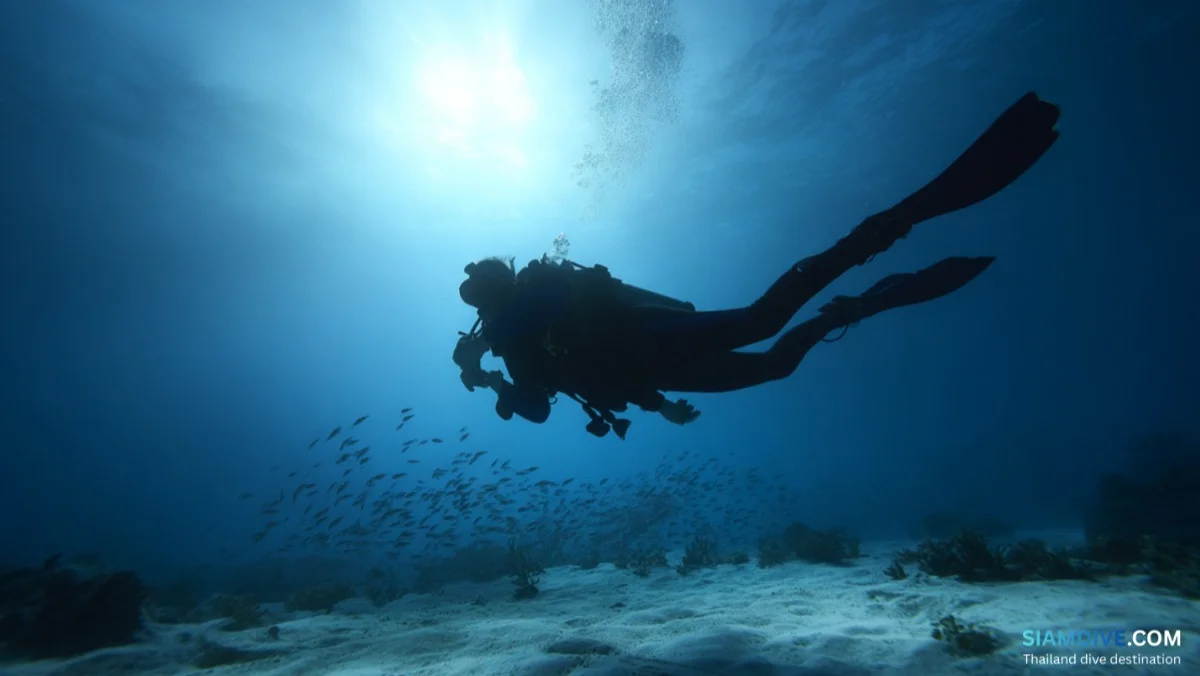
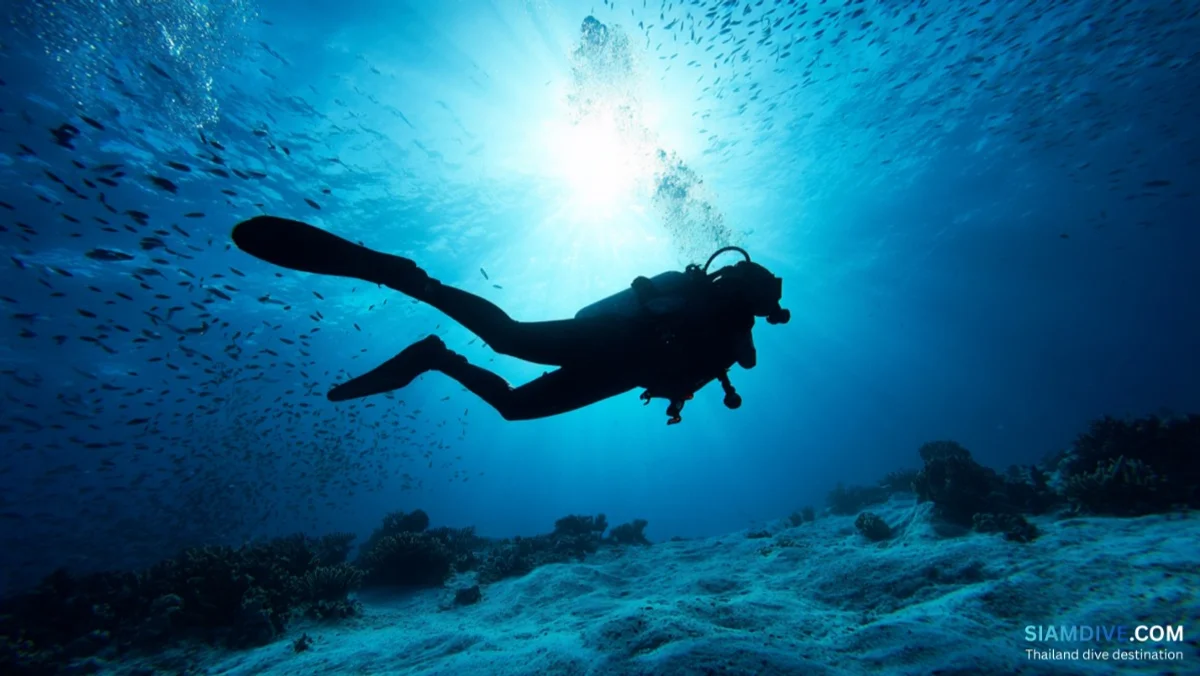
Trim is about distributing that weight so your body lies horizontal in the water. Move ankle weights, slide tank up or down the BCD, redistribute lead pouches. The goal is to look like Superman flying, not a seahorse standing up. Horizontal trim cuts drag in half. You will feel the difference instantly.
Finning the Smart Way
The flutter kick they taught you in Open Water is not the right kick for most reef dives. It stirs up silt, scares fish, and burns leg muscles fast. Learn the alternatives:
- Frog kick: like swimming breaststroke with your legs. Bend knees out, push the soles of your fins together, glide. Almost zero silt disturbance. Should become your default.
- Modified flutter: small movements from the knees, not the hips. Slow, steady, power on the down-stroke.
- Helicopter turn: rotate in place by sculling one fin forward and the other backward. Looks like magic the first time you see it.
- Backwards kick: the secret weapon. Lets you reverse out of a swim-through without flipping around.
Practice these on every dive and your air consumption drops, your photos get sharper, and you stop kicking the photographer behind you.
The Mental Game
About a third of divers report some kind of low-grade anxiety on the first few minutes of a dive. The body interprets cold water on the face plus pressure plus a regulator as something to panic about. Use this routine to short-circuit it:
- On the descent line, pause at 3 meters. Breathe four slow rounds. Look at your buddy. Look at the surface. Look at your gauge.
- If you feel tight, equalize gently and exhale a long bubble. The act of producing a long bubble forces your nervous system to switch off the stress response.
- Pick one thing to focus on for the first minute — your buddy's bubbles, the texture of the sand, a single fish. Specificity beats anxiety.
The divers who say "I was always a natural" usually mean they never let the first 60 seconds spiral. That's all the trick is.
Dive Within Your Bubble
Your "bubble" is the depth, current, and visibility you can handle while still enjoying yourself. Stretch it slowly. A diver with 30 logged dives in 10-meter Caribbean reefs is not yet ready for a 35-meter wreck in current. That is not insulting — it is physics. Force the upgrade and the whole dive becomes a survival exercise instead of a vacation. Add one new variable per trip: a slightly deeper site, slightly stronger current, slightly bigger animal. Build the comfort zone, don't blow past it.
Hydrate the day before. Sleep 8 hours. Skip the booze the night prior. Eat a real breakfast. None of this is glamorous advice, but every dive operator on the planet will tell you the same thing because it works.
Practical Tips for Every Dive
- Defog your mask with baby shampoo or saliva before EVERY dive. A foggy mask ends the fun in 5 minutes.
- Set up your own gear. Knowing where your octopus is means never panicking when you need it.
- Skip the camera for your first 20 dives. Task loading is the enemy of comfort.
- Wear a 5mm wetsuit if water is below 27°C — being cold ruins everything.
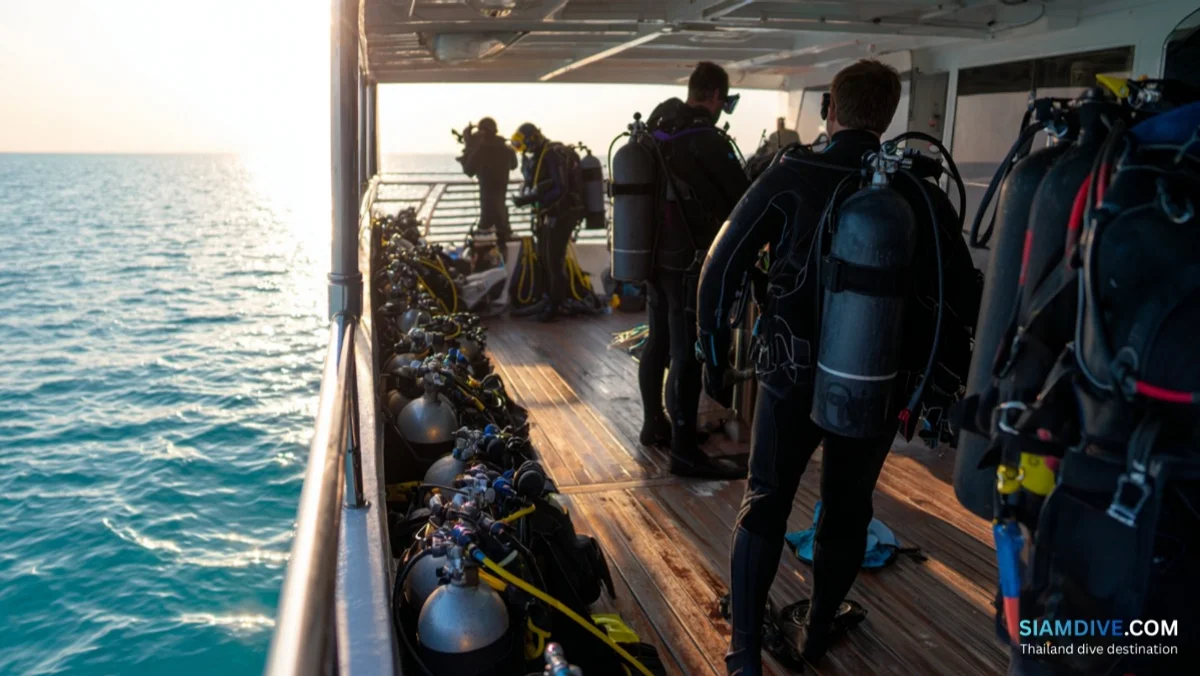
- Take seasickness tablets before boarding, not when you start feeling green. Test them on land first.
- Pee before you suit up. The dive will go from "magical" to "I should have peed" in 10 minutes flat.
- Tell your guide if you are nervous. Good guides will stick to you and adjust the profile.
Where to Build These Skills in Thailand
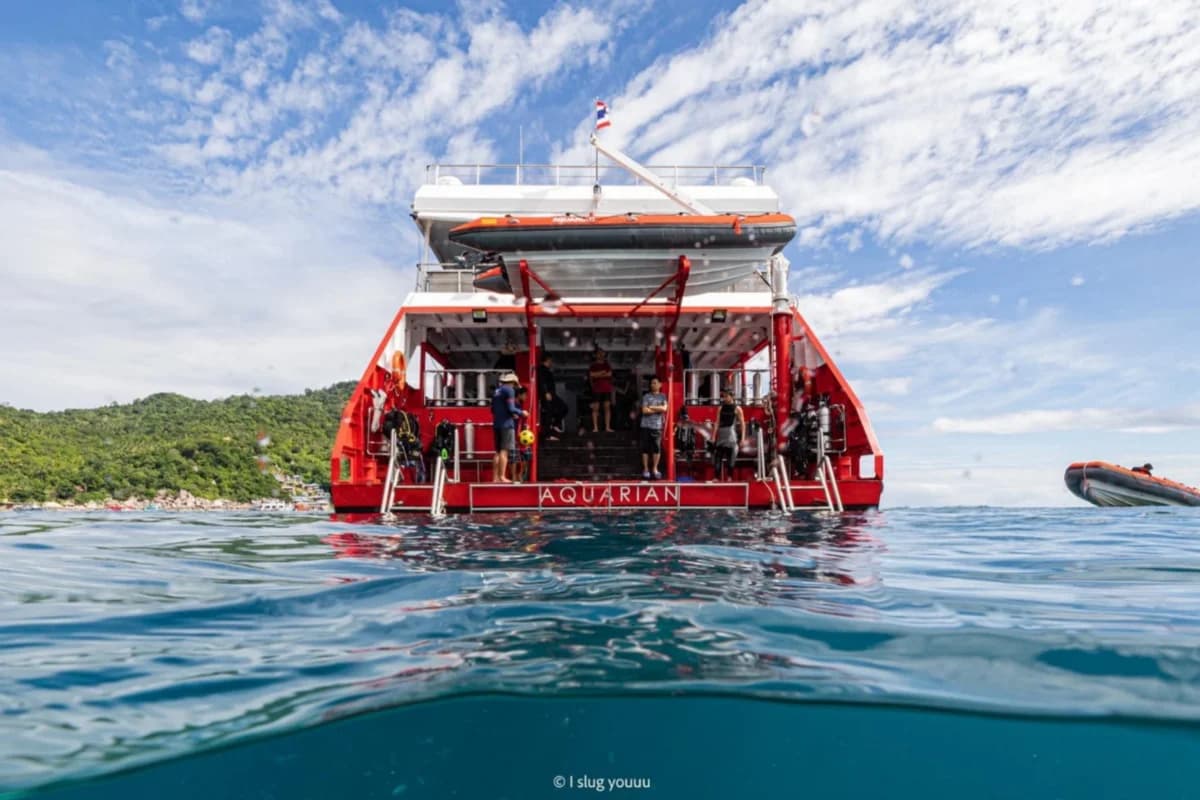
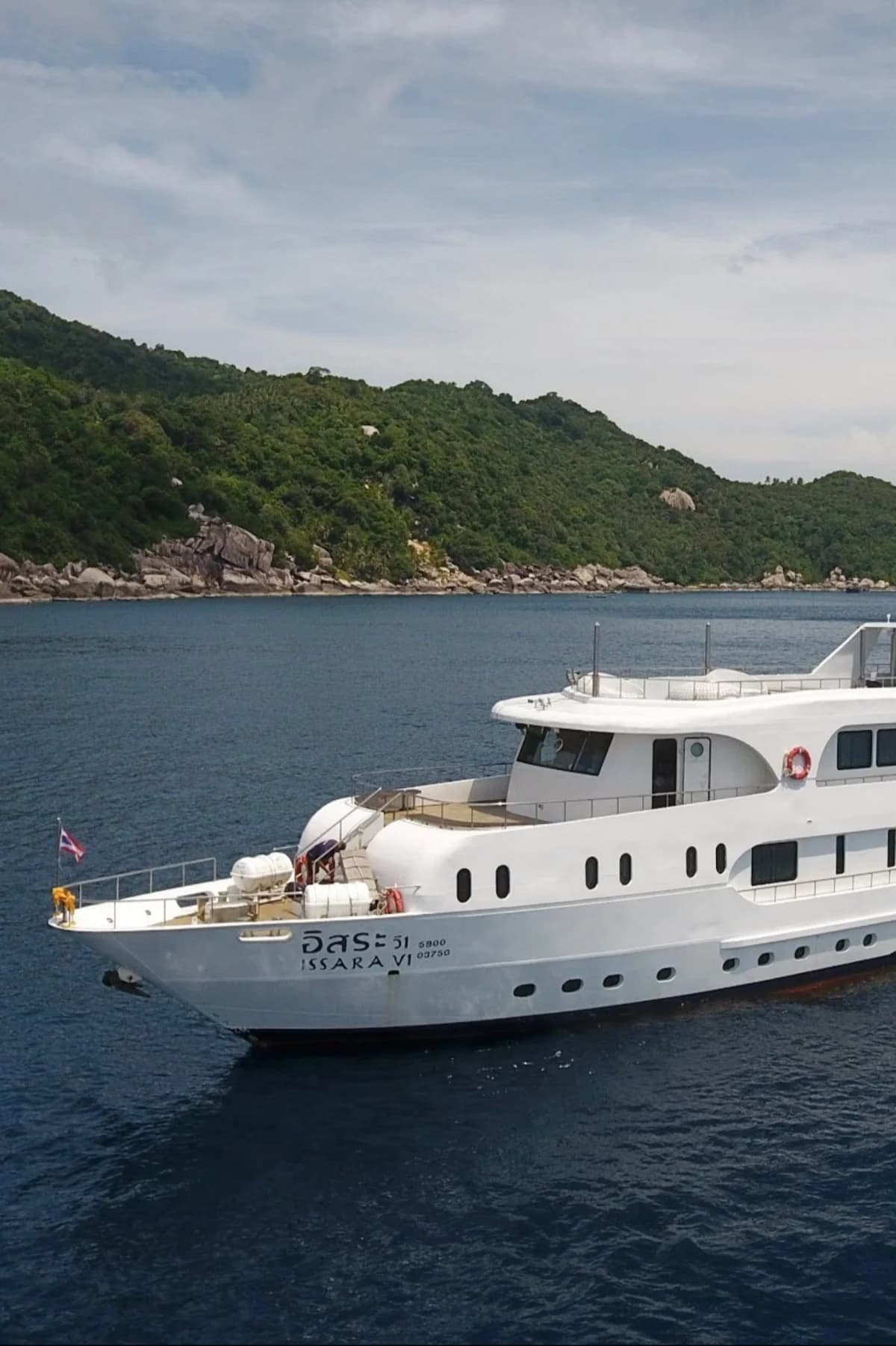
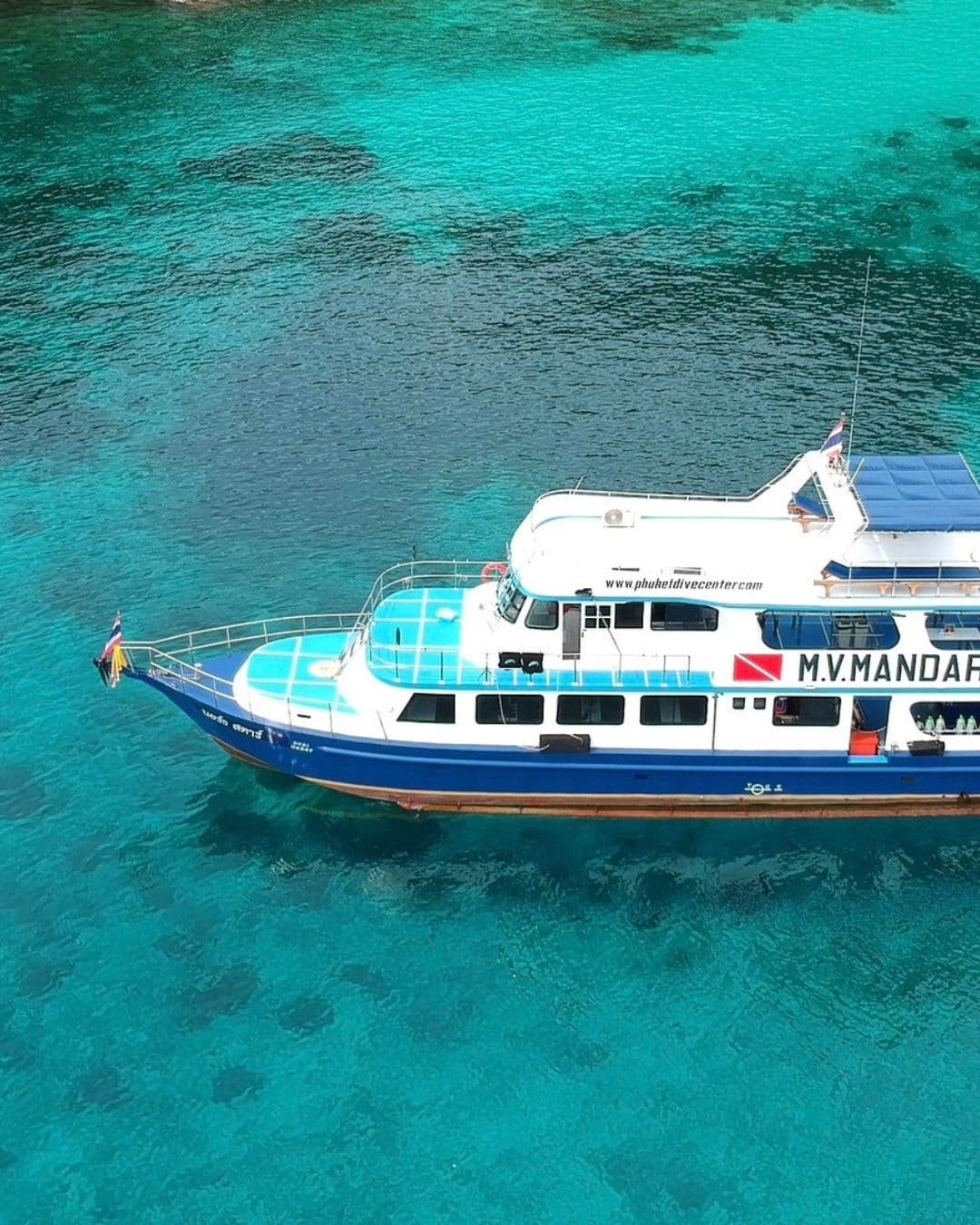
Thailand is the cheapest place on earth to log a lot of dives quickly, which is exactly what you need to internalize comfort. Koh Tao still produces more new divers than any other island — small group ratios and house reefs make it ideal for repetition. Phuket day trips give you experienced guides and three dives per day so you can compare conditions back-to-back. Khao Lak liveaboards put you on 3–4 dives per day for a week, which is the fastest comfort accelerator that exists. SiamDive curates trips where the group sizes stay small, the briefings are real, and the guides care if you are enjoying yourself. Find your next trip on siamdive.com and turn diving from work into joy.