Scuba Diving Safety: A Beginner's Guide to Diving Safe & Smart
8 เมษายน 2569
The five-minute pre-dive check, three golden rules, buddy system and emergency drills every diver must know. Real safety advice without the fluff.
Why Safety Comes Before Everything Else
Scuba diving is statistically safer than driving to the dive shop, but the ocean does not forgive shortcuts. Most accidents you read about are not freak waves or shark attacks — they are missed buddy checks, holding your breath on ascent, or a regulator that nobody bothered to test. The good news: every one of those is preventable in under five minutes. This is the short version of what your instructor wants you to actually remember.
The Pre-Dive Check (BWRAF)
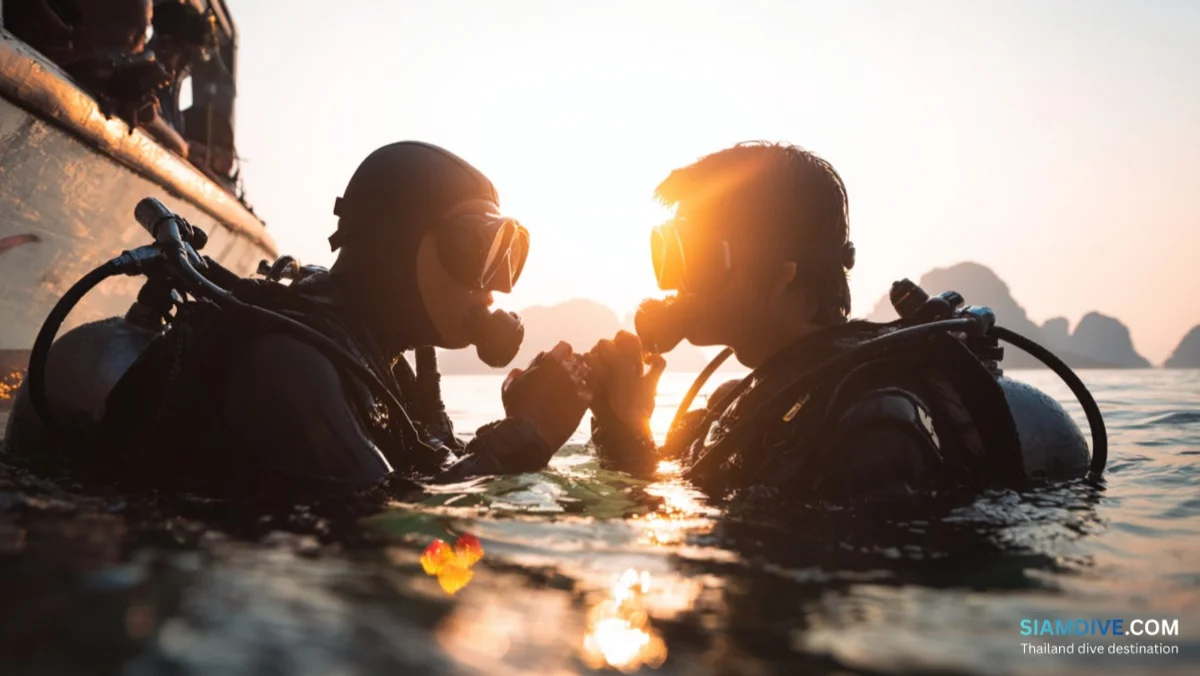
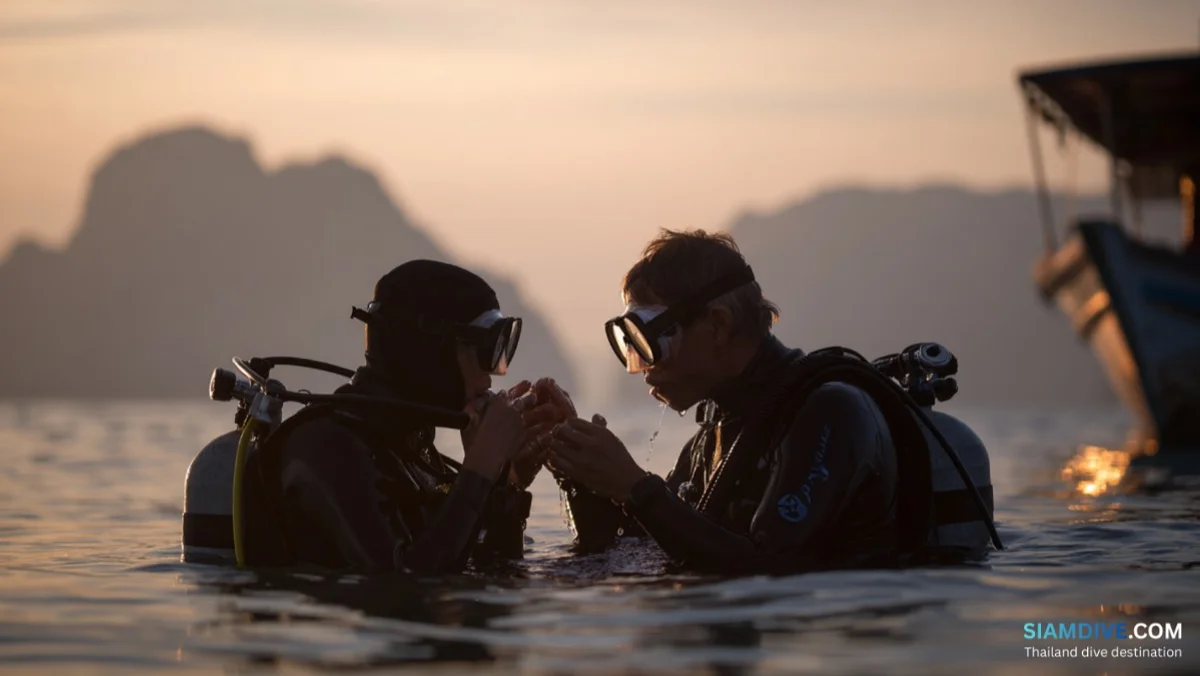
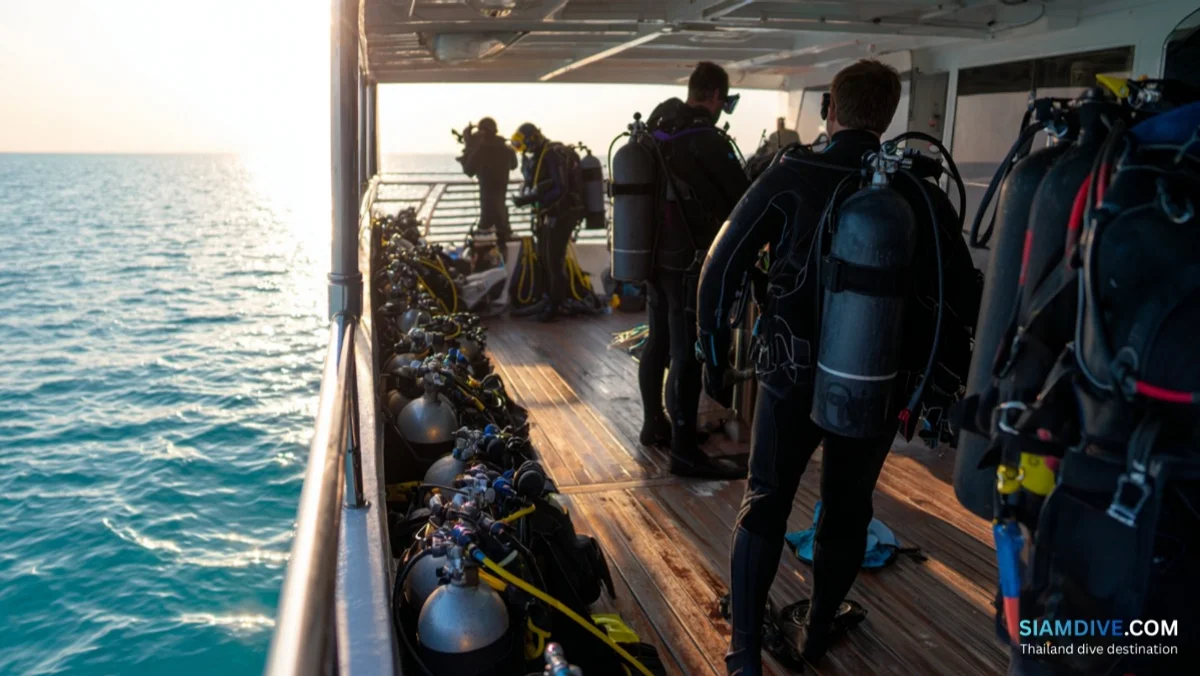
Run a BWRAF check on yourself and your buddy before you ever splash in. It takes 60 seconds and catches the things that get people killed.
- B — Buoyancy: inflate and deflate the BCD. Both buttons must work.
- W — Weights: belt or integrated pouches secure, quick-release accessible.
- R — Releases: chest, waist, shoulders. Touch each one so you know where it is in the dark.
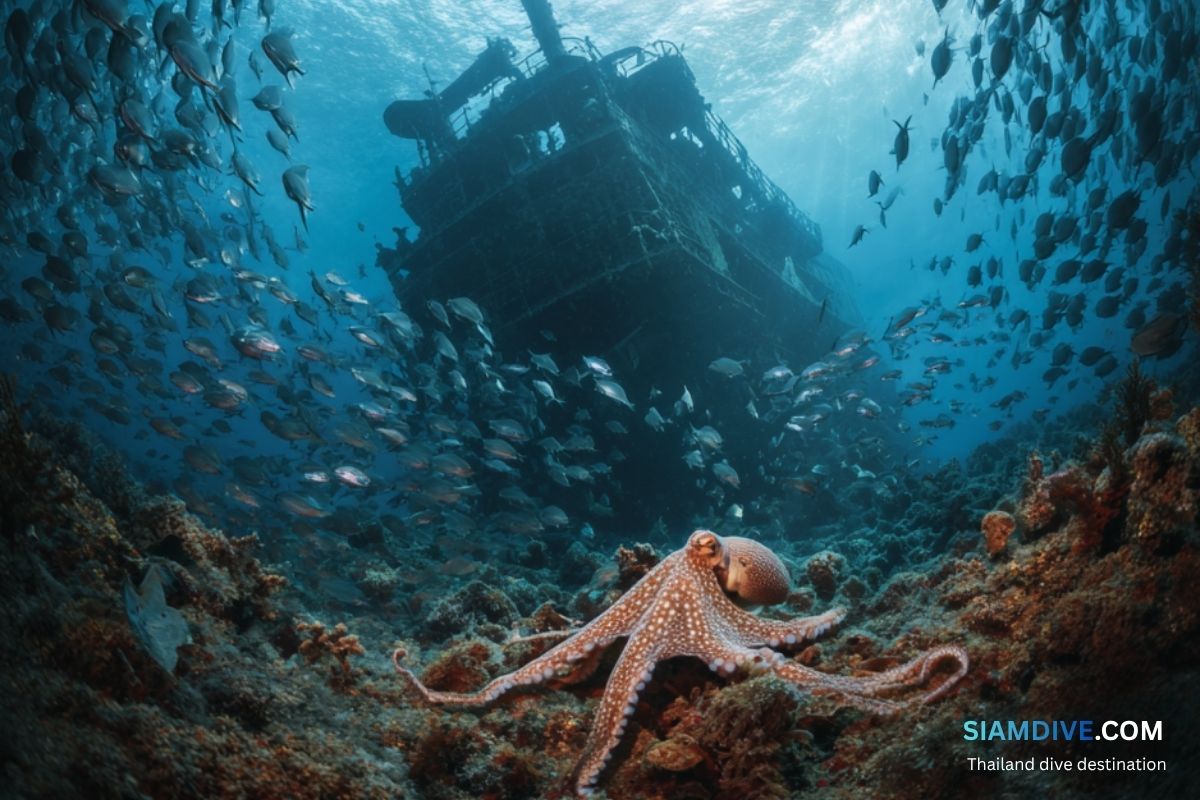
- A — Air: tank valve fully open, gauge reads at least 200 bar / 3000 psi, breathe twice from the primary AND the octopus.
- F — Final OK: mask, fins, computer on, signal "OK" to your buddy.
Skip BWRAF and you are gambling with someone else's life as well as yours.
The Three Golden Rules
Three rules account for almost every preventable diving fatality. Burn them into your head:
- Never hold your breath. Air in your lungs expands as you go up. Hold it and your alveoli rupture — that is an arterial gas embolism, and it can kill you in two minutes. Breathe slowly, continuously, no exceptions.
- Equalize early and often. Pinch your nose and gently blow every meter on descent. If your ear hurts, stop and ascend a meter. Push through the pain and you tear an eardrum.
- Ascend slowly — 9 meters per minute, max. Your dive computer will yell at you if you exceed it. Add a 3-minute safety stop at 5 meters on every dive, even shallow ones. Slow ascents let nitrogen leave your blood the way nature intended.
The Buddy System Is Not Optional
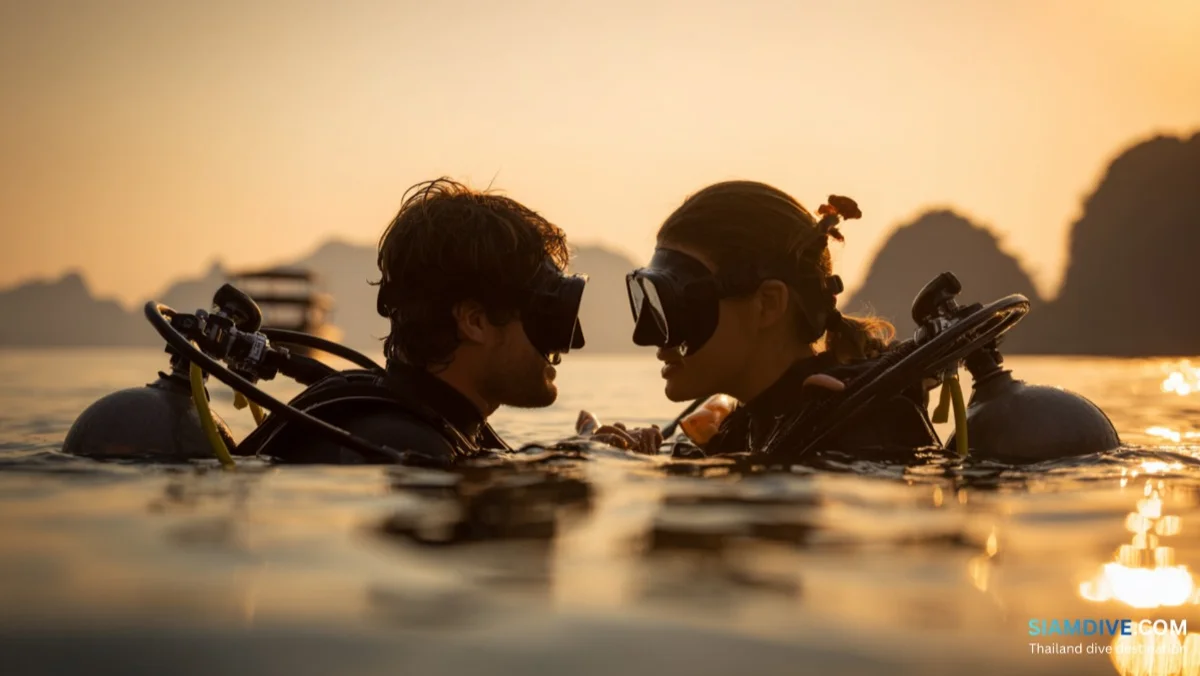
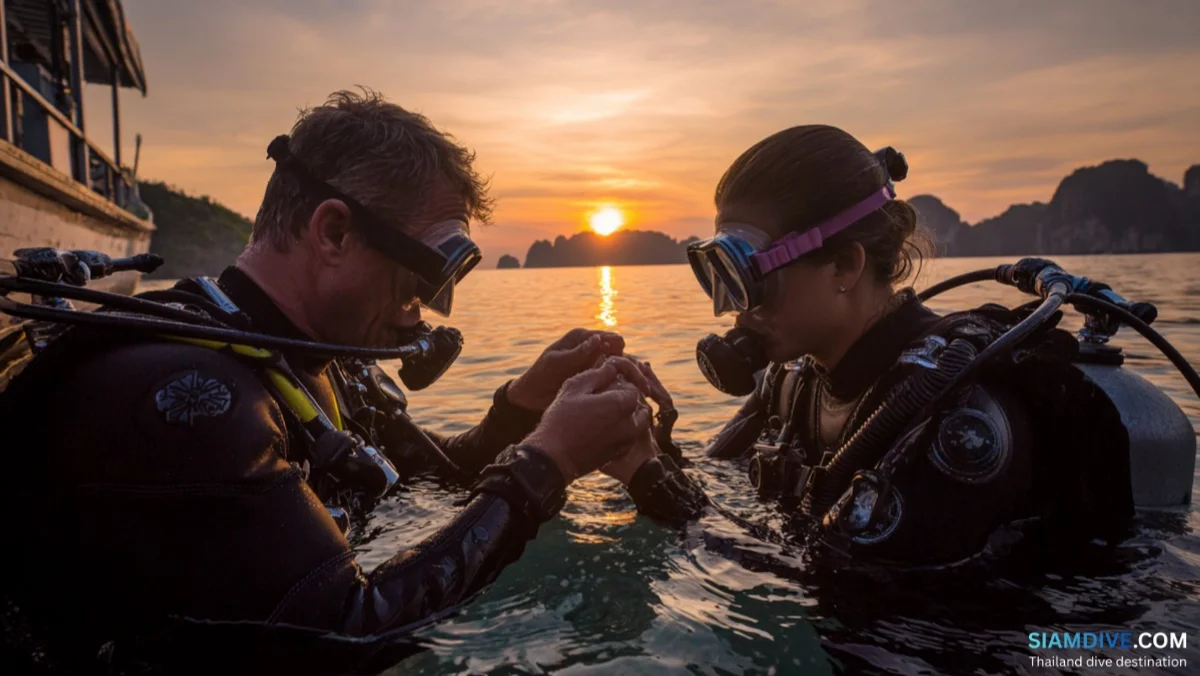
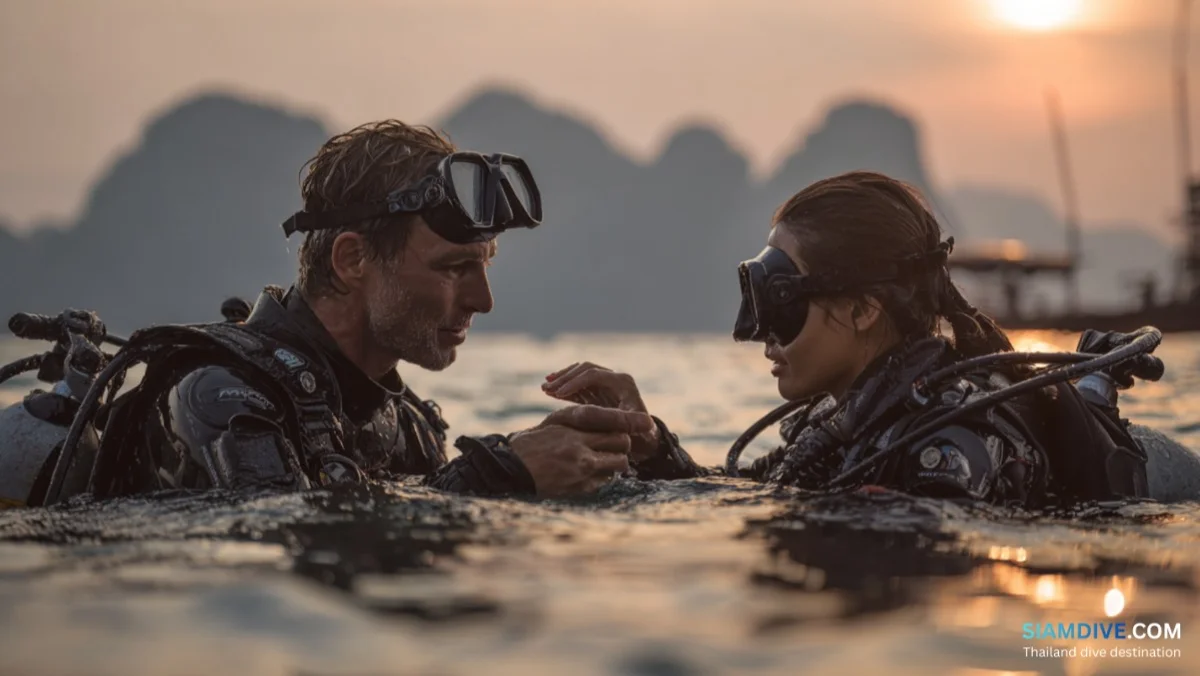
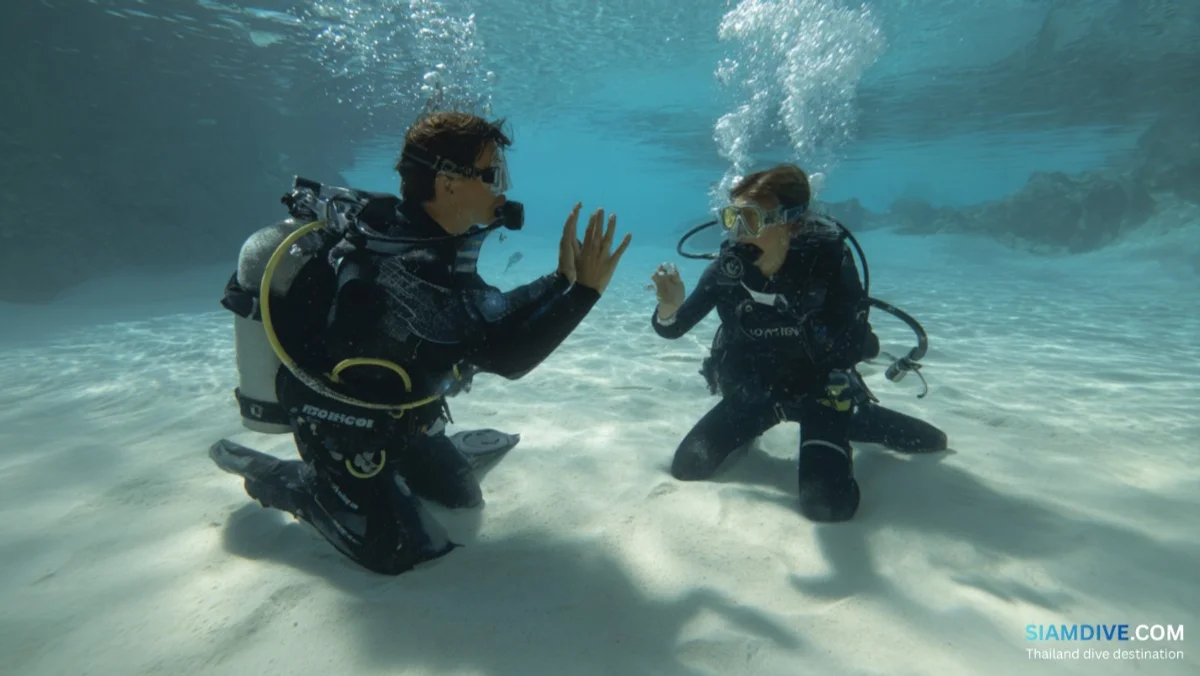
Your buddy is your backup brain, backup air supply, and backup hands. Stay within touching distance — not "I can see them across the reef" distance. Check each other's air every five minutes by signaling. Agree before the dive who leads, what you do if you get separated (one minute looking, then surface), and which signals you use. The single most common cause of dive incidents is buddy separation followed by panic. Don't be that statistic.
Recognizing Trouble Early
Most dive emergencies start small and escalate because nobody acted. Learn the signs:
- Decompression sickness (the bends): joint pain, fatigue, dizziness, skin rash, numbness, confusion. Onset can be 30 minutes to 24 hours after surfacing. Get on 100% oxygen and call DAN immediately.
- Nitrogen narcosis: below 30 meters you may feel drunk, slow, or overconfident. The fix is free: ascend a few meters and it disappears.
- Panic: rapid breathing, wide eyes, frozen movements. Stop your buddy, get eye contact, mime slow breathing together until they regulate.
- Out of air: the universal "cut throat" signal. Switch to the buddy's octopus, hold their BCD, ascend together at 9 m/min.
Emergency Procedures Worth Practicing
Skills get rusty fast. Every 10 dives, run through these in shallow water:
- Mask removal and replacement at depth — practice until you can do it with eyes closed.
- Regulator recovery — sweep your right arm back, find the hose, replace and clear.
- Air-share ascent — both divers, octopus, slow controlled rise.
- BCD oral inflation — when the inflator button fails, blow air in by mouth.
- Cramp release — straighten the leg, pull the fin tip toward you.
If something goes seriously wrong on a real dive, the rule is: Stop. Think. Breathe. Act. In that order. Panicking divers die. Calm divers go home.
Mistakes Real Divers Actually Make
None of these are exotic — they are the everyday slips that hurt people:
- Diving hungover, exhausted, or dehydrated. Your body cannot off-gas nitrogen properly.
- Skipping the buddy check because "we're in a hurry."
- Going below your training depth. An Open Water cert is 18 m. 30 m is Advanced. Stay in your lane.
- Flying within 18 hours of a single dive (24 hours for multi-day trips). The pressurized cabin still bubbles your blood.
- Trusting rental gear without testing it twice on land.
- Ignoring an ear that won't equalize. One torn drum ends your trip.
Diving Safe in Thailand
Thailand has world-class diving, world-class operators, and unfortunately some cowboys. Pick a shop that runs a written briefing, mandatory BWRAF, max group size of 4 per guide, and carries oxygen on the boat. You can find PADI 5-star centers in Phuket, Koh Tao, Khao Lak, and Pattaya. The hyperbaric chamber for the Andaman side is at Wachira Phuket Hospital — keep that number on your phone before any dive trip. SiamDive lists vetted operators with safety standards, group ratios, and equipment quality so you do not need to guess. Browse trusted dive trips on siamdive.com and start your next dive on the right foot.