White Rock Koh Tao Diving Guide: The Island's Best Night Dive
11 เมษายน 2569
White Rock (Hin Khao) is Koh Tao's most-used dive site for a reason. Staghorn gardens, turtles, and the island's top night dive — here's how to dive it.
The Dive Site That Trains Half of Koh Tao
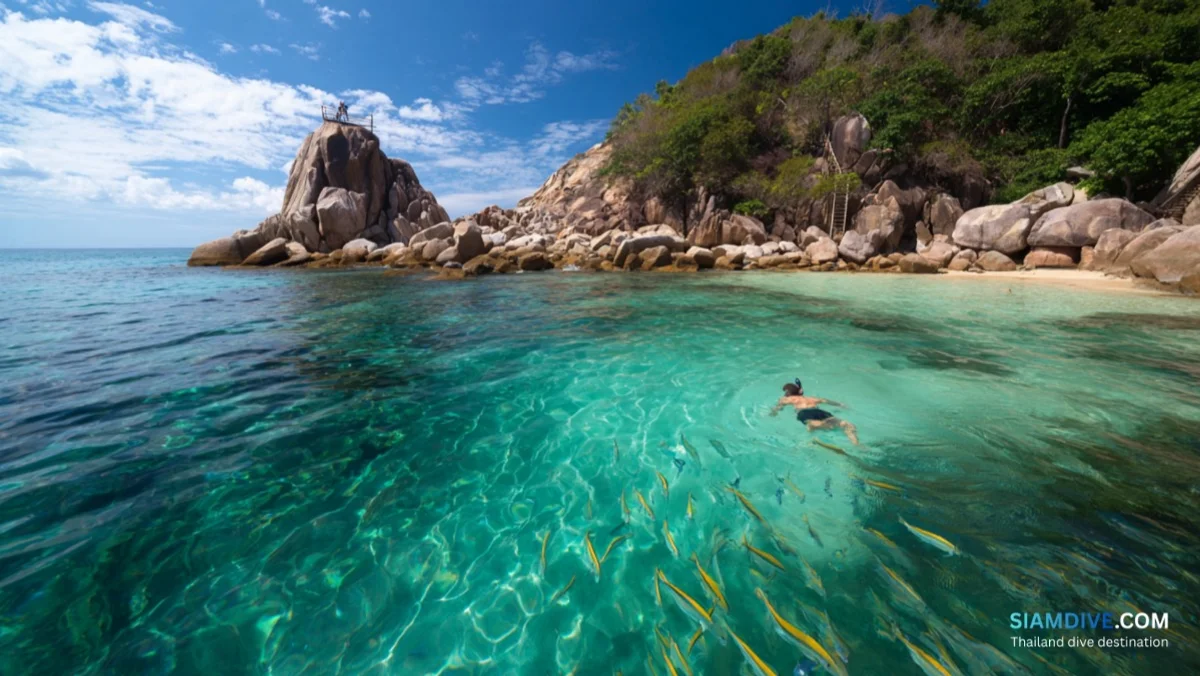
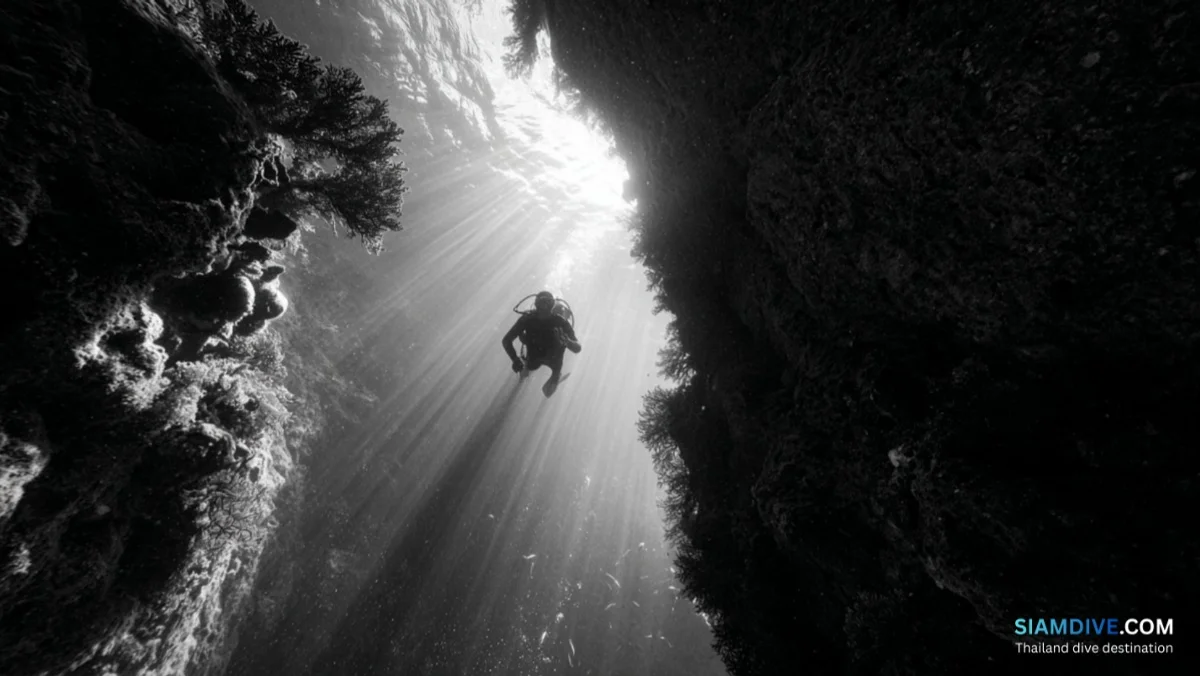
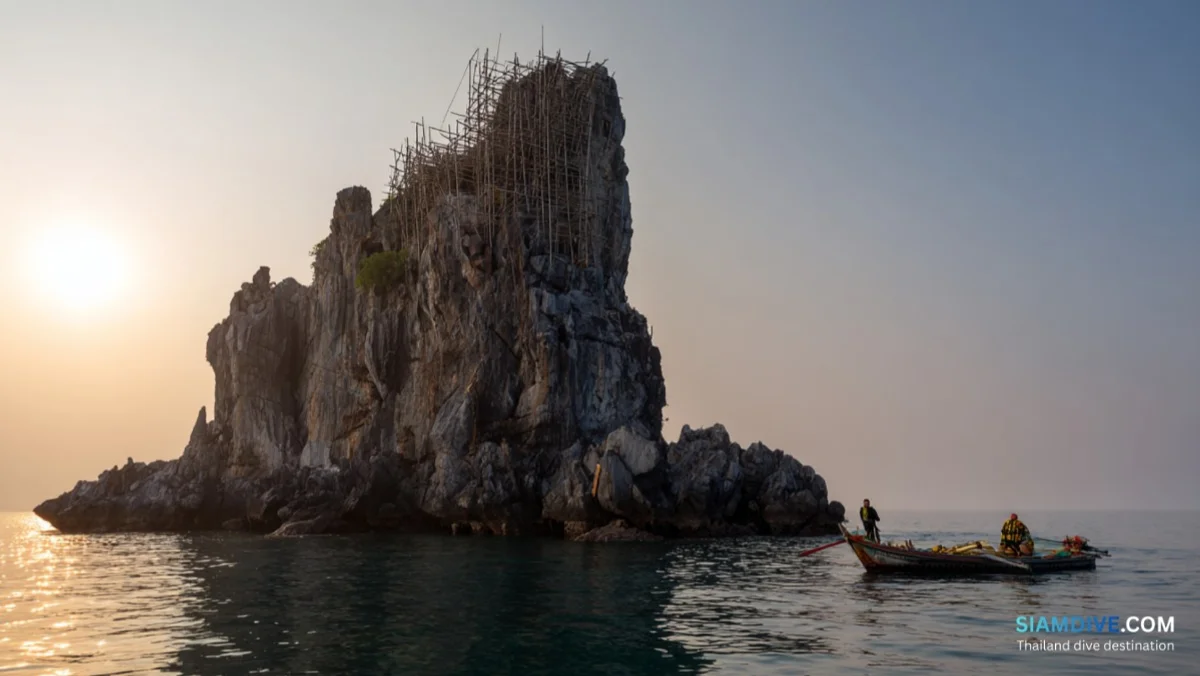
White Rock — Hin Khao in Thai — sits two kilometers off the west coast of Koh Tao, just north of Sairee Beach. The boat ride from Mae Haad pier takes 10 to 20 minutes depending on conditions. Two granite pinnacles rise from a sandy bottom at 26 meters up to within 2 meters of the surface. A shallow staghorn coral garden at 9 meters connects the two pinnacles. The site's white granite cap near the surface is where it gets its name, and it is the single busiest dive site on Koh Tao for a reason.
If you have ever done an Open Water course on the island, there is a very high chance you logged at least one dive here. White Rock is where most Koh Tao instructors take their students for the fun dives that follow certification. It is also the island's top night dive. What makes it worth writing about is not the training crowds — it is the fact that despite being packed during the day, the reef is in good shape and the fish life is better than most training sites have any right to be.
Why White Rock Is a Must-Visit for Divers
White Rock covers almost every level of diver in a single site. Shallow zones at 9 meters for beginners and photographers. Deeper sections at 20-26 meters for advanced divers who want to drop off the southern side of the pinnacle. Calm water year-round because the granite structure shelters the site from most currents. Flat seas on the boat ride. And a night dive that Koh Tao instructors will tell you is the best on the island without hesitation.
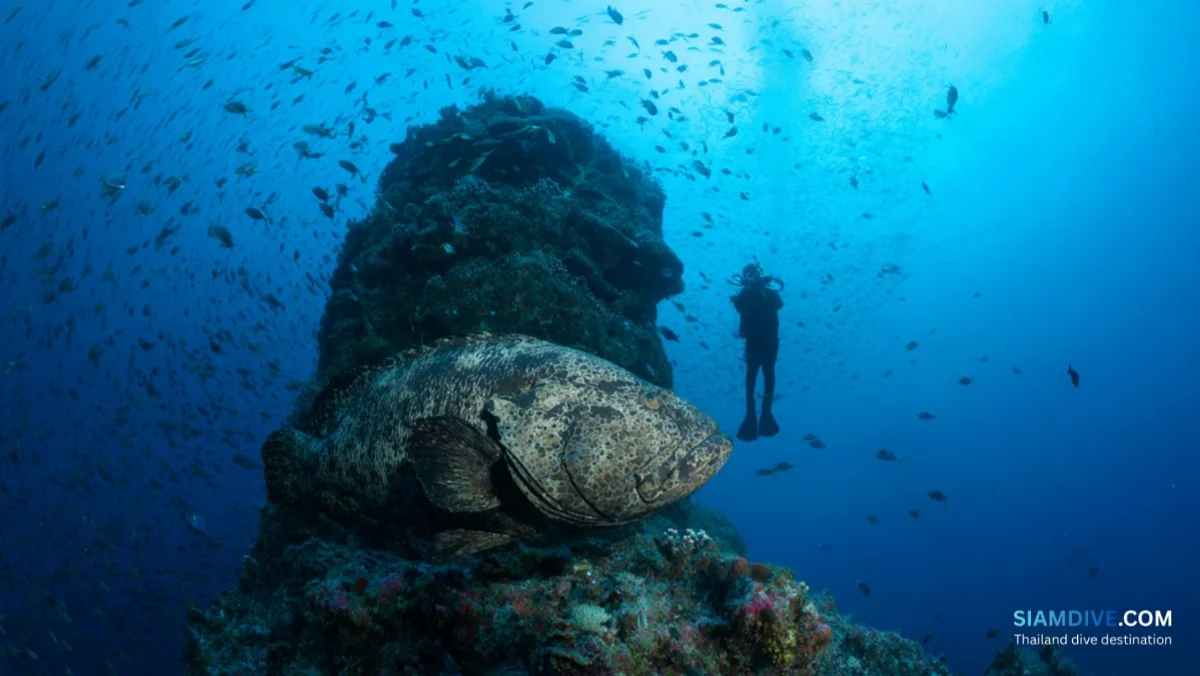
The variety matters. You can bring a freshly certified Open Water diver and a 500-dive divemaster on the same boat and everyone leaves happy. Beginners practice buoyancy in the coral garden. Photographers shoot the staghorn field in the shallows. Advanced divers look for mola mola on the deeper south side. Night divers watch barracuda hunt sleeping parrotfish under torchlight. Very few sites on Koh Tao do all of this without switching locations.
Best Dive Routes at White Rock
Most guides structure the dive around two pinnacles connected by a coral garden. Here is how each section typically fits into a 40-45 minute profile.
- The northern pinnacle top (2-9 m): The shallowest part of the site. The white granite cap sits less than 2 meters from the surface. This is where you start the dive, end the safety stop, and come back for the best light.
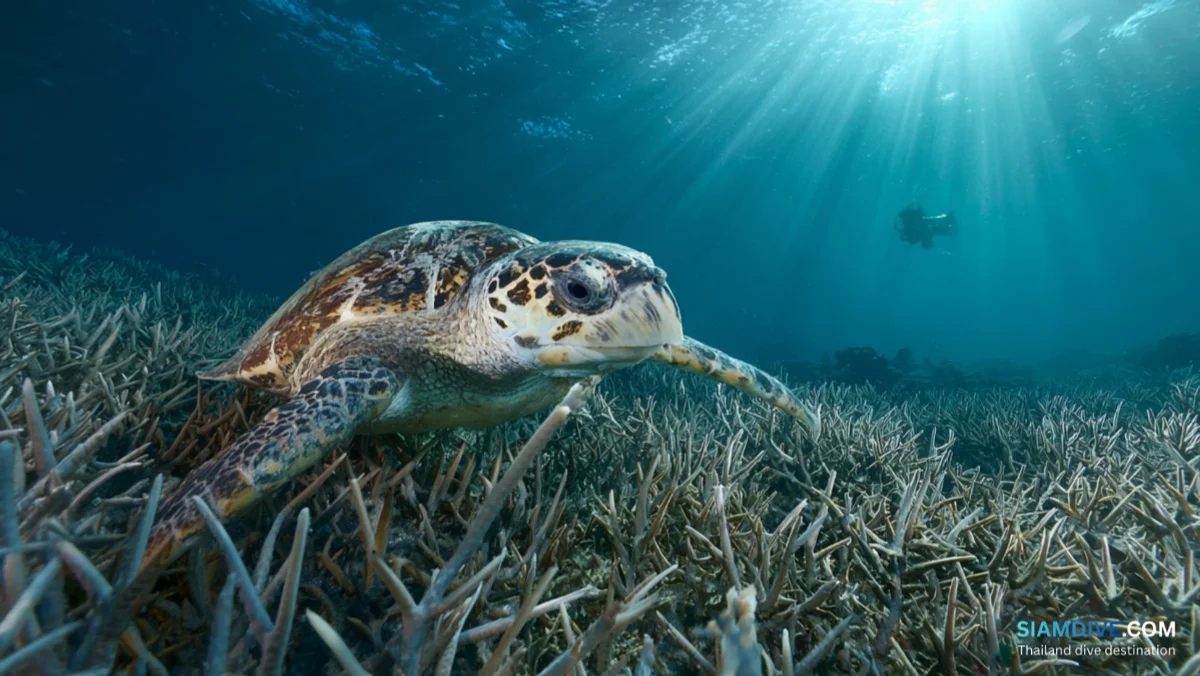
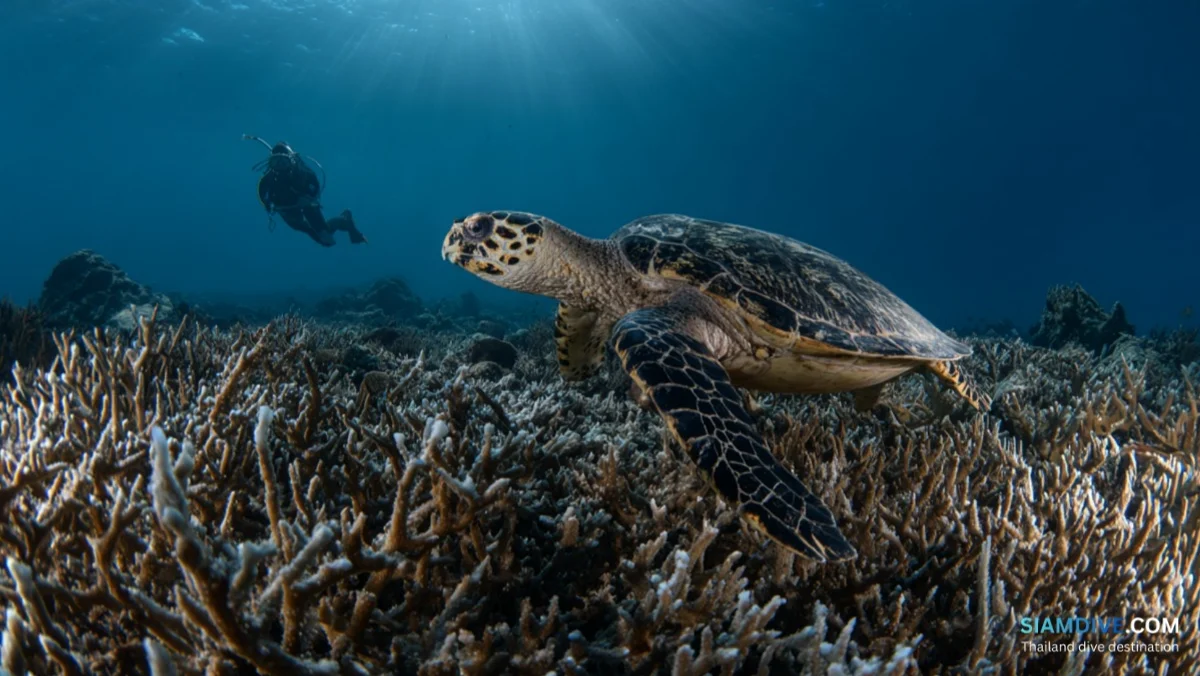
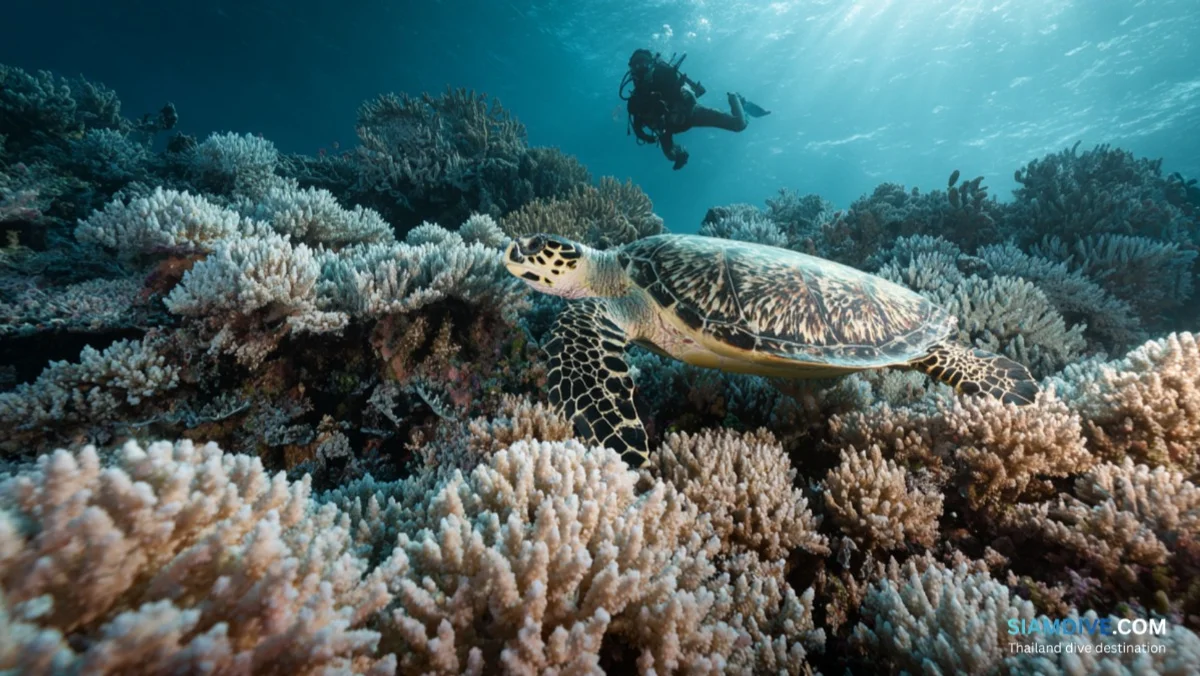
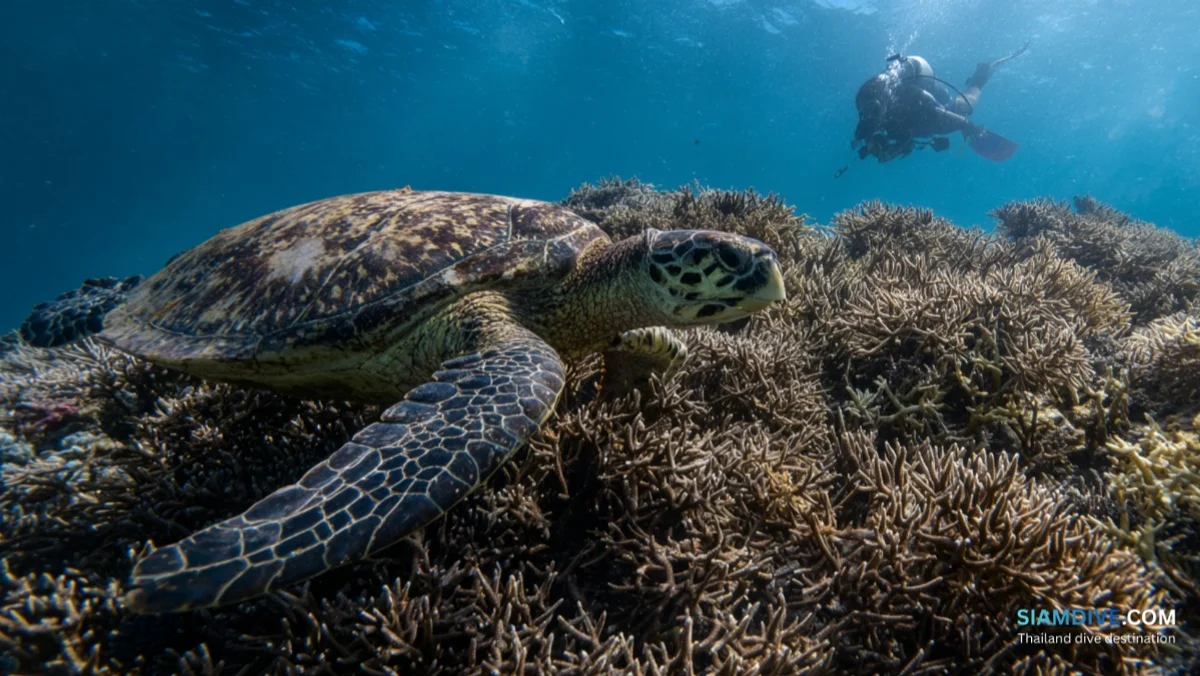
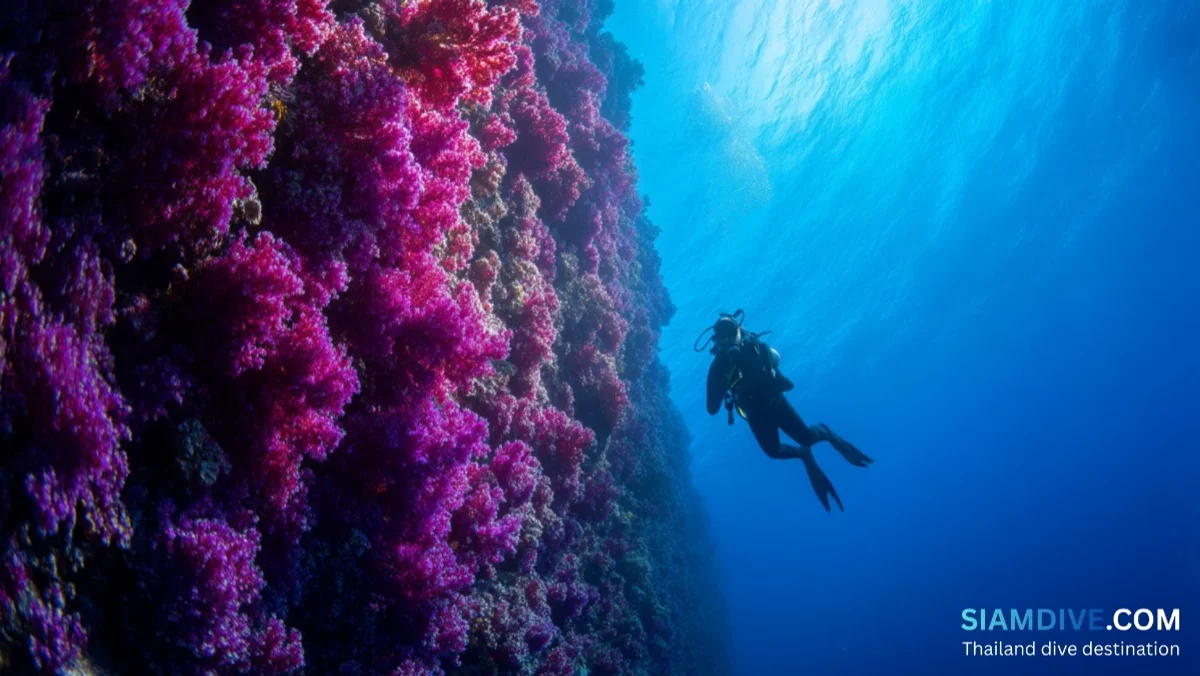
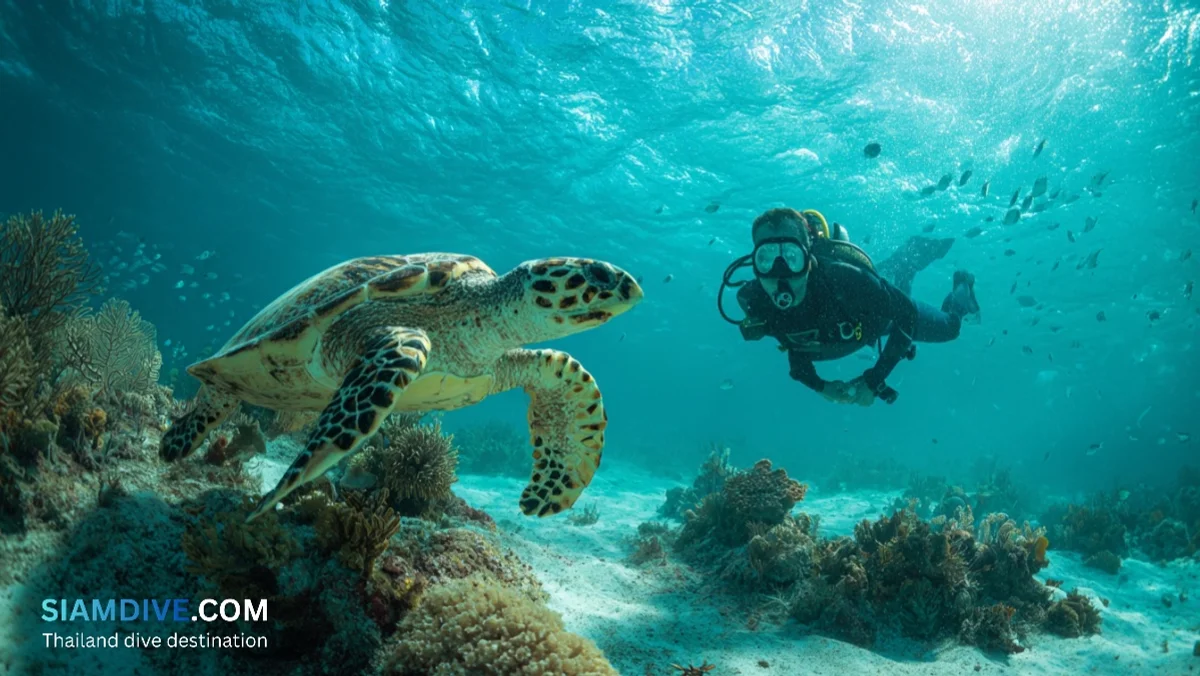
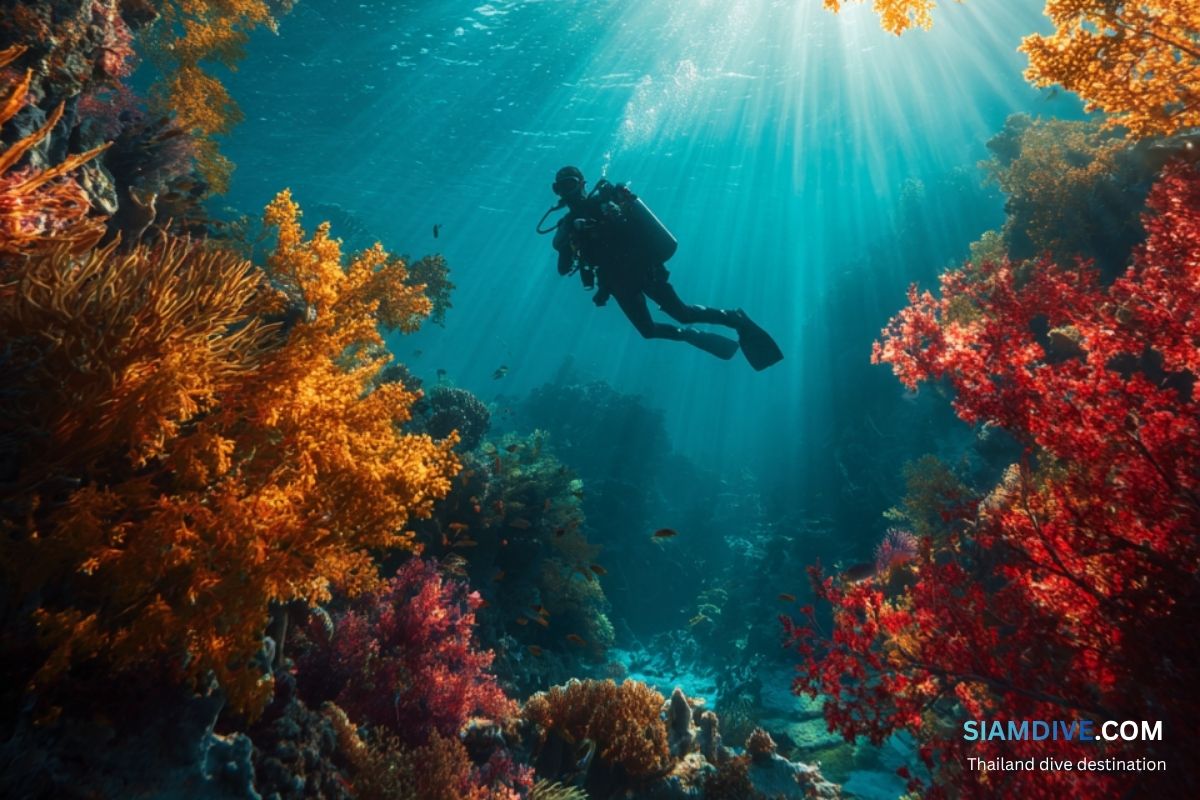
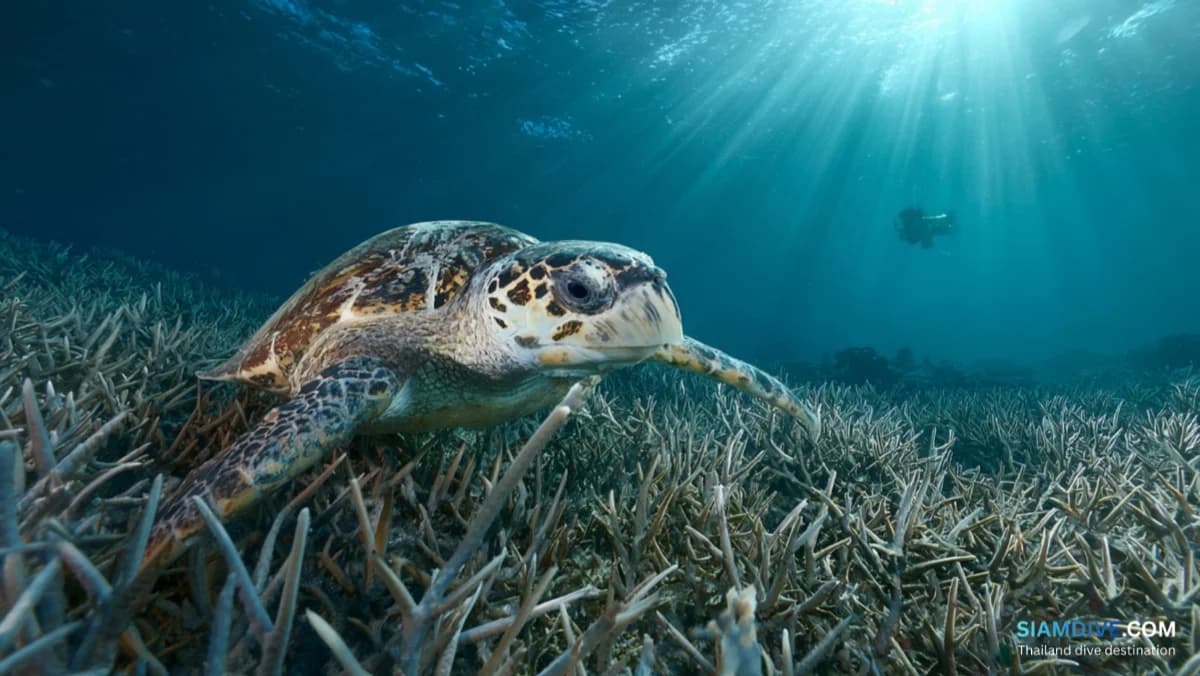
- The staghorn coral garden (9-12 m): The connecting reef between the two pinnacles. Dense staghorn at shallow depth, butterflyfish and angelfish cruising the edges, and the occasional turtle resting in the sand patches. This is the section most photographers shoot.
- The southern pinnacle (12-22 m): Deeper and more exposed. The south side drops to 22 meters and occasionally to 26 at the deepest point. This is where fun divers with Advanced Open Water spend their bottom time looking for bigger fish.
- Between the pinnacles (sand at 15-18 m): The gap that connects the two is where moray eels, blue-spotted rays, and triggerfish hold territory. Slow down and look at the bottom here, not the blue water.
Marine Life You'll Encounter
White Rock's fish list is long for a shallow training site, and the night dive brings out a completely different roster of animals. On a typical day dive you have a good chance of seeing:
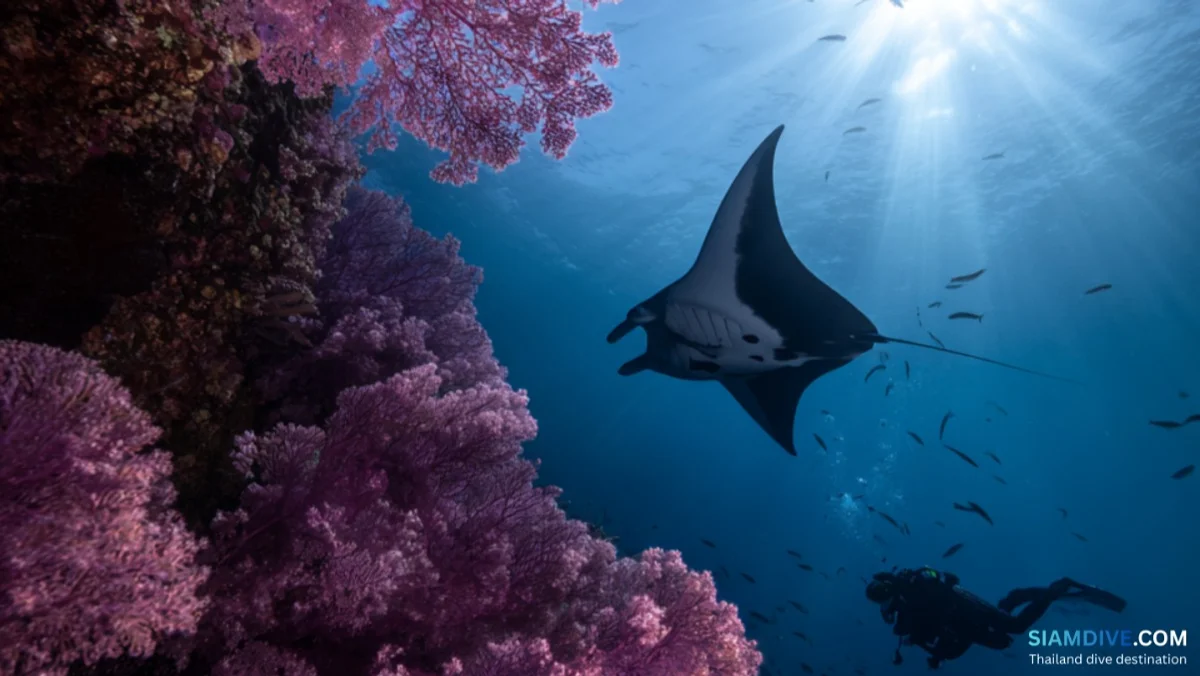
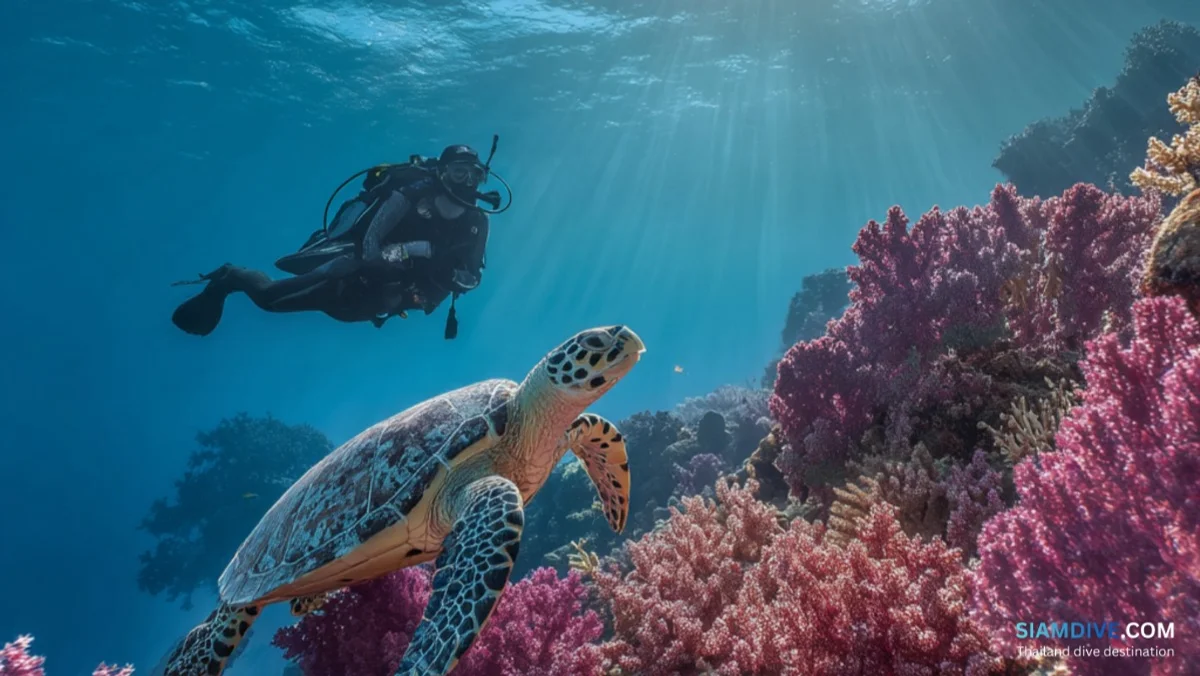
- Hawksbill and green turtles cruising the staghorn garden. The same three or four turtles are regulars and the divemasters have nicknames for them.
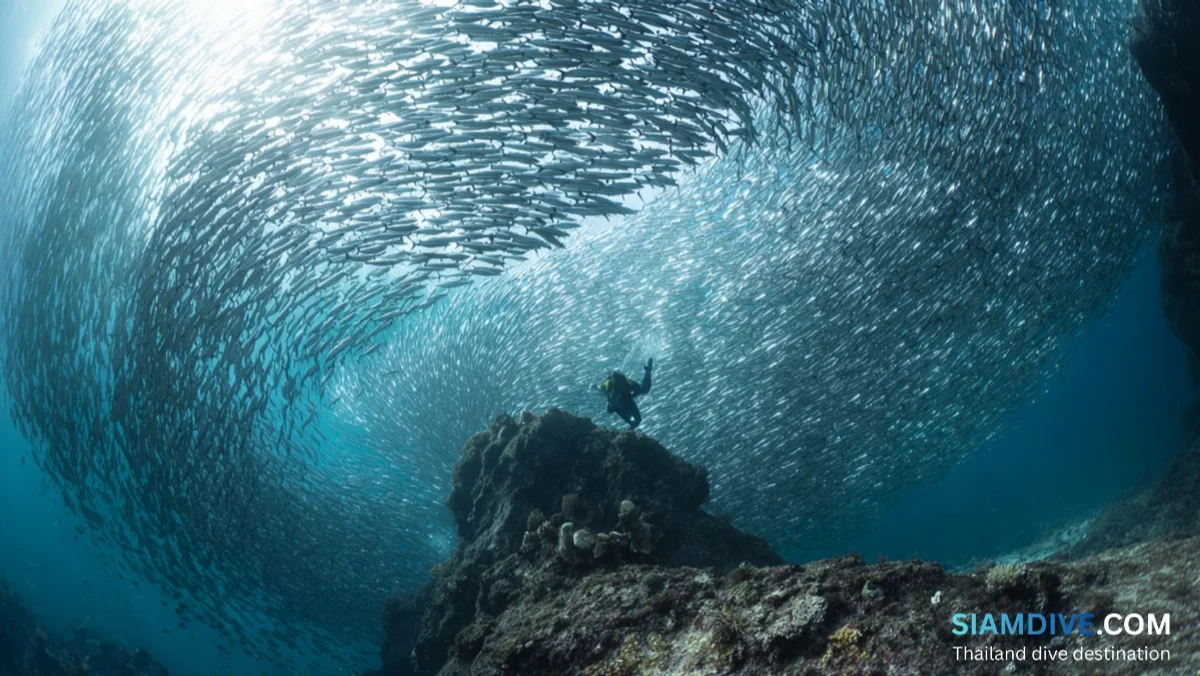
- Schooling yellowtail barracuda hanging near the northern pinnacle, especially around dawn and dusk.
- Bannerfish and angelfish in the shallows, slow enough for beginner photographers to frame.
- Titan triggerfish, yes the same ones that chase divers — they nest here in season, watch your fins.
- Moray eels tucked into the granite crevices, often visible with just a torch.
- Blue-spotted ribbontail rays on the sand patches, easy to spot if you scan the bottom.
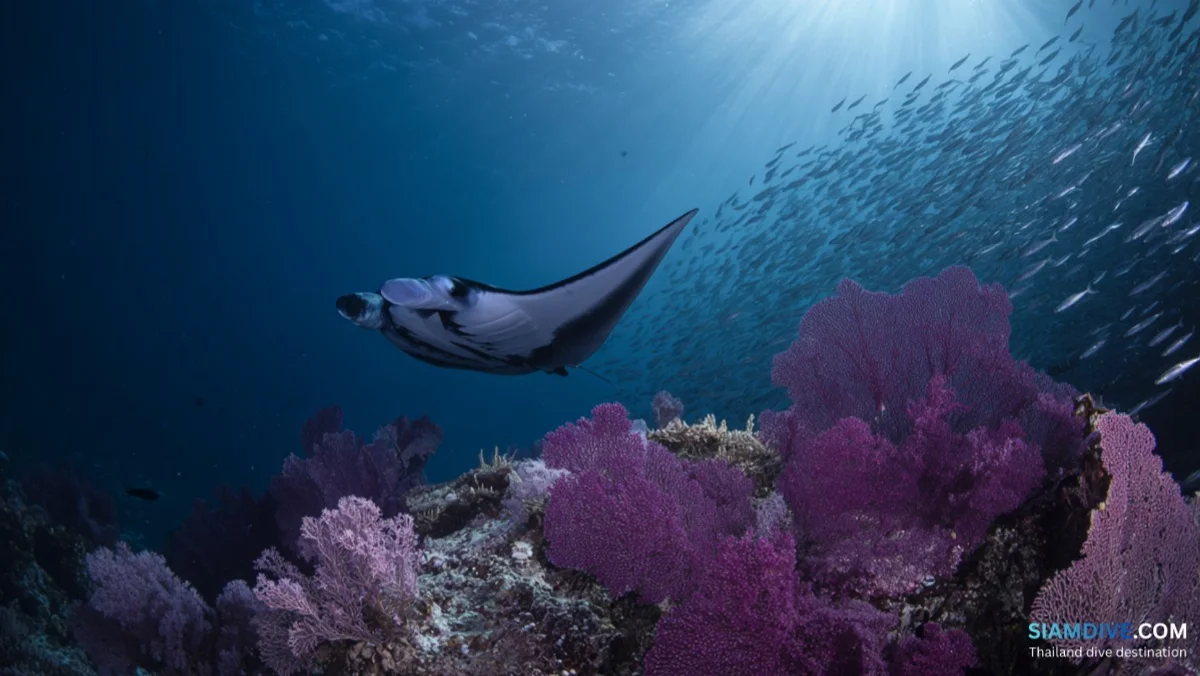
- Mola mola, the ocean sunfish. Rare but documented on the deeper south side during cooler-water months. Not a normal sighting — a lottery ticket one.
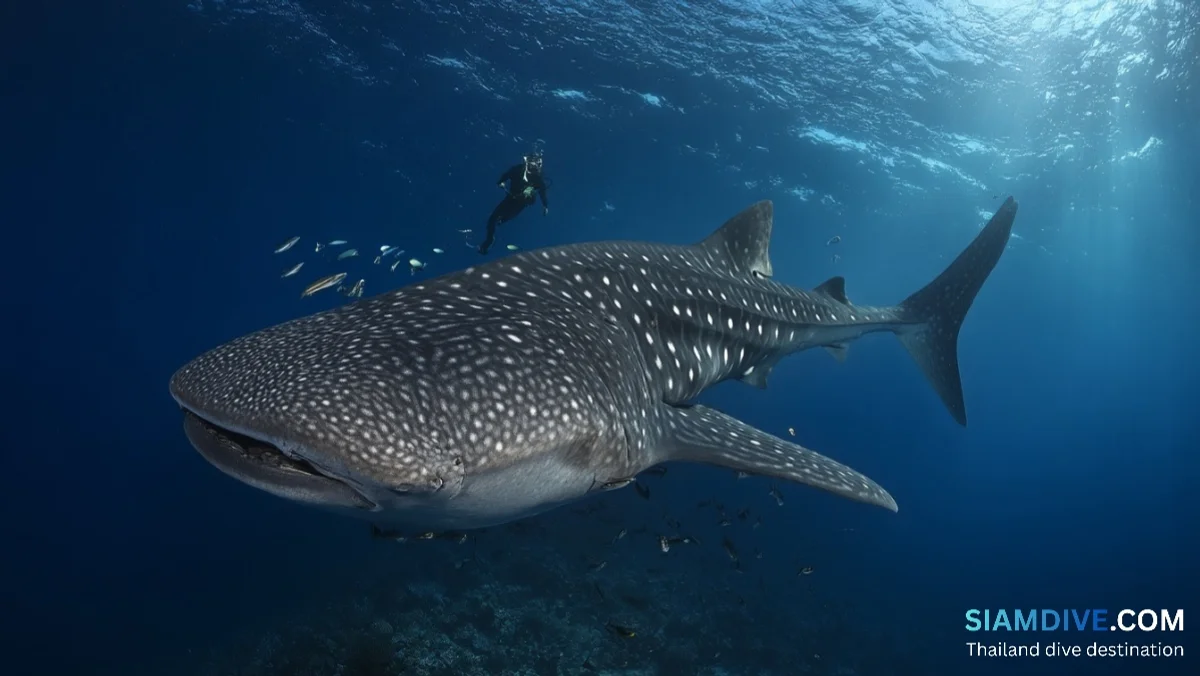
- Whale sharks, seasonal and unpredictable, but they do pass through the west coast sites and White Rock is on the route.
- Sea snakes and triggerfish and sea bass throughout the reef on most dives.
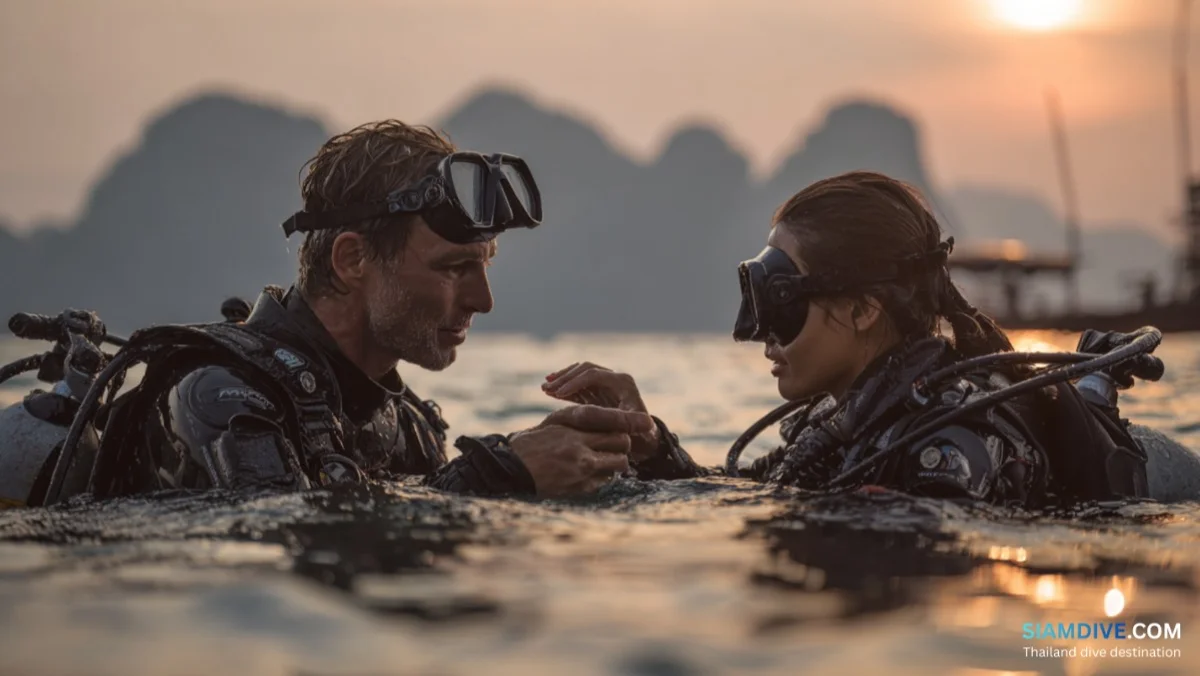
On the night dive, the whole character of the site changes. Barracuda cruise under your torch beam hunting parrotfish that have wrapped themselves in mucus cocoons to sleep. Hermit crabs swarm the sand. Lobsters come out from under the rocks. The staghorn garden looks like a different reef entirely, and the currents that you barely noticed during the day feel stronger in the dark.
Best Time to Dive White Rock
White Rock is divable year-round, which is one of the reasons it gets used so heavily. Conditions are calm and the west coast position shelters the site from the worst monsoon currents. Visibility peaks at 20-30 meters from November through April and drops to 10-15 meters during the wet months, but even at 10 meters it is still very divable because the site is small enough that you do not need big viz to enjoy it.
If you care about fewer crowds, avoid January through April — the western dry season is when every Open Water class on the island runs its fun dives here. September and October are quieter and the visibility is still reasonable. Night dives are better in the dry season because the boat ride back to Mae Haad is more comfortable.
How to Get There
You need to be on Koh Tao. The island has no airport, so arrivals go through Koh Samui, Chumphon, or Surat Thani. From Bangkok:
- Fly + ferry: Bangkok to Koh Samui on Bangkok Airways (about 1 hour), then Lomprayah or Seatran catamaran to Koh Tao (1.5-2 hours). Fastest option, most expensive.
- Train + ferry: Overnight train to Chumphon (about 8 hours), then Lomprayah catamaran to Koh Tao (1.5 hours). Best comfort for the price.
- Bus + ferry: Southern Bus Terminal to Chumphon (6-7 hours), then ferry. Cheapest route but long.
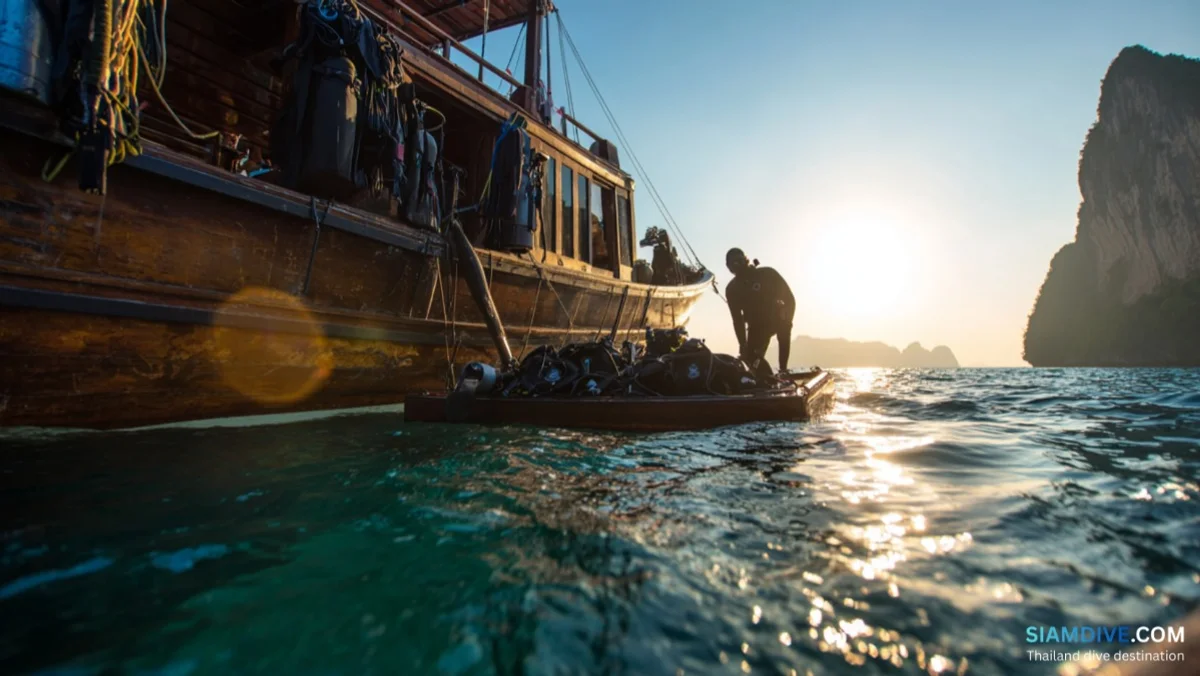
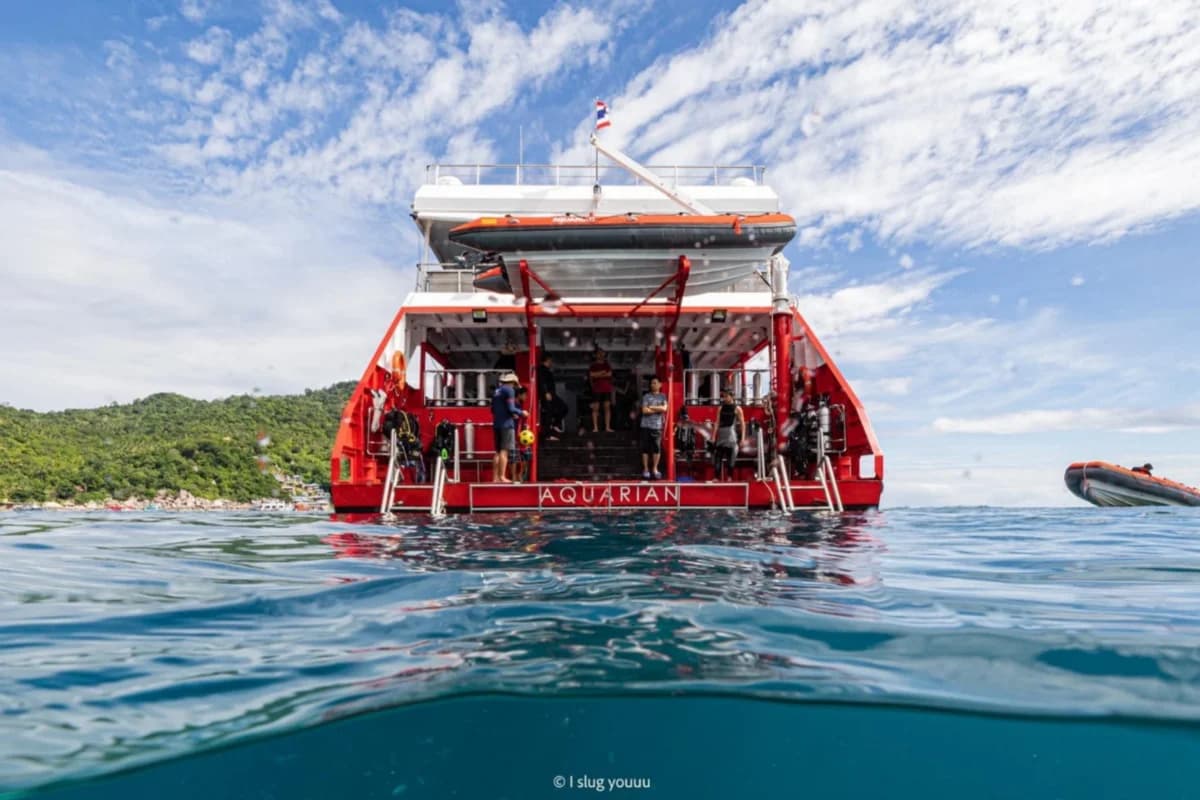
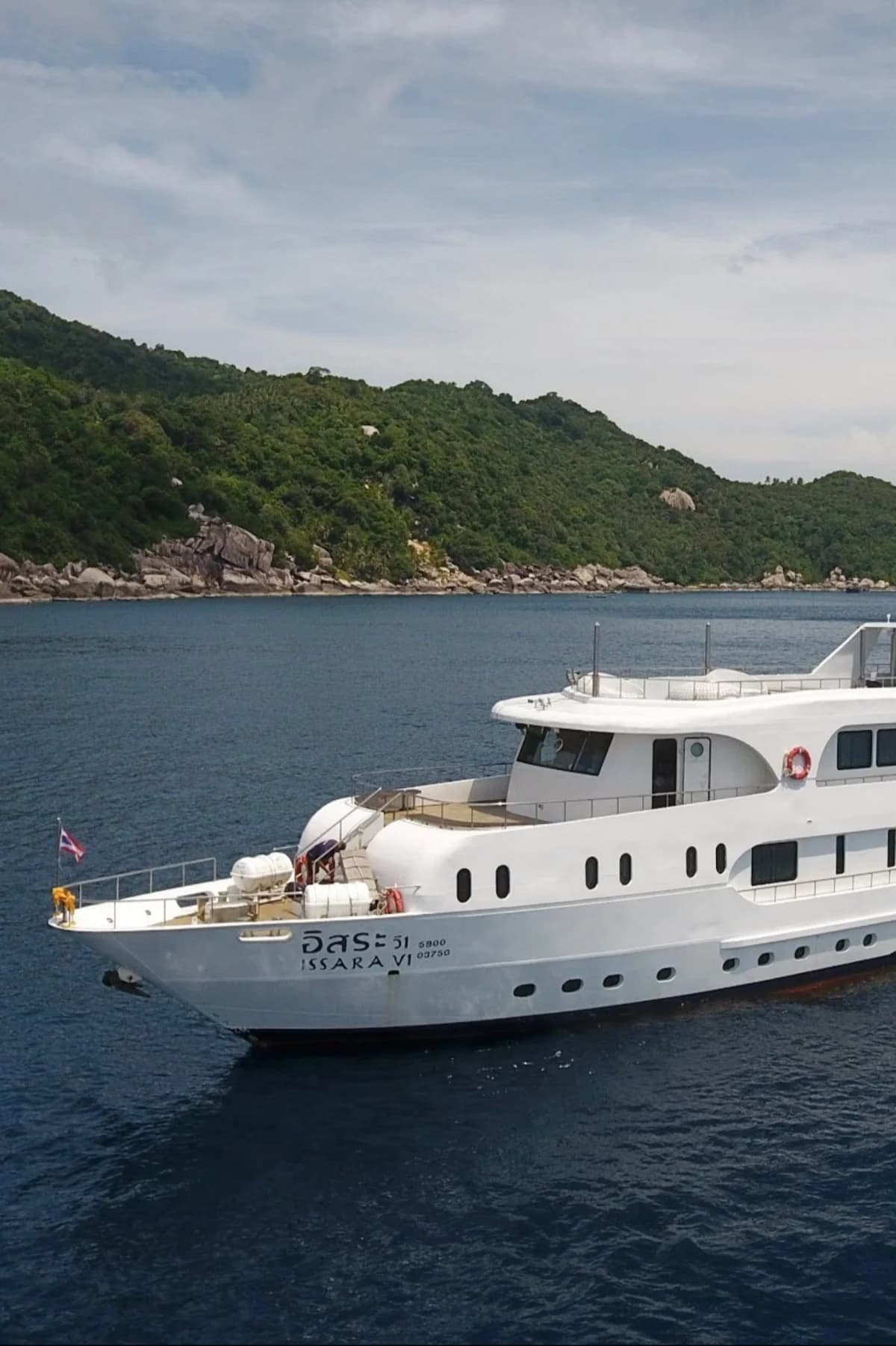
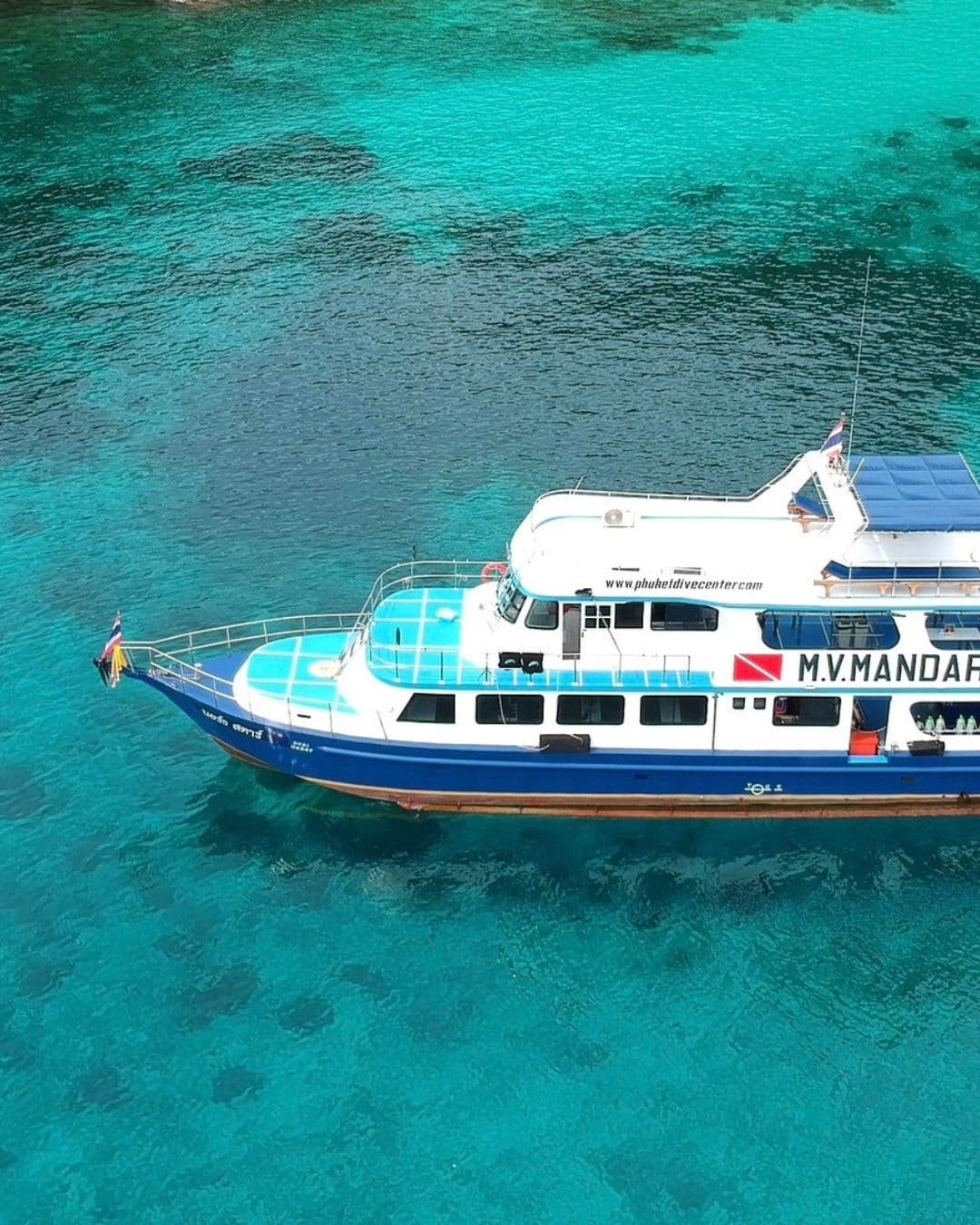
Once on Koh Tao, any shop in Sairee, Mae Haad, or Chalok Baan Kao offers White Rock. Literally every single operator runs it — it is the closest fun dive to the Sairee beach shops and it is on every standard two-tank board. Morning boats leave around 7 a.m., afternoon boats around 1 p.m., and night dives depart around 5 p.m. Two-tank day trips run 1,800 to 2,400 baht. A single night dive is usually 1,200 to 1,500 baht.
Tips for Diving at White Rock
- Go early or go late. Mid-morning boats are crowded with training groups. The 7 a.m. boat is emptier and has better visibility before the sediment gets stirred up.
- Do the night dive. If you are on Koh Tao for more than three days, do at least one night dive at White Rock. It is the most-recommended night dive on the island and for good reason.
- Watch for titan triggerfish in nesting season. They guard a vertical cone of territory above their nest. If one charges, descend and swim horizontally away. Do not turn your back.
- Bring a compact camera. The staghorn garden at 9 meters is the easiest wide-angle shot on the island. Ambient light is enough if you go mid-morning.
- Use it as a refresher dive. If you have not been underwater in six months and want to shake the rust off before doing something more serious, White Rock is the perfect site for it.
- Skip it on weekends in high season. January-April weekends can see 10+ boats on the mooring lines. Go Tuesday or Wednesday morning instead.
- Night dive buoyancy matters. The shallow coral garden is fragile. Keep your fins up and your light pointed away from the reef so you do not stress the fish.
The Koh Tao Dive Everyone Starts With, and Comes Back To
White Rock is the dive site most Koh Tao divers learn on, and it is also the one they come back to on their last day on the island. That is not a coincidence. The site is genuinely good — calm water, healthy coral, regular turtles, and a night dive that turns the reef into something completely different after sunset. If you are booking a Koh Tao trip, make sure at least one of your dive days includes White Rock. Book through siamdive.com — we work with the shops that run it as a morning trip and the ones that run it at night, so you can pick the version of White Rock you actually want. Turtles in daylight or barracuda hunting under torchlight.