Mango Bay Koh Tao Guide: The Island's Best Beginner Dive and Snorkel Site
11 เมษายน 2569
Mango Bay on Koh Tao's north coast is the island's best beginner dive site and snorkel spot — calm water, vibrant reefs, and year-round conditions.
The Calmest Bay on Koh Tao
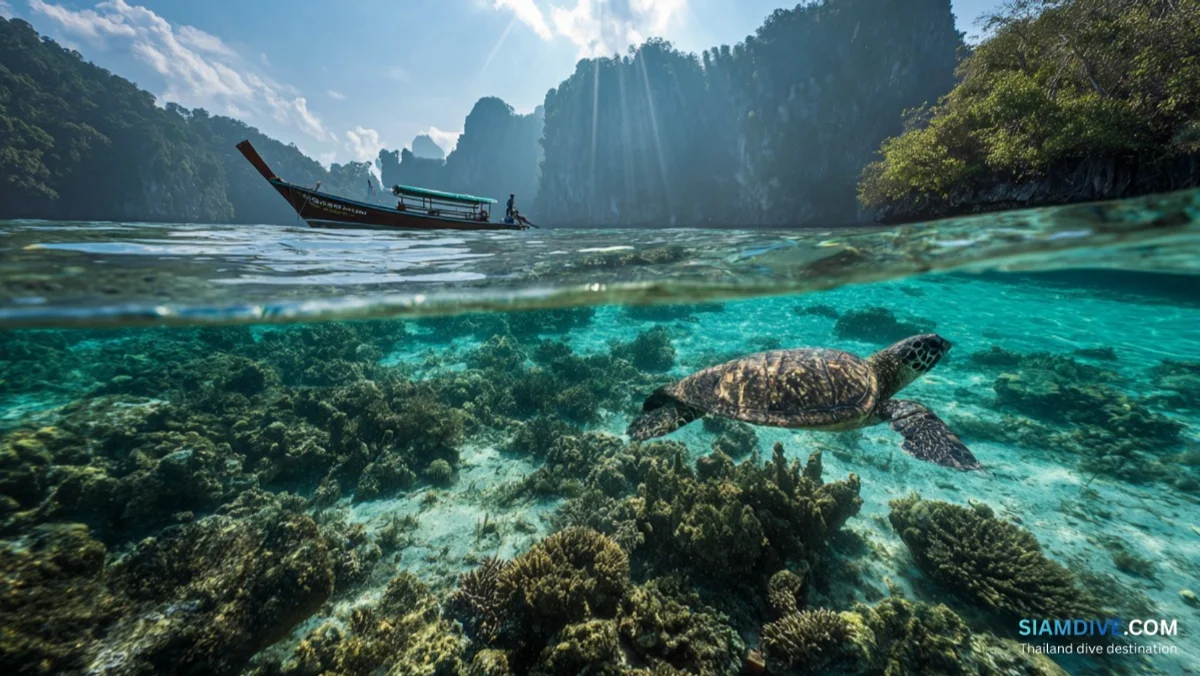
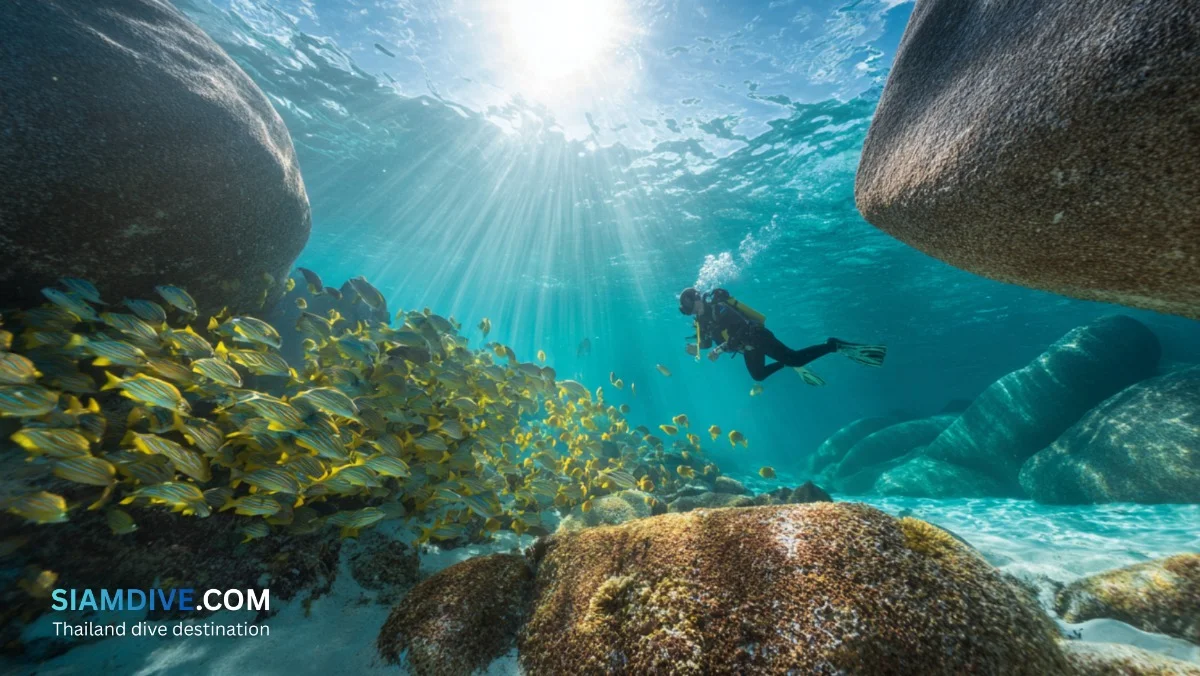
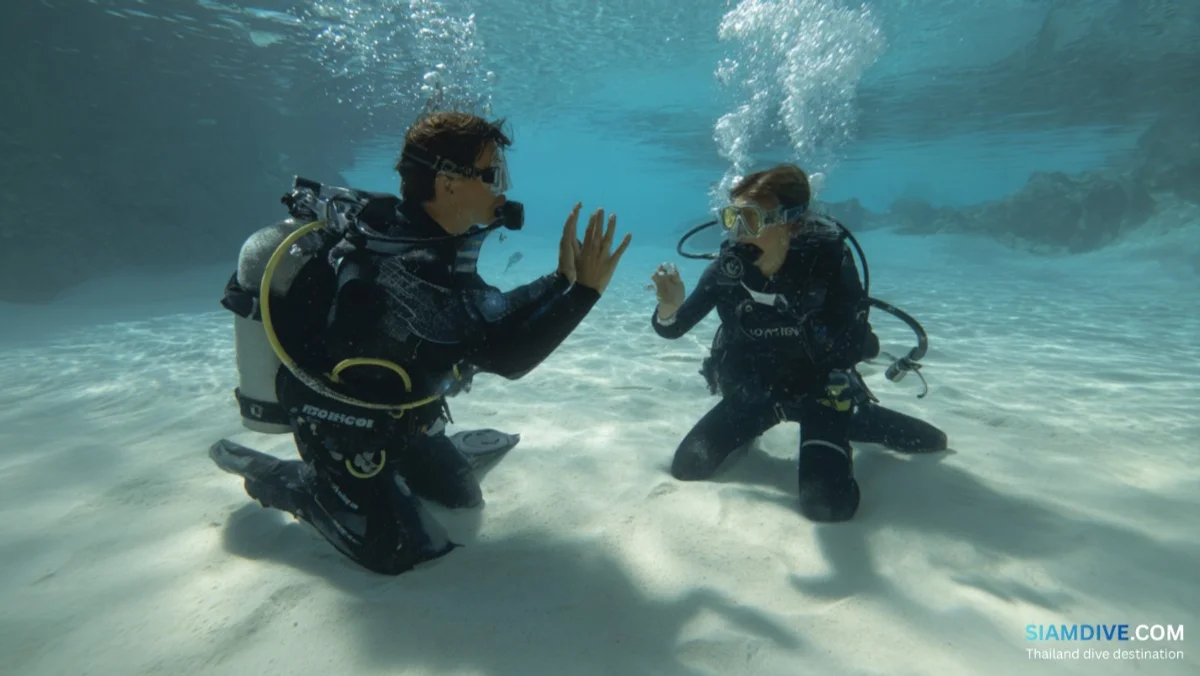
Mango Bay (Aow Muang) sits tucked into the north end of Koh Tao, a half-moon of white sand ringed by low jungle cliffs. The water inside the bay is so still it almost feels like a pool, which is exactly why dive schools love it for beginner training. Depths run from two meters near the beach out to about 18 meters at the deepest point, with coral bommies clustered along the east and west sides of the bay and a sandy bottom in the middle that is perfect for buoyancy drills.
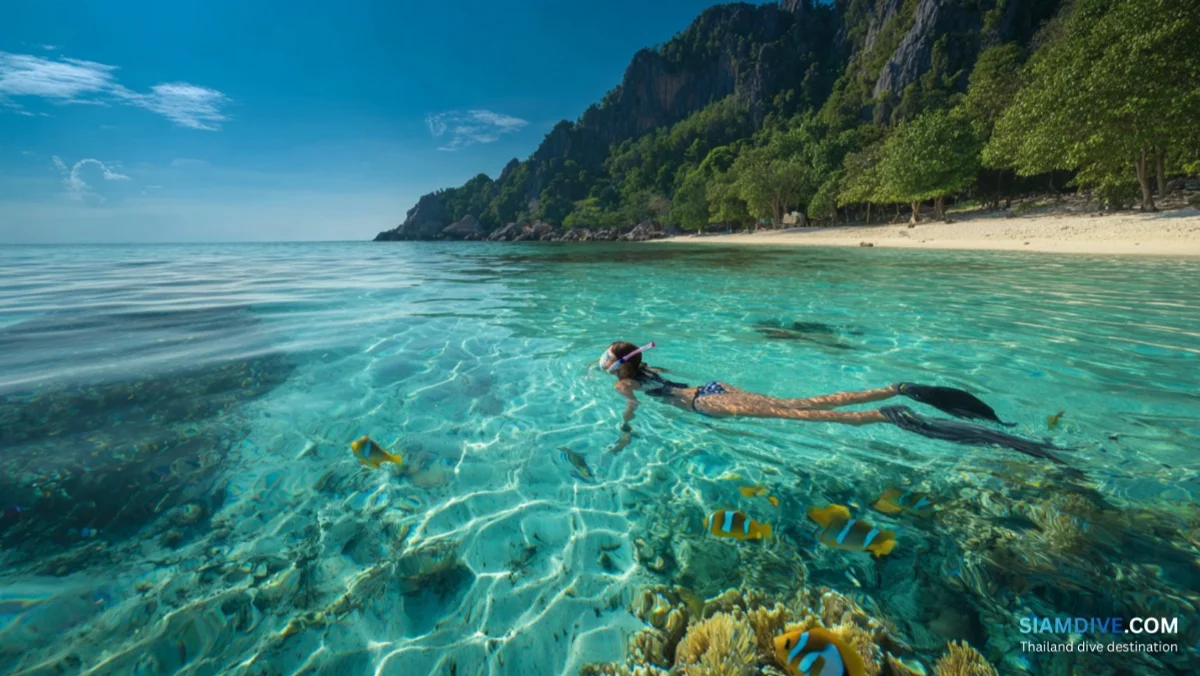
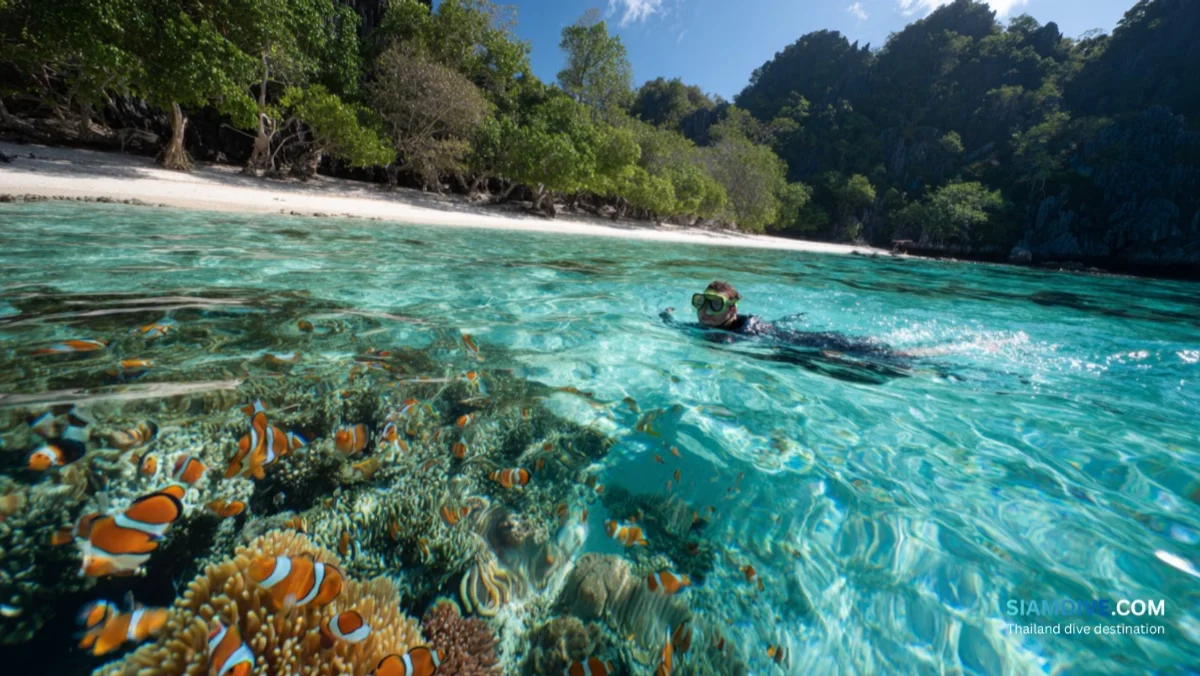
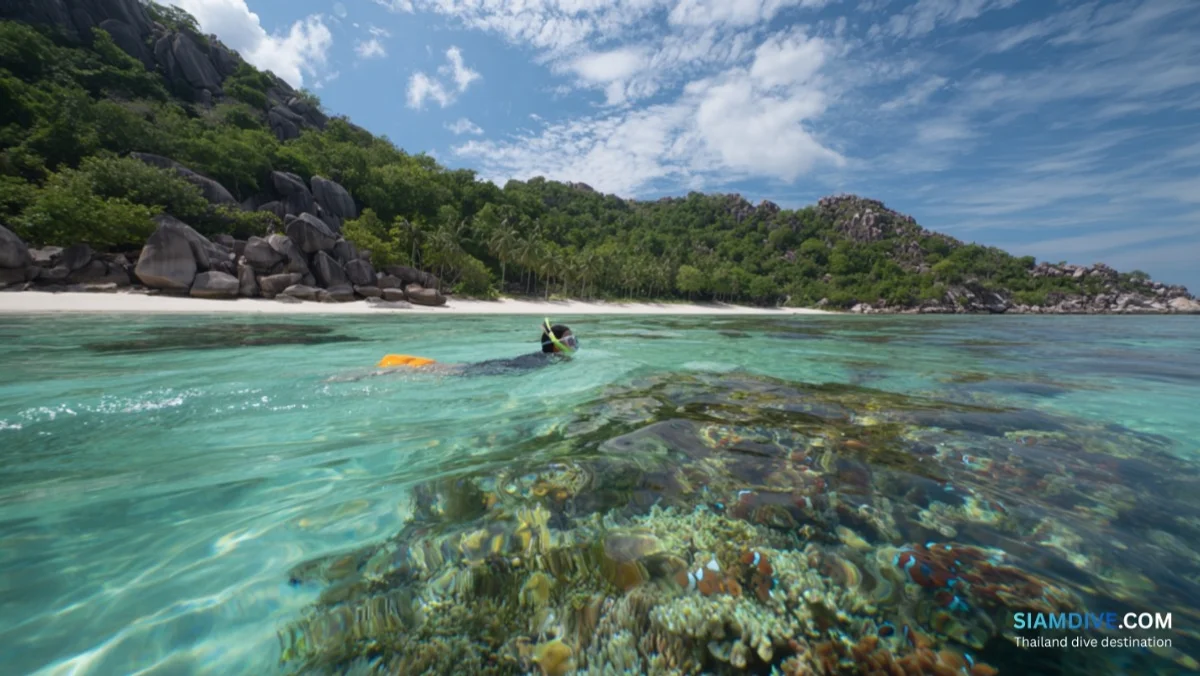
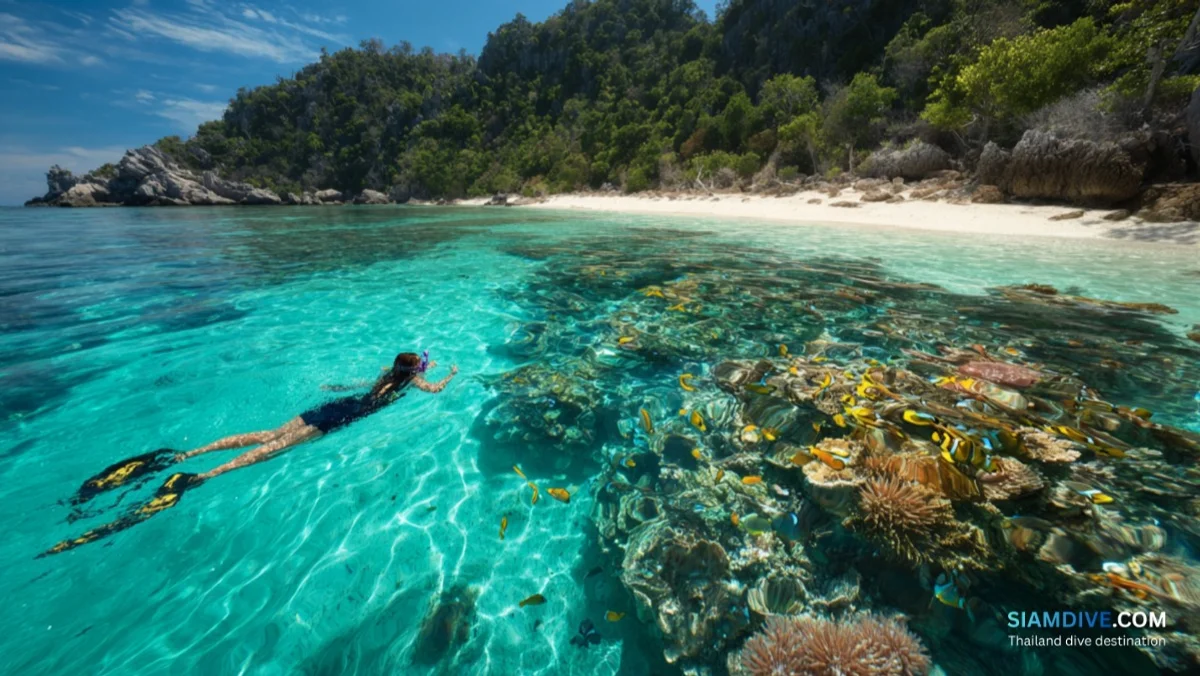
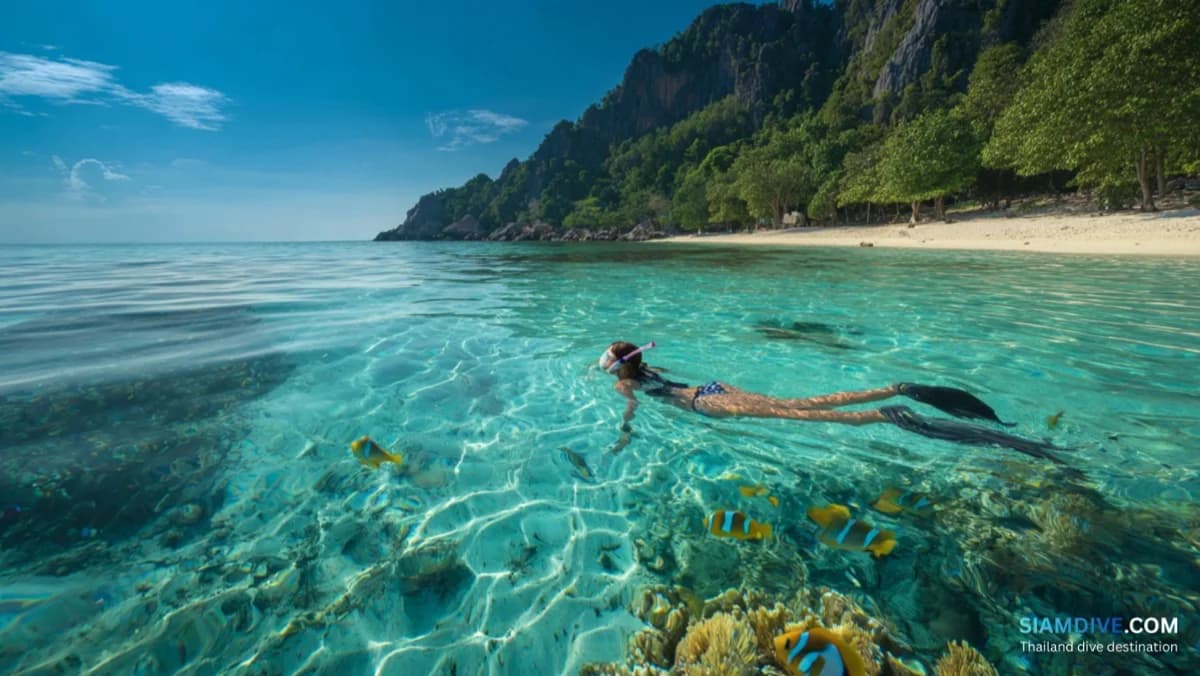
The bay is also one of the prettiest snorkel spots on the island. The reef is shallow enough that you can float on the surface and still see clownfish in their anemones three meters below, and the visibility during dry season pushes 20 to 30 meters when conditions cooperate. On a calm morning before the day-trip boats arrive, you can have the entire bay to yourself.
Why Mango Bay Works for Every Level
Mango Bay is where most new divers on Koh Tao do their first open water dives. The conditions are so forgiving — no current, a sandy bottom to settle on if you lose buoyancy, and a reef that starts at two meters — that instructors can focus on teaching skills instead of managing problems. Around 80% of Koh Tao's Open Water courses include at least one training dive here because it's consistent and calm year-round.
But it is not just a beginner site. More advanced divers who drift along the outer western edge can reach 14 to 18 meters with more fish life and some interesting coral structures. For photographers, the combination of calm water, good light, and colorful reef bommies makes Mango Bay an easy afternoon spot to get clean shots. And for snorkelers, it is genuinely one of the best beach-accessed reefs in the Gulf of Thailand.
What You Will See Underwater
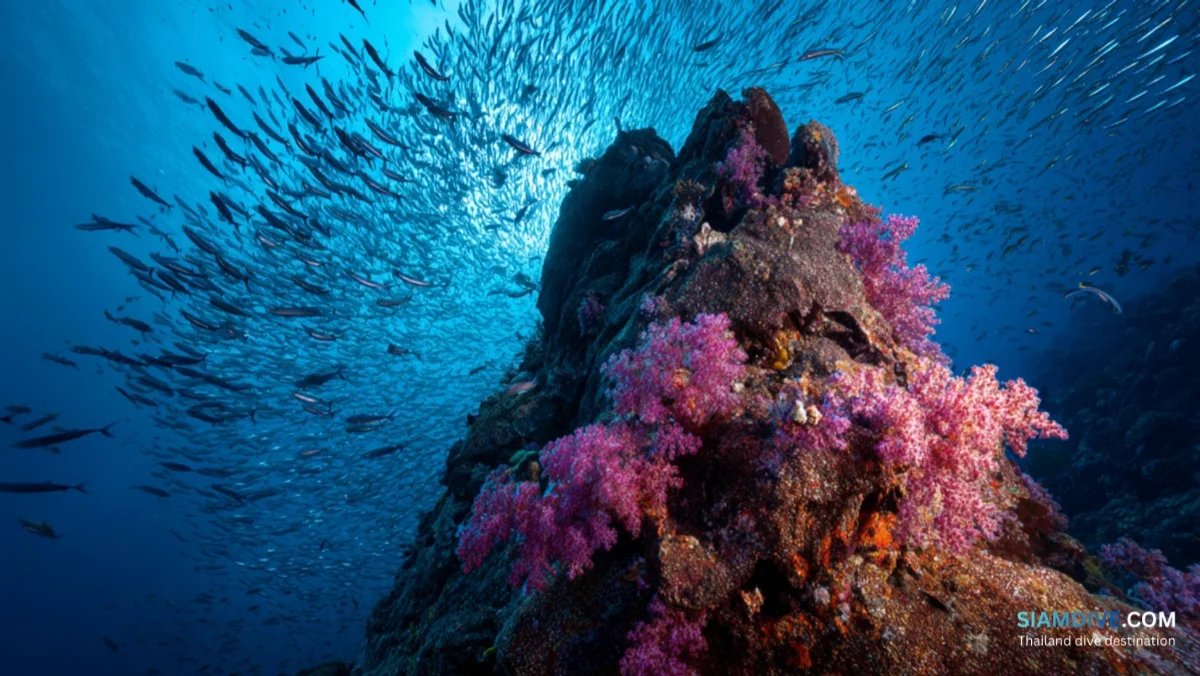
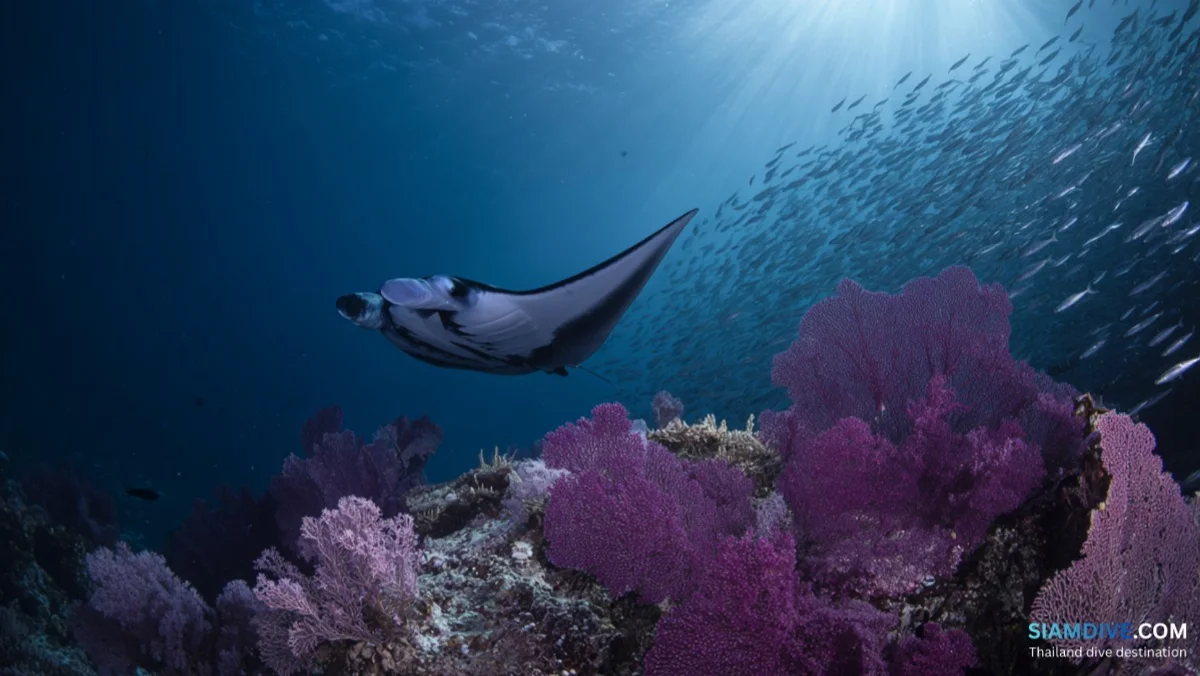
Mango Bay's reef is the classic tropical coral garden — not dramatic, but consistently full of life. The coral heads near shore host a resident population of reef fish that are so used to divers and snorkelers that you can approach them quite close without spooking them.
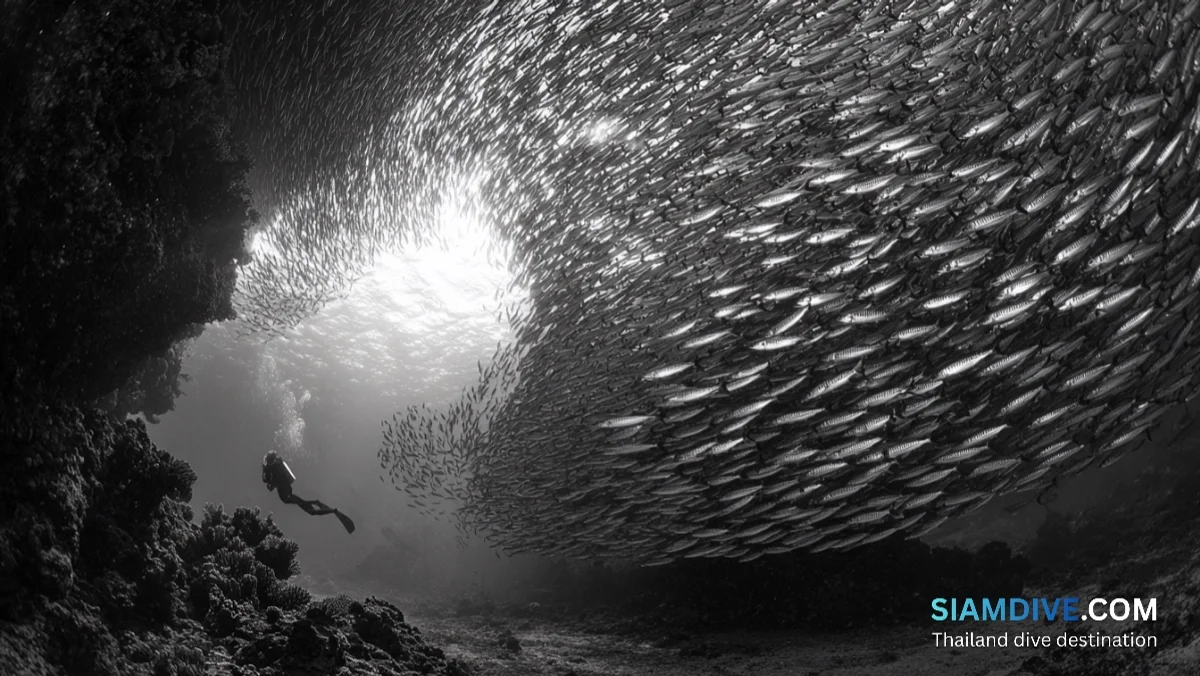
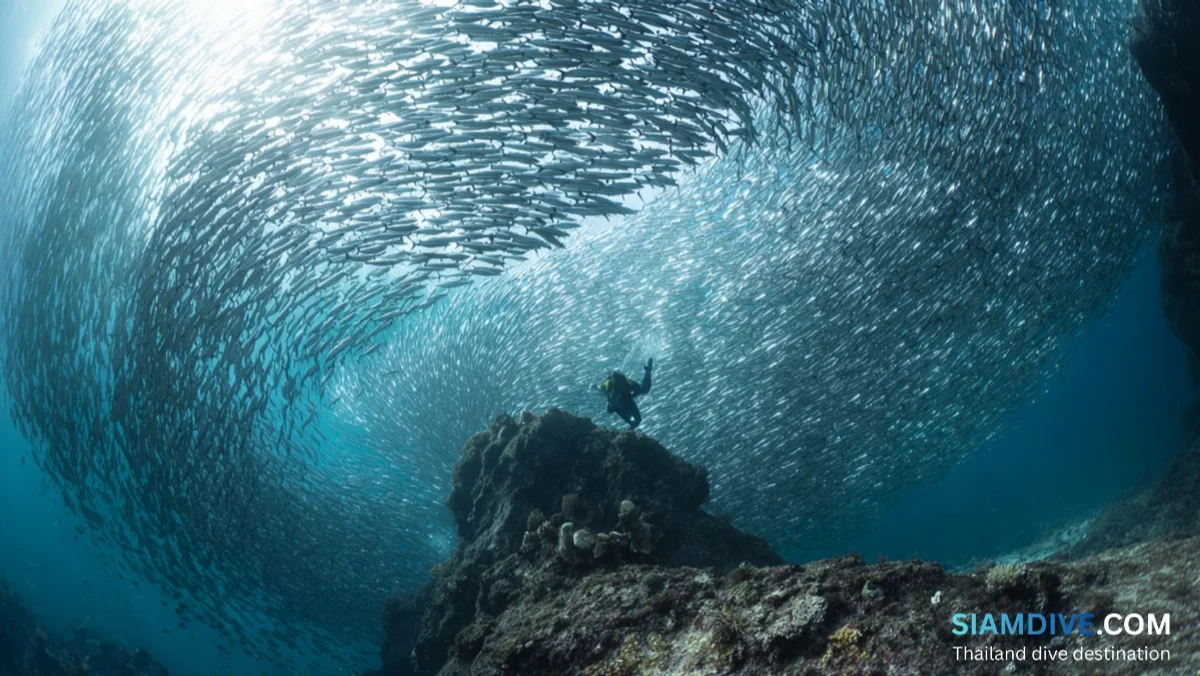
- Schooling reef fish: butterflyfish, rabbitfish, damselfish, yellowtail barracuda in small groups, and the occasional fusilier school passing through
- Anemone residents: clownfish are everywhere — the bay has dozens of anemones, each with a family of Nemos defending their home
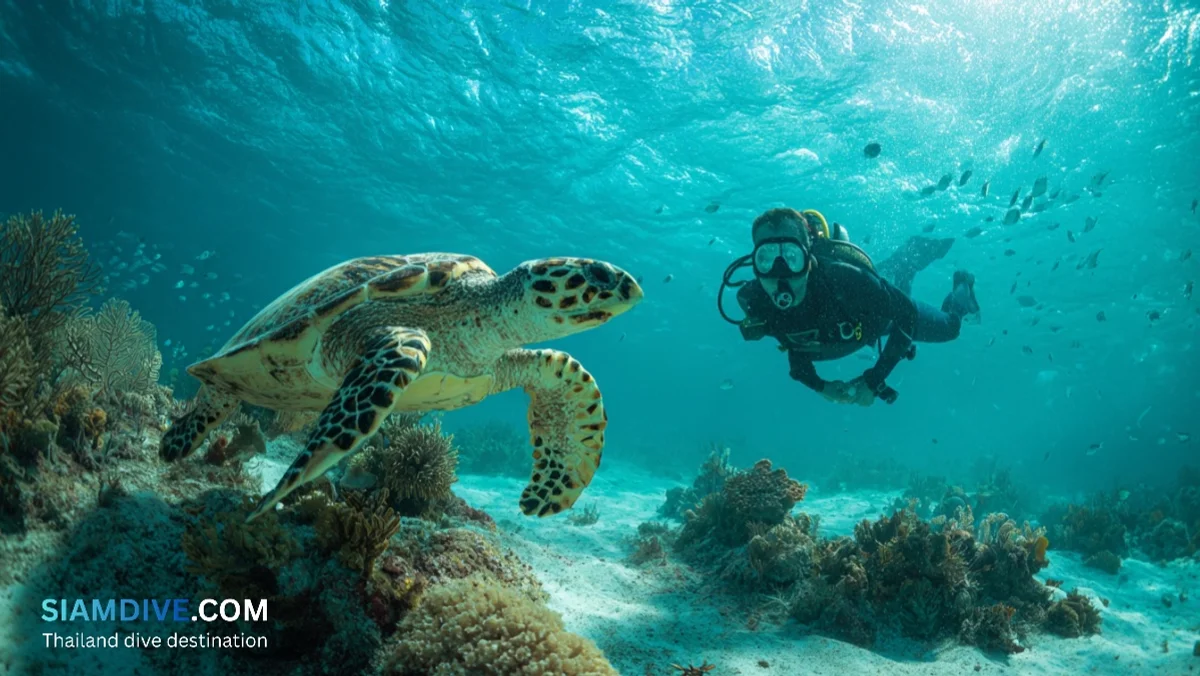
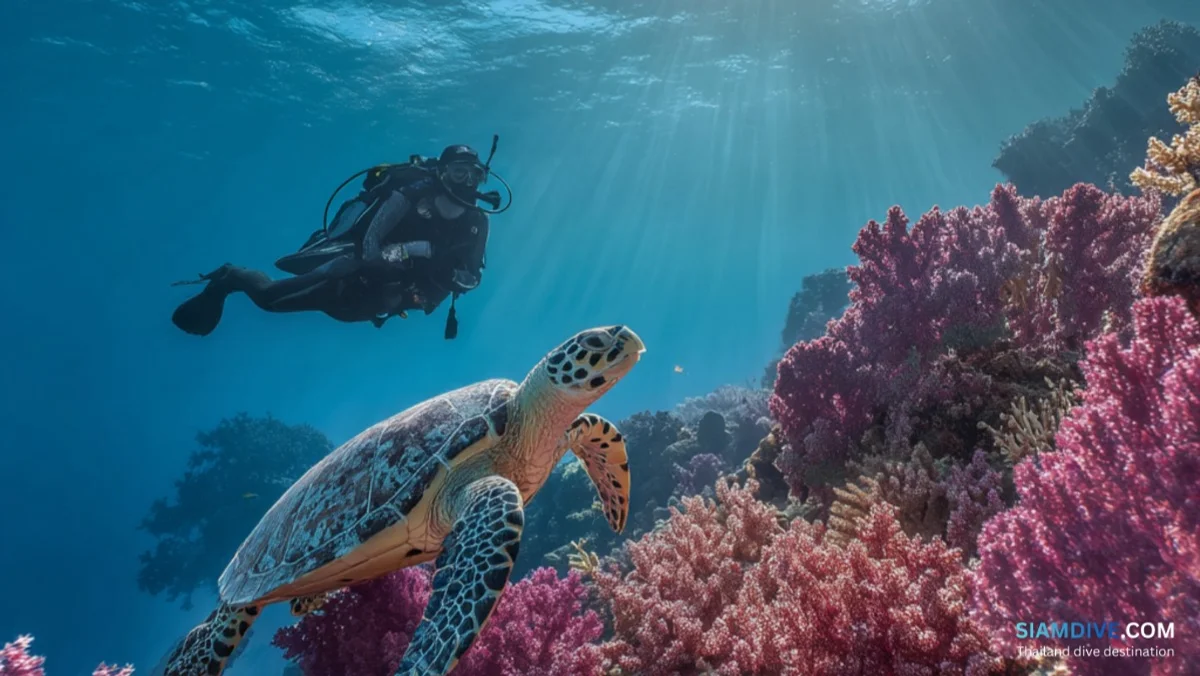
- Reef patrollers: blue-spotted stingrays buried in the sand between coral heads, titan triggerfish (mostly non-aggressive outside breeding season), moray eels in cracks, and the occasional green turtle passing through
- Bommies and artificial reefs: coral heads up to three meters tall, plus artificial reef cubes placed for buoyancy training that have grown their own coral cover
- Macro on the sand: flatworms, small shrimp, and juvenile fish hiding among the sand patches
Snorkeling at Mango Bay
If you are not certified to dive yet, Mango Bay is still worth the trip. The snorkeling is honestly excellent. Enter from the sandy beach or the rock terrace on the east side of the bay, swim 20 meters out, and you are over the reef. The east side has the most coral cover, but the west side gets better light in the afternoon.
Bring your own mask and snorkel if you can — rentals at the resort are fine but get scruffy by the end of the day. Stay within the roped snorkel zone near the beach, especially when dive boats are on the buoys. Reef-safe sunscreen is not optional — regular sunscreen is the single biggest threat to the shallow corals here.
When to Go and What to Expect
Mango Bay is divable and snorkelable year-round, but the best conditions run from December to March. Dry season brings calm water, visibility up to 20 to 30 meters, and water temperature around 28 to 30°C. During southwest monsoon (May to October) the swell occasionally kicks up, but Mango Bay is sheltered enough that it is still usable on most days when the outer sites are closed.
The bay gets busy between 10 AM and 2 PM when day-trip boats arrive from Koh Samui and Koh Phangan. If you want a quieter experience, go early or late in the day. Most Koh Tao dive operators schedule Mango Bay for the afternoon second dive after a morning site like Chumphon or Green Rock, which means you arrive after the day-trippers have left.
How to Get to Mango Bay
Mango Bay is most easily reached by boat — either a dive boat, a snorkel tour, or a longtail water taxi from Mae Haad or Sairee. The water taxi is the best option if you want independence: negotiate a drop-off and pickup time, bring lunch, and spend the day. Prices vary but expect 300-500 THB per person.
You can also scooter to Mango Bay via a steep, bumpy road from Sairee Beach, but this route is only for experienced riders. The road is steep concrete with loose gravel in places, and rental shops will not insure you against accidents on it. Park at Mango Bay Boutique Resort and walk the final 300 meters down a rocky path to the beach. The resort charges 100 to 250 THB per person as a day-visitor entry fee, which usually includes beach access and use of the rock terrace.
For the very fit, you can hike from Sairee Beach via jungle trails — about 3 to 4 hours round trip — passing Mango Viewpoint along the way. It is a gorgeous walk but not what you want to do in diving gear.
Practical Tips Before You Go
- Certification: Open Water is enough. No special training needed. If you are doing Discover Scuba Diving, this is the perfect site
- Rent gear at Mae Haad: most dive shops supply everything for a fun dive — mask, fins, BCD, tank, regulator — for about 1,000 THB for a two-tank trip
- Avoid rented sunscreen: bring a reef-safe one from home. Most Thai shops still sell oxybenzone-based products that kill corals on contact
- Snorkel in the roped zone: dive boats share the bay, and the zone keeps everyone safe
- Check weather before hiking: the jungle trail becomes dangerous after rain — slippery clay, limited grip, real injury risk
- Don't touch the titan triggerfish pits: the rules from the advanced Koh Tao sites apply here too during mating season. Give them a wide berth
Is Mango Bay Worth Visiting?
For new divers and snorkelers: absolutely. Mango Bay is the ideal introduction to reef diving in the Gulf of Thailand — calm, colorful, and consistent. For experienced divers looking for adrenaline or rare species, it is not the site to pick. But for a relaxed afternoon dive, a snorkel day with the family, or a first open water experience that will make someone fall in love with diving forever, it is one of the best bets on Koh Tao.
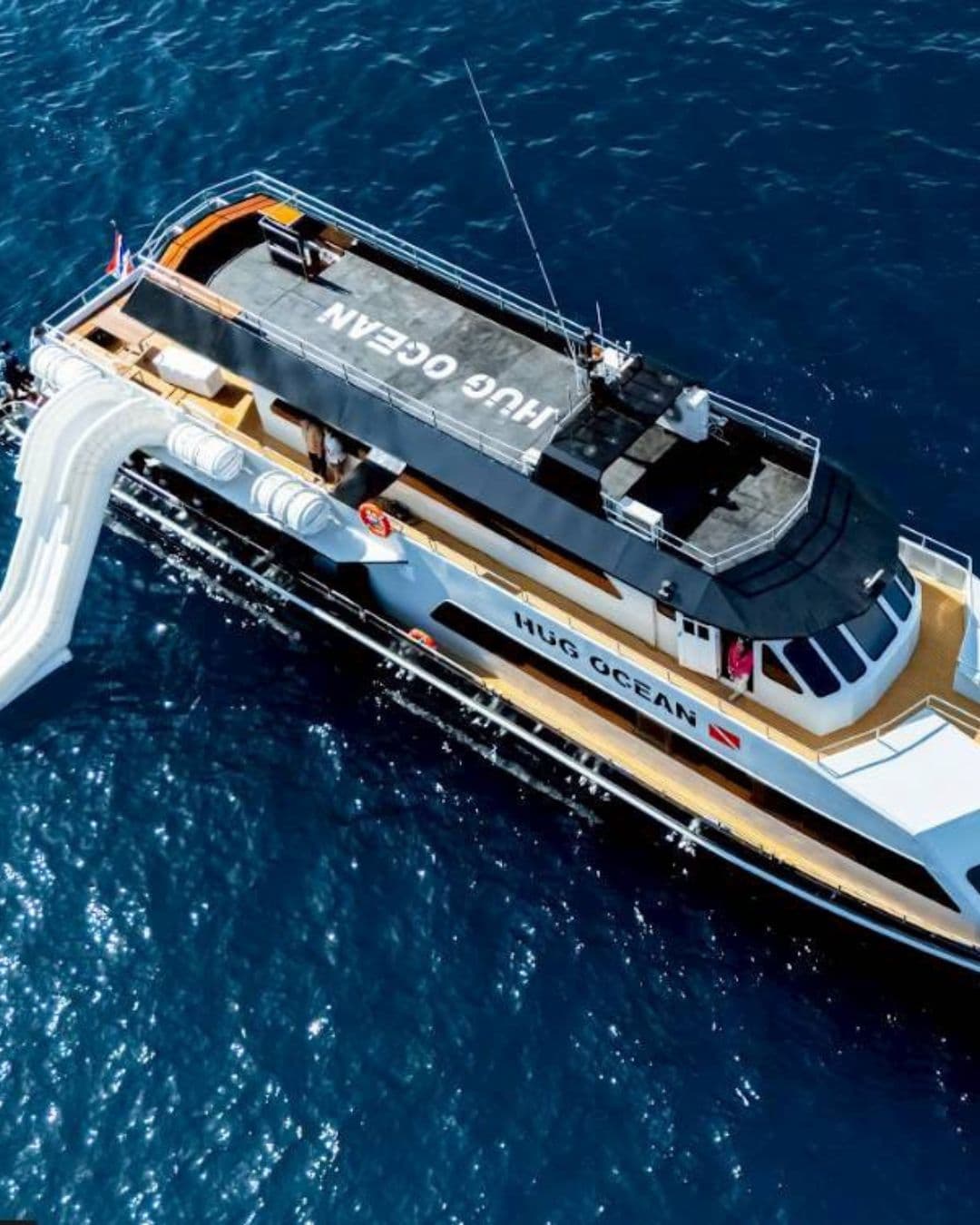
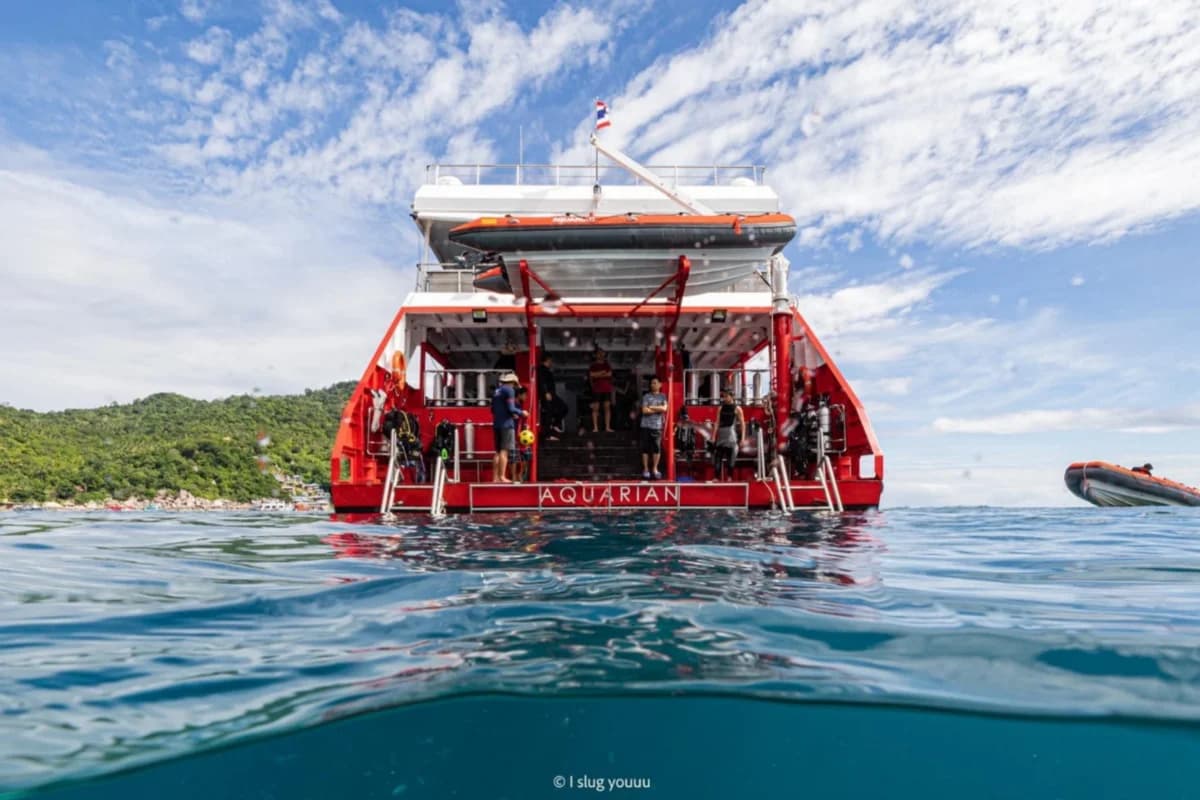
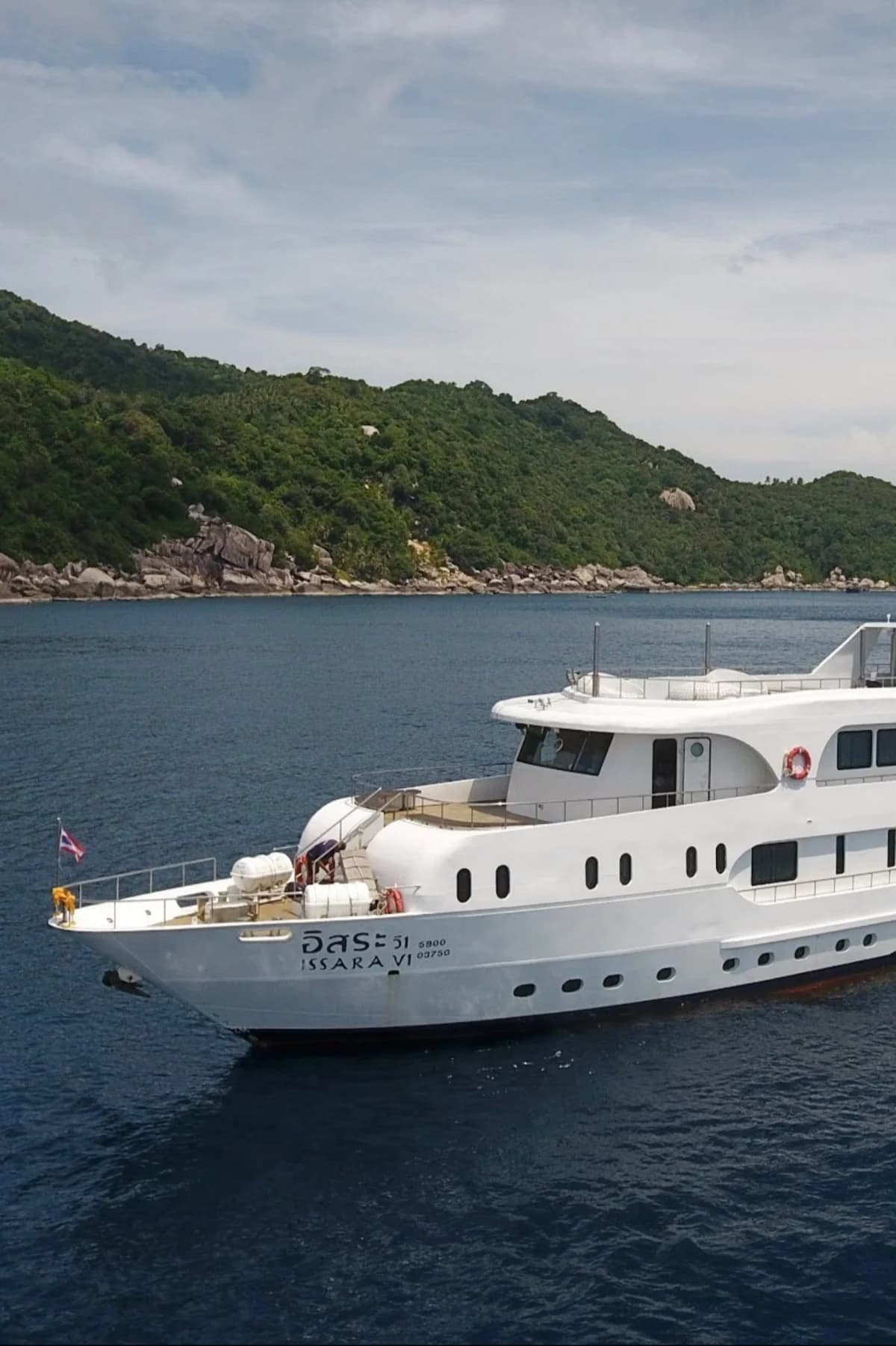
Planning a Koh Tao trip that includes Mango Bay? Find dive operators, snorkel tours, and liveaboards that cover the north coast on siamdive.com and get your first underwater experience sorted.