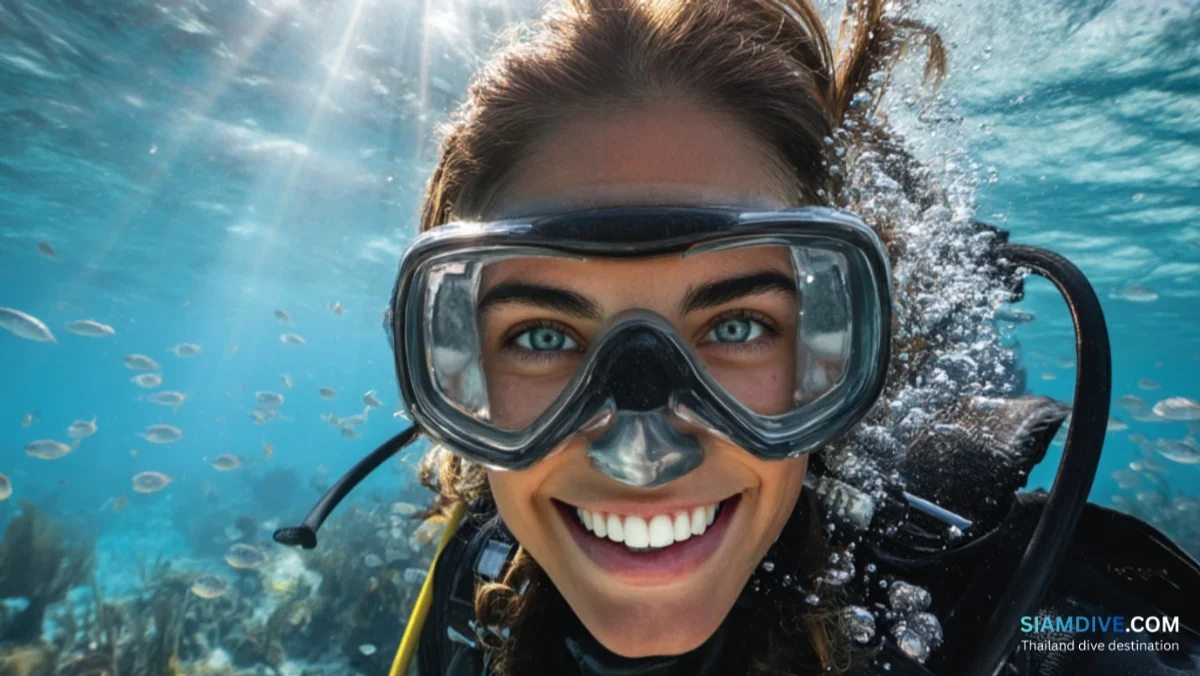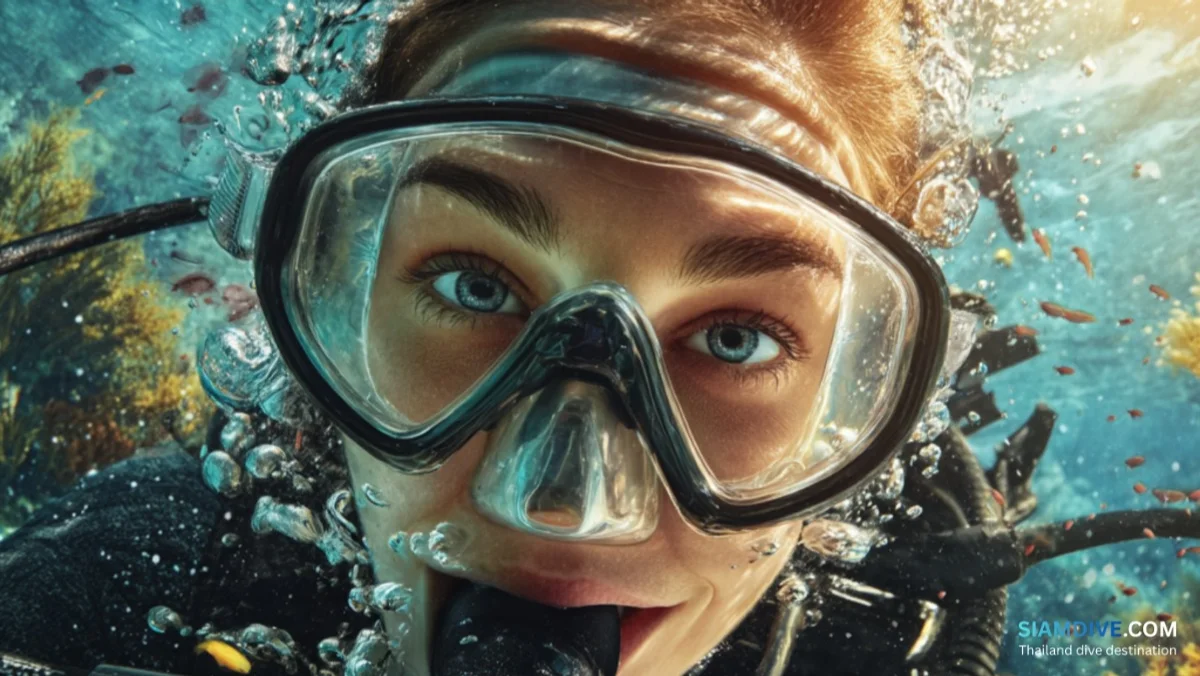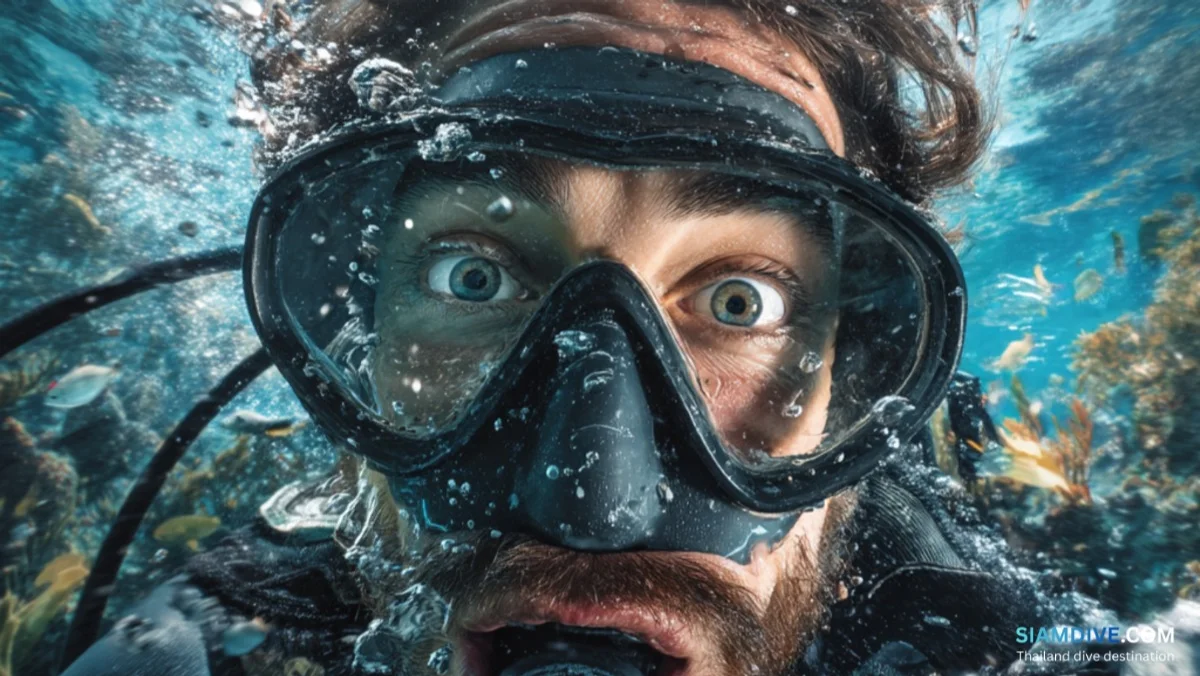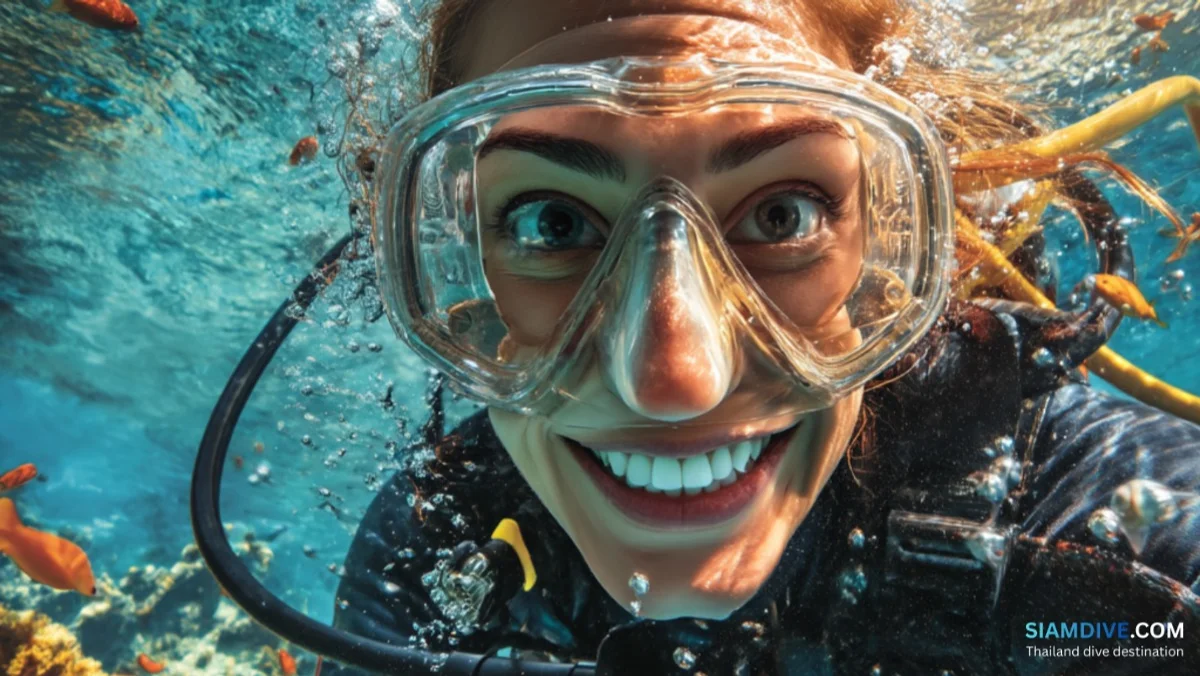
Why Learn Scuba Diving? 8 Reasons to Get Certified
10 เมษายน 2569
Not sure if scuba diving is for you? Here are 8 real reasons why getting certified changes how you travel, stay fit, and see the world.
You Don't Know What You're Missing — Literally
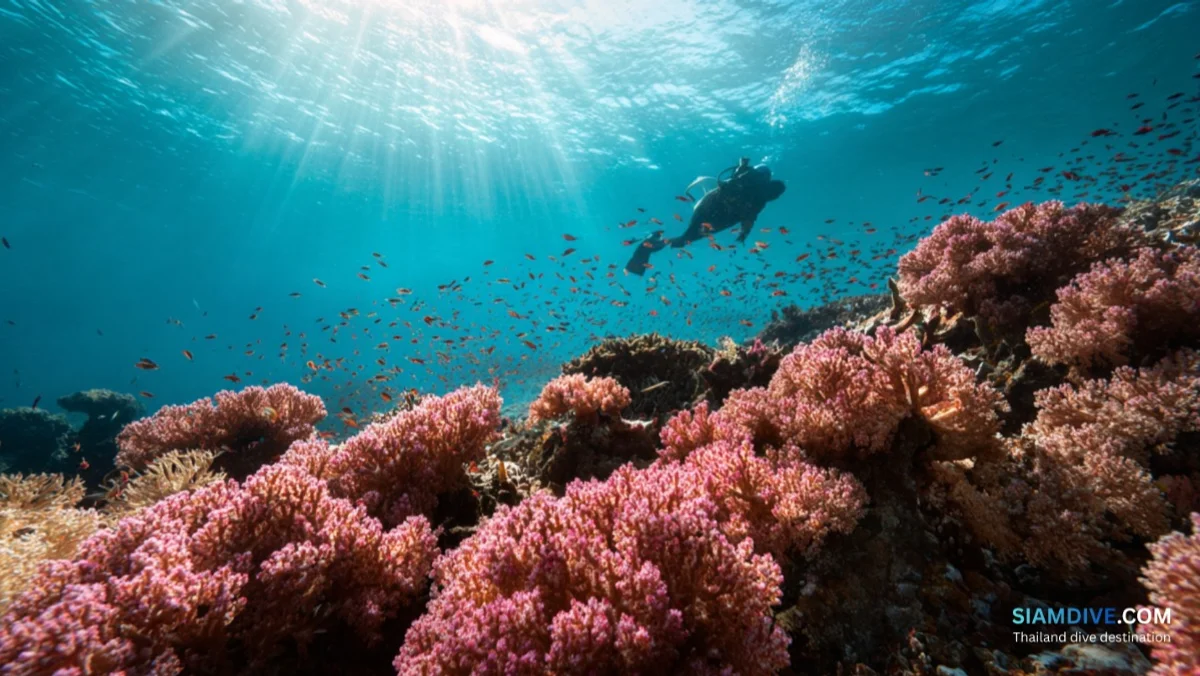
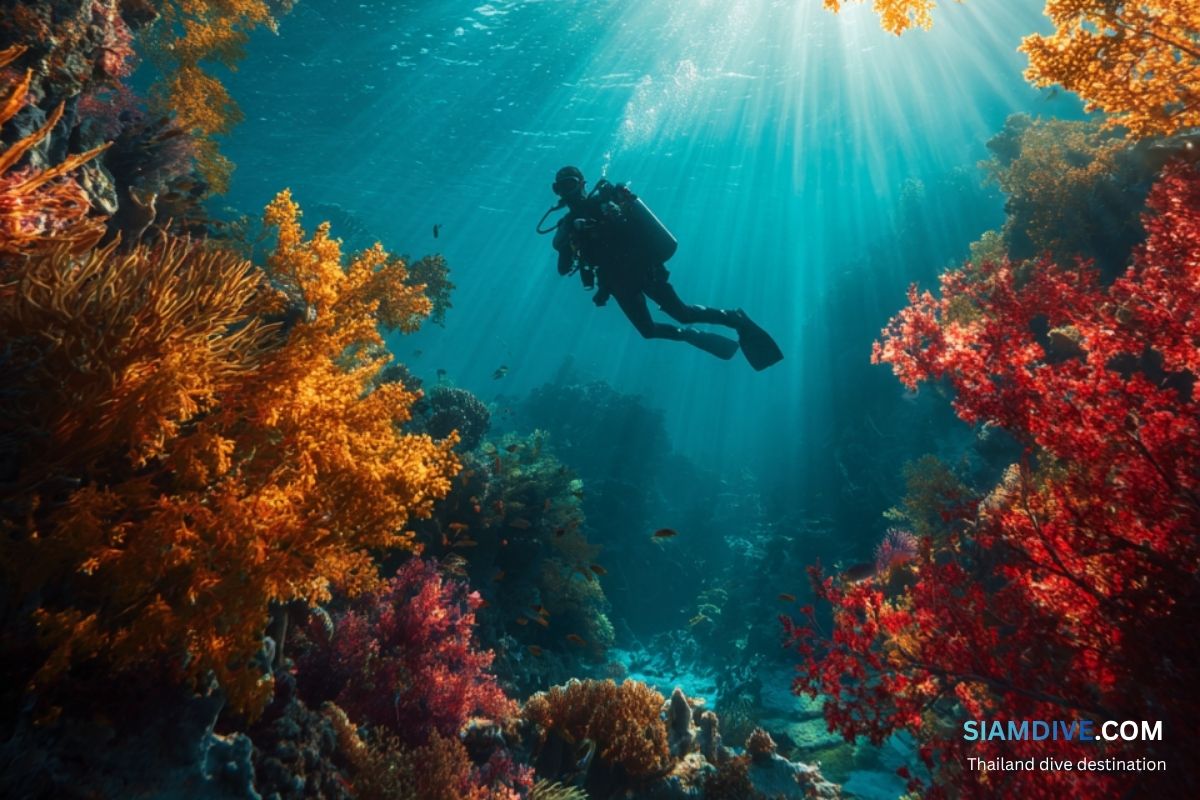
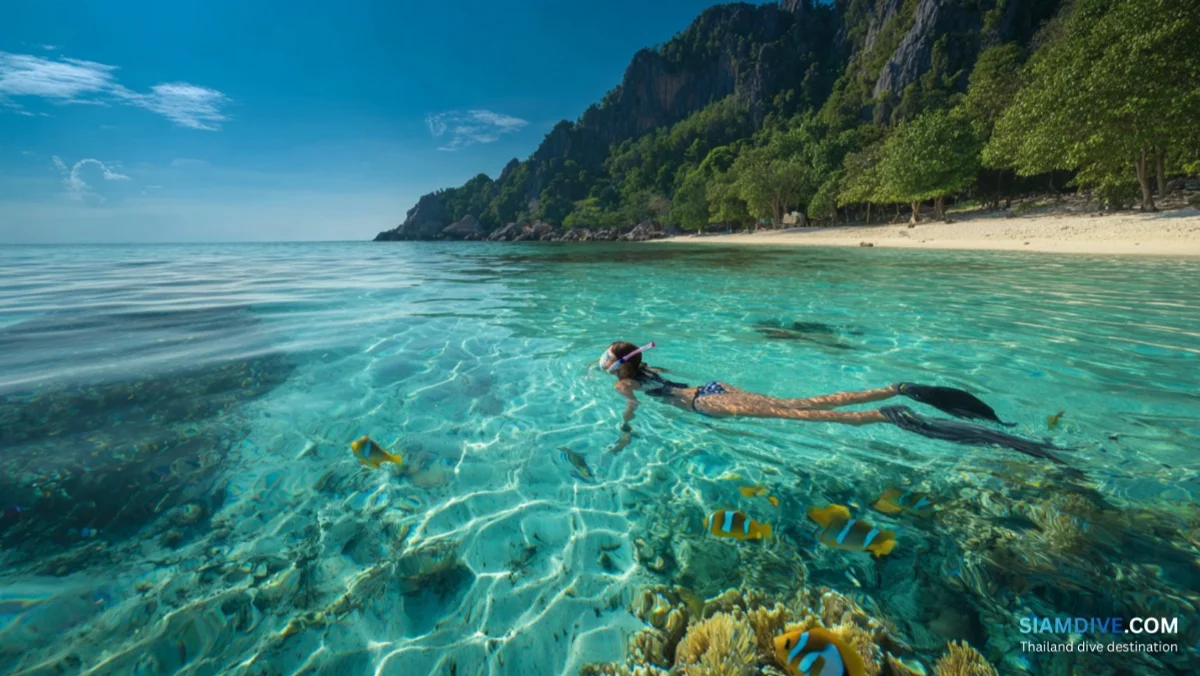
Over 70% of our planet is covered by water, and most people will never see what's underneath. Not from a glass-bottom boat. Not from a snorkel mask floating on the surface. The real stuff — the kind that makes your jaw drop — starts at about 10 meters down, where snorkelers can't go.
Scuba certification isn't just a card in your wallet. It's a permanent key to a world that 99% of the population never visits. And the best part? Once you're certified, the card never expires. You learn it once, and it's yours for life.
It's the Best Workout You'll Never Notice
Swimming against a mild current for 45 minutes while carrying 15 kilograms of gear burns roughly the same calories as a solid gym session. Your legs power through the water with fins, your core stabilizes your body to maintain buoyancy, and your lungs work harder at depth because the air is denser.
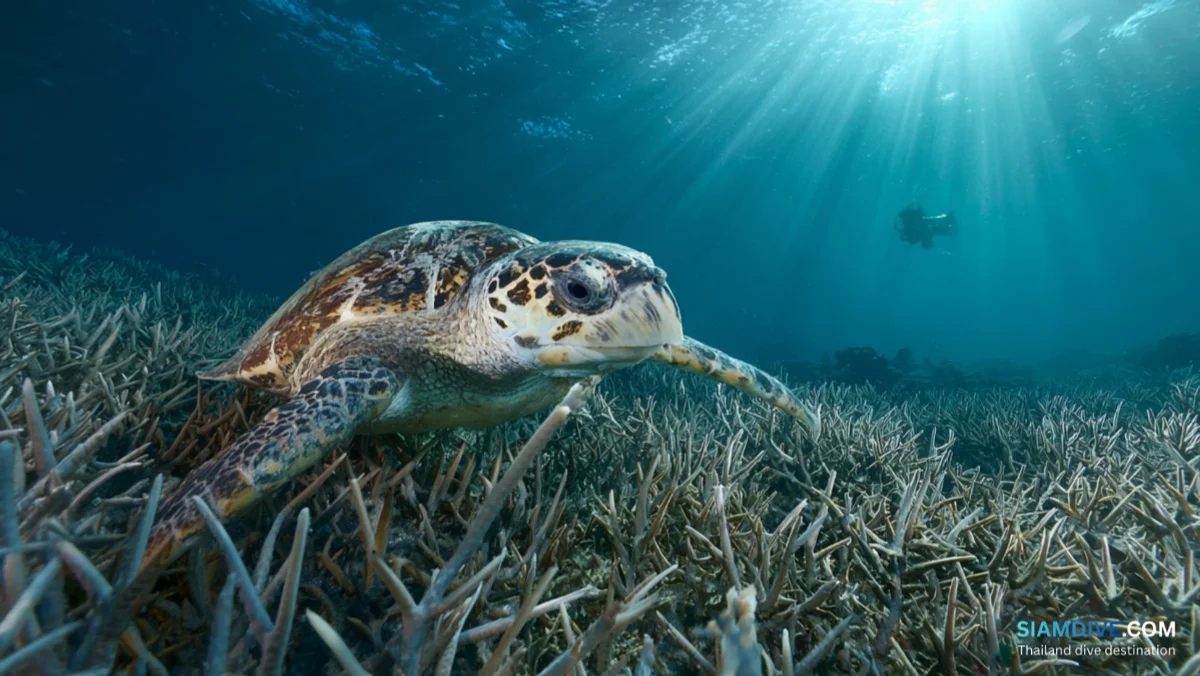
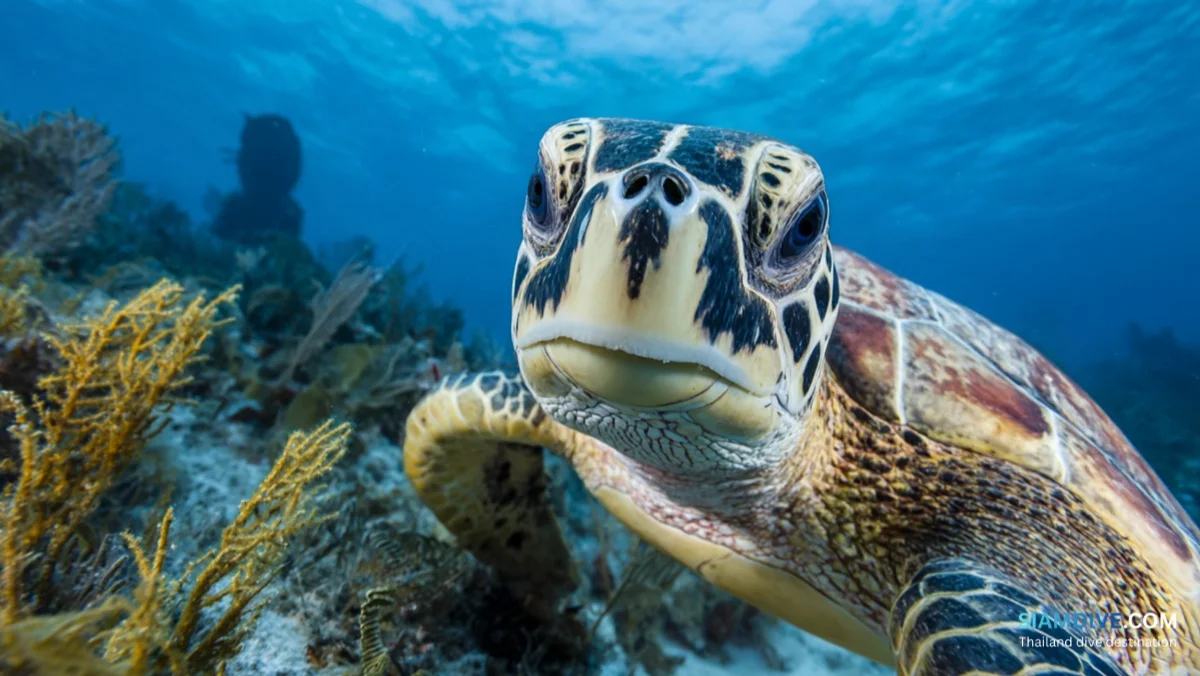
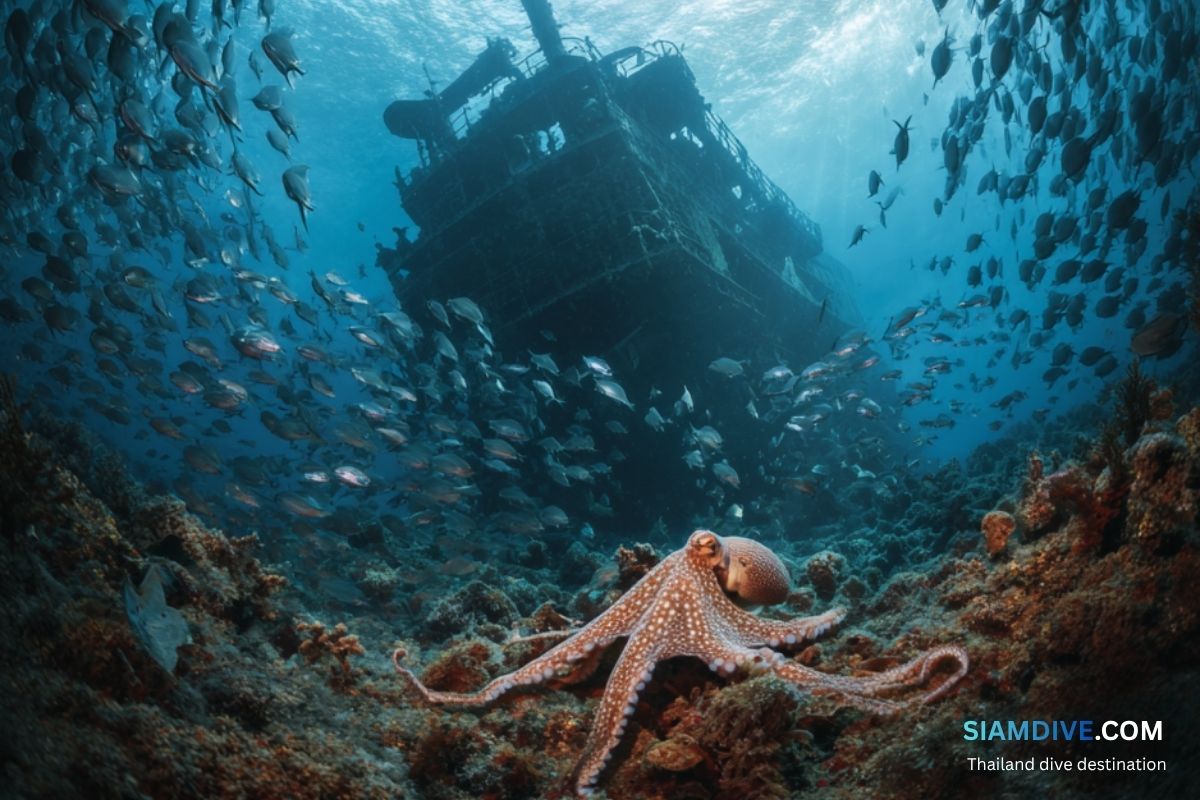
But here's what's funny — you won't feel like you're exercising. You're too busy watching a sea turtle glide past or trying to spot a camouflaged octopus. An hour passes and you surface thinking "that was relaxing," not realizing you just torched 500-700 calories.
Studies also show that regular diving improves cardiovascular health, lowers blood pressure, and increases lung capacity over time. DAN (Divers Alert Network) reports that active divers tend to maintain better overall fitness simply because the sport demands it without the monotony of a treadmill.
Your Brain Needs This Kind of Quiet
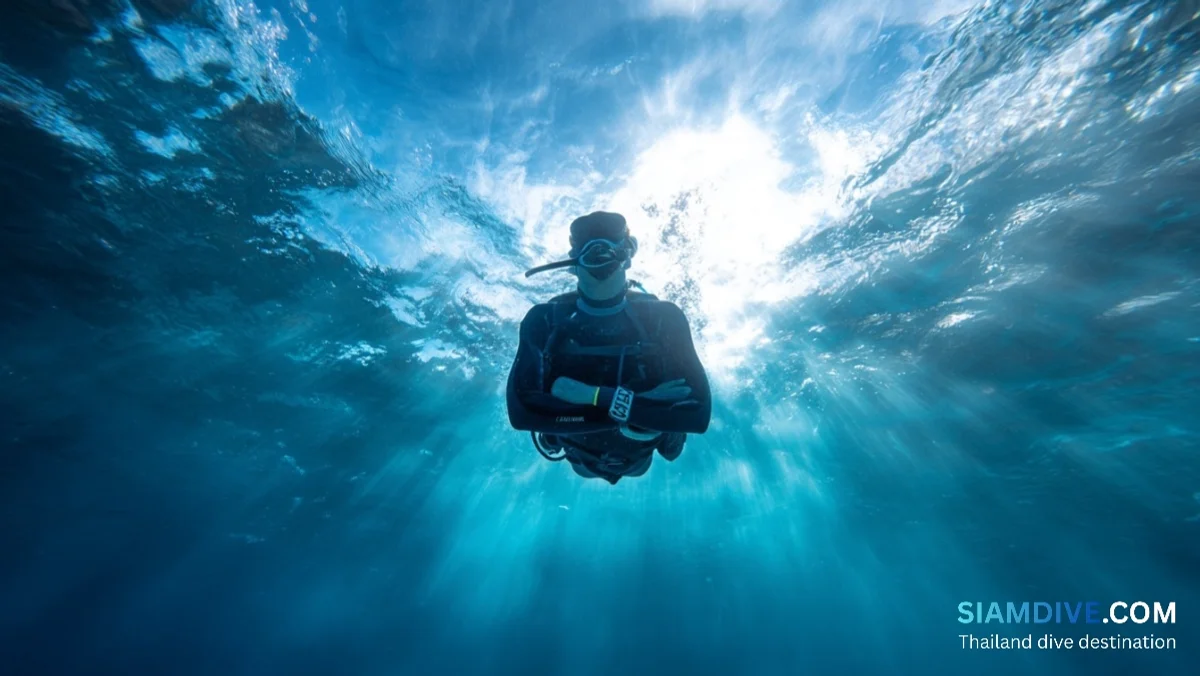
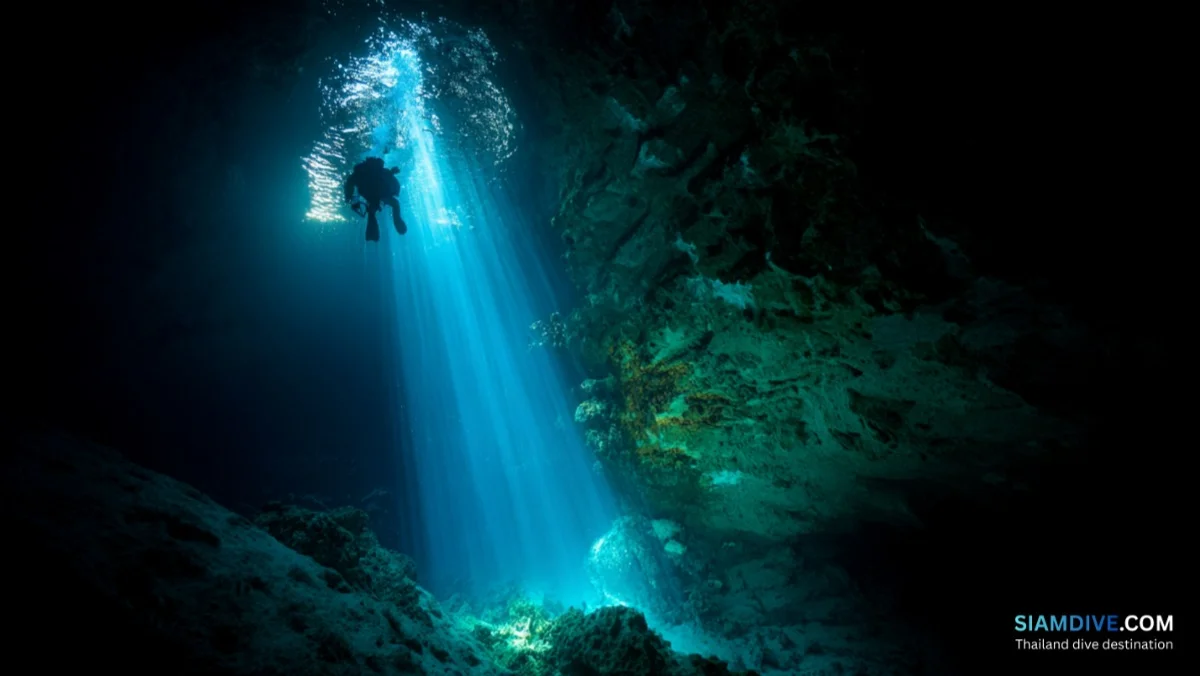
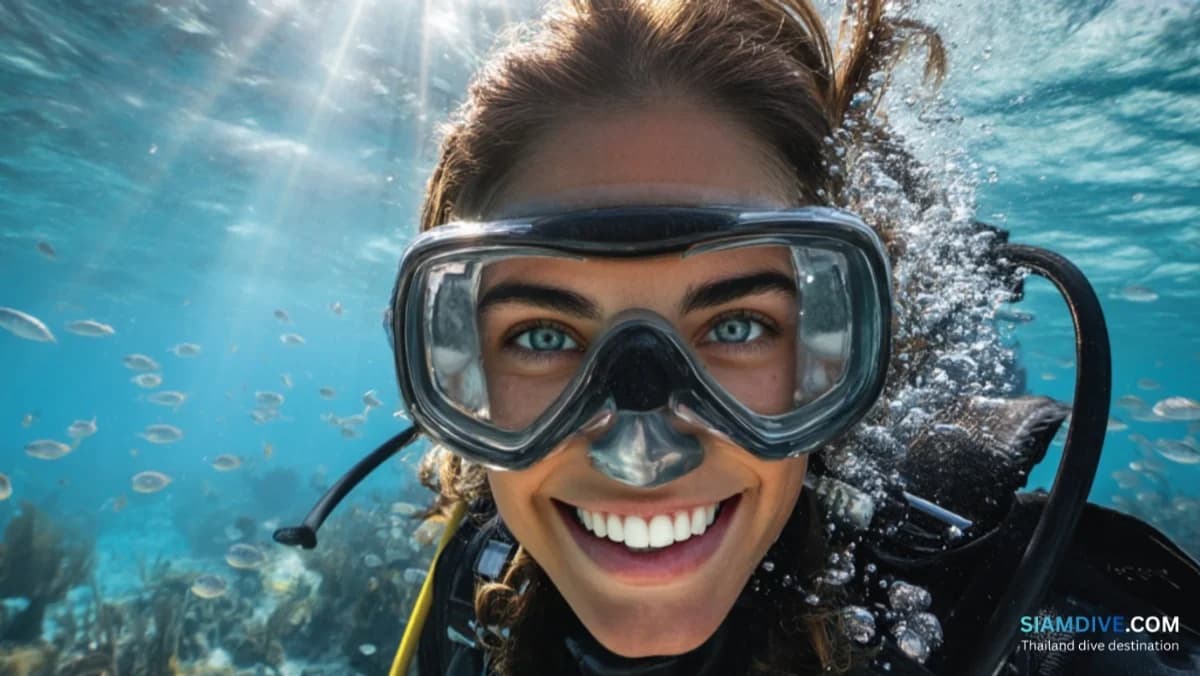
Underwater, there's no phone buzzing. No email notifications. No background noise from traffic or coworkers. The only sound is your own breathing — slow, rhythmic, deliberate. That's not just poetic. It's genuinely meditative.
Controlled breathing is the foundation of scuba diving. You breathe in slowly, breathe out slowly, and your heart rate drops. Cortisol levels decrease. Your mind stops racing. Psychologists who study flow states have noted that scuba diving checks almost every box: clear goals, immediate feedback, complete absorption in the task, and a sense of time distortion.
People pay hundreds for meditation retreats to achieve what a single 45-minute dive delivers for free. After a few dives, you'll notice the effect lingers — you're calmer on the surface too.
Travel Stops Being Generic
Every tourist visits the same beaches, the same temples, the same markets. Add a scuba certification and suddenly you have a reason to go to places most travelers skip entirely — Komodo instead of Bali, Malapascua instead of Boracay, the Similans instead of just Phuket town.
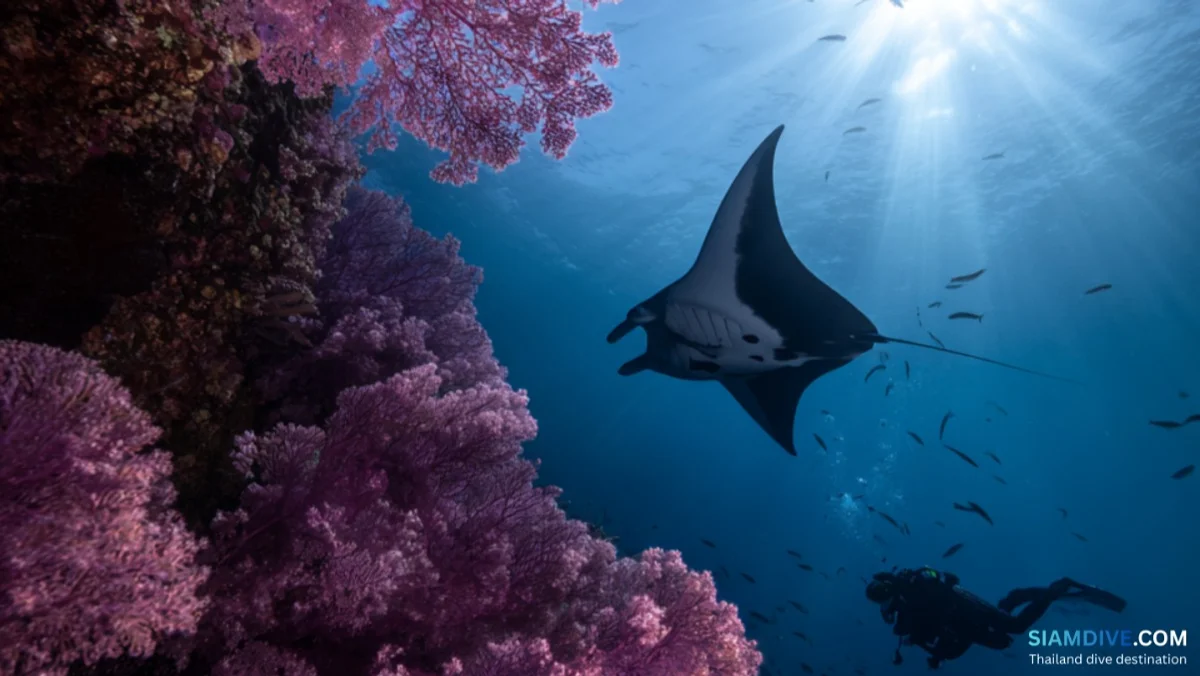
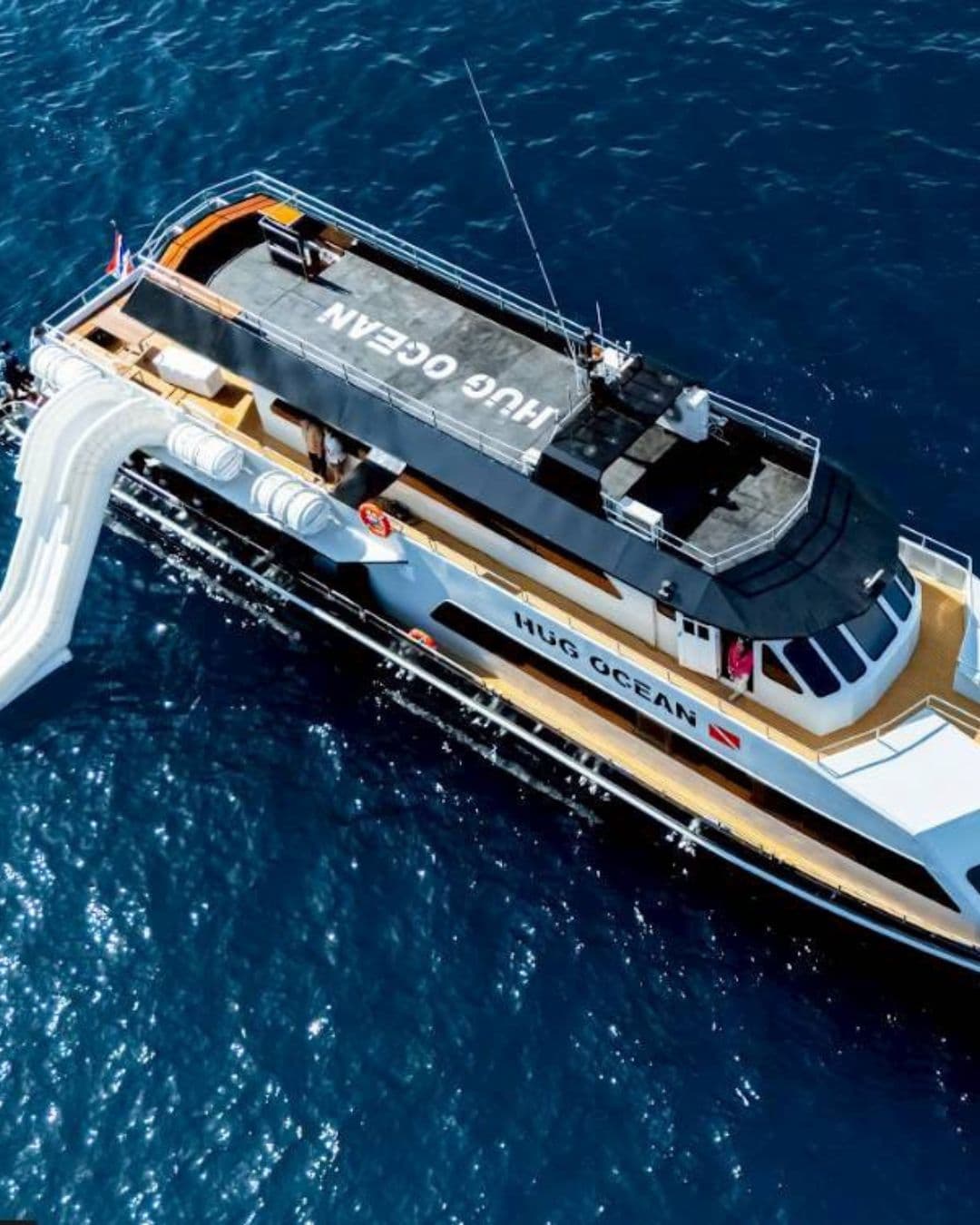
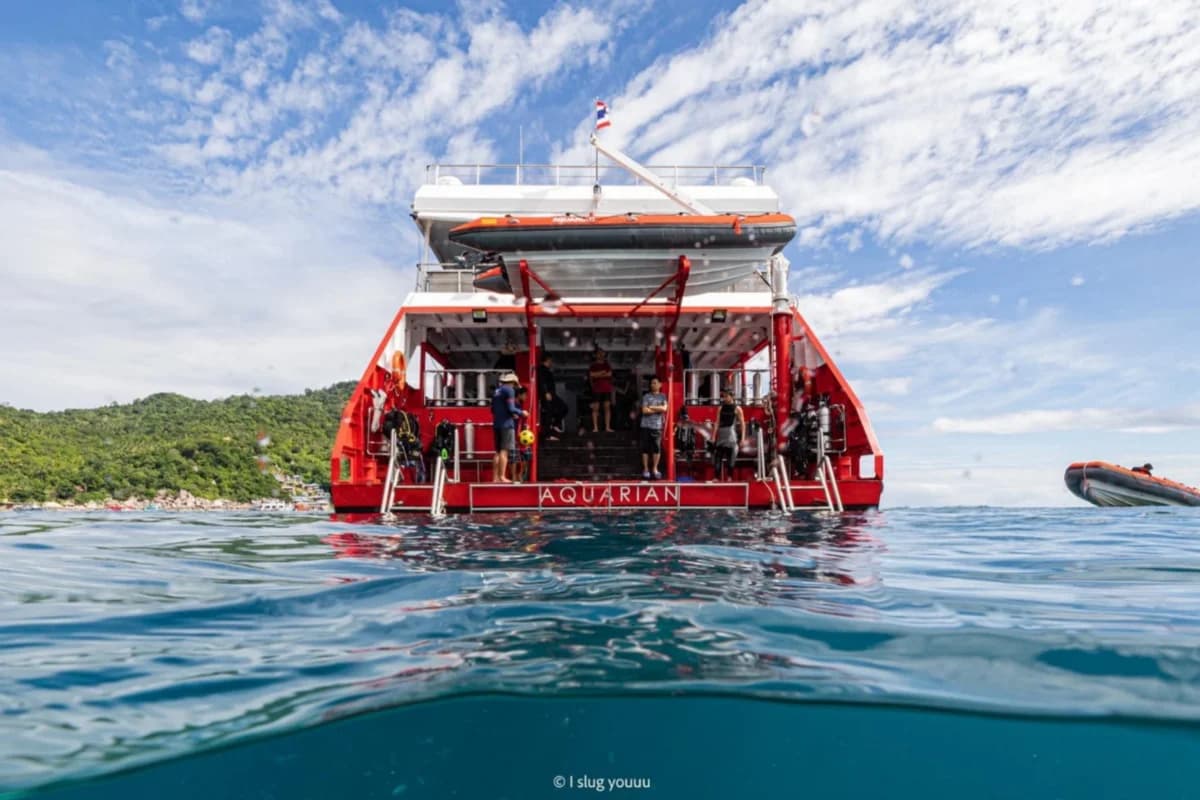
Dive travel reshapes your trip planning. Instead of "which city has good food," you start asking "where are the whale sharks this month?" or "which island has the best wall dives?" You end up in small fishing villages, on liveaboard boats with 12 strangers who become friends, and at sunrise briefings where the dive guide says "we might see mantas today."
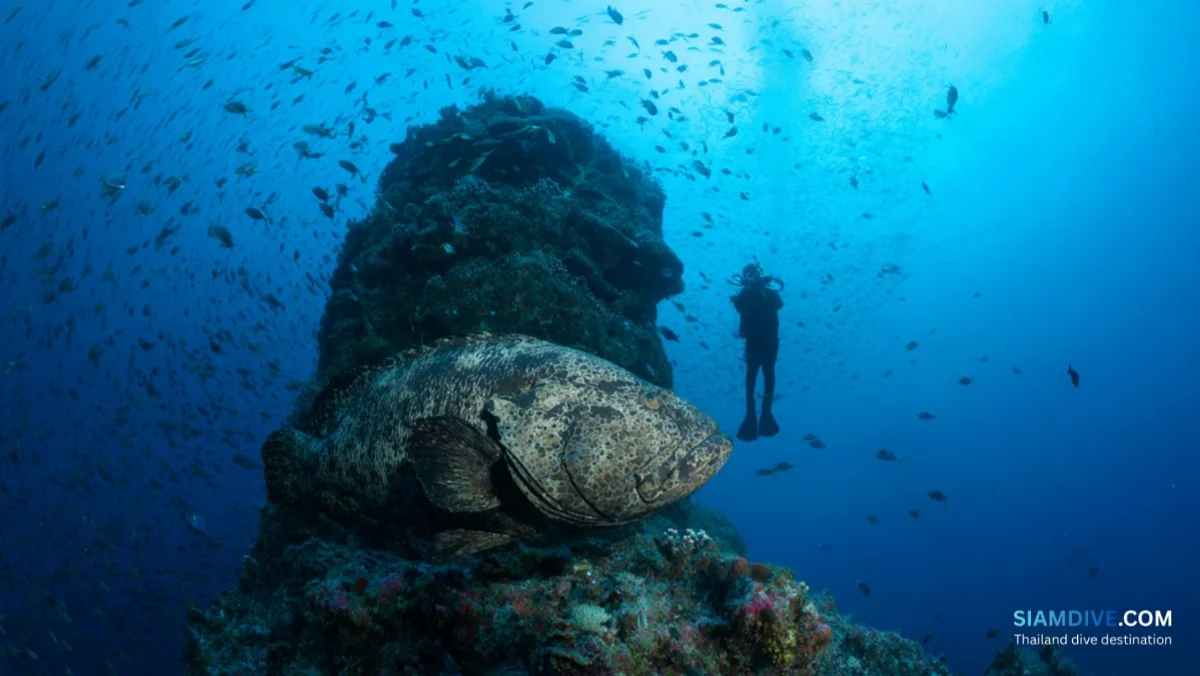
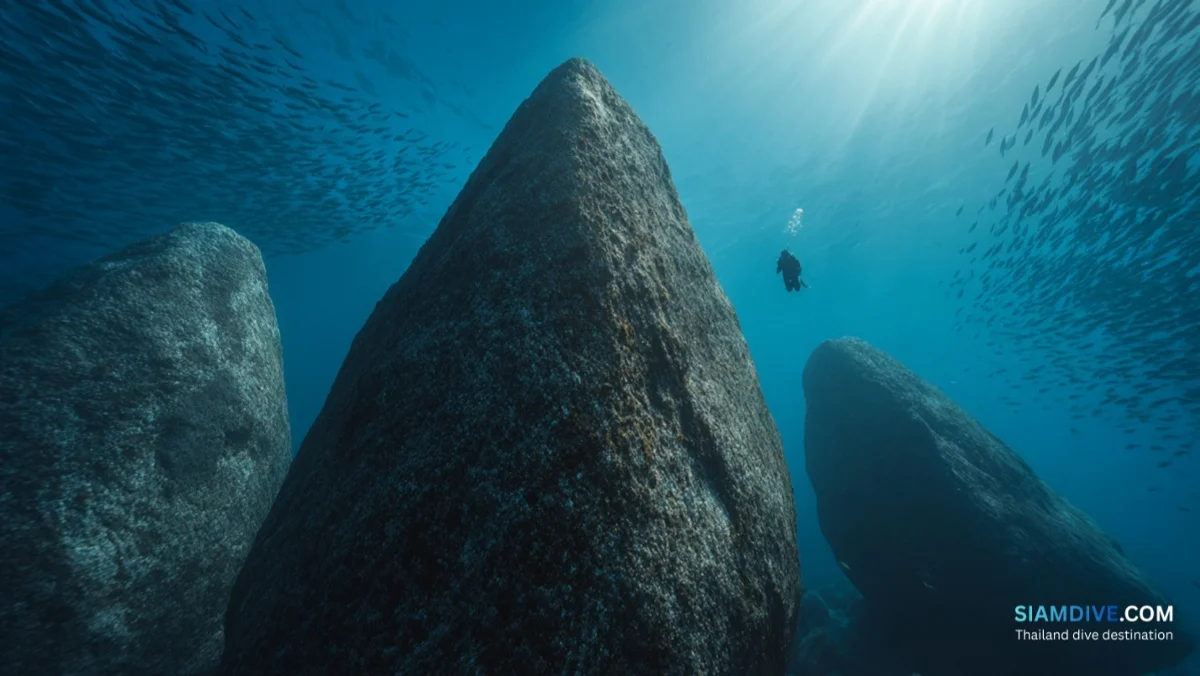
Thailand alone has over 200 documented dive sites — from the shallow, beginner-friendly reefs of Koh Tao to the deep pinnacles of Richelieu Rock where whale sharks cruise through from February to May. A certified diver in Thailand has an entirely different vacation than a non-diver.
The Community Is Surprisingly Welcoming
Scuba diving attracts a specific kind of person: curious, adventurous, a little bit obsessed with the ocean. Walk into any dive shop anywhere in the world and you'll find people who genuinely want to share what they know. There's no gatekeeping. A diver with 3,000 logged dives will happily chat with someone who just finished their Open Water course yesterday.
The buddy system — where you always dive in pairs — means you're constantly meeting people. On a liveaboard trip, you'll share meals, swap stories, and coordinate dive plans with people from completely different backgrounds. Some of the strongest friendships form during surface intervals between dives, sitting on a boat deck in the sun, talking about what you just saw 20 meters down.
PADI alone has certified over 28 million divers worldwide. That's 28 million people who share a common language of hand signals, dive tables, and "remember that one time we saw a hammerhead."
Certification Is Faster and Cheaper Than You Think
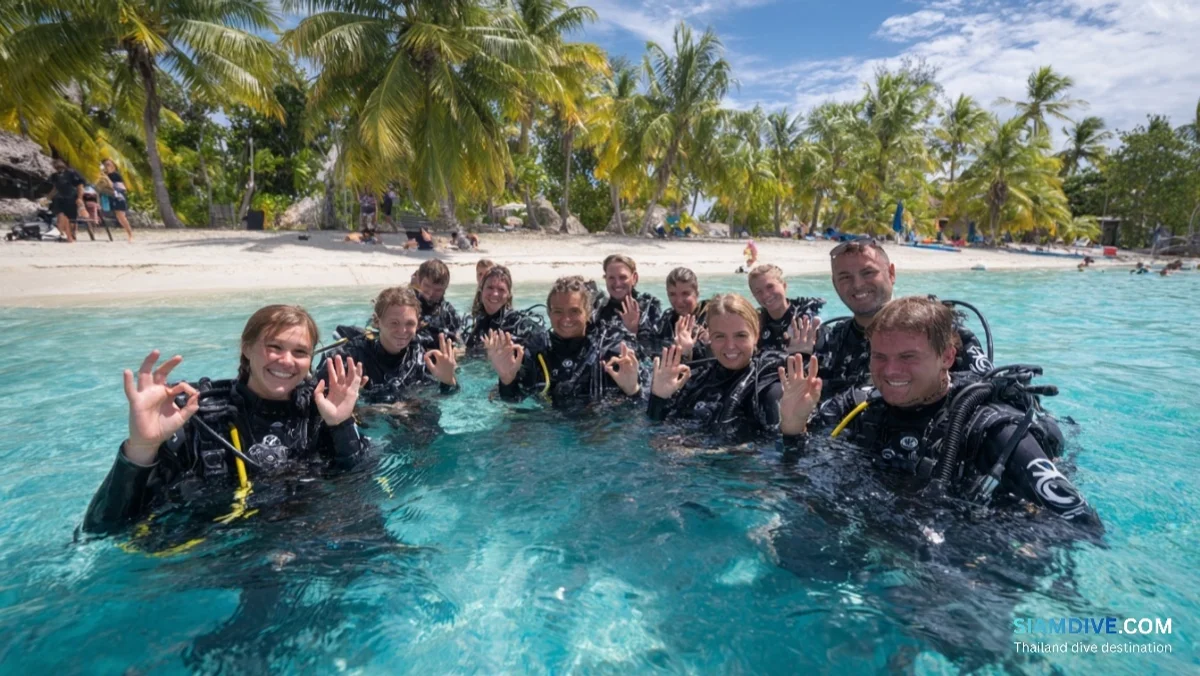
The PADI Open Water Diver course — the standard entry-level certification — takes 3 days. Day one covers theory (which you can do online at home beforehand). Day two is pool training where you practice skills like mask clearing, regulator recovery, and buoyancy control. Days three and four are open water dives — four dives total in the ocean where you demonstrate everything you've learned.
Cost? In Thailand, a full Open Water course runs 9,500 to 12,000 Thai baht — that's roughly $260-330 USD. That includes all equipment rental, instruction, boat trips, and the certification card. In places like Koh Tao, which certifies more divers annually than almost anywhere else on earth, competition keeps prices low and quality high.
Compare that to other adventure sports: a skydiving license costs $3,000+, a pilot's license runs $10,000+, and even a basic sailing course is $500-800. Scuba certification gives you lifetime access to an entirely new world for the price of a nice dinner for two.
You'll Actually Understand Why the Ocean Matters
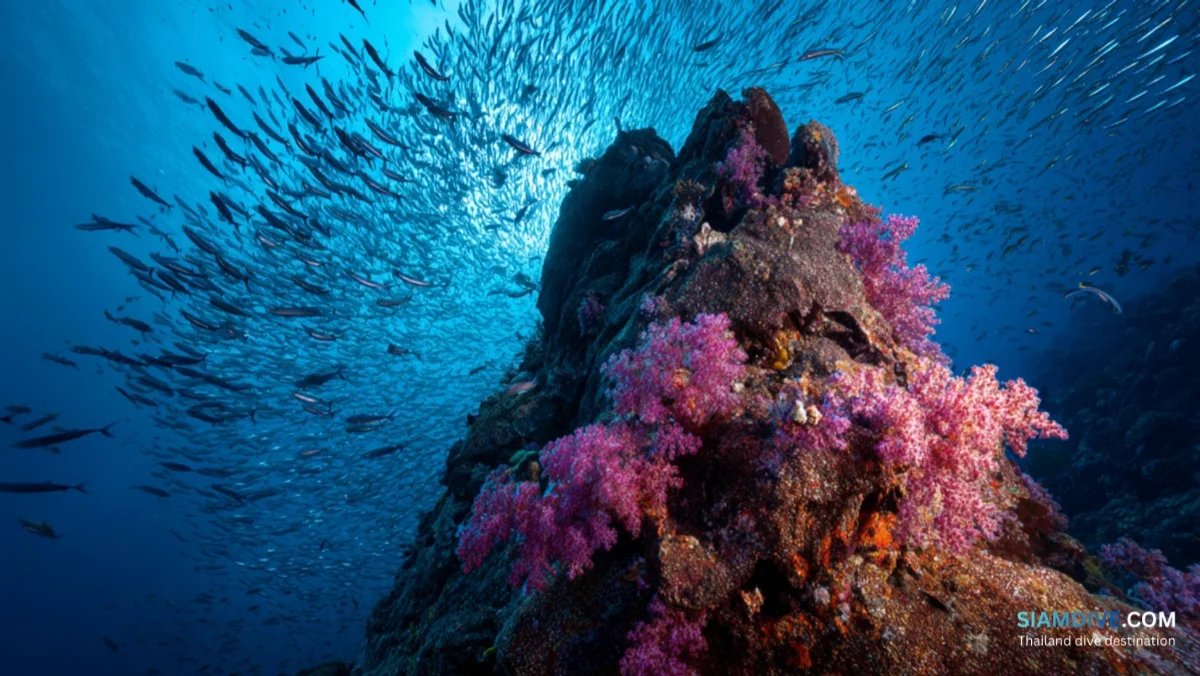
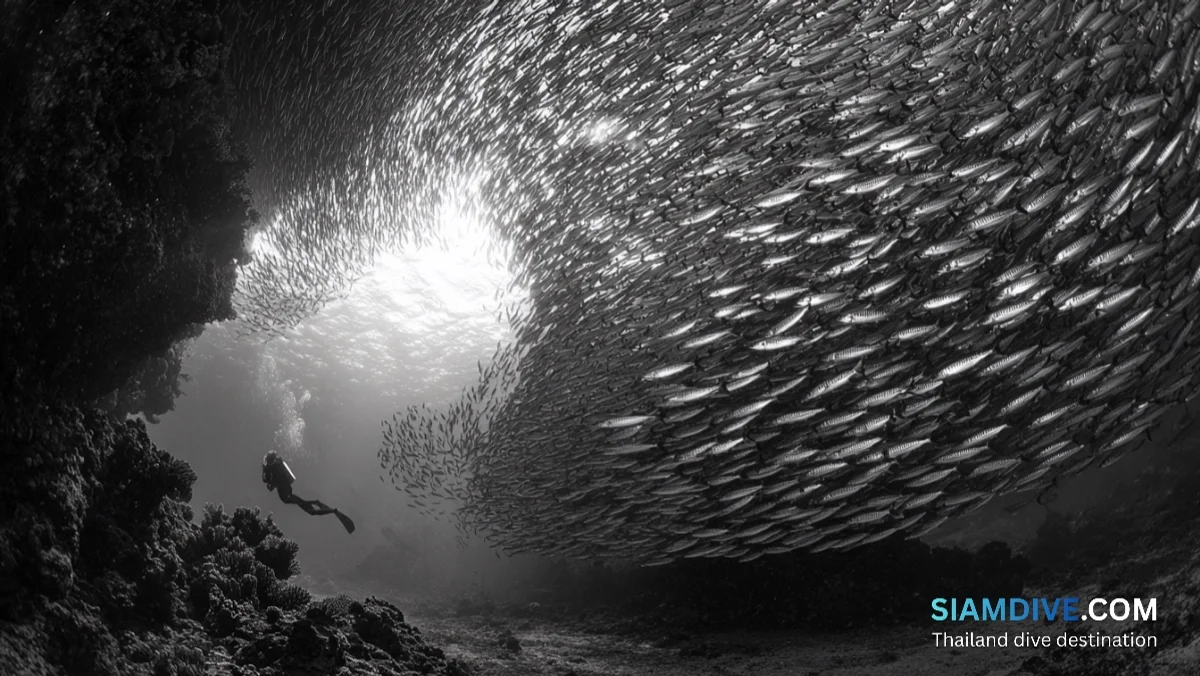
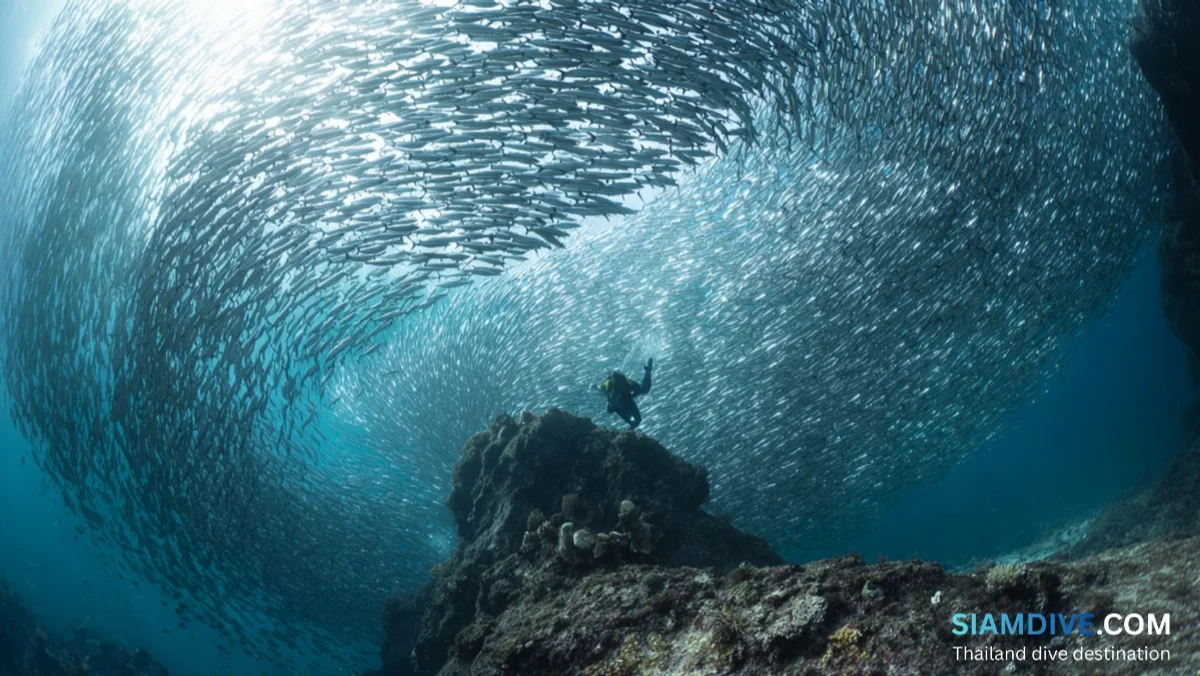
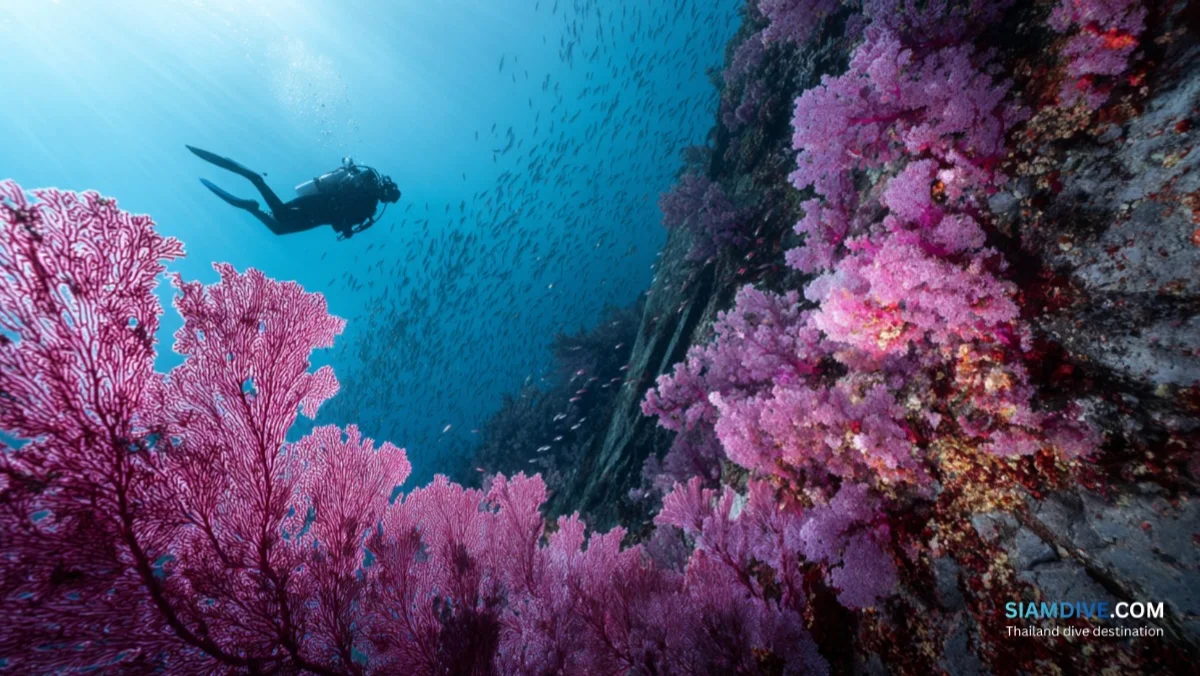
It's easy to nod along when someone talks about coral bleaching or overfishing. It's different when you've seen a healthy reef with your own eyes — thousands of fish species darting between coral heads, cleaning stations where tiny shrimp groom moray eels, and sea fans swaying in the current like underwater trees.
Once you've seen it, you can't unsee it. You start caring about sunscreen ingredients, plastic straws, and which seafood is sustainably sourced. Not because someone lectured you, but because you've been there. You've floated over a reef that took hundreds of years to grow, and you understand viscerally what's at stake.
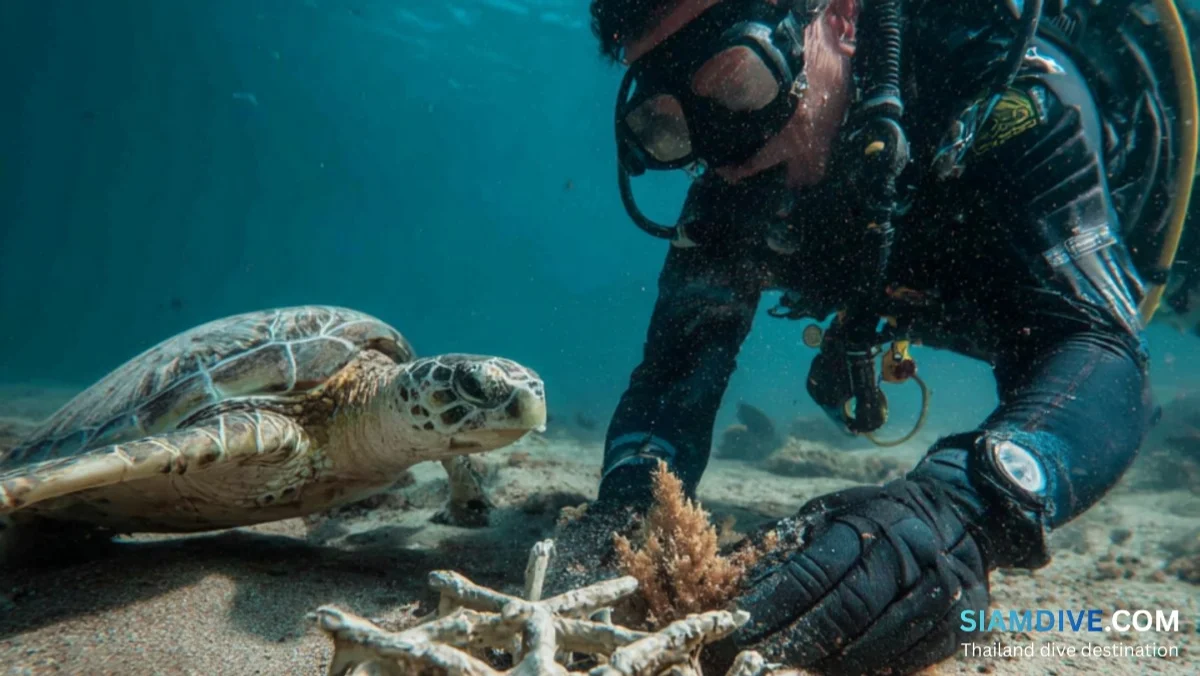
Many dive operators now incorporate reef conservation programs into their courses. Project AWARE, run by PADI, has mobilized divers to remove over 2 million pieces of marine debris from the ocean. When you learn to dive, you don't just observe — you become part of the solution.
The First Step Is Easier Than You Think
You don't need to be an Olympic swimmer. You don't need expensive gear. You don't need to be young or athletic — people in their 60s and 70s get certified regularly. The basic requirement is that you can swim 200 meters without stopping and float for 10 minutes. That's it.
If you're not sure, start with a Discover Scuba Diving (DSD) experience — a half-day introduction where an instructor takes you through basic skills in a pool, then guides you on a shallow ocean dive to 12 meters. No commitment. No exam. Just a taste. About 80% of people who do a DSD end up signing up for the full certification course.
The gear is provided. The instructors are trained to work with complete beginners. The maximum student-to-instructor ratio is 4:1 for open water dives. You're not jumping off a cliff hoping the parachute opens — you're learning a skill step by step, in controlled conditions, with a professional by your side.
So the real question isn't "why learn scuba diving?" It's "what are you waiting for?" Pick a destination. Book a course. Your underwater life starts with one decision.