Should You Get Scuba Certified? An Honest Answer
9 เมษายน 2569
Real costs, time commitments, physical requirements, and risks of scuba certification — plus a smart way to test the waters before you invest.
The Question Everyone Asks Before Committing
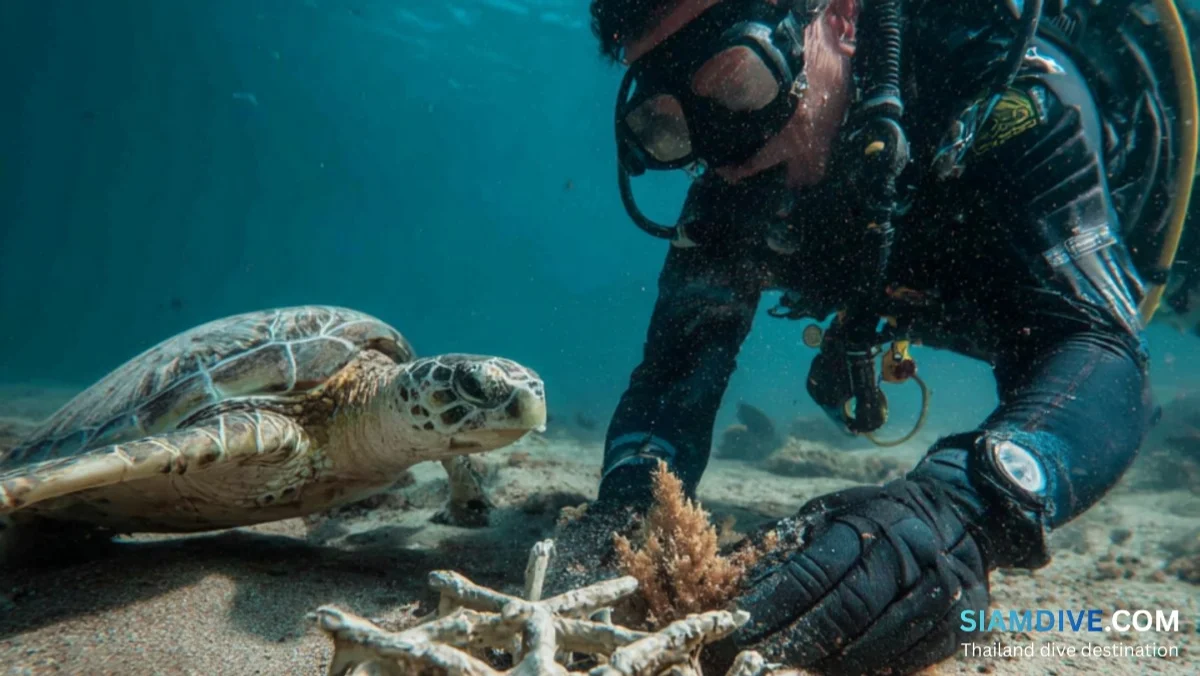
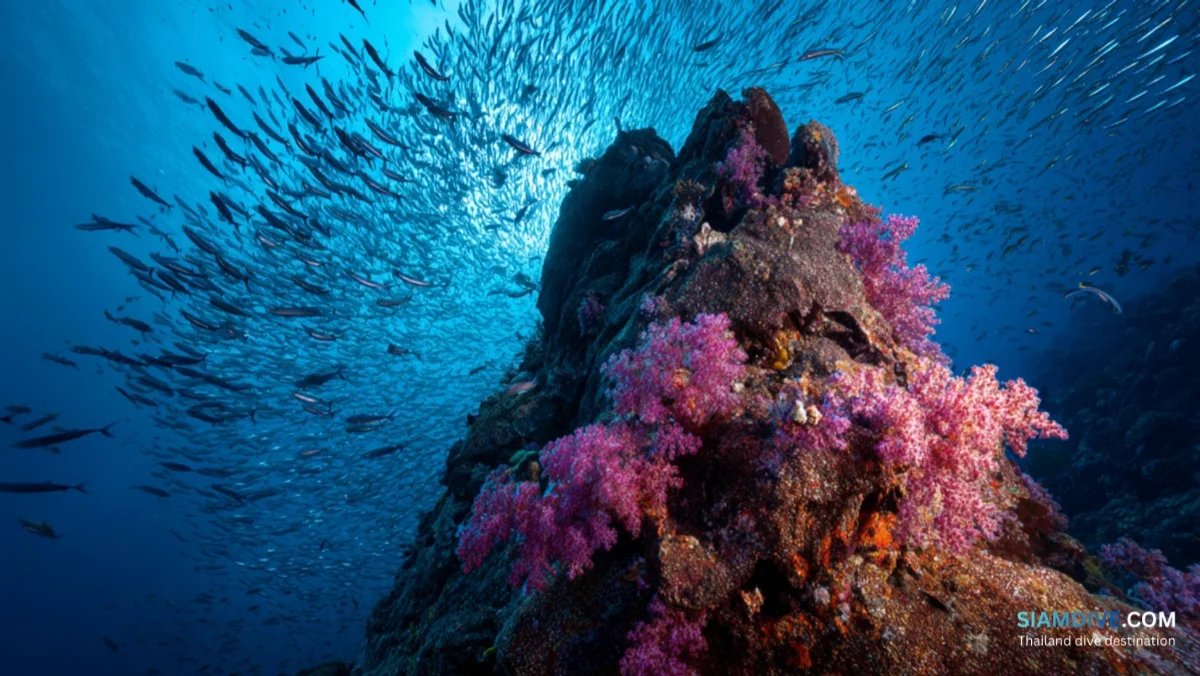
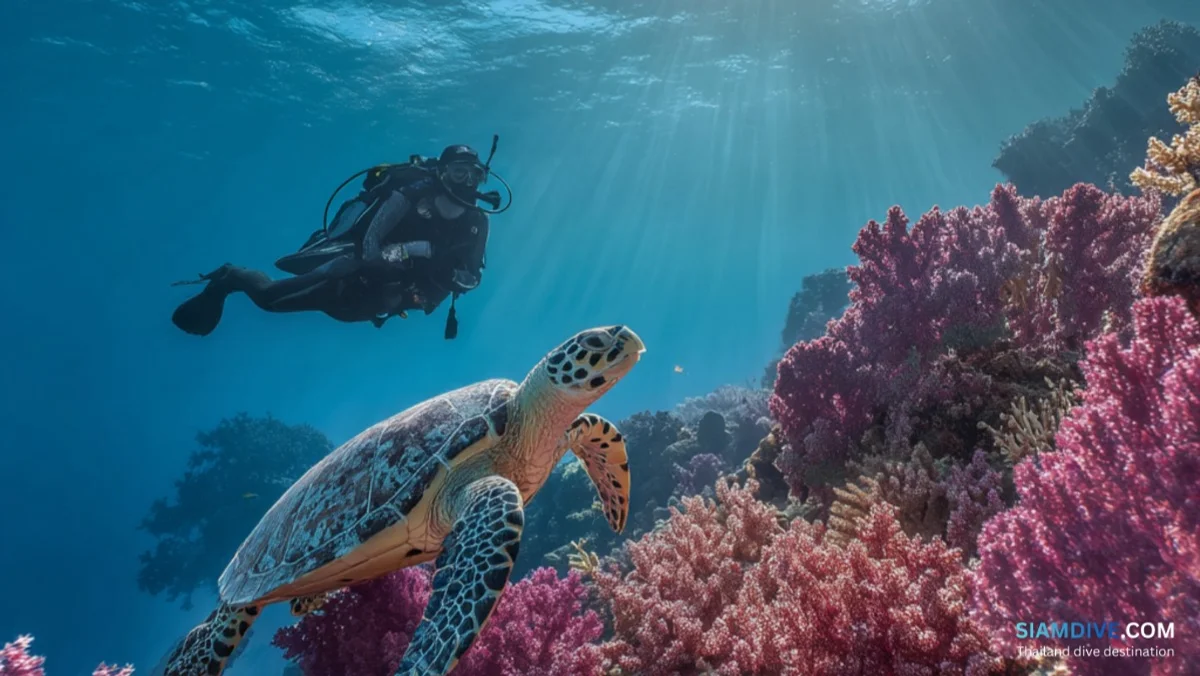
You've seen the photos. Turquoise water, coral gardens, sea turtles gliding past like they own the place. Maybe a friend came back from Thailand raving about their dive certification. Now you're wondering: should I actually do this?
It's a fair question. Scuba certification costs real money, takes real time, and asks you to breathe underwater — which, let's be honest, goes against every survival instinct you have. Some people sign up impulsively on vacation and love it. Others research for months and still hesitate.
This article gives you the full picture. Costs, time, physical requirements, risks, and realistic expectations. No sales pitch. By the end, you'll know whether scuba certification makes sense for your life, your budget, and your comfort level — or whether you're better off sticking with snorkeling.
What Scuba Certification Actually Gets You
A scuba certification — most commonly the PADI or SSI Open Water Diver — is a globally recognized credential that allows you to rent equipment and dive with a buddy anywhere in the world. Without it, you're limited to supervised introductory experiences or snorkeling from the surface.
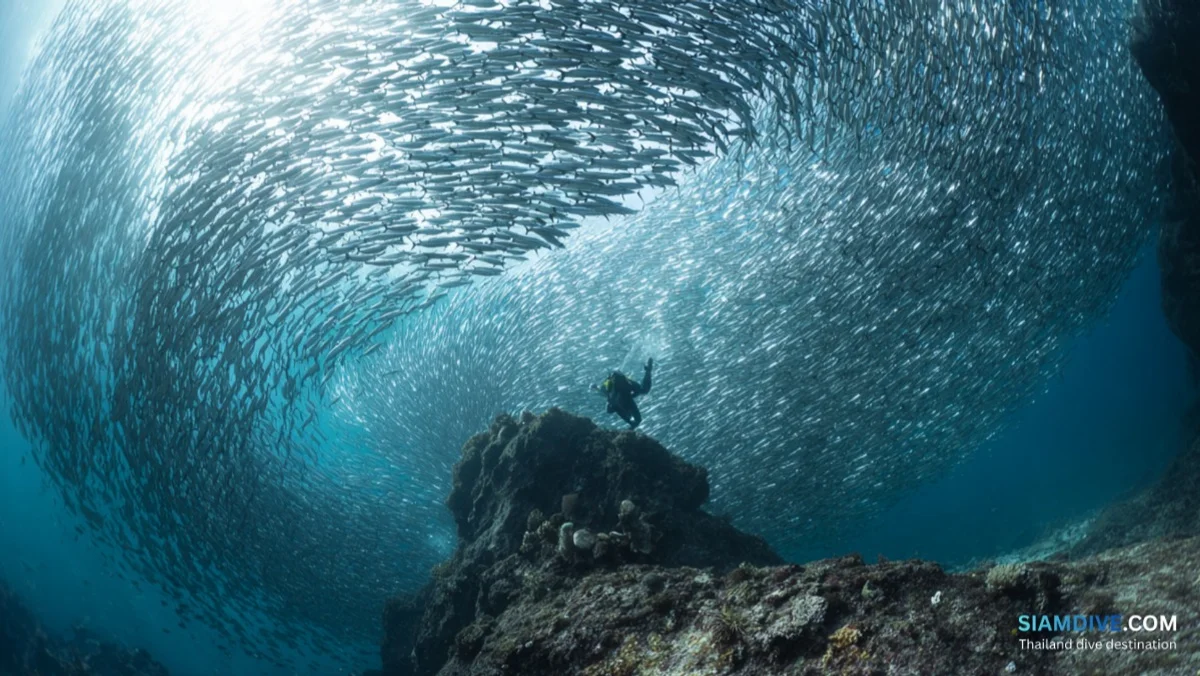
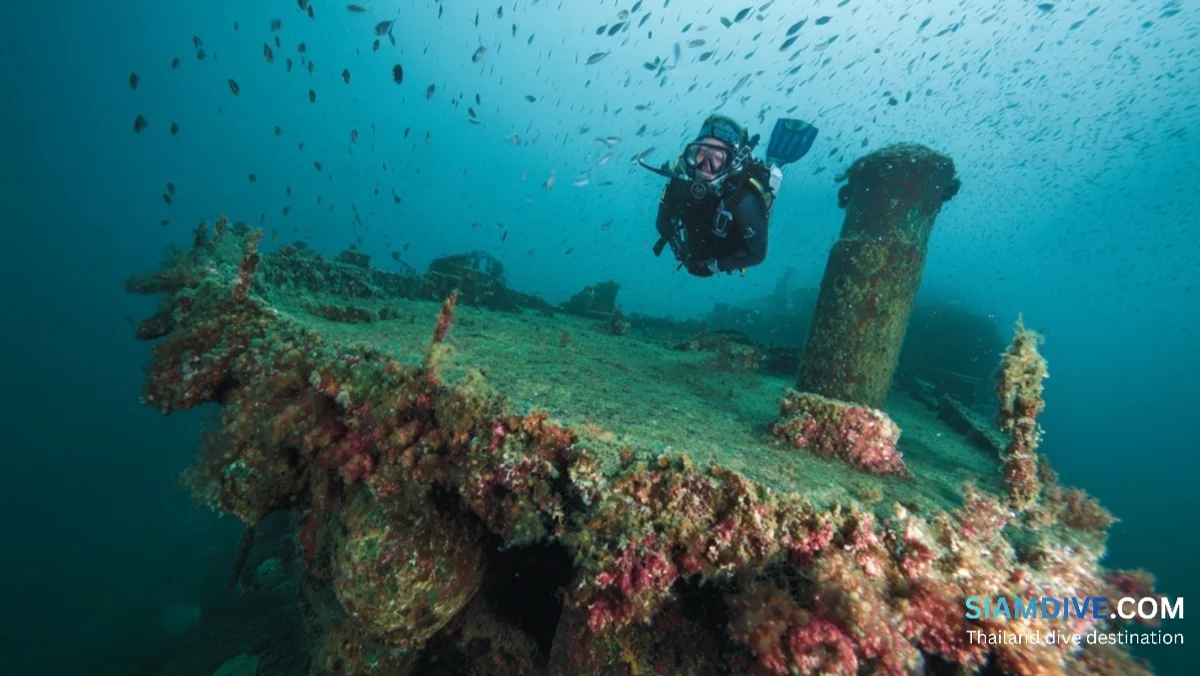
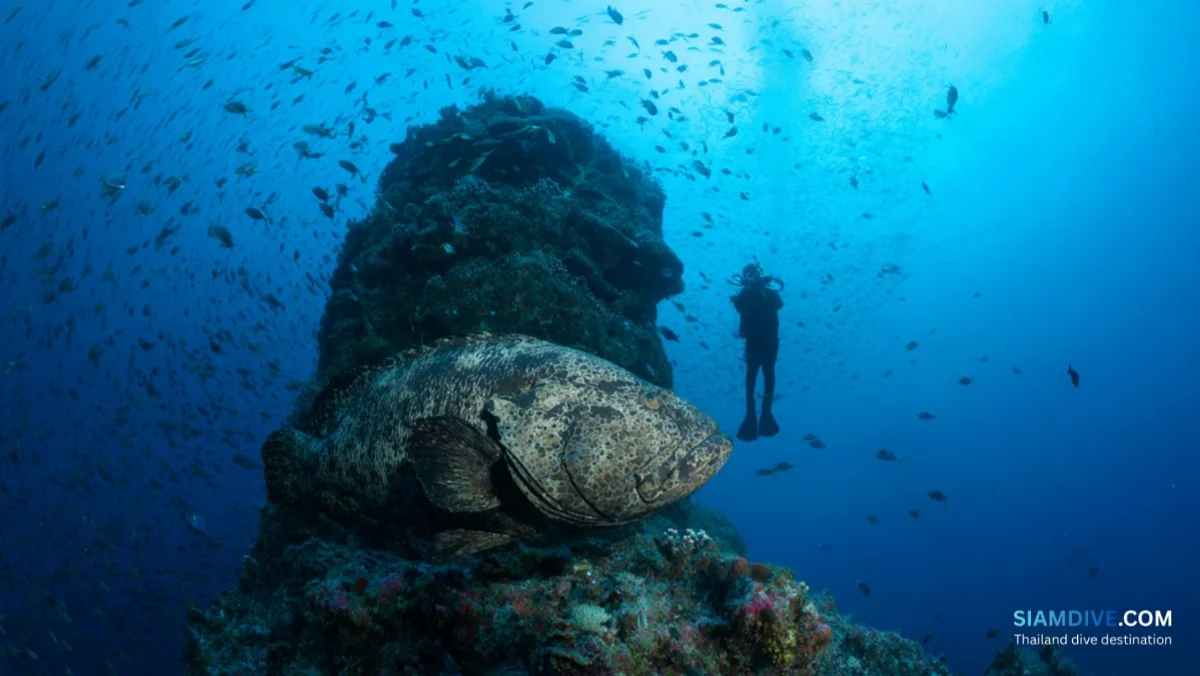
With an Open Water certification, you can dive to a maximum depth of 18 meters (60 feet). That's deep enough to explore most coral reefs, swim through schools of tropical fish, and visit shallow shipwrecks. It doesn't expire, though most dive shops will ask when you last dived and may require a refresher if it's been more than a year or two.
Beyond the basic cert, there's a progression. Advanced Open Water pushes your limit to 30 meters and introduces specialties like night diving, deep diving, and underwater navigation. Rescue Diver teaches you emergency management. Divemaster is the first professional level — you can actually work in the industry after that.
The certification itself is a plastic card (or digital equivalent). What it really represents is proof that you've completed standardized safety training, demonstrated specific underwater skills, and passed knowledge assessments. Dive operators worldwide trust it because the training standards are consistent whether you certified in Thailand, Mexico, or Australia.
There's also a social element that surprises people. Divers tend to find each other. Certification opens the door to dive clubs, group trips, conservation projects, and a community of people who plan vacations around underwater experiences. If you travel frequently, it changes how you think about destinations.
The Real Costs — Training, Gear, and Ongoing Expenses
Let's talk money, because this is where most people start their decision-making.
An Open Water certification typically costs between $300 and $600 USD at most locations worldwide. In Southeast Asia — particularly Koh Tao, Thailand — prices are significantly lower: 9,000 to 11,000 THB (roughly $250-$300 USD), and that usually includes all equipment rental during the course.
If you want to continue to Advanced Open Water, expect another $300-$500 USD and 2-3 additional days. Some schools offer combo packages from beginner through advanced for $800-$1,200 total over about 4 days. The value proposition improves when you bundle.
Going professional is a different financial commitment entirely. A Divemaster internship runs $2,000-$5,000+ and takes 1-3 months. This isn't a casual vacation add-on; it's a career decision.
After certification, costs don't stop. If you dive regularly — say 20-40 dives per year — expect to spend $500-$2,000 annually on trips, boat fees, and equipment rental. Buying your own basic gear (mask, fins, wetsuit, computer) requires about $1,000 upfront but saves on rental fees over time and improves comfort significantly.
Here's the honest truth about gear: you don't need to buy anything to start. Every dive center rents everything. But if you stick with diving, you'll eventually want your own mask (fit matters enormously) and your own dive computer (trusting your life to a rental unit gets old). These two items alone run $300-$500 and make a noticeable difference in your diving experience.
Annual maintenance is minimal if you take care of your equipment — rinse after every dive, store properly, get regulators serviced once a year. Budget $100-$200 per year for maintenance if you own gear.
Time Commitment — From Weekend Course to Divemaster
The Open Water course takes 3-5 days depending on the program structure. Some centers compress it into 3 days, which means long days and intensive learning. The 4-day version is more comfortable and gives your body time to adjust to breathing compressed air at depth.
Before you even arrive for the course, there's self-study. PADI's eLearning system takes roughly 8 hours to complete — reading, watching videos, answering quizzes, and taking a final exam. You can do this at home weeks before your in-water training, which is highly recommended. Trying to cram theory and water skills into the same compressed timeline leads to worse retention.
Advanced Open Water adds 2-3 days. Rescue Diver is another 3-4 days. Divemaster takes 1-3 months depending on whether you do an internship (recommended) or just the minimum requirements.
The time commitment that people forget about is maintenance. Certifications don't technically expire, but skills do. If you don't dive for 18-24 months, you should take a refresher course — usually a half-day pool session and a checkout dive. This isn't just a recommendation; many dive operators won't take you out without recent experience or a refresher completion.
Realistically, if you're planning a two-week vacation and want to get certified, dedicate the first 3-4 days to the course. Don't try to squeeze it between temple visits and cooking classes. You'll be tired after dive days, and your brain needs downtime to process new information.
The Physical and Mental Side — Who Can (and Can't) Dive
Scuba diving has fewer physical barriers than most people assume, but it does have some non-negotiable requirements.
You need to be able to swim. Specifically, PADI requires a 200-meter continuous swim (any stroke, no time limit) and 10 minutes of treading water or floating. These aren't athletic tests — they confirm you're comfortable in water and won't panic if you're on the surface without a flotation device.
Certain medical conditions disqualify you or require physician clearance: asthma, heart conditions, epilepsy, diabetes, and ear/sinus problems are the main ones. In Thailand, there's no formal medical examination requirement, but you'll fill out a self-assessment health questionnaire. Be honest on it. Lying about a medical condition doesn't make you braver; it makes you a liability to yourself and your dive group.
Age minimum is 10 years old for Junior Open Water, 15 for a full Open Water certification with unrestricted depth access. There's no upper age limit — plenty of divers are in their 60s and 70s — but fitness matters more as you get older.
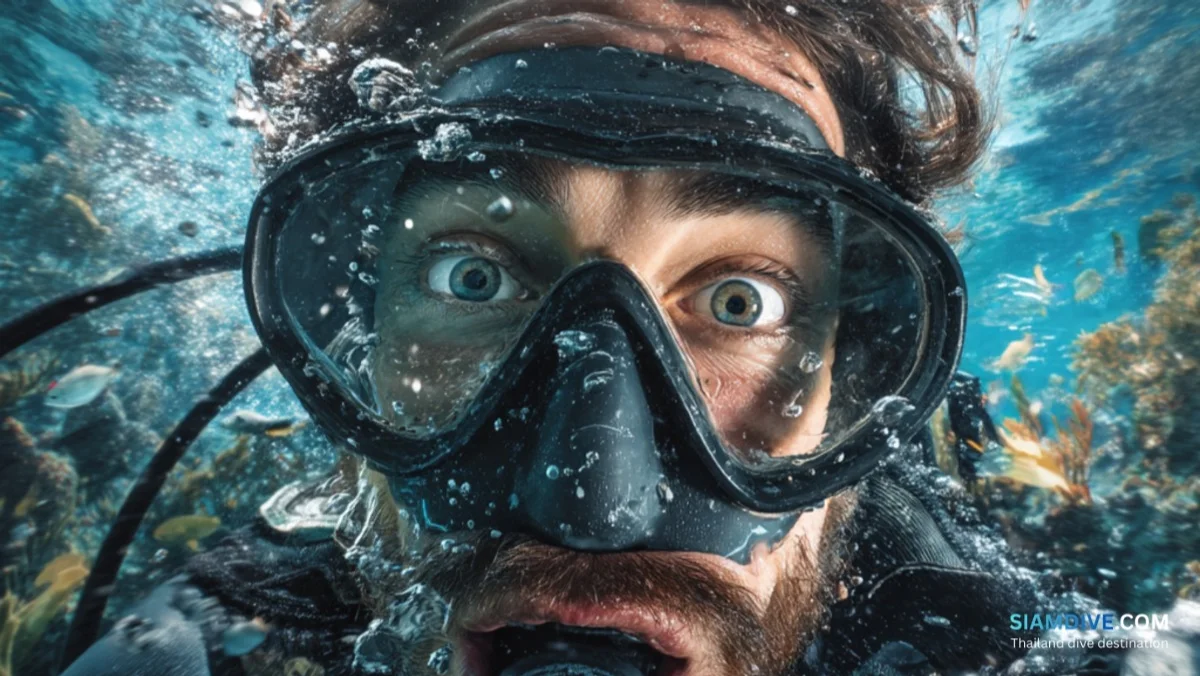
The mental side is where more people struggle than they expect. Breathing underwater feels unnatural. Your body's instinct is to hold your breath or breathe rapidly when stressed. The course teaches you to override these instincts, but some people find this genuinely difficult. Claustrophobia, panic disorders, and severe anxiety in unfamiliar environments are legitimate concerns.
Risks exist. Decompression sickness (the "bends") happens when dissolved nitrogen forms bubbles in your body during ascent. Equipment can malfunction. Currents can be stronger than expected. Marine life can sting or bite. The training specifically addresses all of these scenarios, which is exactly why certification exists rather than just handing someone a tank and wishing them luck.
The pass rate at experienced training centers is high — most people who start the course finish it. Failures usually come from people who can't complete the swimming requirements or who experience unmanageable anxiety underwater. Neither of these is shameful; they're just indicators that scuba might not be your activity.
Try Before You Commit — Discover Scuba Diving
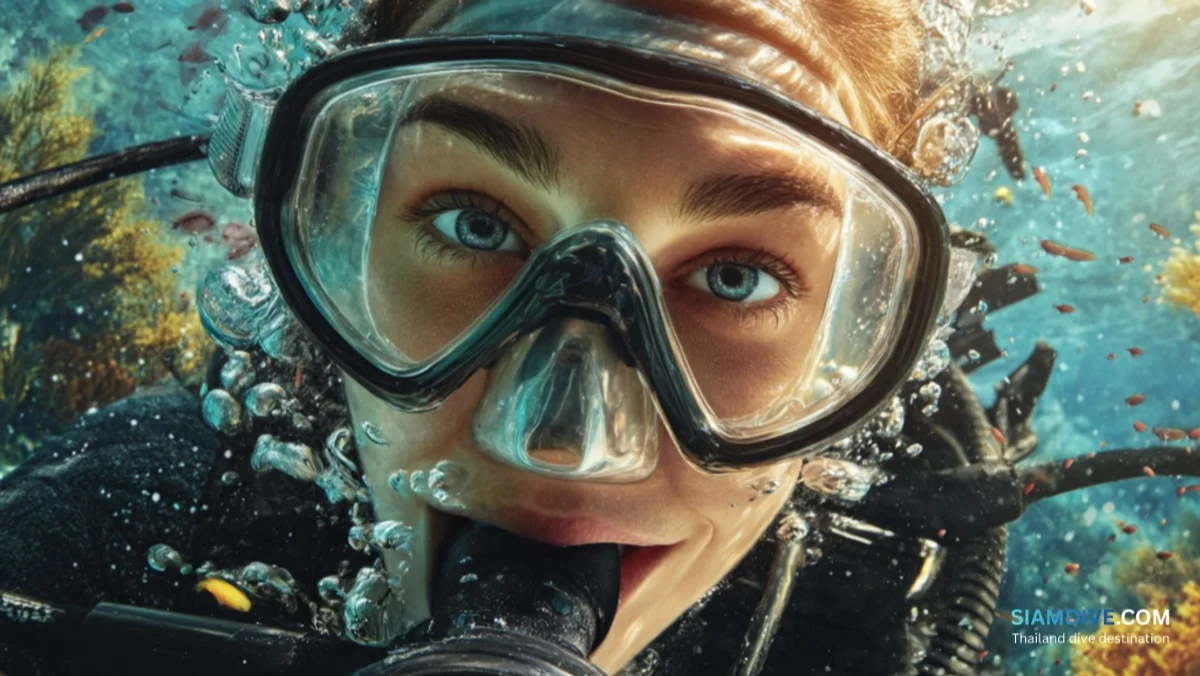
If you're genuinely uncertain, there's a low-commitment option that most people don't know about: Discover Scuba Diving (DSD), sometimes called a "try dive" or introductory dive.
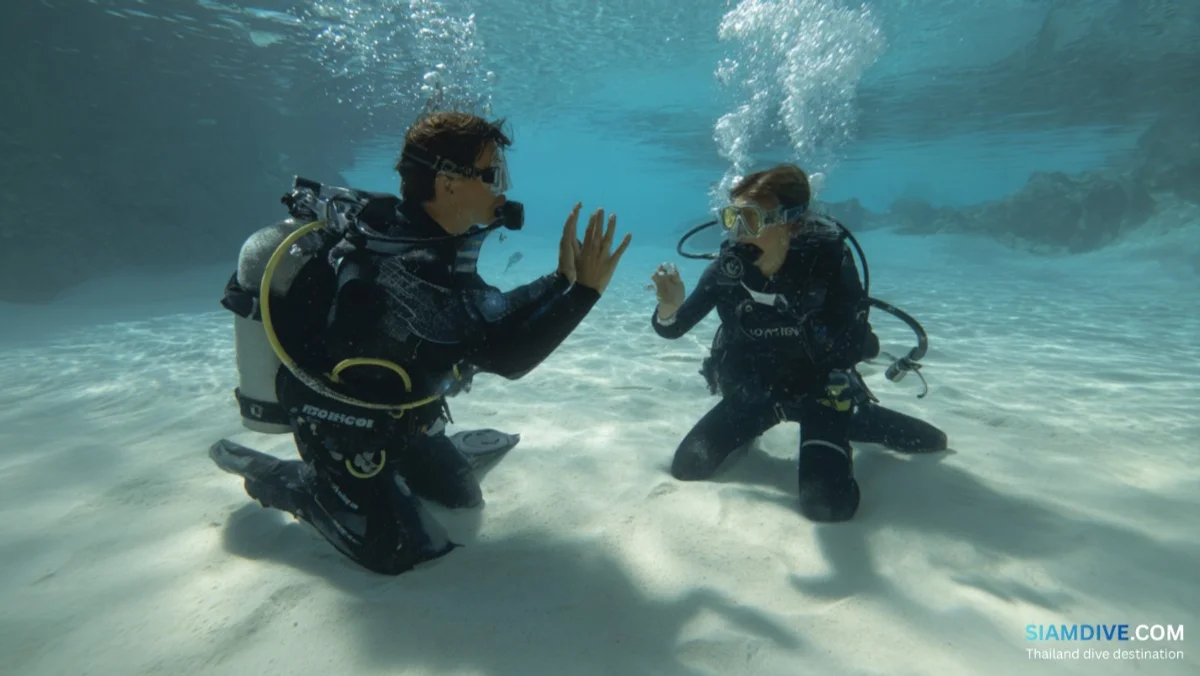
A DSD costs $100-$200, takes about 2-3 hours, and gives you a supervised underwater experience without any certification. An instructor teaches you basic safety rules, demonstrates equipment, walks you through breathing techniques in shallow water, and then takes you on a guided dive — typically to 6-12 meters.
This is genuinely the smartest first step if you have doubts. You'll learn three critical things: whether you can equalize your ears (the number one physical issue new divers face), whether breathing through a regulator feels acceptable to you, and whether being underwater makes you excited or terrified. Those answers are worth $150.
A DSD doesn't count toward certification, but many dive centers will credit the experience toward your Open Water course if you decide to continue. Ask about this before booking.
One caveat: a DSD in poor conditions — murky water, cold temperatures, a rushed instructor — can give you a falsely negative impression. If possible, do your try dive somewhere with warm, clear water and a reputable center with small group sizes.
Where to Get Certified — Thailand as a Top Choice
You can get certified virtually anywhere there's diveable water, but location matters more than people realize. Water conditions, instructor quality, class size, and cost vary dramatically.
Thailand is consistently ranked among the best places in the world for scuba certification, and Koh Tao in particular has earned a reputation as the global capital of dive training. Here's why:
Cost is the obvious draw. An Open Water course on Koh Tao runs 9,000-11,000 THB ($250-$300), compared to $500+ in Australia, Hawaii, or the Caribbean. The lower price doesn't mean lower quality — it reflects lower operating costs and intense competition among dozens of dive schools.
Water conditions are forgiving for beginners. Temperatures stay between 28-30°C year-round, visibility is often 10-20 meters, and training sites are sheltered from strong currents. You won't be shivering in a thick wetsuit or fighting surge while trying to learn buoyancy control.
The island has a massive concentration of experienced instructors from around the world. Many of them trained there themselves, stayed for years, and have logged thousands of dives at local sites. Student-to-instructor ratios of 4:1 are common, which means more personal attention than you'd get at a factory-style dive operation.
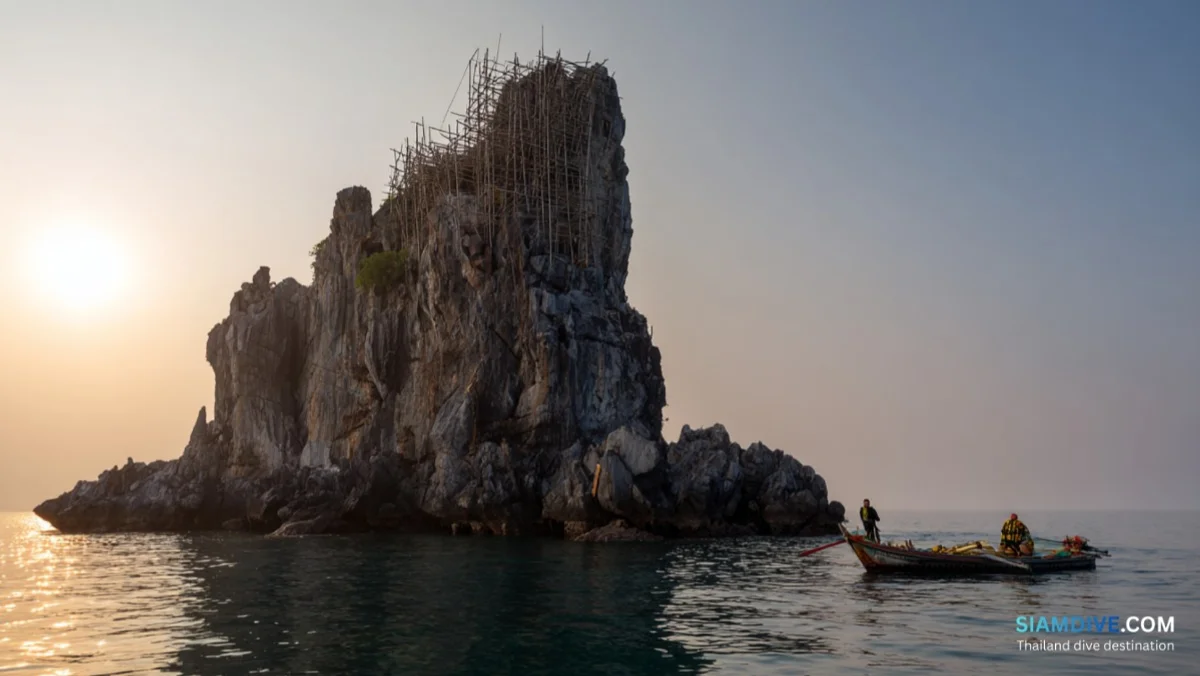
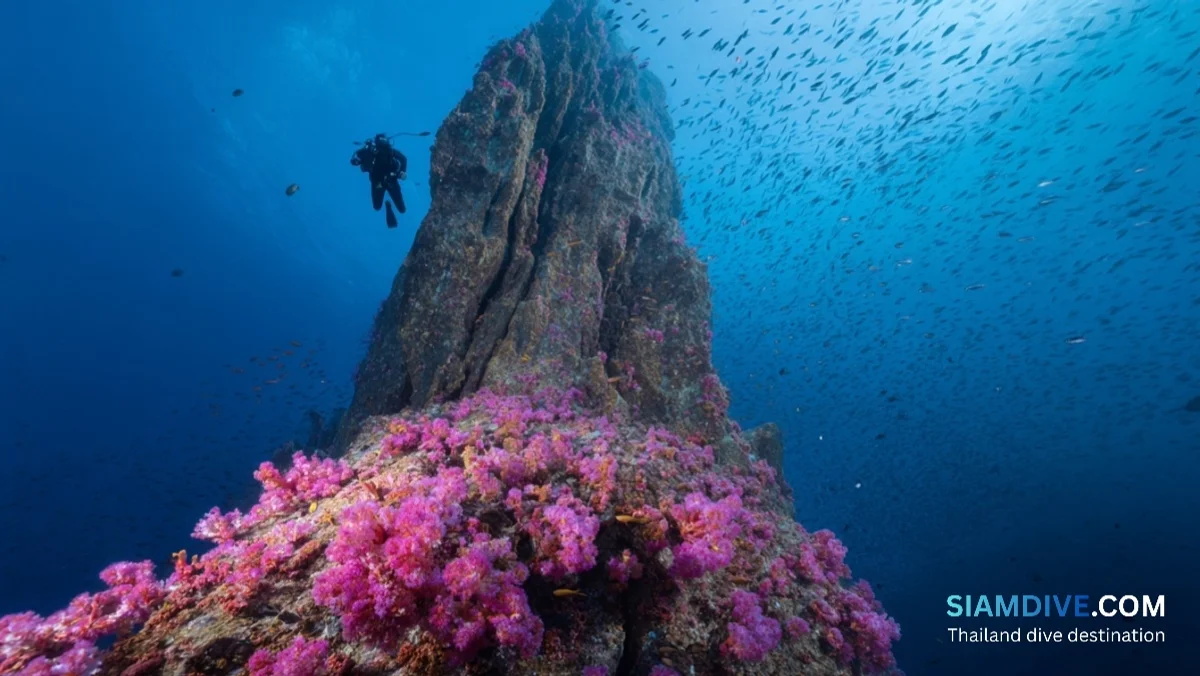
Beyond Koh Tao, other excellent Thailand options include Koh Lanta, Koh Phi Phi, and Koh Chang. Each has different characteristics: Koh Lanta is quieter and accesses Hin Daeng/Hin Muang, Koh Phi Phi has dramatic limestone landscapes above and below water, and Koh Chang offers a less touristy experience on the Gulf side.
Wherever you choose, look for centers with experienced instructors (ask how many certifications they've completed), small group sizes (4 students or fewer per instructor), and well-maintained rental equipment. Read recent reviews, not just star ratings. A center's reputation among other divers matters more than its marketing.
Final Thoughts
Getting scuba certified makes sense if you're drawn to the ocean, willing to invest 3-5 days and $250-$600, physically able to swim and equalize, and comfortable with the idea of breathing underwater. It opens a world that covers 71% of the planet's surface — a world most people only see from boats or beaches.
It doesn't make sense if you're doing it purely because someone else wants you to, if you have unresolved medical conditions that affect diving safety, or if the cost represents a genuine financial strain. There's no shame in snorkeling. The fish don't care about your certification card.
If you're on the fence, do a Discover Scuba experience first. Spend $150 to answer the real question: do you actually enjoy being underwater? Everything else — cost, time, logistics — is solvable. Enjoyment isn't.
For those ready to take the next step, siamdive.com connects you with vetted dive centers across Thailand, honest pricing comparisons, and course details that help you choose the right program for your experience level and budget. No pressure, no upselling — just the information you need to make a good decision.