Scuba Day TripsSnorkelingLand TourLiveaboardDive ResortFreedive Trips
Scuba CoursesFreedive Courses
Blog
Marine Life Etiquette: A Diver's Guide to Not Being That Person
← Blog

Marine Life Etiquette: A Diver's Guide to Not Being That Person

9 เมษายน 2569

No touching, no chasing, reef-safe sunscreen and the ethics of underwater photography — the etiquette every diver owes the ocean.

Why Etiquette Underwater Actually Matters

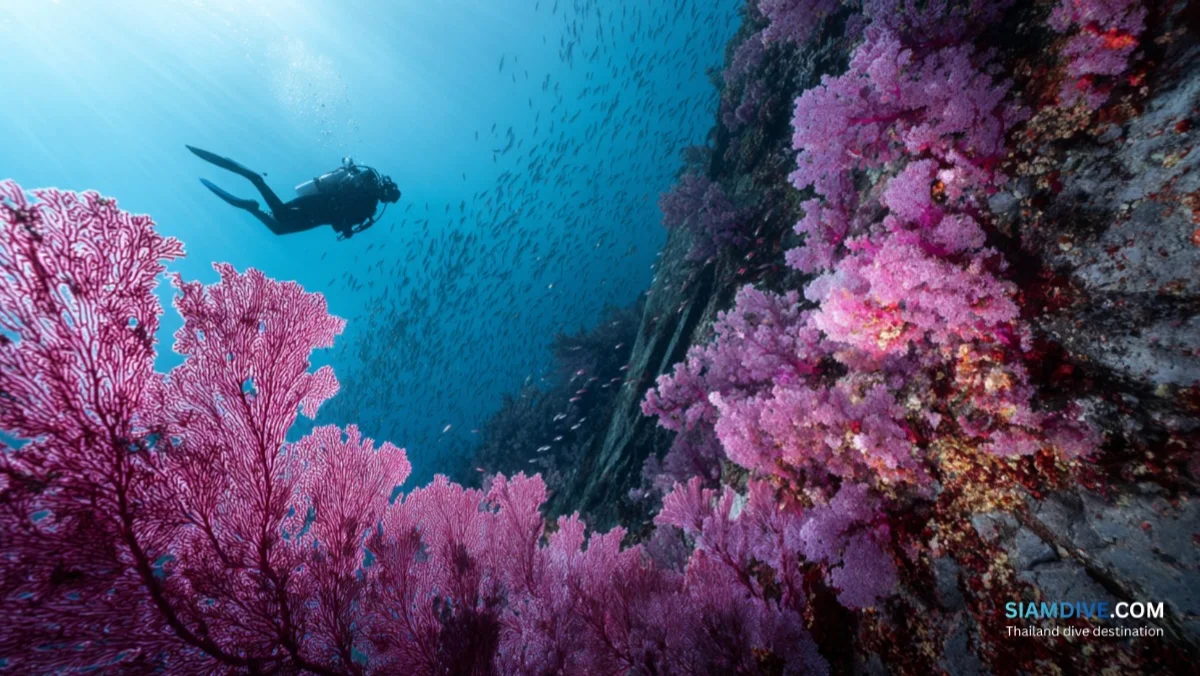
Coral grows about 2 millimeters a year. A single fin kick into a hard coral colony can erase 30 years of growth in one second. The reefs you and I dive on are not infinite, and they are not for our entertainment alone — they are the actual home of millions of animals trying to survive. Marine life etiquette is not about being a buzzkill. It is the line between a diver who deserves to be in the water and a diver the reef would rather see leave. Get this right and you become someone the dive industry actually respects.

The No-Touch Rule, and Why It's Not Negotiable

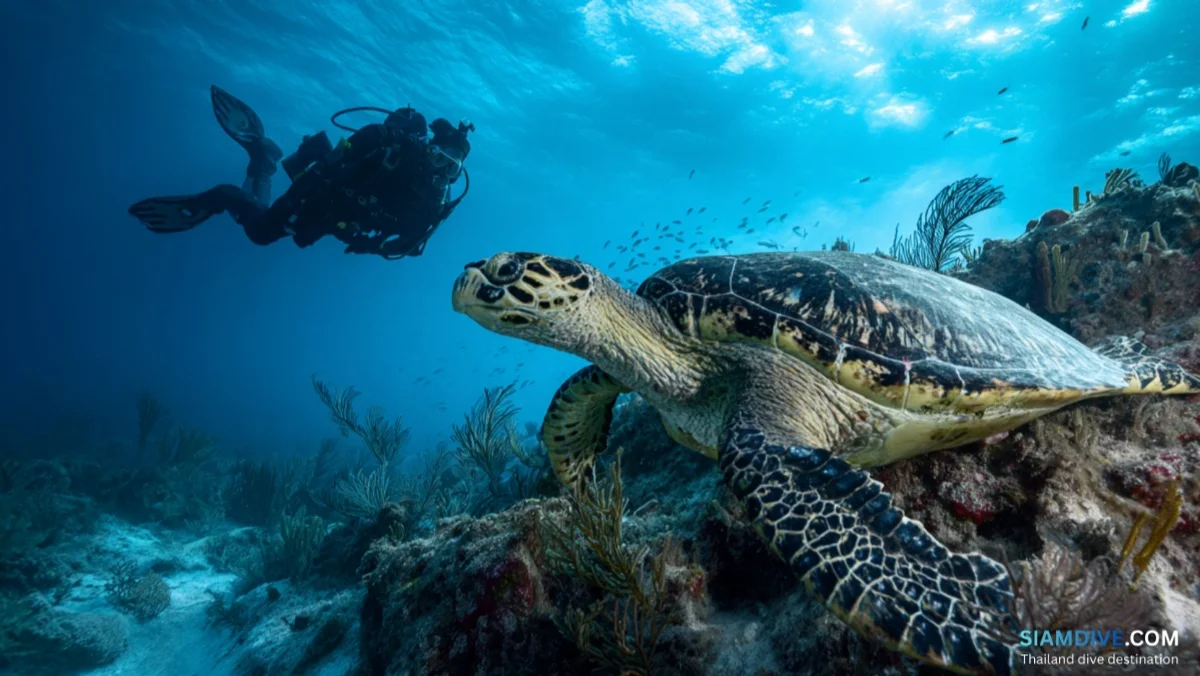
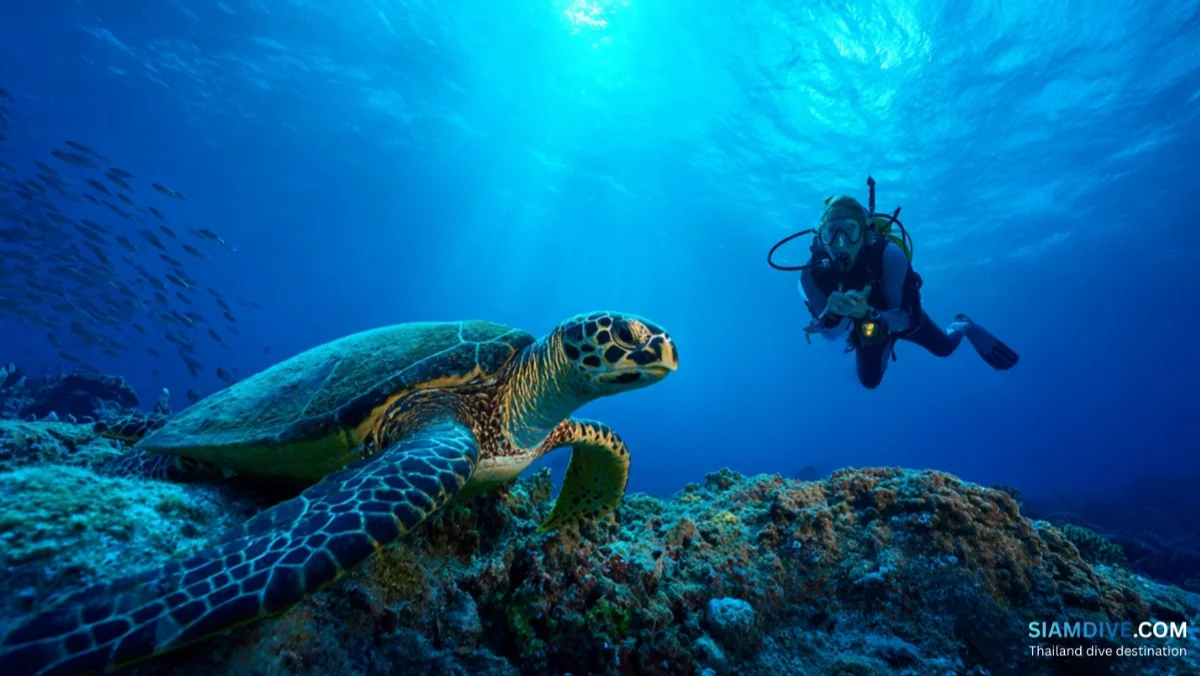
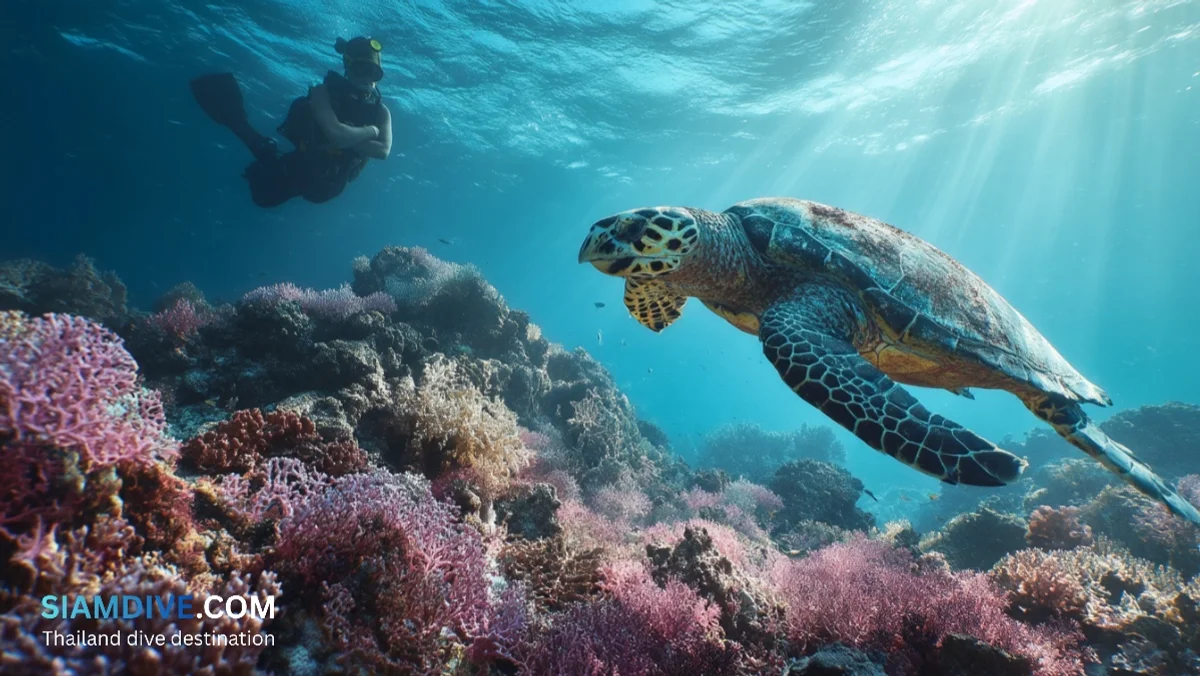
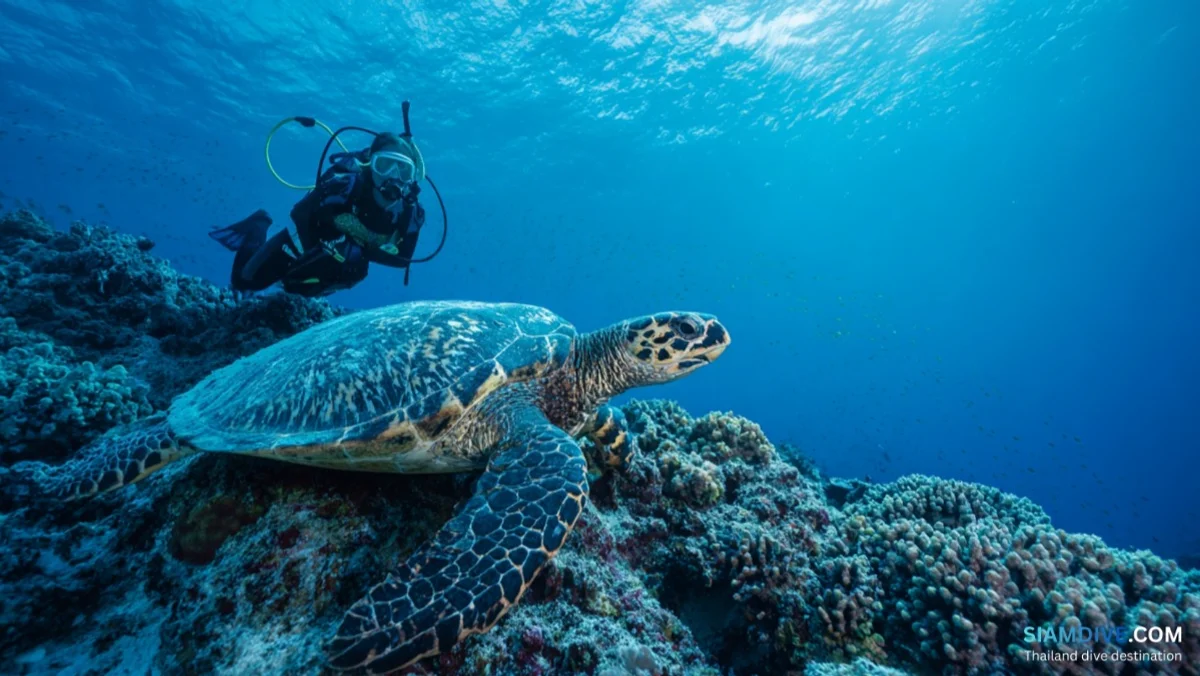
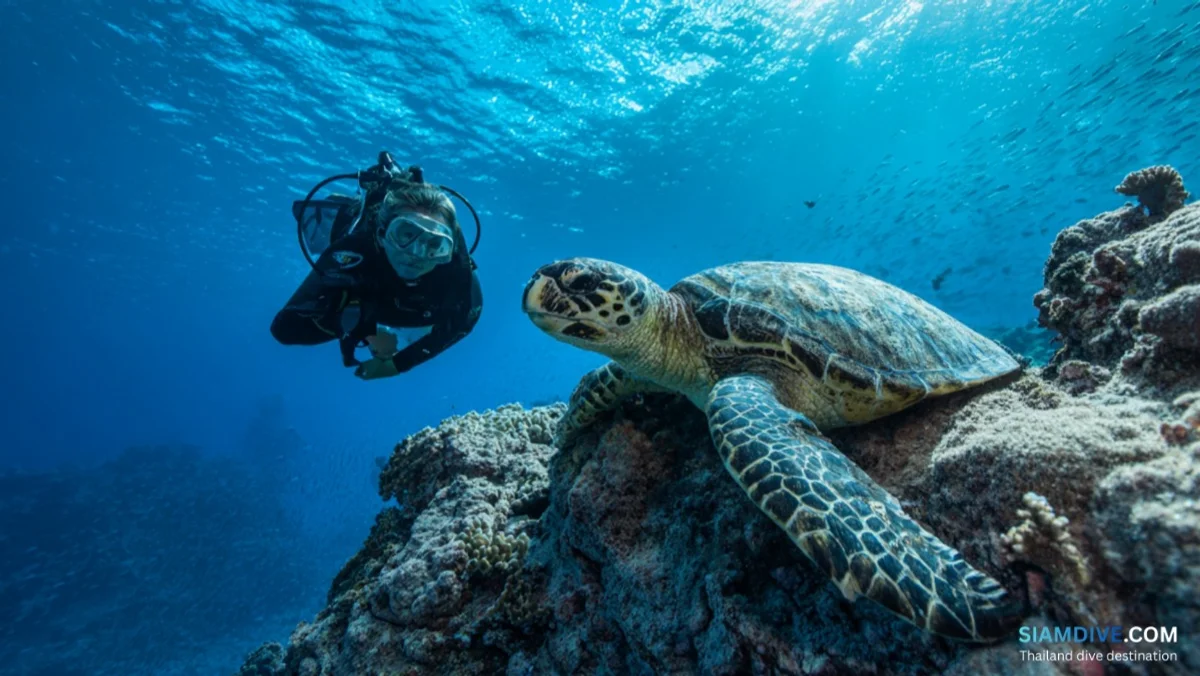
Touching marine life is the most common bad habit and the most damaging. Every fish has a protective mucus coating — touch it and you strip the coating, leaving the fish vulnerable to bacteria and parasites. Sea turtles get massively stressed when handled, and the popular "ride a turtle" photos circulating online have caused real harm to populations. Hard corals die when touched because oils on your skin disrupt the polyps' ability to feed.

  • No touching corals. Not even "gently." The polyps cannot recover.
  • No touching fish, turtles, rays, octopus, or anything else. Period.
  • No grabbing the reef to stabilize yourself. Fix your buoyancy instead.
  • No "manhandling" for photos. If you need to move the animal to get the shot, you don't need the shot.

Don't Chase. Let Them Come to You.

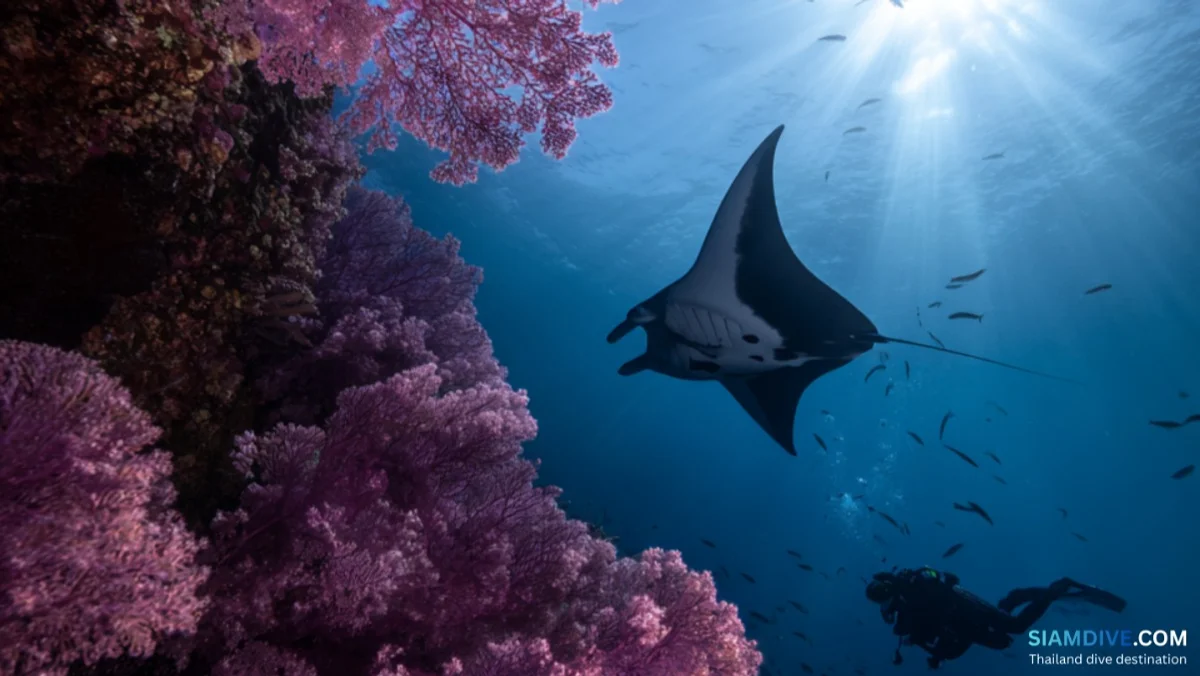
Animals that are chased, flee. Animals that are observed quietly often come closer out of curiosity. The exact same dive site shows you ten times more wildlife if you slow down, hover, and stop trying to swim up to everything. Manta rays in particular are intensely sensitive to chasing — once a diver starts kicking toward them, they leave the cleaning station and may not return for the rest of the day.

The rule is simple: pick a position, get neutrally buoyant, breathe slowly, and wait. The reef will start showing you things you'd never see while moving. Macro divers know this — that ghost pipefish, that harlequin shrimp, that nudibranch you photographed on the same rock last year? They're still there because nobody chases them.

Photography Without Being a Jerk

Underwater photographers earn a bad reputation faster than any other diver group, and usually deserve it. Common offenses:

  • Monopolizing a subject: 8 minutes parked next to one seahorse while a queue forms.
  • Strobe spam: firing strobes 20 times into a sensitive critter's eyes for one shot.
  • Posing animals: moving a frogfish onto a "prettier" rock so the background looks better.
  • Kicking the reef while focused on the viewfinder: task loading at its worst.
  • Cutting off other divers who were watching the same animal first.

Be the photographer who waits their turn, gets the shot in three frames, and moves on. The shots you'll be most proud of in 10 years are the ones you took without disturbing anything.

Reef-Safe Sunscreen and Other Boat Habits

The ingredients oxybenzone and octinoxate in regular sunscreen damage coral DNA at concentrations as low as 62 parts per trillion — about one drop in 6.5 Olympic swimming pools. Hawaii, Palau, Bonaire and the US Virgin Islands have already banned them. Thailand banned them inside marine national parks in 2021. Look for "reef-safe" sunscreens with non-nano zinc oxide or titanium dioxide as the only active ingredients. The good ones cost about 400 baht for a tube and last all season.

Other boat habits that matter: don't throw cigarette butts overboard, don't leave plastic water bottles on deck, ask if the boat uses anchors that destroy reefs versus mooring lines (good operators always use moorings), and tip the crew who actually carry your tanks.

Cleaner Stations, Mantas and Sharks

A cleaner station is where fish line up to be groomed by smaller wrasses and shrimps that eat their parasites. They are the underwater equivalent of a barber shop. Block the entrance with your fins and the entire system shuts down. Watch from 3–4 meters away, stay below the line of approach, and you'll see manta rays and reef sharks queue up like commuters.

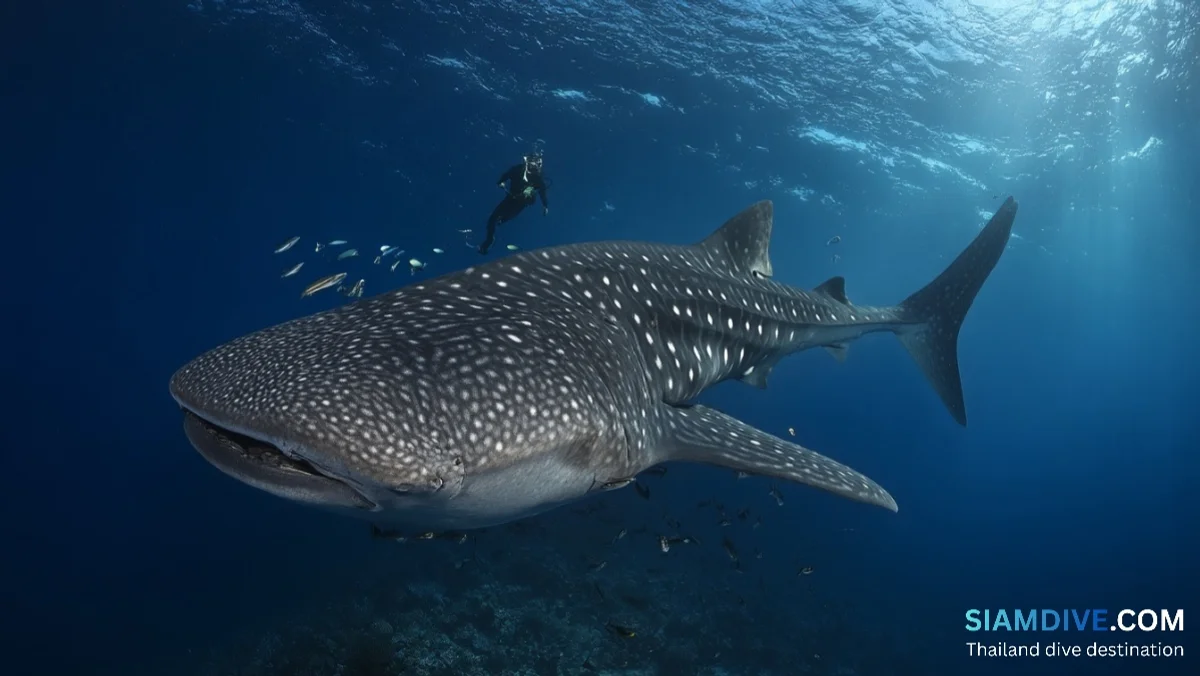
For larger animals: maintain at least 3 meters from manta rays, 4 meters from whale sharks, never get above them (it triggers their predator-evasion response), and never use flash. Don't try to touch their wings or fins. Sharks are not the threat — humans are.

The Hidden Cost of Souvenirs and Plastic

Picking up a "dead" shell from a reef removes a future home for a hermit crab. Picking up a sea fan piece is removing 50 years of growth. Most countries you dive in have laws against removing marine items — Thailand's National Park Act carries fines up to 500,000 baht and prison terms. The romantic idea of "just one shell from each trip" is how reefs got stripped in the first place.

Plastic is the bigger long-term problem. Bring a refillable bottle. Skip the plastic-wrapped snacks the boat hands out. If you see trash on the reef, pick it up — many operators run a "Dive Against Debris" program for this exact reason. A single dive can remove 2 kg of fishing line and plastic.

Before Every Dive — A Simple Etiquette Check

Make this a 10-second mental check before every dive briefing ends:

  • Sunscreen: reef-safe and applied 30 minutes before water, not on the boat?
  • Buoyancy: am I confident enough today to hover without grabbing anything?
  • Camera: am I using a strobe? If yes, will I limit it to 1–2 flashes per subject?
  • Discipline: will I let the guide lead and not chase anything?
  • Mindset: am I here to observe, not to collect?

If you can't say yes to all five, sit out a dive and recalibrate. Nobody died from skipping one dive. Reefs die from divers who skip the etiquette check.

What You Can Do Beyond Just Diving Better

Choose operators that have actual conservation policies, not just marketing — ask if they participate in Dive Against Debris, Adopt the Blue, or Project Aware. In Thailand, that means picking centers that work with the Department of Marine and Coastal Resources, contribute to crown-of-thorns starfish removal, or run reef-monitoring programs. Tip more for guides who enforce no-touch rules with everyone on the boat. Report damaged reefs and injured animals to local authorities. SiamDive lists operators that have signed conservation pledges and small group ratios so your money actually rewards the right people. Find a responsible dive trip on siamdive.com and dive like the reef belongs to the next diver, not to you.
← กลับไปหน้า Blog

Gallery

Marine Life Etiquette: A Diver's Guide to Not Being That Person — image 1Marine Life Etiquette: A Diver's Guide to Not Being That Person — image 2Marine Life Etiquette: A Diver's Guide to Not Being That Person — image 3Marine Life Etiquette: A Diver's Guide to Not Being That Person — image 4

บทความแนะนำ

Koh Ha Yai Diving Guide: The Cathedral Cave and Beyond

Koh Ha Yai Diving Guide: The Cathedral Cave and Beyond

Home to the famous Cathedral cave and chimney swim-through, Koh Ha Yai delivers some of Koh Lanta's most memorable dives. Complete guide inside.

Safe Ascent Rate: The Diving Safety Rule Most Divers Break

Safe Ascent Rate: The Diving Safety Rule Most Divers Break

The 9 m/min ascent rate is the most important rule in recreational diving safety — and the one most divers quietly break every dive. Here's how to fix it.

How to Choose the Right Liveaboard Trip in Thailand

How to Choose the Right Liveaboard Trip in Thailand

A practical guide to picking the best Thailand liveaboard for your budget, experience level, and dream dive sites from Similan to Richelieu Rock.

Koh Rok Diving Guide: Trang's Pristine Coral Paradise

Koh Rok Diving Guide: Trang's Pristine Coral Paradise

Explore Koh Rok's crystal-clear waters, healthy coral reefs, and rich marine life. Your complete guide to diving Thailand's best-kept Andaman secret.

Hin Daeng & Hin Muang Liveaboard: Thailand's Wildest Walls

Hin Daeng & Hin Muang Liveaboard: Thailand's Wildest Walls

Hin Daeng and Hin Muang are Thailand's deepest soft coral walls — manta rays, whale sharks, and serious current. Here's how to dive them by liveaboard.

How to Start Scuba Diving: A Complete Beginner's Guide

How to Start Scuba Diving: A Complete Beginner's Guide

Ready to try scuba diving but don't know where to begin? This step-by-step guide covers everything from choosing a course to your first ocean dive.

Similan Islands: Last Weeks to Dive Before the 2026 Season Closes

Similan Islands: Last Weeks to Dive Before the 2026 Season Closes

The Similan Islands close in mid-May 2026. Here's why the final weeks offer the best diving conditions and how to book a last-minute liveaboard trip.

Samaesan Wreck Diving: Sattahip's Quieter Alternative to Pattaya

Samaesan Wreck Diving: Sattahip's Quieter Alternative to Pattaya

HTMS Hardeep, drift sites at Koh Chuang and Koh Chan, and a 2-hour drive from Bangkok. The honest guide to diving Samaesan and Sattahip.

7 Reasons Thailand Is the Best Place to Scuba Dive

7 Reasons Thailand Is the Best Place to Scuba Dive

Two coastlines, warm water year-round, whale sharks for the price of a nice dinner — here's why more divers choose Thailand than almost anywhere else on earth.

Pattaya Diving from Bangkok: Wrecks & Reefs Just 2 Hours Away

Pattaya Diving from Bangkok: Wrecks & Reefs Just 2 Hours Away

Reefs around Koh Larn, two penetrable navy wrecks, and a 2-hour drive from Sukhumvit. Here's how Pattaya works as a Bangkok day-trip dive plan.

Nitrox Diving Guide: Benefits, Risks & MOD Explained

Nitrox Diving Guide: Benefits, Risks & MOD Explained

Master Enriched Air Nitrox diving — understand MOD calculations, oxygen toxicity risks, EAN32 vs EAN36, and how Nitrox extends your bottom time safely.

HTMS Prab 741 Wreck Diving Guide: Chumphon's Quiet Artificial Reef

HTMS Prab 741 Wreck Diving Guide: Chumphon's Quiet Artificial Reef

HTMS Prab 741 is the small WWII landing craft sunk south of Koh Ngam Noi in 2011. Open Water depth, intact hull, and almost no other divers — here's how to dive it.

PADI Open Water Course: What It Involves Day by Day

PADI Open Water Course: What It Involves Day by Day

A day-by-day breakdown of the PADI Open Water course — theory, pool sessions, open water dives, required skills, and what to expect at each stage.

Andaman Sea vs Gulf of Thailand: Picking Your Dive Region

Andaman Sea vs Gulf of Thailand: Picking Your Dive Region

Compare Thailand's two dive coasts side by side — marine life, visibility, seasons, costs, and which region fits your experience level.

Octopus Intelligence: The Smartest Creature Underwater

Octopus Intelligence: The Smartest Creature Underwater

Octopuses have 500 million neurons, use tools, recognize faces, and change color in milliseconds. Here is why divers never forget their first encounter.

Hin Wong Pinnacle Koh Tao Diving Guide: The East Coast's Best Kept Secret

Hin Wong Pinnacle Koh Tao Diving Guide: The East Coast's Best Kept Secret

Hin Wong Pinnacle off Koh Tao's east coast has more fan corals than any site on the island, plus rich fish life and fewer crowds — here's everything divers need.

Southwest Pinnacle Koh Tao Diving Guide: The Gulf's Best Big-Fish Site

Southwest Pinnacle Koh Tao Diving Guide: The Gulf's Best Big-Fish Site

Southwest Pinnacle is Koh Tao's seven-pinnacle offshore site. Whale sharks, dogtooth tuna, and giant groupers — here's how to dive it and when.

Losin : Thailand's Best-Kept Diving Secret in the Deep Gulf

Losin : Thailand's Best-Kept Diving Secret in the Deep Gulf

Losin is a remote liveaboard-only dive site off Pattani famous for manta rays, whale sharks, and bull sharks during March-May.

Why Learn Scuba Diving? 8 Reasons to Get Certified

Why Learn Scuba Diving? 8 Reasons to Get Certified

Not sure if scuba diving is for you? Here are 8 real reasons why getting certified changes how you travel, stay fit, and see the world.

Similan Islands Diving Guide: Thailand's Underwater Paradise

Similan Islands Diving Guide: Thailand's Underwater Paradise

Everything you need to know about diving the Similan Islands — best dive sites, marine life, seasons, liveaboard tips, and how to get there from Khao Lak.

ทริปแนะนำ

Hug Ocean Boat
daytrip

Hug Ocean Boat

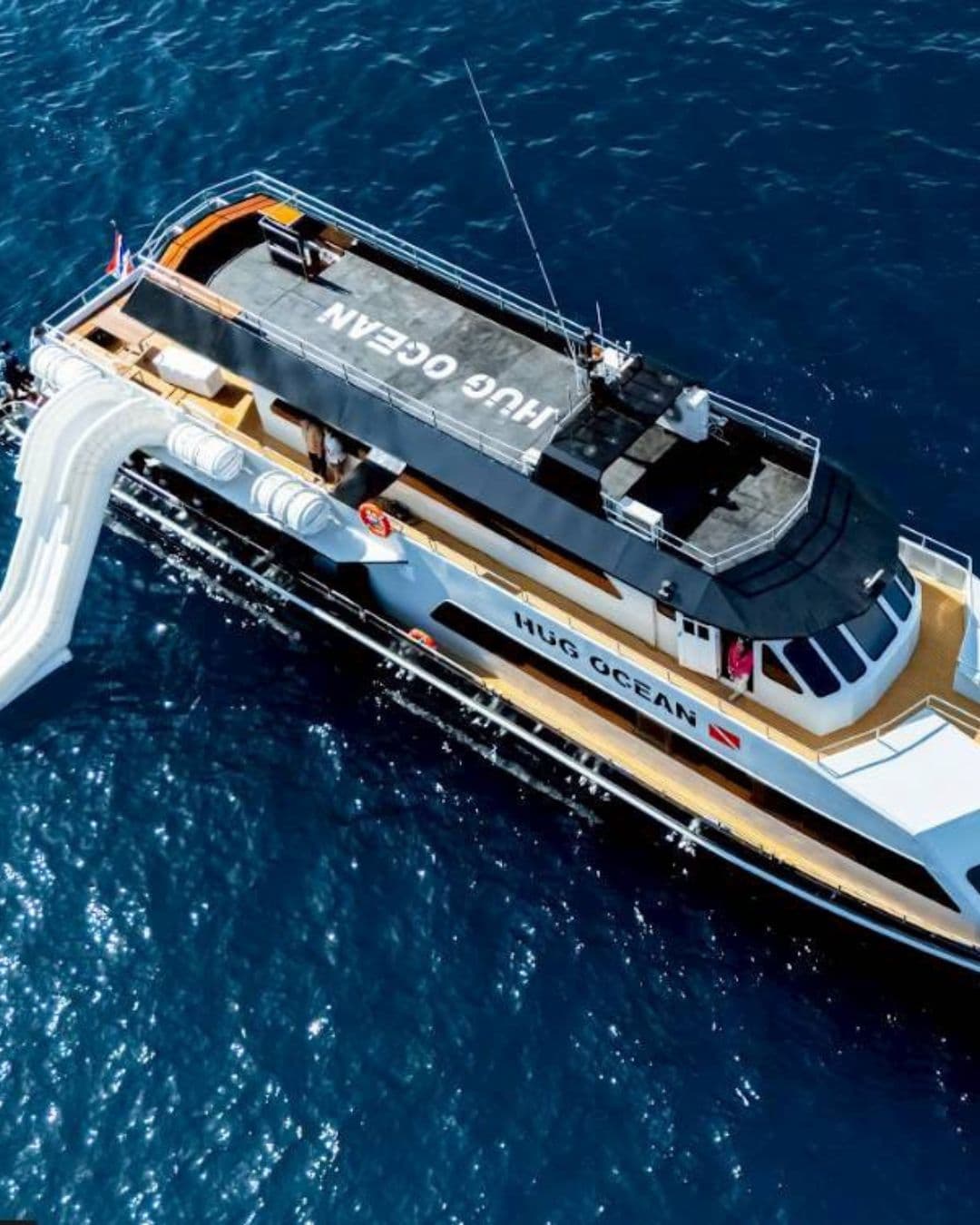
Discover Phuket's Andaman Sea aboard Hug Ocean — a luxury 3-deck dive yacht for 80 guests with a thrilling water slide, sun-soaked top deck, and PADI-certified diving at Racha Yai and Racha Noi.

Aquarian Liveaboard
liveaboard

Aquarian Liveaboard

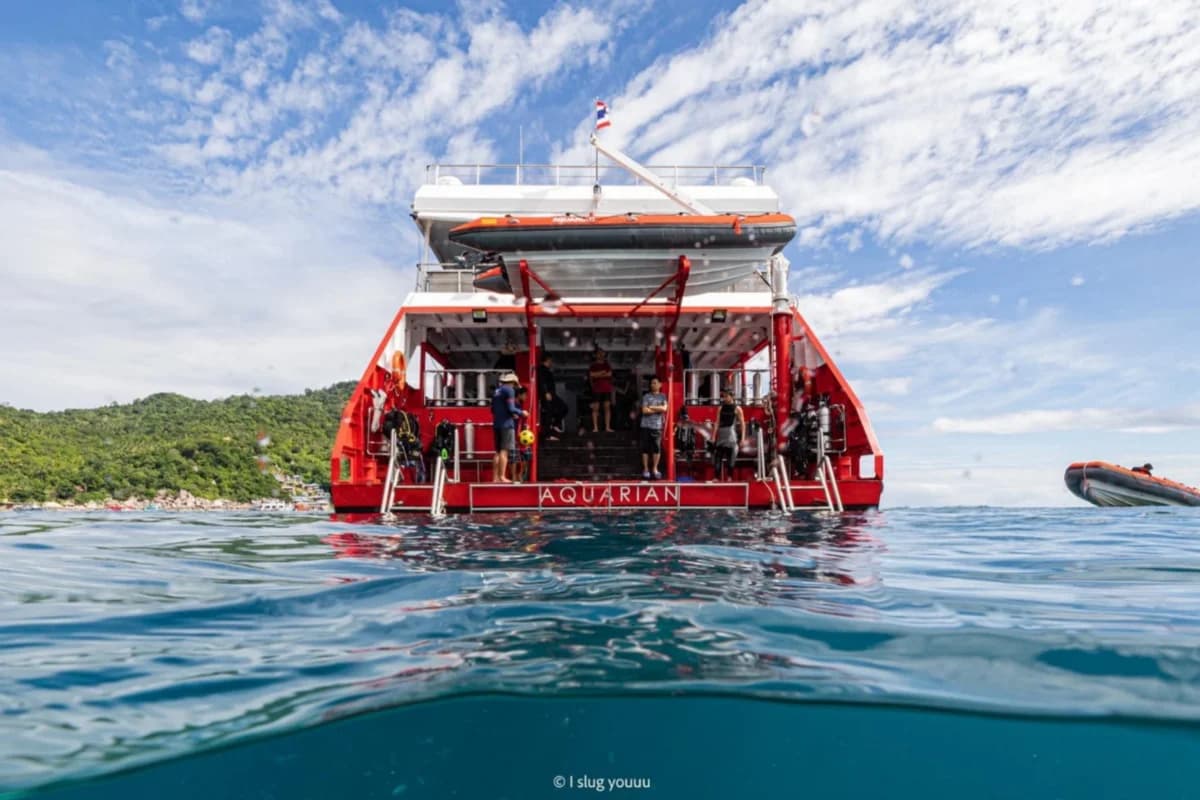
MV Aquarian — striking 2021-built red steel liveaboard, 31.4 m × 7.5 m, max 28 guests in 14 cabins. Free unlimited Nitrox via Coltri Sub membranes, one of Thailand's largest dive platforms, and full premium-hotel comfort.

Issara Liveaboard
liveaboard

Issara Liveaboard

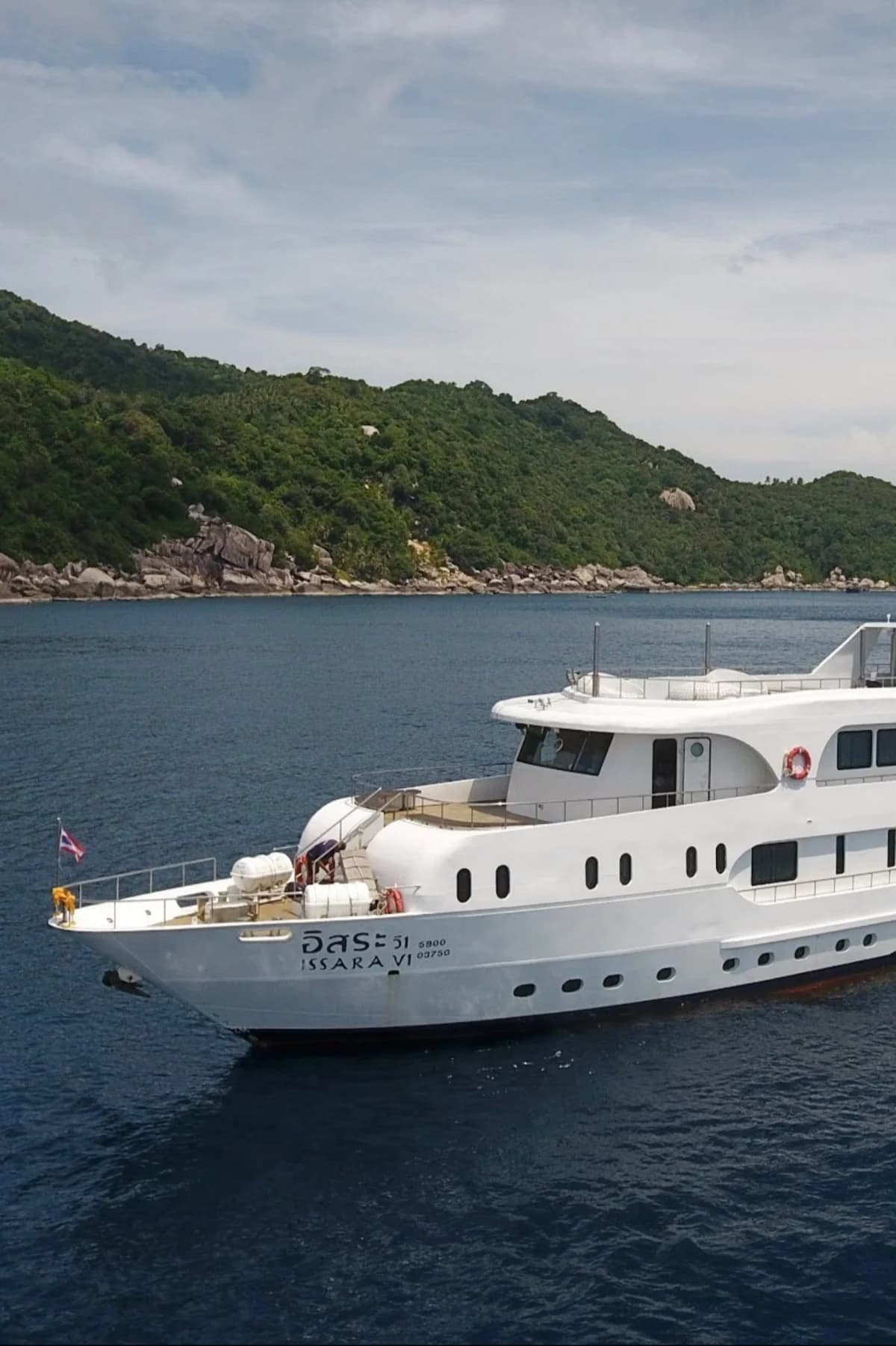
MV Issara — high-end Thai steel-hulled liveaboard built 2016–17, 28.5 m × 6.5 m, 4 decks, max 22 guests in 11 hotel-style cabins. Indoor saloon, jacuzzi sun deck, full-board buffet dining.

Mandarin Queen 5
daytrip

Mandarin Queen 5

Brand-new Phuket dive boat — 26.2 m M/V Mandarin Queen 5 with spacious dive platform, lounge and upper sun deck. Daily day trips to King Cruiser Wreck, Shark Point, Anemone Reef, Racha Yai and Racha Noi.