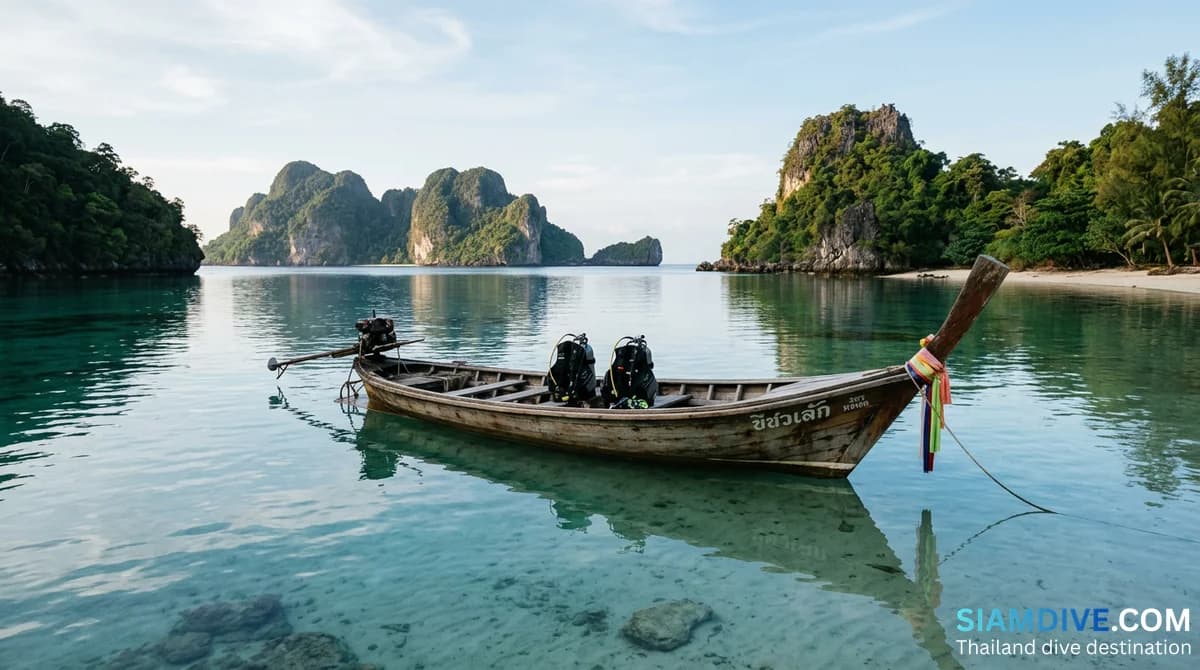
Koh Lipe Diving Guide: Thailand's Hidden Andaman Gem
9 เมษายน 2569
Explore Koh Lipe's top dive sites from Jabang's soft coral gardens to 8 Mile Rock's granite pinnacles. Season, costs, and how to get there.
Koh Lipe: A Remote Island With Serious Diving
Koh Lipe sits at the southern tip of Thailand's Andaman coast, just outside Tarutao National Marine Park in Satun province. It's a small island — you can walk across it in 20 minutes — but the diving around it punches well above its weight. The reefs here haven't been hammered by mass tourism the way Phi Phi or Similan sites have, and the variety of dive sites within a short boat ride is genuinely impressive.
Most divers visiting Thailand's Andaman side head straight to the Similans or Koh Phi Phi. That's fine, but it means Koh Lipe stays relatively uncrowded underwater. The trade-off is accessibility: getting here takes real effort. There's no airport on the island, no bridge, and during monsoon season (May through October), the place essentially shuts down. But from November to April, when conditions align, you'll find visibility pushing 30 meters and water temperatures hovering around 28-30°C.
Why Koh Lipe Is Worth the Journey for Divers
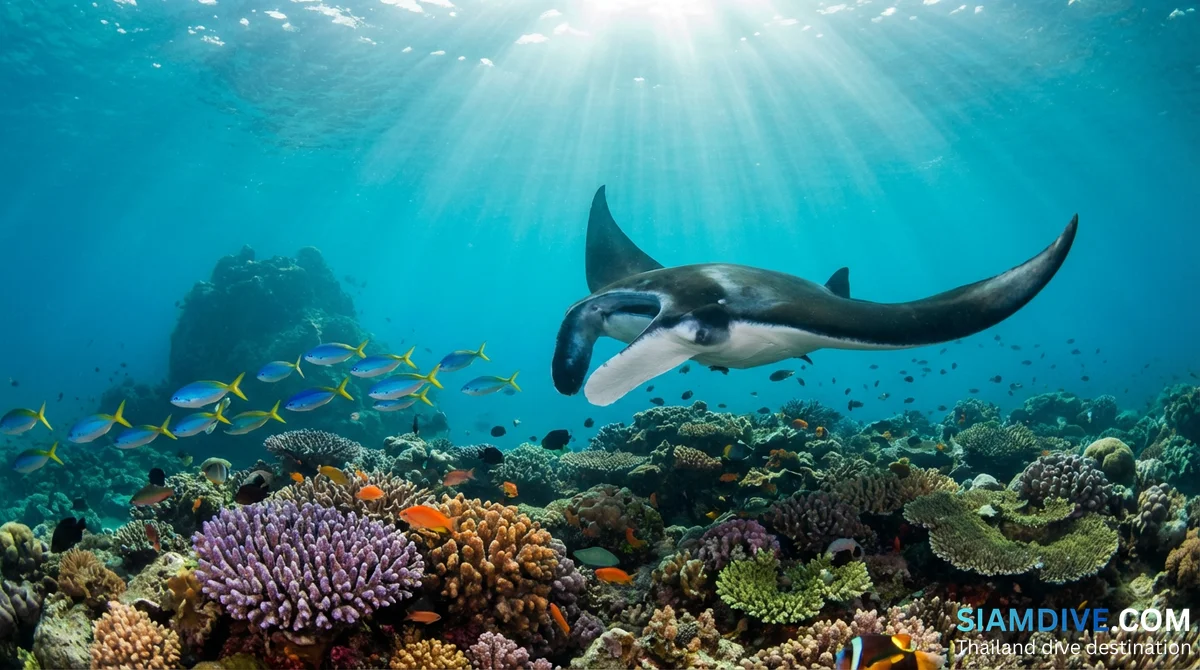
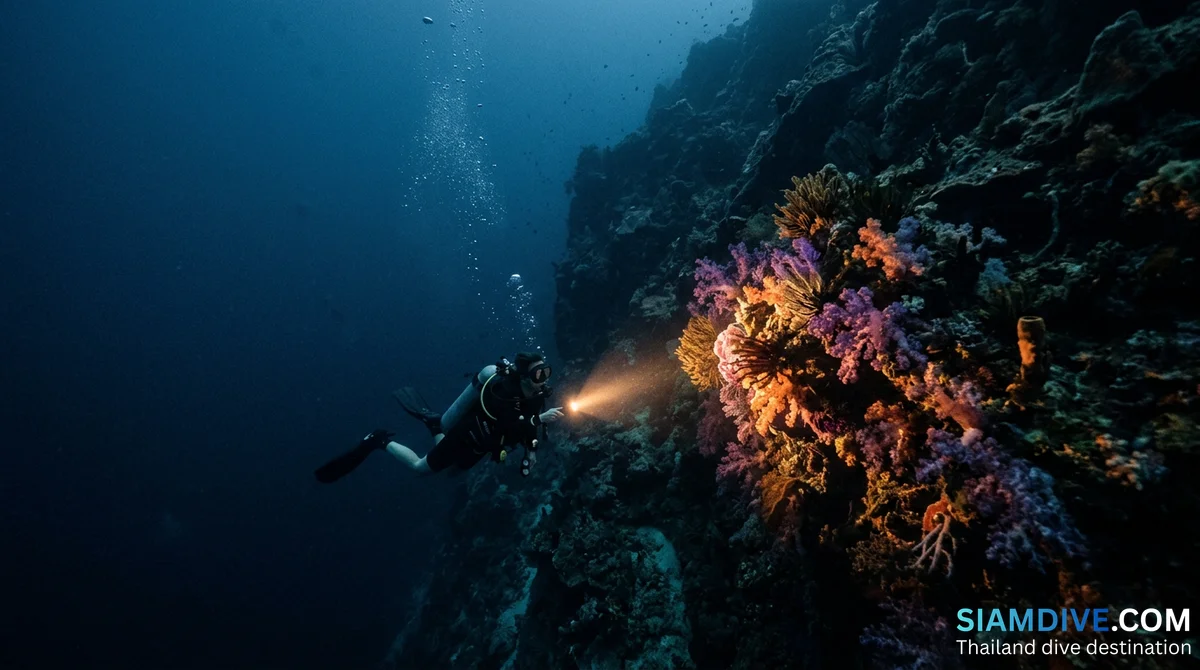
The honest answer: it depends on what you want. If you're chasing manta rays or whale sharks, this isn't the spot. Koh Lipe's appeal is different. The soft coral coverage here is among the best in the Andaman Sea — dense, multi-colored gardens of red, purple, pink, and orange that coat the rocks from 5 meters down to 25 meters. The coral health is noticeably better than at more trafficked sites further north.
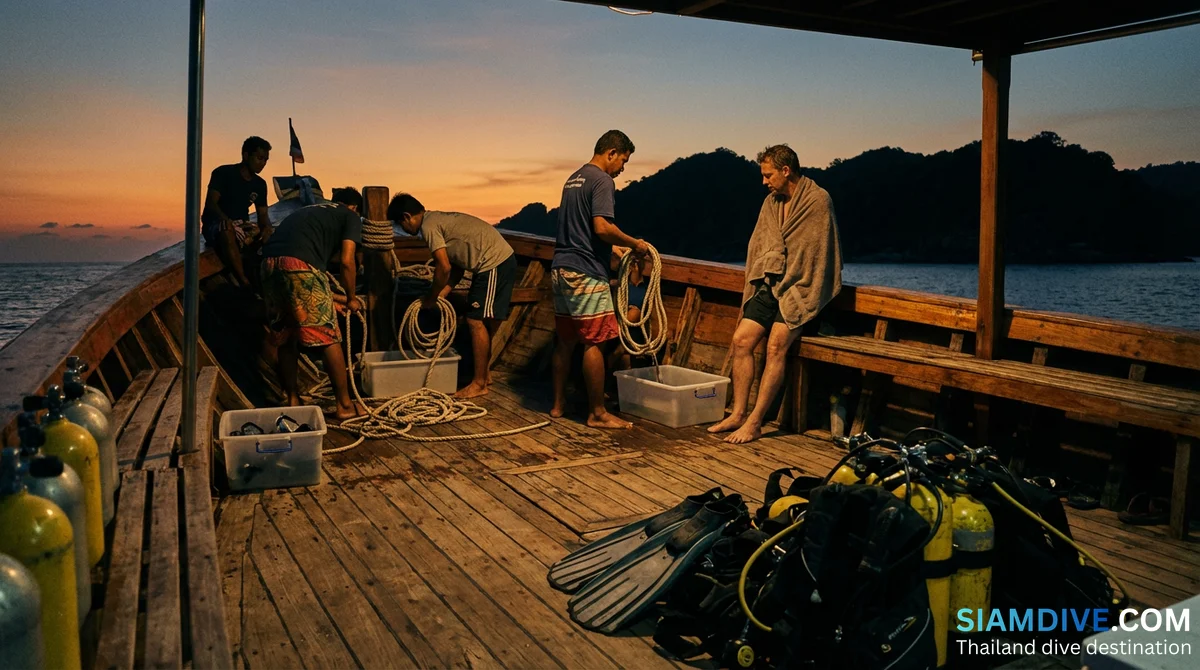
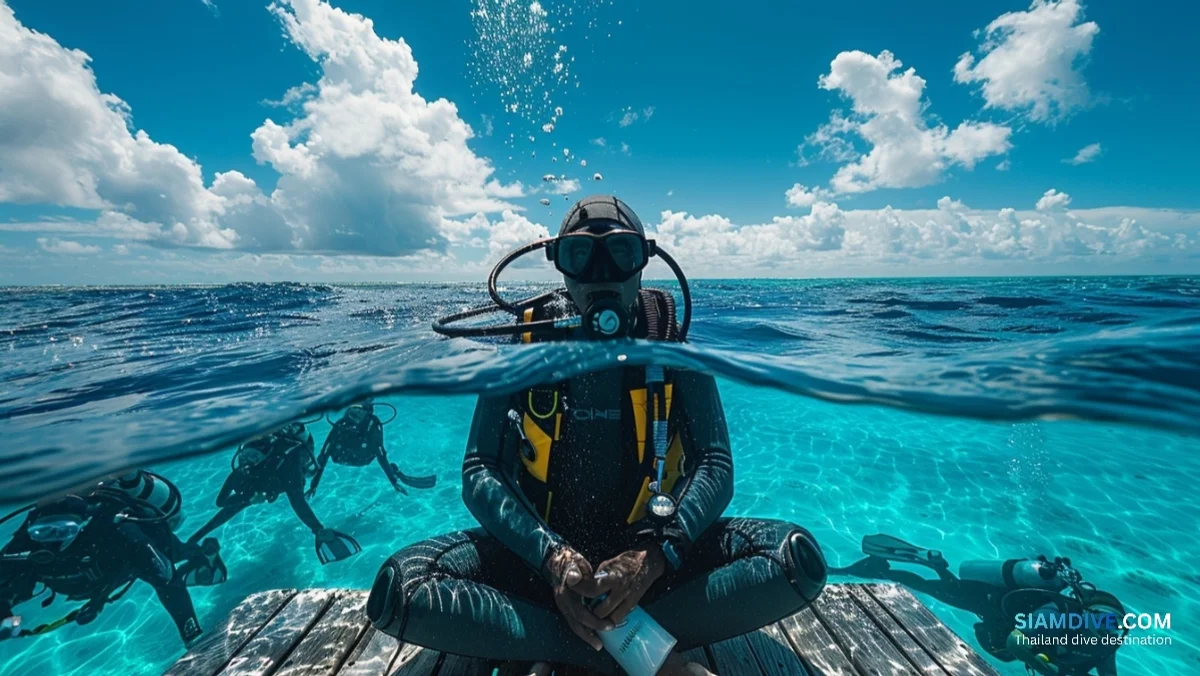
Dive groups stay small, typically 4 to 6 people maximum. That's partly because the operators here are small outfits rather than factory-style dive shops, and partly because the island itself limits how many people can be here at once. You won't be sharing a mooring line with three other boats.
The range of sites works too. You've got shallow reef dives perfect for Open Water students, granite pinnacles with enough depth and current to challenge advanced divers, and everything in between. A three-day stay gives you enough time to hit the highlights without repeating sites.
Water clarity is the other selling point. During peak season (December through March), visibility regularly hits 25-30 meters. That makes a real difference for photography and just general enjoyment — you can actually see the full scope of a reef wall or pinnacle instead of guessing what's out there in the blue-green murk.
Best Dive Sites at Koh Lipe
There are roughly a dozen named dive sites within range of Koh Lipe. Here are the ones worth prioritizing.
Jabang (Koh Hin Jabang)
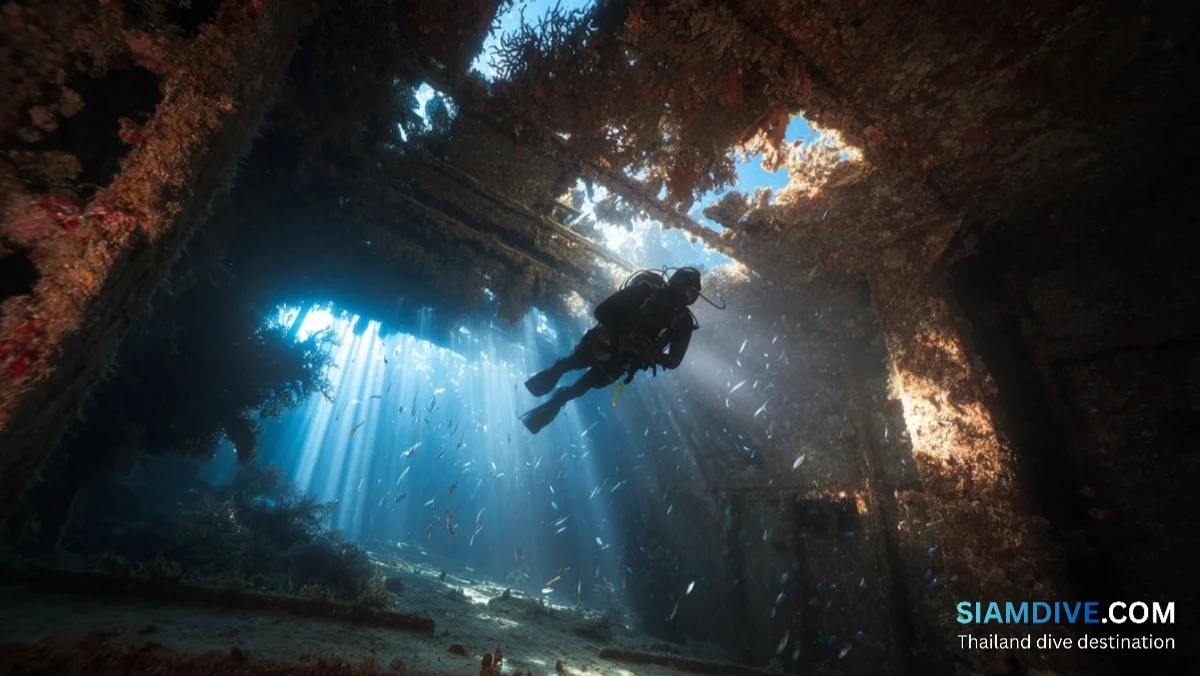
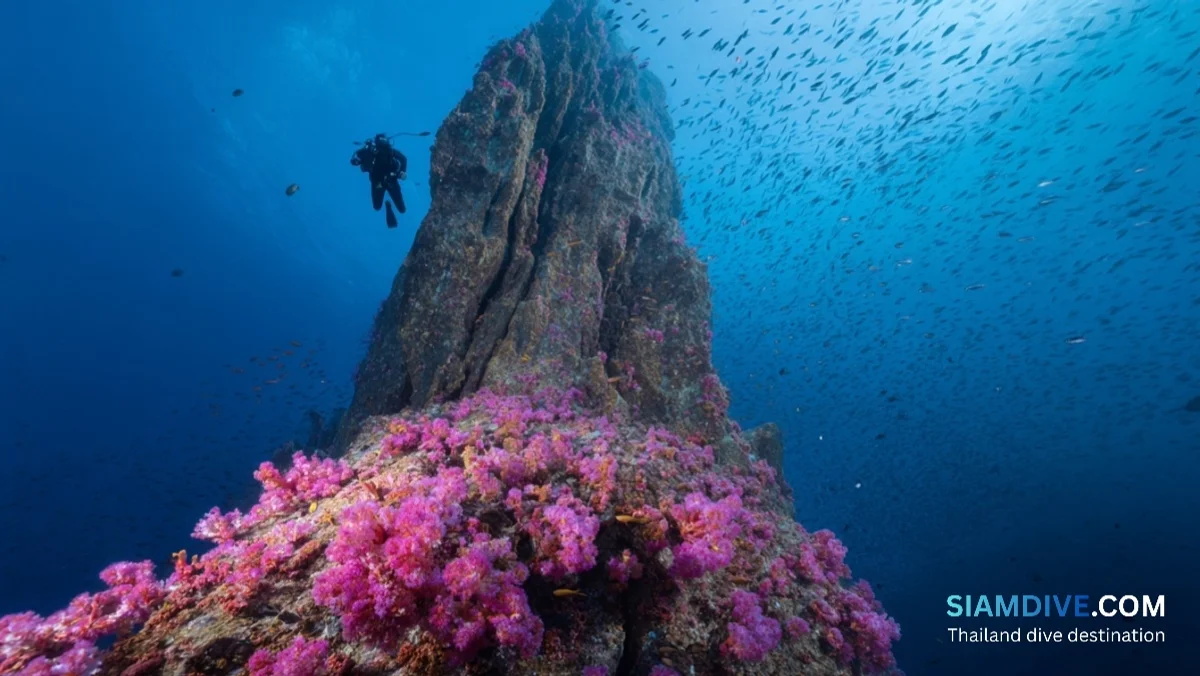
This is the site that defines Koh Lipe diving. Jabang is a submerged rocky reef sitting at 15-20 feet depth, absolutely blanketed in soft corals. The colors are striking even by Andaman standards — think entire boulders draped in deep purple and crimson soft coral, with schools of fusiliers and damselfish hovering above. It's shallow enough that you'll get excellent natural light for photography, and calm enough for newer divers to enjoy without stress. Most operators use this as their flagship site, and for good reason.
8 Mile Rock
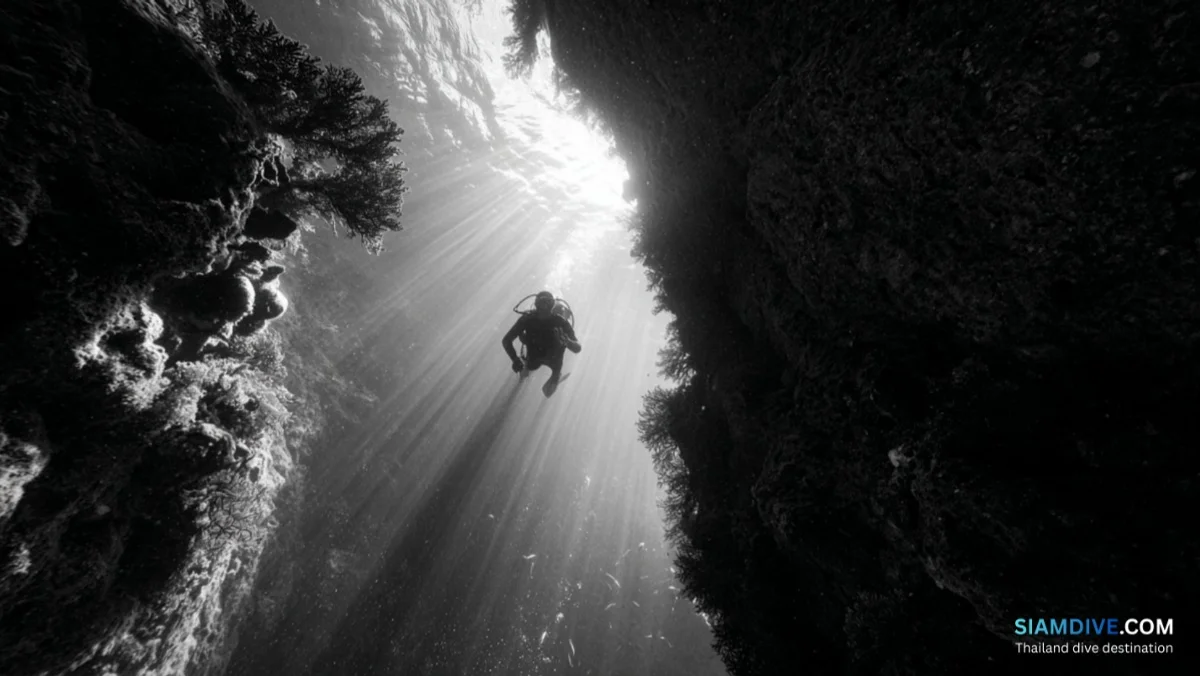
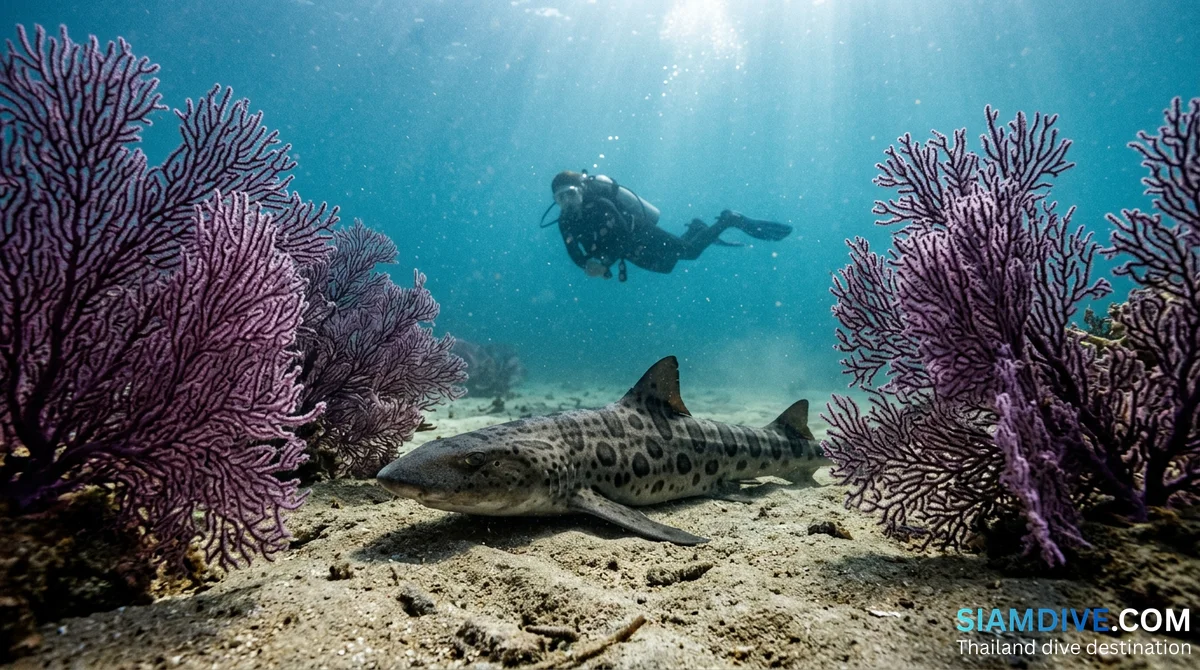
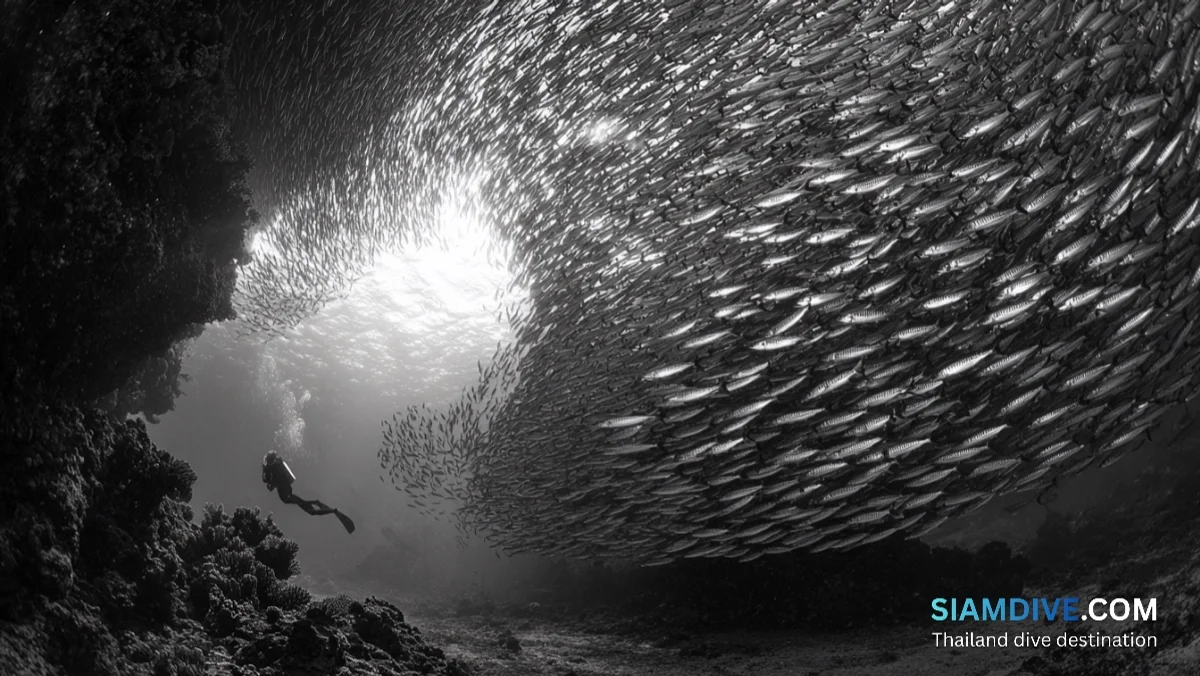
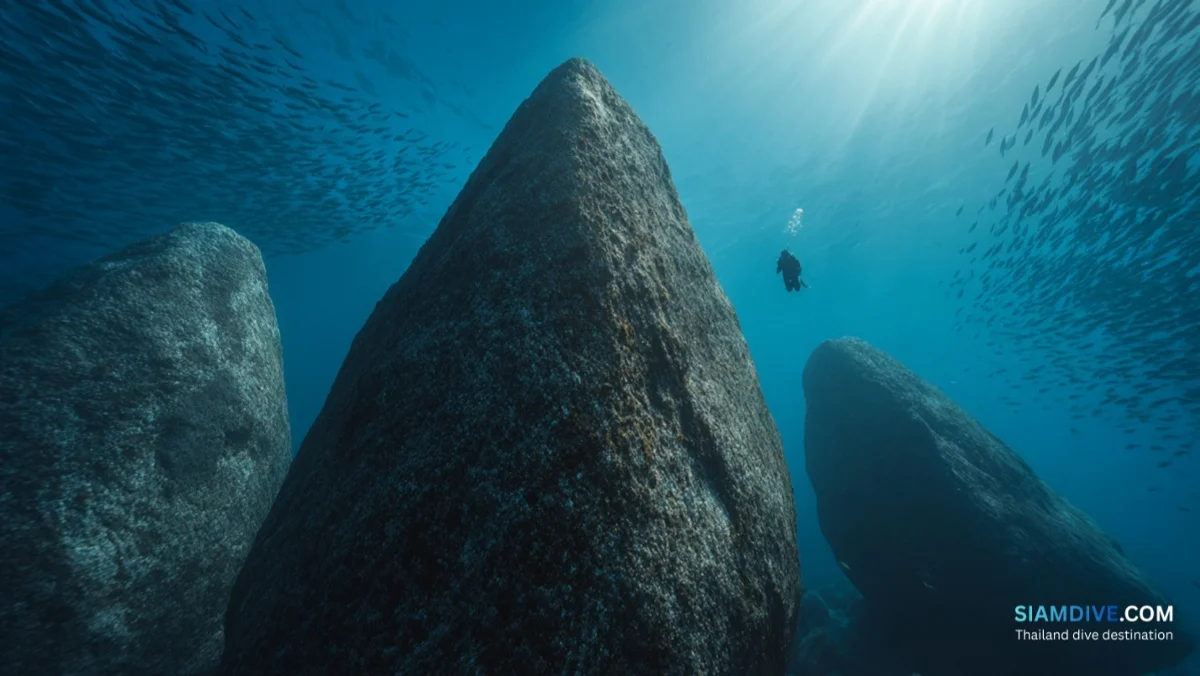
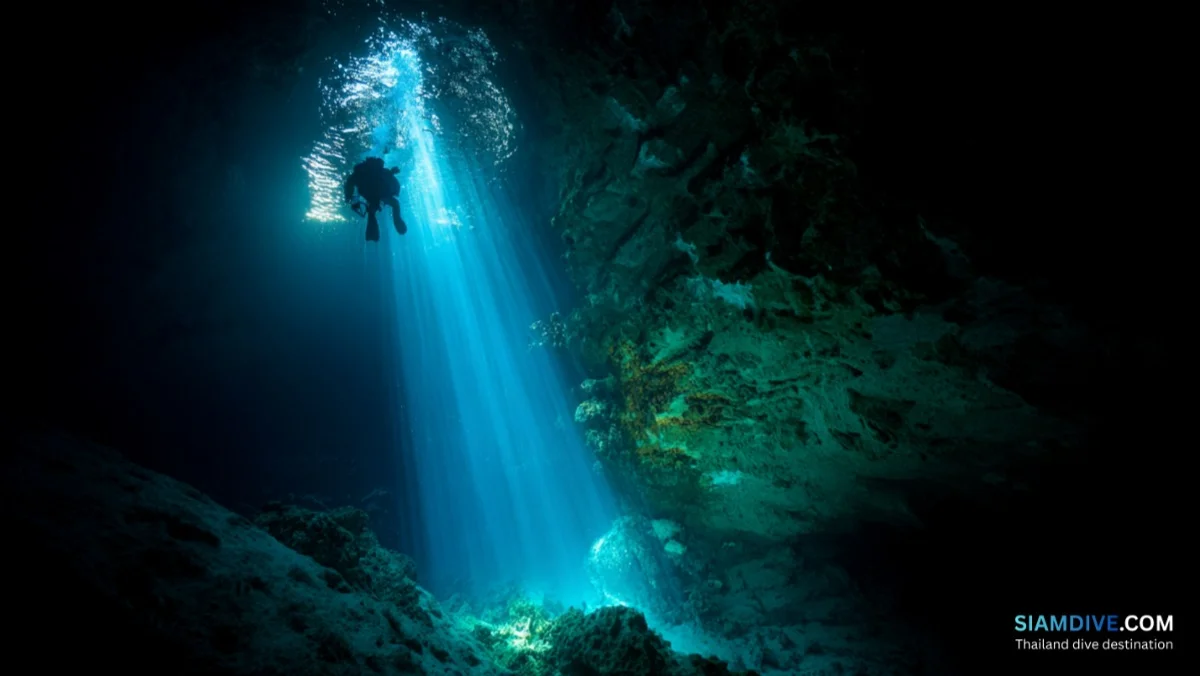
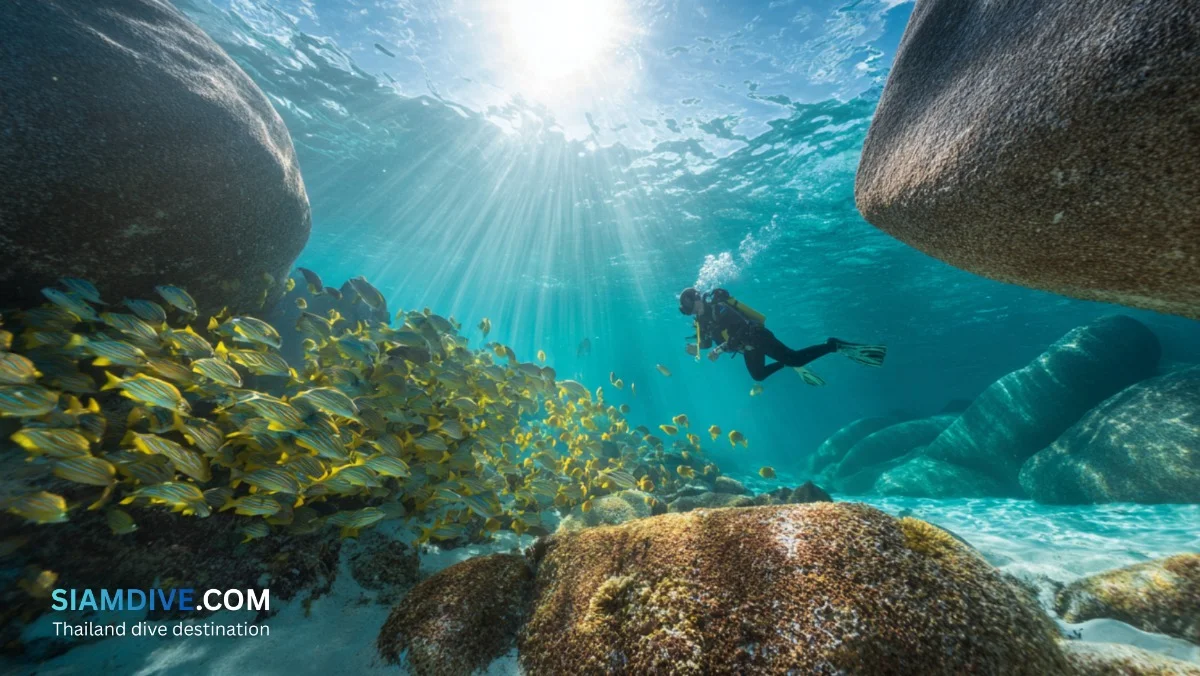
The serious dive on Koh Lipe's menu. 8 Mile Rock is a collection of granite pinnacles rising from the sandy bottom, with depths ranging from 18 to 30 meters. This site is recommended for Advanced Open Water divers and above — currents can pick up here, and the deeper sections demand good buoyancy control. The payoff is bigger marine life: barracuda schools, trevally, and the occasional reef shark cruising past the pinnacles. The rock formations themselves are impressive, covered in sea fans and barrel sponges at depth.
Stonehenge
Named for its stacked boulder formations that do, honestly, look a bit like an underwater version of the real thing. The rocks create swim-throughs and overhangs where you'll find resting spotted rays, moray eels, and lobsters tucked into crevices. Depths here are moderate — 10 to 22 meters — making it accessible for most certified divers. The sea fan coverage on the larger boulders is particularly photogenic, especially when backlit by afternoon sun.
Koh Hin Ngam
A rocky island with good coral coverage on its sloping reef. The topside is famous for its smooth black stones (visitors are told not to take them — bad luck, supposedly). Underwater, the reef slopes gently from 5 to 18 meters with a mix of hard and soft corals. It's a relaxed dive, good for a second or third dive of the day when you don't want anything too demanding.
Koh Yang and Koh Rawi
These larger islands within Tarutao National Marine Park offer wall diving and reef slopes with consistent coral coverage. Koh Rawi in particular has some nice drop-offs on its western side. Marine life is typical Andaman reef fare — lionfish, scorpionfish, moray eels, and plenty of reef fish. These sites are often combined in a two-dive morning trip.
Koh Kra
A lesser-visited site that rewards the extra boat time. Koh Kra features rocky outcrops with good soft coral growth and occasional pelagic visitors. It's less consistently good than Jabang or 8 Mile Rock, but on a clear day with mild current, it delivers. Ask your operator about current conditions before committing to the longer boat ride.
Marine Life You'll Encounter
Koh Lipe isn't a big-animal destination. Set your expectations accordingly and you'll be pleasantly surprised by what you do find. The reefs support a healthy population of tropical reef fish — butterflyfish, angelfish, parrotfish, wrasses, and damselfish are everywhere. Schools of barracuda patrol the deeper sites, particularly around 8 Mile Rock and the outer pinnacles.
Spotted rays (kuhl's stingrays and blue-spotted ribbontail rays) are common on sandy patches between coral formations. You'll see them resting under ledges at Stonehenge and occasionally gliding across the reef. Moray eels — both giant morays and white-eyed morays — occupy crevices throughout most sites.
The real star is the soft coral. Koh Lipe's reefs are dominated by dendronephthya soft corals in an absurd range of colors. They thrive in the nutrient-rich waters flowing through the channel between the islands, and their density on sites like Jabang is genuinely world-class. If you care about underwater photography, bring a macro lens — the coral polyps fully extended during current are spectacular up close.
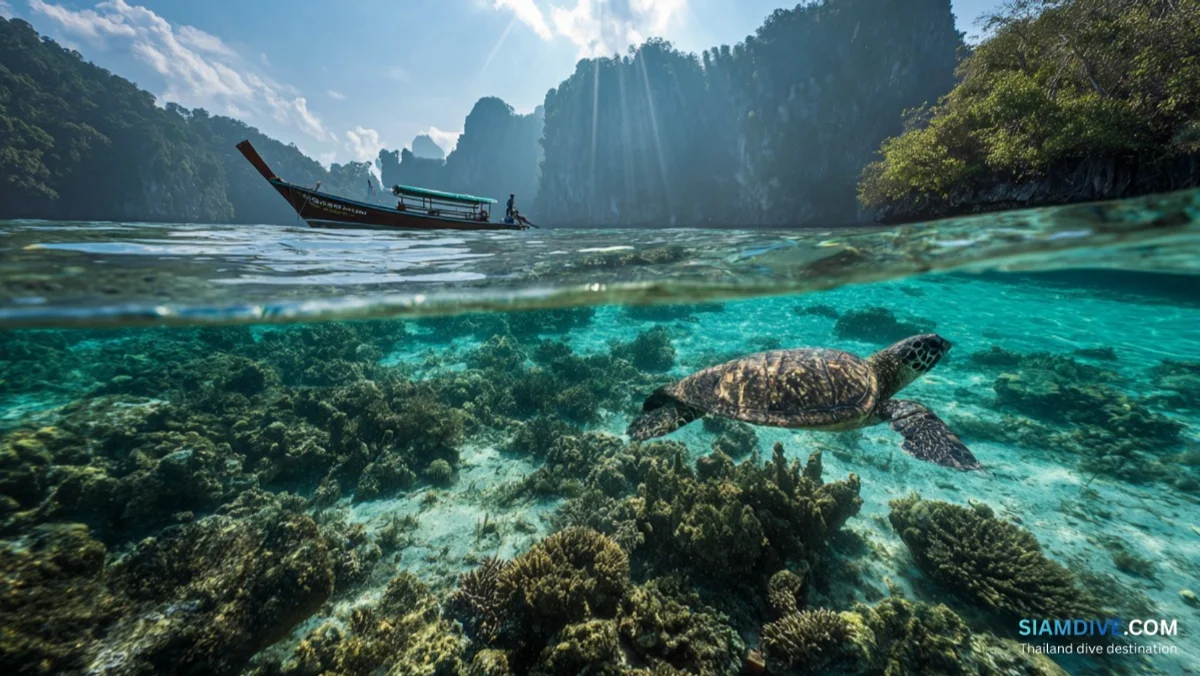
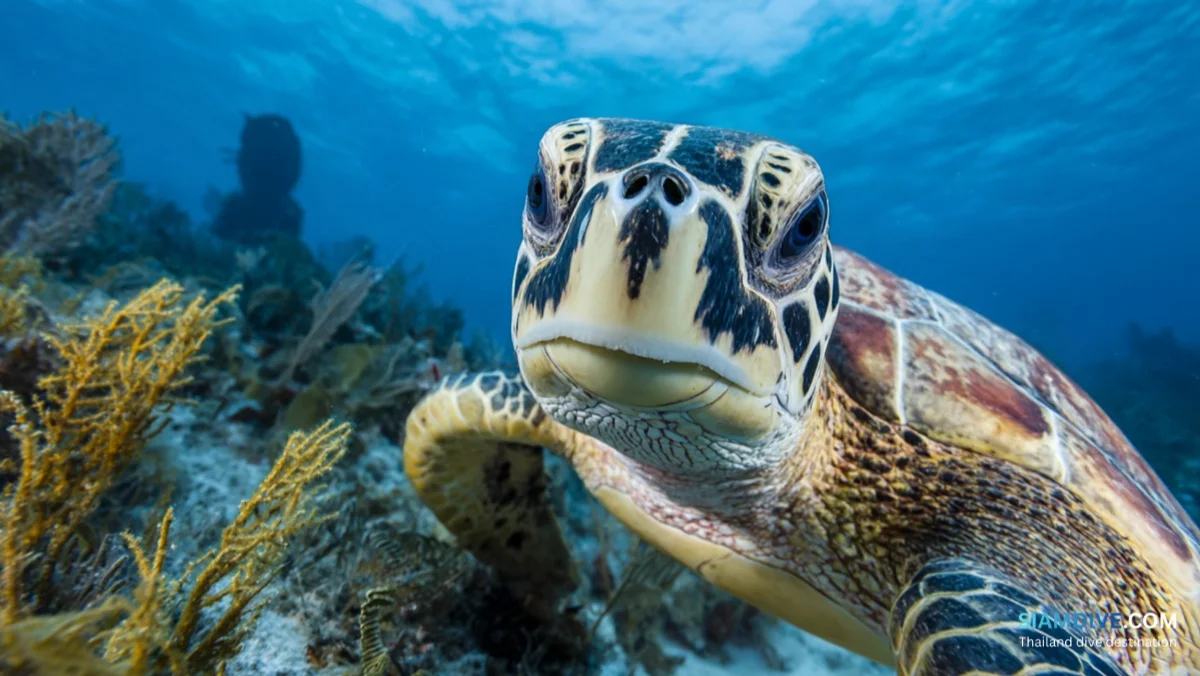
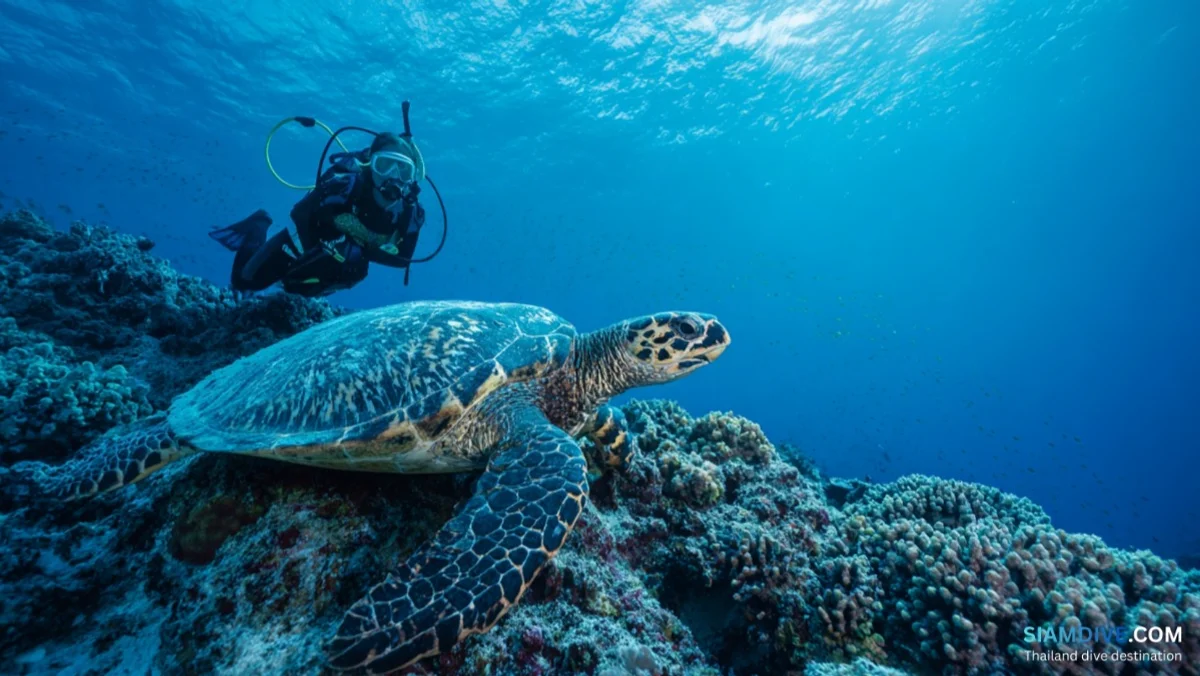
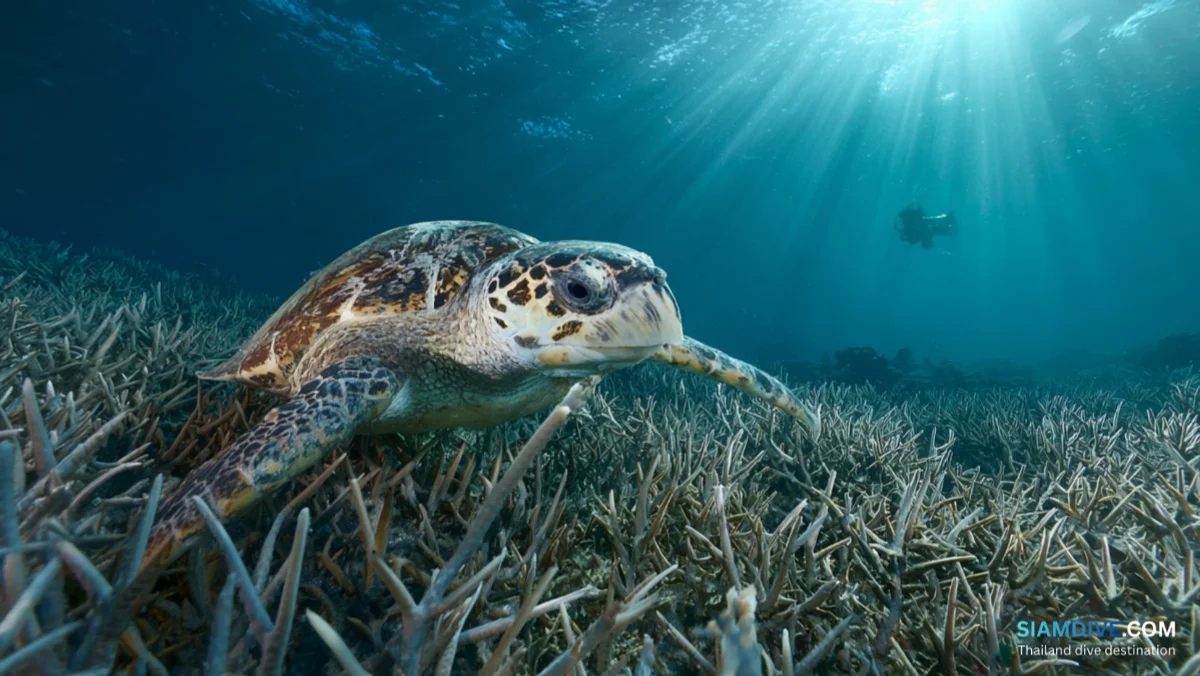
Other regulars include cuttlefish, octopus, nudibranchs (particularly on the deeper rubble zones), cleaning stations with shrimp and cleaner wrasses, and the occasional hawksbill turtle cruising through. Don't expect mantas or whale sharks — those are Similan territory.
Best Time to Dive
The diving season at Koh Lipe runs from November through April, period. This isn't a suggestion — during the monsoon months (May through October), seas get rough, visibility drops significantly, and most dive operators close up shop. The speedboats that connect Koh Lipe to the mainland don't run reliably either, so you may not even be able to get here.
Within the season, December through March offers the best conditions. Visibility peaks at 25-30 meters, seas are calm, and water temperature sits at a comfortable 28-30°C. You won't need more than a 3mm shorty or even just a rash guard if you run warm.
November and April are shoulder months. Conditions are usually fine but less predictable — you might get a few days of reduced visibility or choppier seas. Prices and crowds are also lower, which has its own appeal. Early November can be particularly good: the first boats of the season arrive to reefs that have been untouched for five months.
If you're planning a trip specifically for diving, aim for January or February. That's the sweet spot for reliable conditions without the peak holiday crowds of late December.
How to Get There
Getting to Koh Lipe requires planning. There's no shortcut — every route involves at least one transfer.
Via Hat Yai (Most Common)
Fly into Hat Yai International Airport. From there, arrange a transfer to Pak Bara Pier in Satun province — the drive takes 1.5 to 2 hours. Minivans and private transfers are available; your hotel on Koh Lipe can usually arrange this. From Pak Bara, speedboats depart for Koh Lipe and the ride takes about 1.5 to 2 hours depending on sea conditions. Speedboat tickets start from 550 THB one way. During high season, there are multiple departures daily, typically between 9:30 AM and 3:00 PM.
Via Phuket
If you're already in Phuket, there are direct speedboats from Rassada Pier to Koh Lipe during high season. Fair warning: this is a 5 to 5.5 hour boat ride. It's long, and on choppy days it's genuinely unpleasant. The advantage is skipping the flight to Hat Yai, but most people find the overland route through Hat Yai more comfortable overall. The Phuket speedboat usually includes stops at Koh Lanta and Koh Ngai along the way.
Via Langkawi, Malaysia
Koh Lipe is only about 30 kilometers from Langkawi island. Ferry services operate between the two during high season, taking 1.5 to 2 hours and costing approximately 160 MYR. This route makes Koh Lipe a practical add-on to a Malaysia trip, or vice versa. Note that you'll go through immigration on arrival — there's a small immigration booth on Koh Lipe for this purpose.
Getting Around Koh Lipe
The island has no cars and no scooter rentals. You walk, take a moto-taxi (longtail motorcycle with a sidecar), or hop on a longtail boat water taxi to reach beaches on the other side of the island. Most dive shops are on Pattaya Beach or Walking Street, and your accommodation is probably within 10 minutes on foot. It keeps things simple.
Tips for Diving at Koh Lipe
Costs
A standard two-dive day trip runs 2,500 to 3,500 THB including equipment rental. Discover Scuba Diving programs (no certification needed) cost around 3,000 THB for a single supervised dive. If you want to get certified, a PADI Open Water course runs 12,000 to 15,000 THB — competitive with pricing elsewhere in Thailand given the small group sizes.
Don't forget the national park fee: 200 THB for Thai nationals, 460 THB for foreigners. Some operators include this in their pricing; others don't. Ask before you book.
Dive Operators
Castaway Divers is the most established operation on the island and holds PADI Resort status. They run a professional setup with well-maintained equipment and experienced divemasters. Lipe Diver and Sunrise Divers are smaller operations that also get good reviews. All three keep group sizes to 4-6 divers maximum, which is standard here and a genuine advantage over the larger operations you'd find in Koh Tao or Phuket.
Book directly with the shop rather than through a hotel or third-party platform — you'll get better prices and can ask specific questions about conditions and site selection.
What to Bring
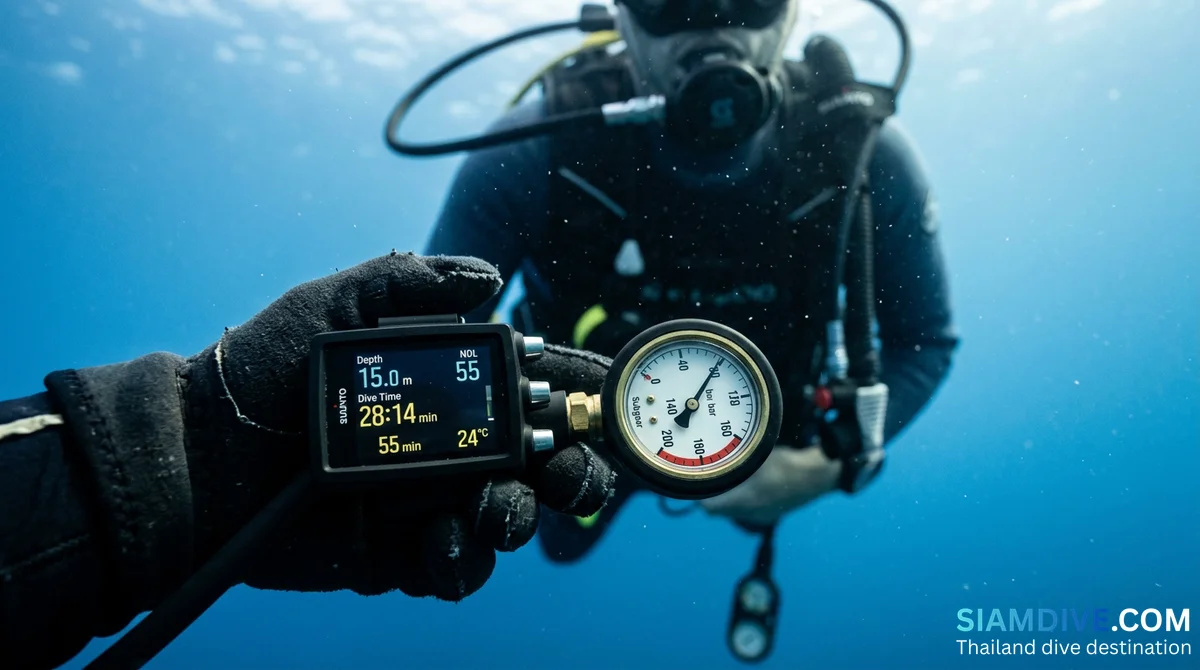
If you own your own mask and computer, bring them. Rental equipment on Koh Lipe is decent but not cutting-edge. Reef-safe sunscreen is important — the reefs here are healthy partly because the dive community pushes for responsible practices. A surface marker buoy (SMB) is recommended for the deeper sites where currents can drift you away from the boat. And bring cash — ATMs on Koh Lipe exist but aren't always reliable, and some shops prefer cash payment.
Final Thoughts
Koh Lipe rewards divers who are willing to put in the travel time. It's not the easiest place to reach, and it's not where you'll see the biggest animals. But the soft coral gardens are exceptional, the water clarity during season is outstanding, and the small-group diving experience feels personal in a way that's hard to find at Thailand's more popular destinations.
If you're planning a dive trip to Koh Lipe, check current conditions and operator schedules on siamdive.com. We track seasonal availability, pricing updates, and real diver reports from across Thailand's Andaman coast — including the hard-to-reach spots that most travel sites skip.