Why Liveaboards Beat Day Trips for Diving in Thailand
9 เมษายน 2569
Liveaboards offer 3-4 dives daily, access to remote sites like Richelieu Rock, and all-inclusive comfort that day trips simply cannot match.
The Day Trip Routine Gets Old Fast
You wake up at 5:30 AM in your Phuket hotel. You eat a rushed breakfast, climb into a minivan with twelve strangers, bounce along coastal roads for an hour, then board a speedboat that hammers across choppy water for another 90 minutes. By the time you roll backward off the boat, you've already burned half your morning. You get two dives — maybe three if the operator is generous — and then it's the same commute in reverse. You're back at the hotel by 4 PM, sunburned and vaguely unsatisfied.
That's the standard Andaman Sea day trip experience. It works fine if you're squeezing diving between temple visits and night markets. But if you came to Thailand specifically to dive, day trips are an expensive way to scratch the surface.
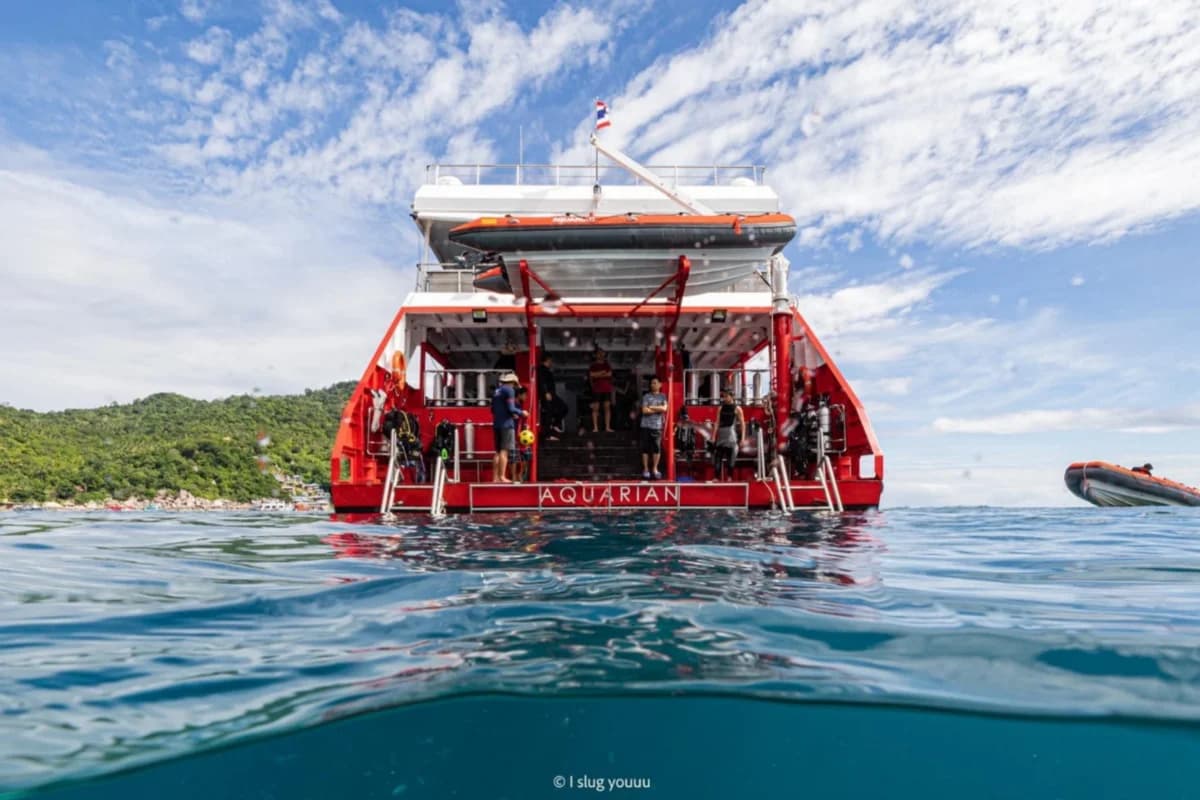
Liveaboards flip the equation entirely. You sleep where the dive sites are. You wake up, walk ten steps, and you're gearing up. No commute, no rushing, no wasted hours on a speedboat. Over a four-night trip, you'll log more dives than two weeks of day trips could deliver.
More Dives, Less Wasted Time
A typical Thailand liveaboard runs three to four dives per day. Some operators push it to five on longer itineraries. Compare that to day trips, which max out at two — occasionally three. Over a four-night liveaboard trip, you're looking at 12 to 16 dives. An eight-day route from Ranong to Phuket can deliver 25 dives.
The math matters because repetitive diving at the same site reveals things you'd never notice on a single pass. That barren-looking sandy patch next to Richelieu Rock? On your third dive there, you start finding ornate ghost pipefish, frogfish tucked into crevices, and seahorses clinging to soft coral. First-timers swim right past them.
Surface intervals on a liveaboard are different too. Instead of sitting on a cramped speedboat inhaling diesel fumes, you're on a sun deck with a plate of fresh fruit, watching the Similan Islands from 50 meters away. The crew briefs you on the next site while you off-gas. It's productive downtime — you're actually learning the dive sites rather than just ticking them off.
Time efficiency matters for another reason: your body burns roughly 1,400 calories per day from diving alone. Three to four dives spread across the day with proper surface intervals, good food, and rest between them is sustainable. Two rushed dives crammed between four hours of boat travel is just exhausting.
Remote Sites You Can't Reach Any Other Way
Here's the reality that day trip operators won't advertise: the best dive sites in Thailand are too far from shore for a round trip in one day.
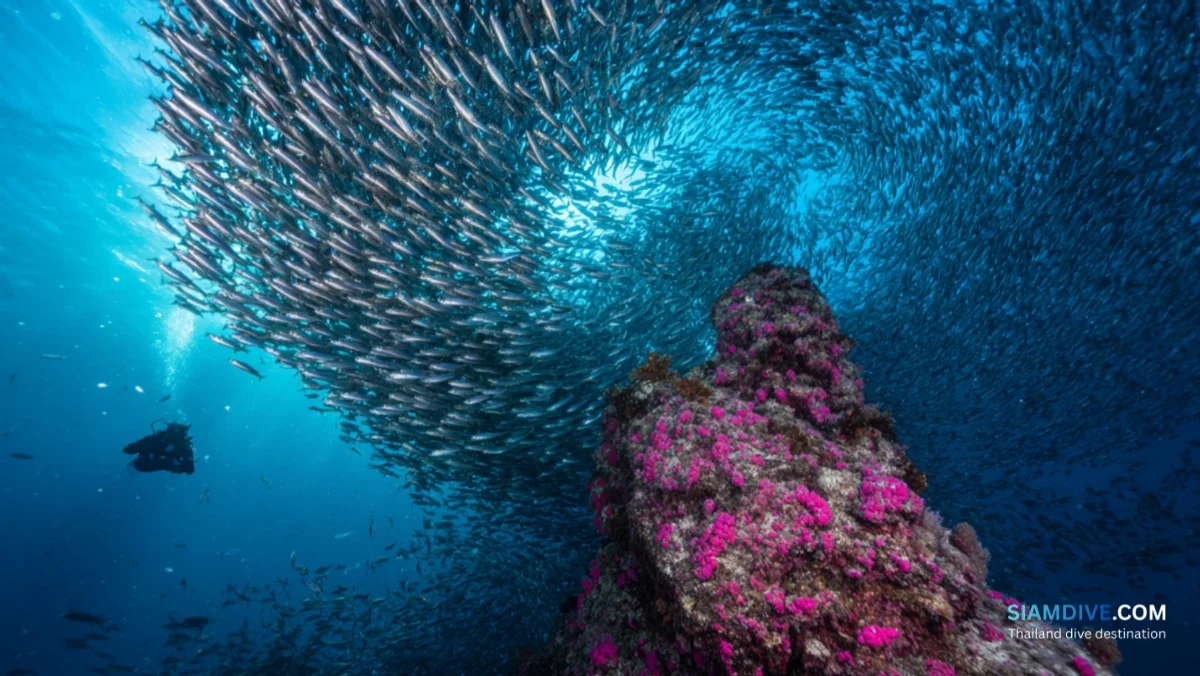
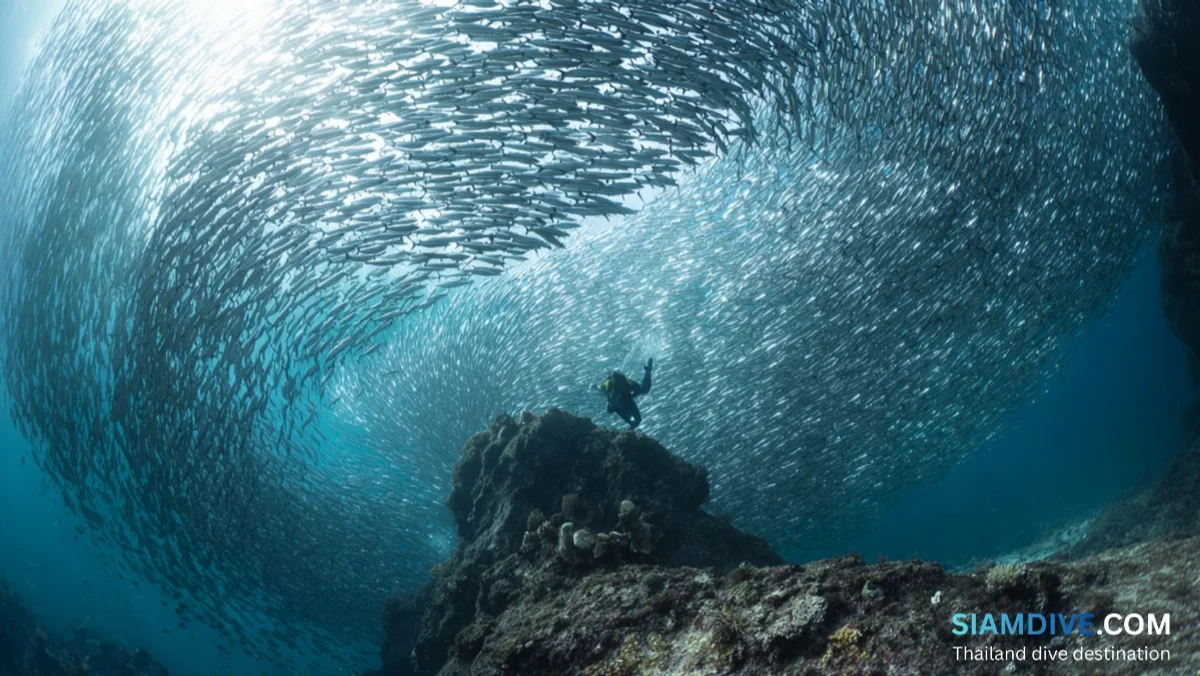
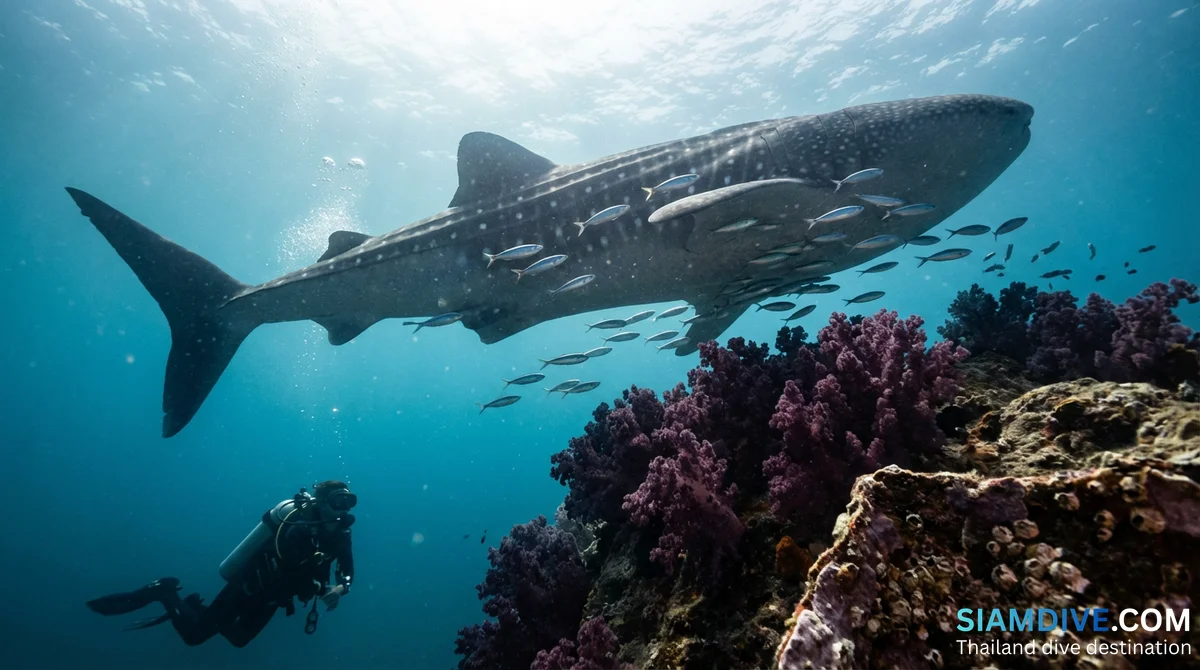
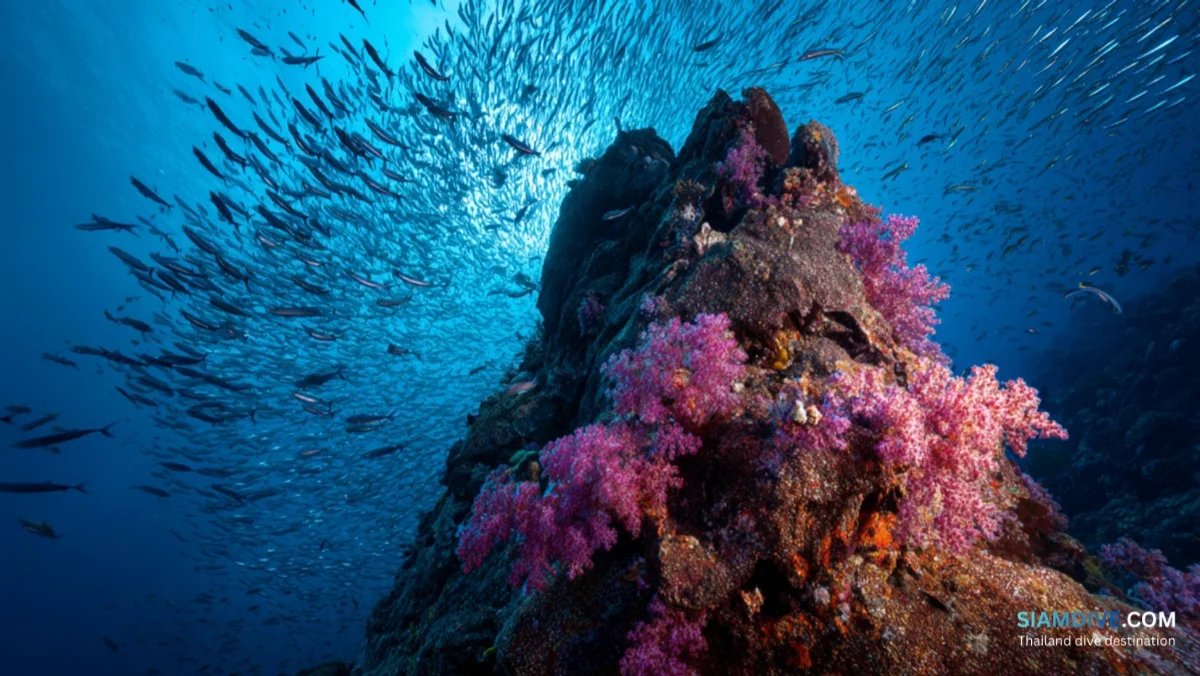
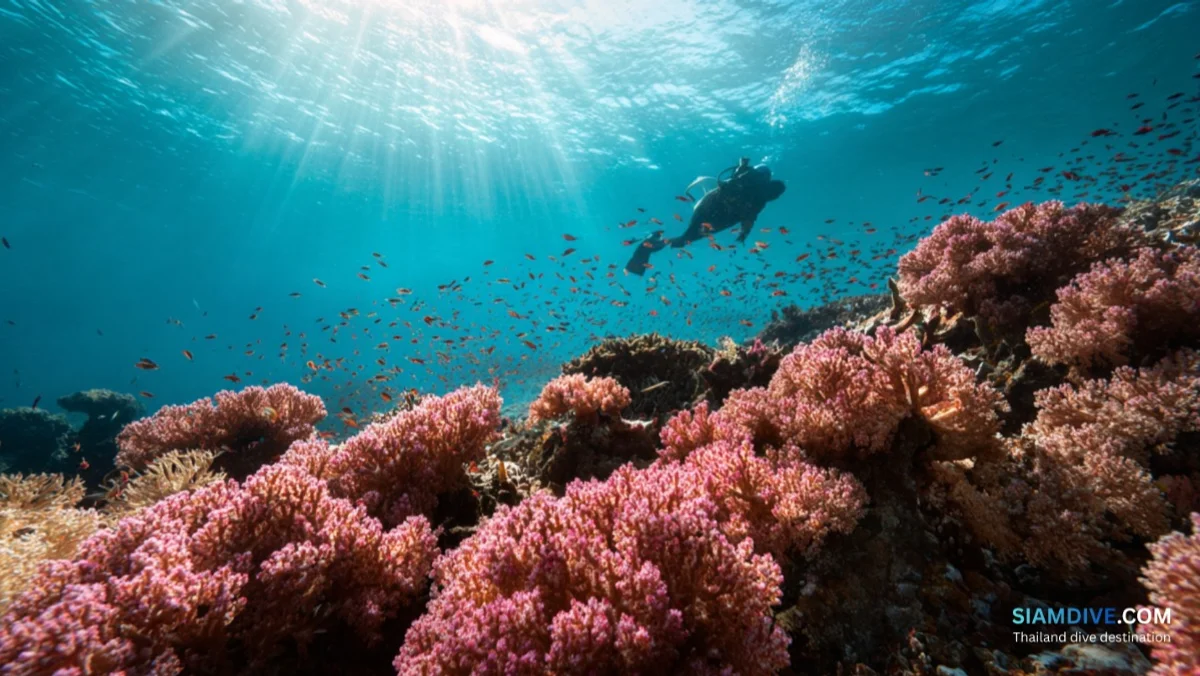
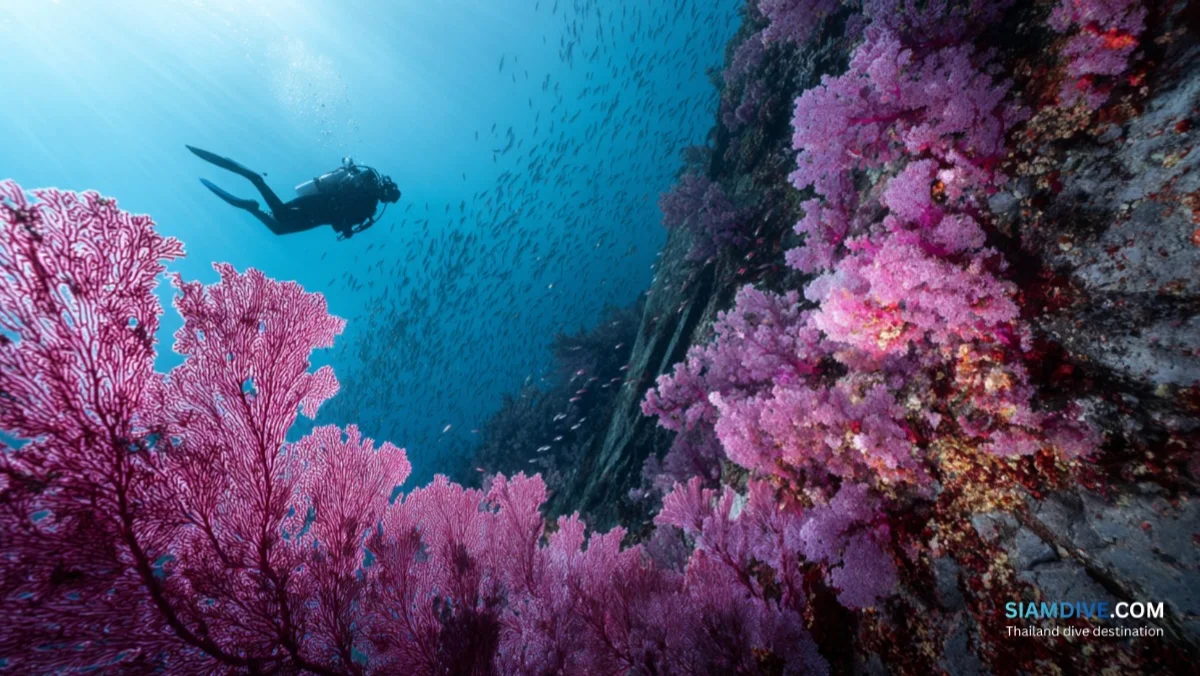
Richelieu Rock sits 200 kilometers northwest of Phuket. It's widely considered the best dive site in Thailand, and possibly Southeast Asia. Manta rays circle it from February through April. Whale sharks pass through. The rock itself is a horseshoe-shaped pinnacle covered in soft purple coral, and the macro life is absurd — harlequin shrimp, tiger tail seahorses, and ghost pipefish are regular sightings. You cannot reach Richelieu Rock on a day trip from anywhere.
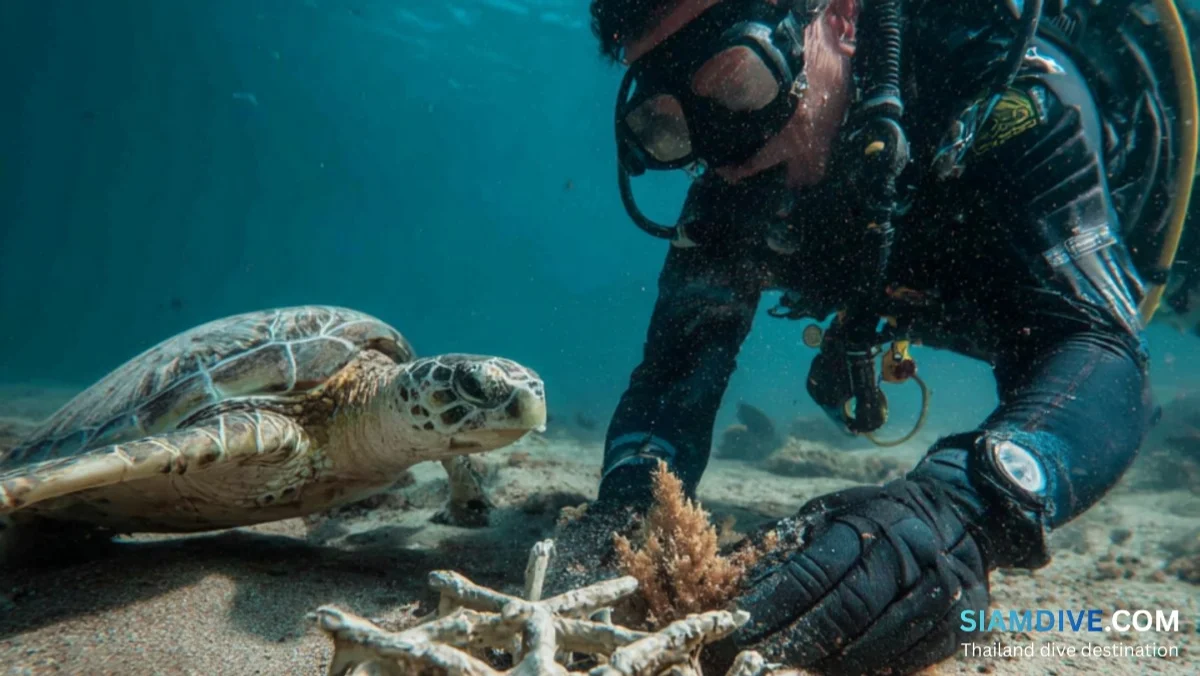
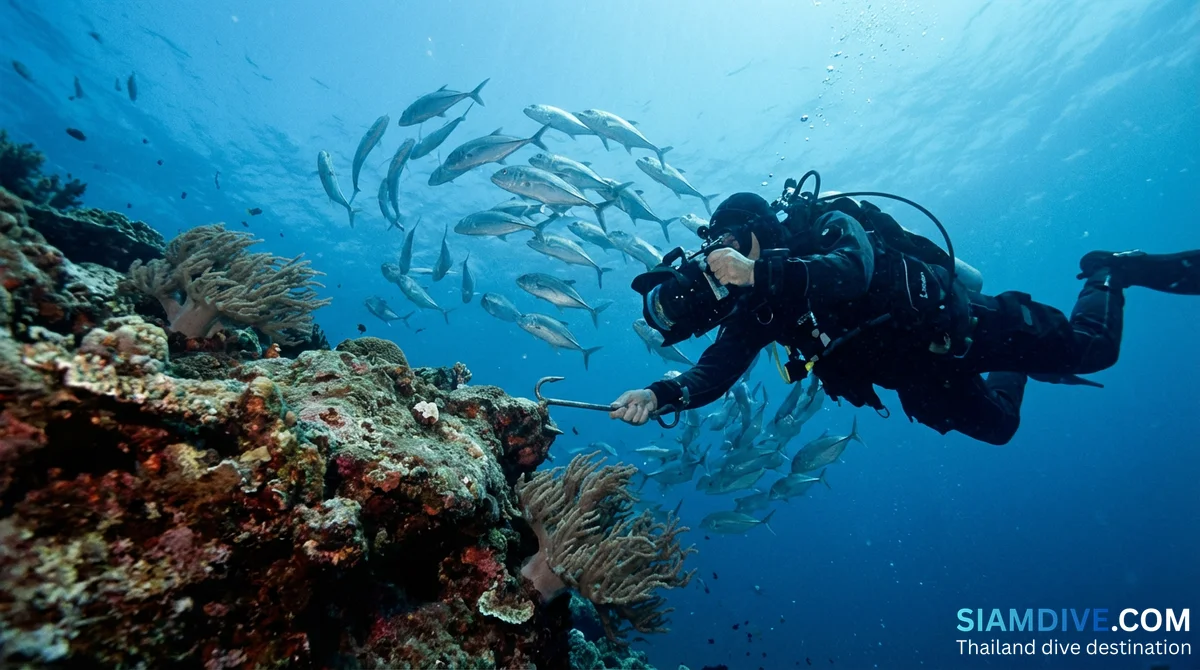
Koh Tachai, before its surface closure, had some of the healthiest reef systems in the Andaman Sea. Divers can still access its underwater pinnacle, but only from a liveaboard. Koh Bon is where you go for manta ray cleaning stations — the mantas hover at about 20 meters while cleaner wrasse pick parasites off their gills. Again, liveaboard access only for most itineraries.
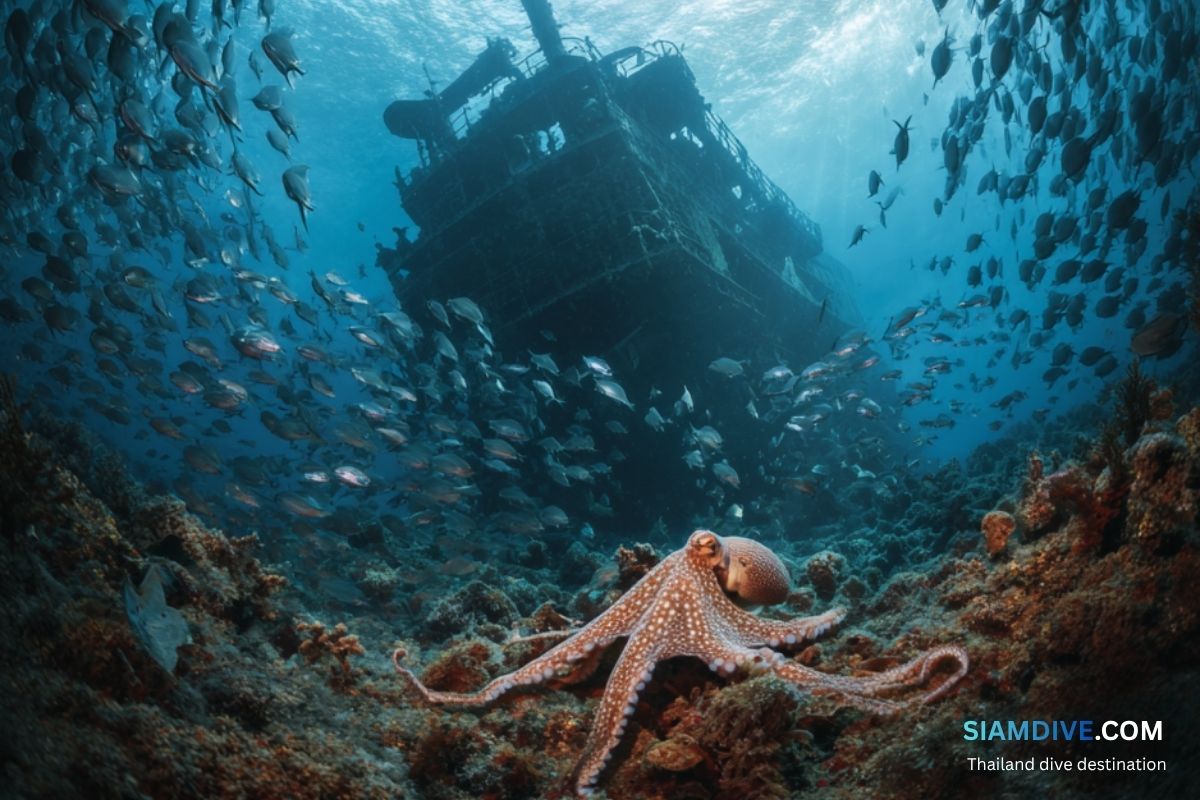
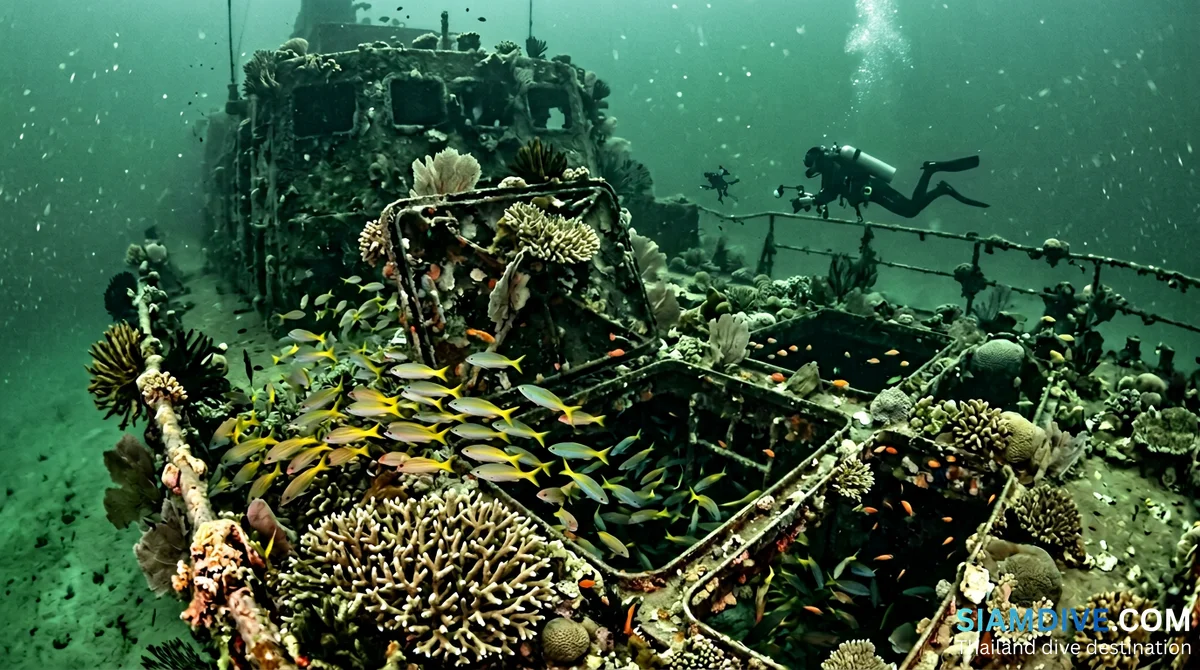
The Boonsung Wreck, a tin mining dredger sitting at 18 meters, has become an artificial reef crawling with juvenile barracuda, lionfish, and the occasional leopard shark. Some day trips reach it, but liveaboards let you dive it at dawn when the site is empty and the light is best.
For the truly committed, Mergui Archipelago itineraries cross into Myanmar waters. These are multi-day routes that access sites most divers will never see — pristine walls, untouched soft coral gardens, and shark populations that haven't learned to fear bubbles. You need a liveaboard, a Myanmar permit, and a sense of adventure.
Water conditions across these sites are generally consistent during season: visibility averages 15 meters (sometimes 25+ at the Similans), water temperature sits around 29°C, and dive depths range from 5 to 40 meters depending on the site.
The All-Inclusive Factor — Food, Gear, Comfort
Liveaboard pricing looks expensive until you realize what's included. Most boats serve three full meals plus snacks between dives. The food on Thai liveaboards is genuinely good — we're talking pad thai, green curry, tom yum soup, fresh fruit, and usually a spread of international options for passengers who want something familiar. Coffee and water flow constantly.
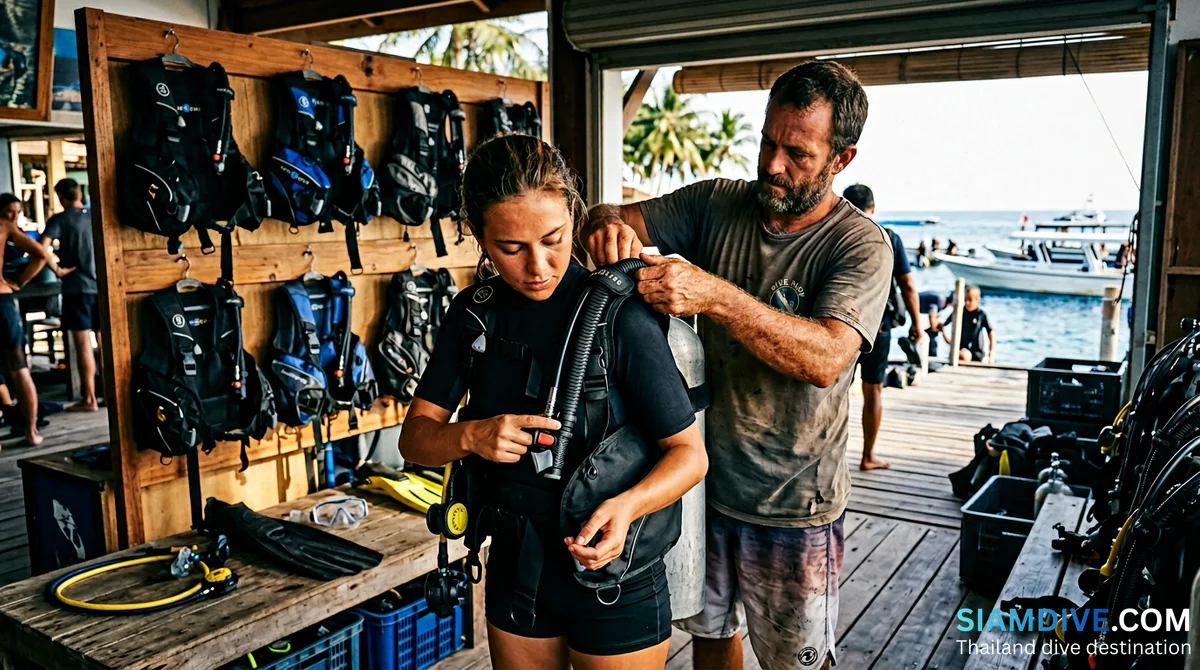
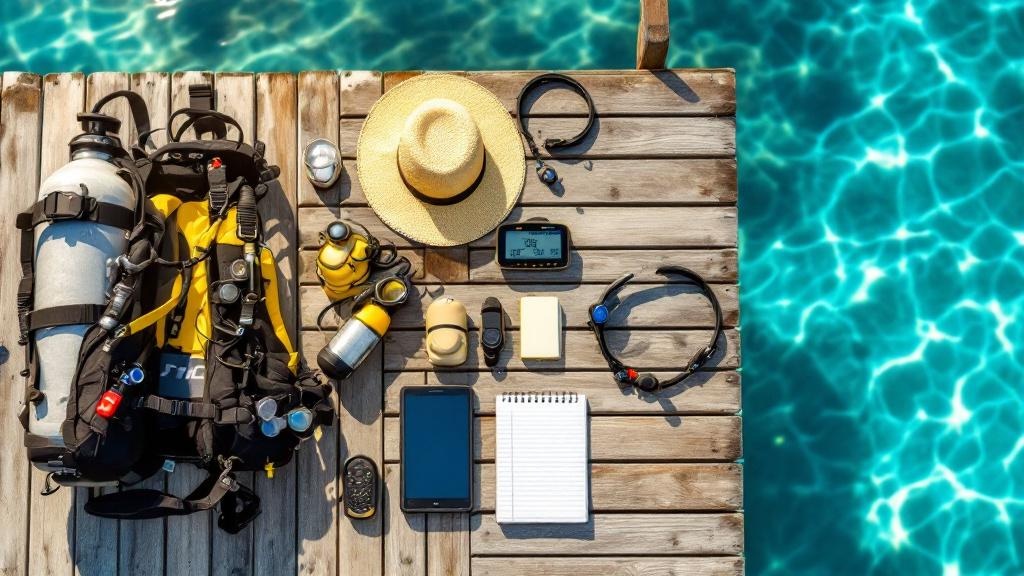
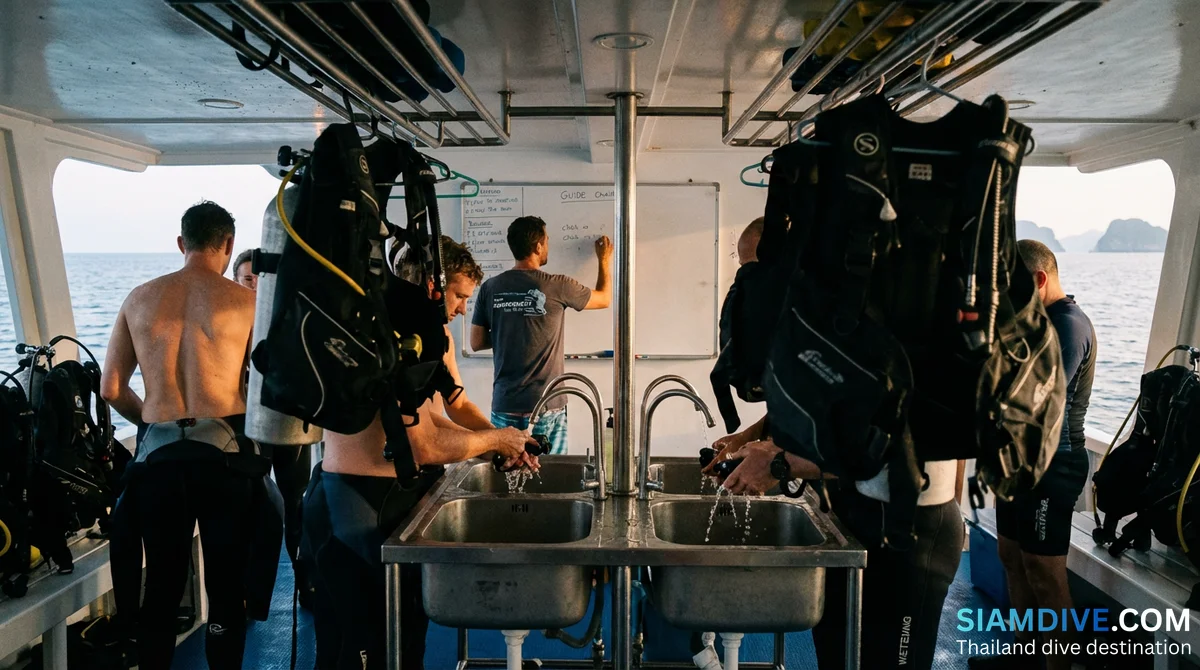
The crew handles your gear. You set it up once at the start of the trip, and after that, someone rinses it, stores it, and has it ready on your station before each dive. Warm towels appear when you climb back on board. Your tank is filled and checked. Your wetsuit is hanging where you left it. This sounds like a small thing until you've spent a week hauling your own gear on and off day boats.
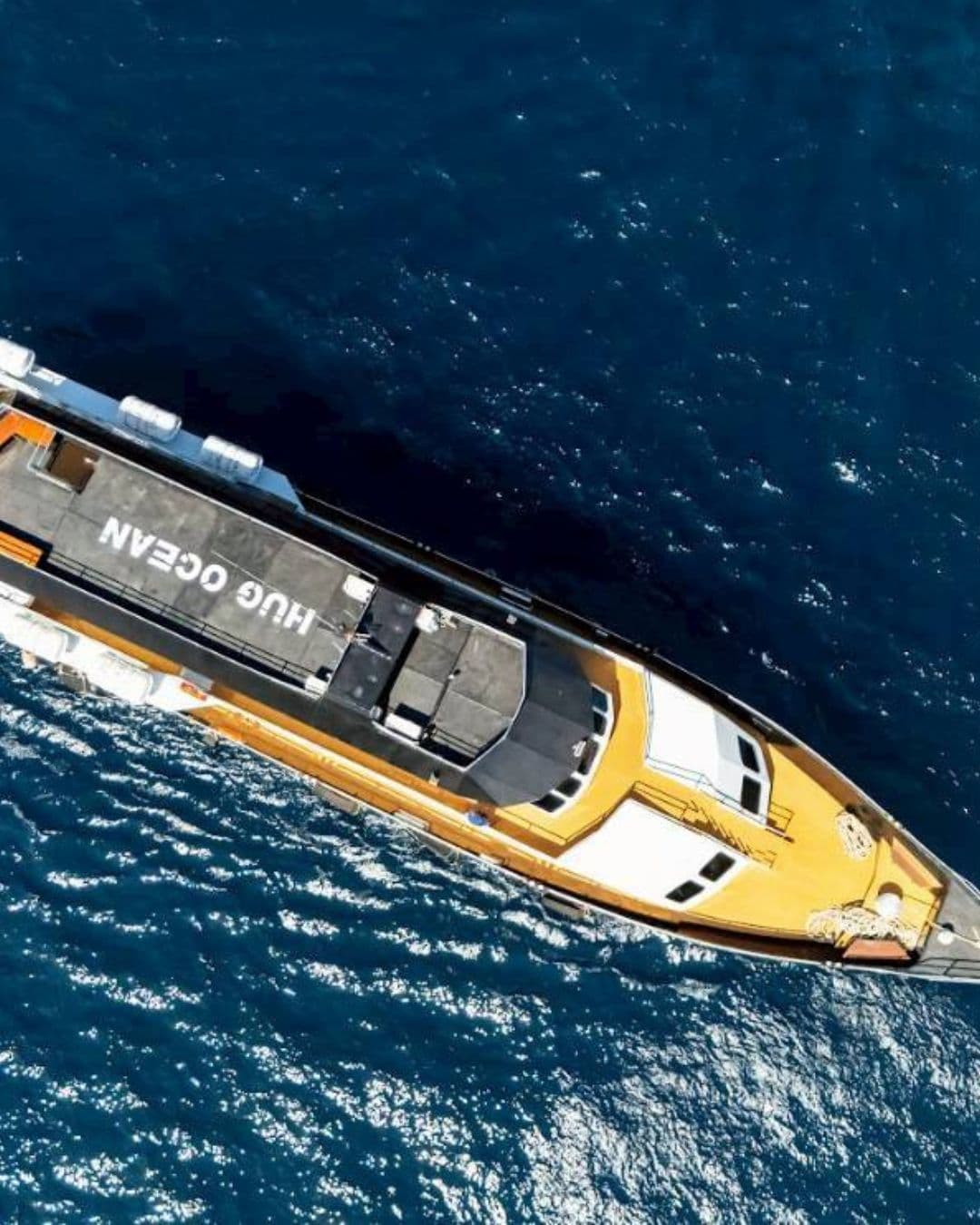
A boat like The Junk — a converted traditional Thai sailing vessel — carries 18 passengers maximum across 6 cabins, with 10 crew members. That's better than a 1:2 crew-to-guest ratio, which means the service level is closer to a boutique hotel than a dive charter.
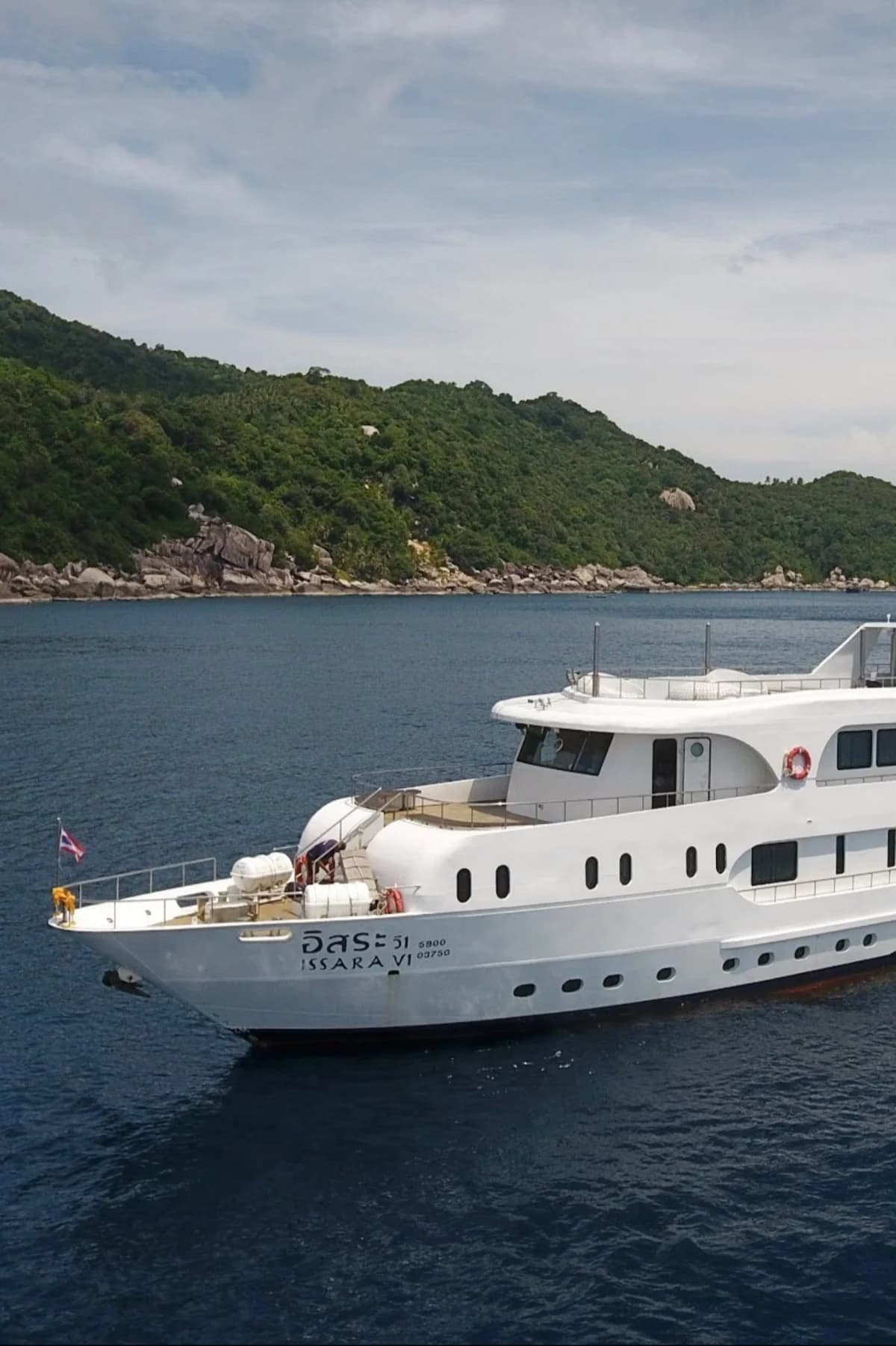
Cabins range from compact shared berths on budget boats to private suites with en-suite bathrooms on premium vessels. The common areas usually include a sun deck, a shaded lounge, a dining area, and a camera station with charging points. Some luxury boats add jacuzzis, dedicated camera rooms with rinse tanks for underwater housings, and entertainment systems.
Night Dives and Early Morning Magic
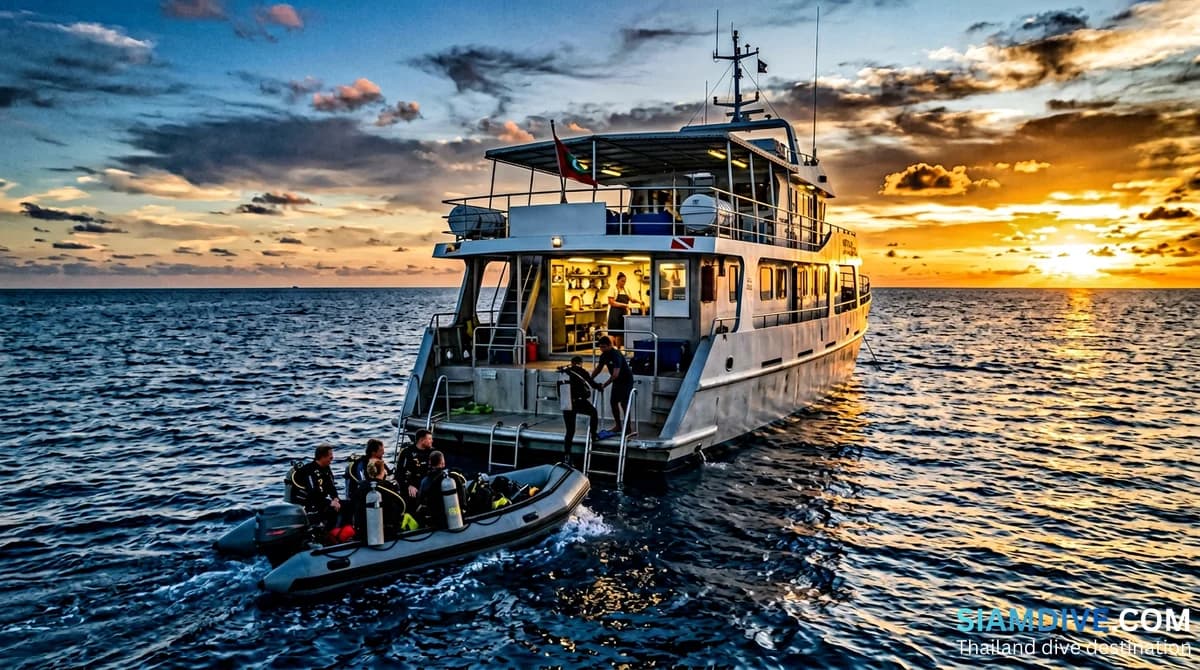
Night diving from a liveaboard is a completely different experience than doing it from shore. The boat is anchored directly over the site. You descend the mooring line into darkness, and the reef transforms. Octopuses hunt across the sand. Sleeping parrotfish are wrapped in mucus cocoons. Moray eels cruise the open water instead of hiding in holes. Spanish dancers — giant red nudibranchs — pulse through the water column.
The pre-dawn dive is even better. Some operators offer a sunrise dive where you enter the water at first light. The nocturnal creatures are still active, the diurnal fish are just waking up, and the light filtering through the surface creates colors you won't see at midday. It's the single best time to spot leopard sharks resting on sand, and the coral polyps are still extended from nighttime feeding.
Day trips can't offer this. By the time a day boat reaches a dive site, the morning magic is gone. And night dives require anchoring overnight, which is the whole point of a liveaboard.
Even the surface intervals between dives have their own appeal. Dolphins sometimes follow the boat between sites. Flying fish scatter across the bow wake. At anchor near the Similan Islands, the sunsets are the kind that make you stop mid-conversation and just stare.
What It Actually Costs — Budget to Luxury
Let's talk numbers, because liveaboard pricing in Thailand is more accessible than most people assume.
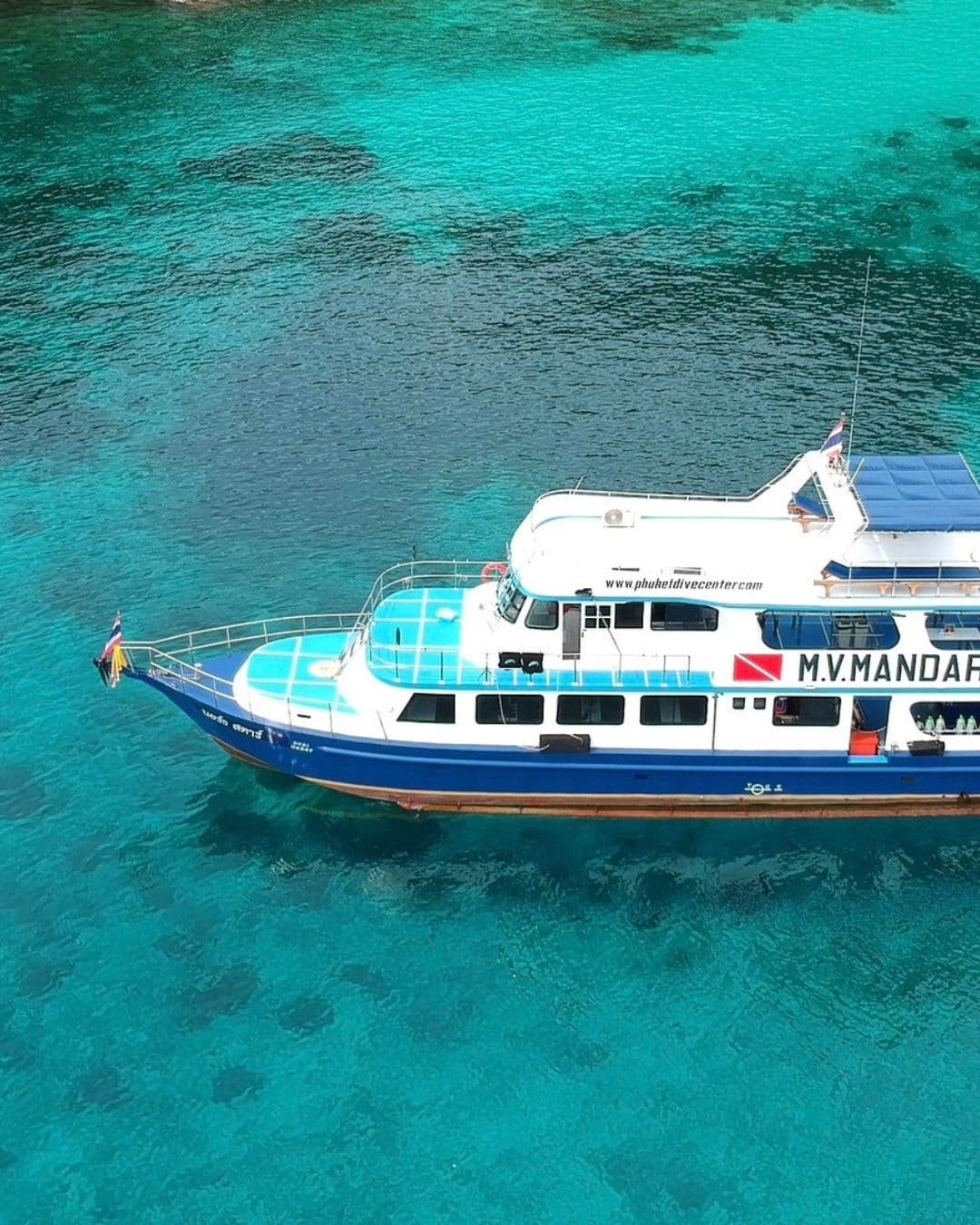
Budget liveaboards start around $100 per night. At this tier, you're getting shared cabins, communal bathrooms, solid but simple meals, and perfectly adequate diving. The boats are older but maintained, the guides are experienced, and you hit the same sites as the luxury fleet. A four-night Similan Islands trip on a budget boat runs roughly $400 to $500 all-in.
Mid-range boats — $150 to $250 per night — add private cabins with en-suite bathrooms, better food variety, Nitrox availability (sometimes included, sometimes $50 to $80 extra), and newer equipment. This is where most experienced divers end up. The Junk, for example, offers a four-night trip at $2,145, which works out to about $536 per night but includes premium service, unique character, and a beautiful traditional vessel.
Luxury liveaboards run $300 to $1,000+ per night. At this level, you're getting private suites, gourmet meals with wine pairings, unlimited Nitrox, dedicated camera facilities, spa treatments, and sometimes above-water activities like kayaking and island hikes. These boats carry fewer passengers — sometimes as few as eight — which means uncrowded dive sites and personalized attention.
Compare this to day trips: a two-dive day trip from Phuket costs $80 to $150 per person. Over four days, that's $320 to $600 for eight dives — and you're spending 16 hours commuting. A budget liveaboard gives you 16 dives for roughly the same price, with meals, accommodation, and zero travel time included.
The liveaboard season in Thailand runs from November through April. Book early for December through February — those months fill up fast, especially for premium boats. Shoulder months (November and April) often have discounted rates and smaller crowds.
Who Should (and Shouldn't) Book a Liveaboard
Liveaboards make sense if you want to maximize your diving. If you're certified (Open Water minimum, though some advanced routes require 50 to 100 logged dives), reasonably comfortable in the water, and willing to spend four or more days focused primarily on diving, a liveaboard is objectively the best way to dive Thailand.
They're also surprisingly good for solo travelers. The small group sizes — typically 12 to 18 passengers — mean you'll know everyone by name within 24 hours. Buddy pairing happens naturally. The shared meals and dive briefings create a social rhythm that works even for introverts. Groups of six or more can often negotiate discounts.
Liveaboards are not ideal if you get severely seasick and haven't found a medication that works for you. The boats anchor in sheltered bays at night, and the Andaman Sea during season is generally calm, but there's always some motion. If you can't sleep with gentle rocking, test yourself on an overnight ferry first.
They're also not great if you want a mixed vacation — half diving, half sightseeing. Once you're on the boat, you're on the boat. There's no popping out for a temple visit or a cooking class. Non-diving partners will be bored. If you want a split itinerary, do your liveaboard first and then spend a few days on land afterward.
Families with young children should also think carefully. Most boats don't accept children under 10, and the compact spaces, steep ladders, and open water aren't designed for kids. Teenagers with dive certifications, on the other hand, tend to love it.
Safety standards on reputable Thai liveaboards are solid. Expect first aid kits, emergency oxygen supplies, fire extinguishers, life rafts, and crew trained in rescue procedures. Every diver carries a surface marker buoy (SMB), and safety stops at 5 meters are mandatory. The industry learned hard lessons from past incidents and has tightened standards significantly.
Final Thoughts
Day trips have their place. They're flexible, they're cheap, and they let you mix diving with other activities. But if you've come to Thailand to actually dive — to see mantas at Koh Bon, to hunt for ghost pipefish at Richelieu Rock, to drop into black water at midnight and watch the reef come alive — a liveaboard is the only way to do it properly.
The cost difference is smaller than you think. The experience difference is enormous. Four days on a liveaboard will give you more underwater time, more species, more remote sites, and better stories than two weeks of day trips could ever match.
Ready to find the right boat? Browse liveaboard schedules, compare itineraries, and check real-time availability at siamdive.com. Filter by date, budget, route, and boat style — every listing includes verified photos, detailed cabin layouts, and transparent pricing. Your Andaman Sea adventure starts with picking the right vessel.