5 Months Empty: What Actually Grows Back on Similan's Reefs
26 เมษายน 2569
Every May 15 the last boat leaves the Similans. When divers return five months later, the reefs look different. Here is what the data actually shows.
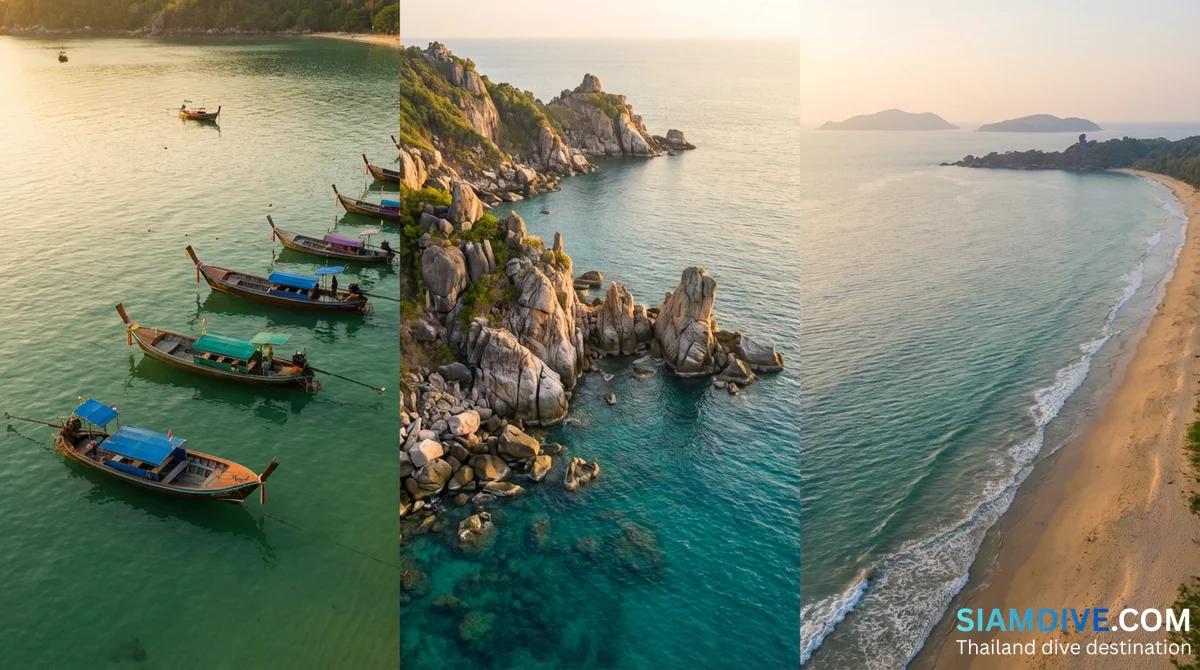
On May 15 every year, the last speedboat reverses off the beach at Koh Miang, its propeller churning white against turquoise. Park rangers chain the mooring buoys, roll up the welcome signs, and walk inland. For the next five months, the only visitors to the Similan Islands will be monsoon swells, reef sharks, and whatever grows in the absence of 3,325 daily tourists.
The question — asked by marine biologists, dive operators, and anyone who has floated above a Similan reef — is whether five months of silence is enough. Whether coral that took a decade to grow can recover from a season of fin kicks, anchor scars, and sunscreen plumes. The data spans two decades now, and the answer is more complicated than the tourism brochures suggest.
The Calendar That Rules the Andaman
Mu Ko Similan National Park operates on a strict open-close rhythm: October 15 to May 15, open; May 15 to October 15, closed. The shutdown tracks the southwest monsoon, when waves reach three to five metres and visibility drops below five. Even if conservation were not a priority, diving would be impractical.
But conservation is the stated reason. During the closure, park staff conduct underwater line-transect surveys at monitoring sites like Koek Bay and Hin Hua Tua near Island No. 8, measuring coral cover, fish biomass, and invertebrate diversity without tourism interference. No boats means no anchor damage, no diver contact, no waste discharge, and no sediment stirred from shore traffic. The monsoon itself contributes: cooler water temperatures and reduced sunlight lower the risk of coral bleaching, giving stressed colonies a thermal window to consolidate new growth.
The current season opened on October 15, 2025, and will close on May 15, 2026 — the same cadence the park has followed for over two decades.
From 7,000 to 3,325
Before the quota system, peak days brought roughly 7,000 visitors to the Similans. Boats jostled for mooring space at Donald Duck Bay. Snorkellers crowded the shallows until the reef resembled a public swimming pool. Even during the open season, the coral had no breathing room.
In 2018, researchers from Kasetsart University's Faculty of Fisheries published a carrying-capacity study commissioned by the Department of National Parks. Their conclusion was precise and non-negotiable:
- Day visitors (snorkel and beach): maximum 3,325 per day
- Scuba divers: maximum 525 per day
- Previous daily peak: approximately 7,000 (uncapped)
- National park entry fee (foreign adult): 500 THB
- National park entry fee (child): 250 THB
The cap more than halved the human load overnight. Tour operators grumbled. Booking systems scrambled. But the DNP held firm, citing the Kasetsart data as the scientific floor — not the ideal, the minimum restriction needed to prevent further degradation. Prof Dachanee Emphandhu, who led the Kasetsart research on tourism management for Mu Ko Similan, underscored that the number was calculated from reef resilience thresholds, not visitor satisfaction surveys.
Operationally, the quota means every day-trip boat must register in advance, and once 3,325 tickets are issued, the park closes its digital gate. High-season weekends and Chinese New Year sell out days ahead. Divers on liveaboard trips are counted separately under the 525 cap — a detail that occasionally catches operators off guard when survey boats or film crews absorb part of the daily allocation. Whether the cap has halved the damage is a separate question, one that depends on what the reefs looked like before the rules changed.
What 90% Dead Looks Like
Twice in living memory, the Similans' reefs collapsed. In 1998, the first global mass-bleaching event turned healthy hard-coral gardens into bone-white rubble fields across the Andaman Sea. Approximately 90% of coral in the Similan and Surin island groups died. The reef barely had a decade to regrow before the second blow landed.
In 2010, a phenomenon called the Reverse Indian Ocean Dipole pushed sea-surface temperatures past the bleaching threshold again. The result mirrored 1998 — another catastrophic mortality event that wiped out nearly everything that had grown back in twelve years. A reef that had been rebuilding itself, polyp by polyp, was reduced to rubble in a matter of weeks.
Neither event was caused by tourism. Bleaching is a temperature phenomenon driven by ocean-scale climate patterns far beyond any national park's control. But tourism compounded the damage: reefs already stressed by heat recover more slowly when boats anchor on them, divers break fragile new growth, and construction sediment from shore facilities smothers coral polyps. The seasonal closures exist to remove at least one variable from an equation that is already stacked against the reef.
Recovery by the Numbers
By August 2019, park authorities declared the Similans' corals "nearly fully recovered" from the 2010 bleaching — a nine-year timeline that aligns with global recovery benchmarks for Indo-Pacific reefs. A peer-reviewed study published in PLOS ONE documented annual hard-coral cover increases of approximately 2.2% on monitored Thai reefs in marine protected areas, a rate consistent with recovery data from comparable sites worldwide.
The strongest evidence for closure effectiveness, though, comes from a neighbouring experiment that removed tourism entirely.
Maya Bay — The Accidental Control Group
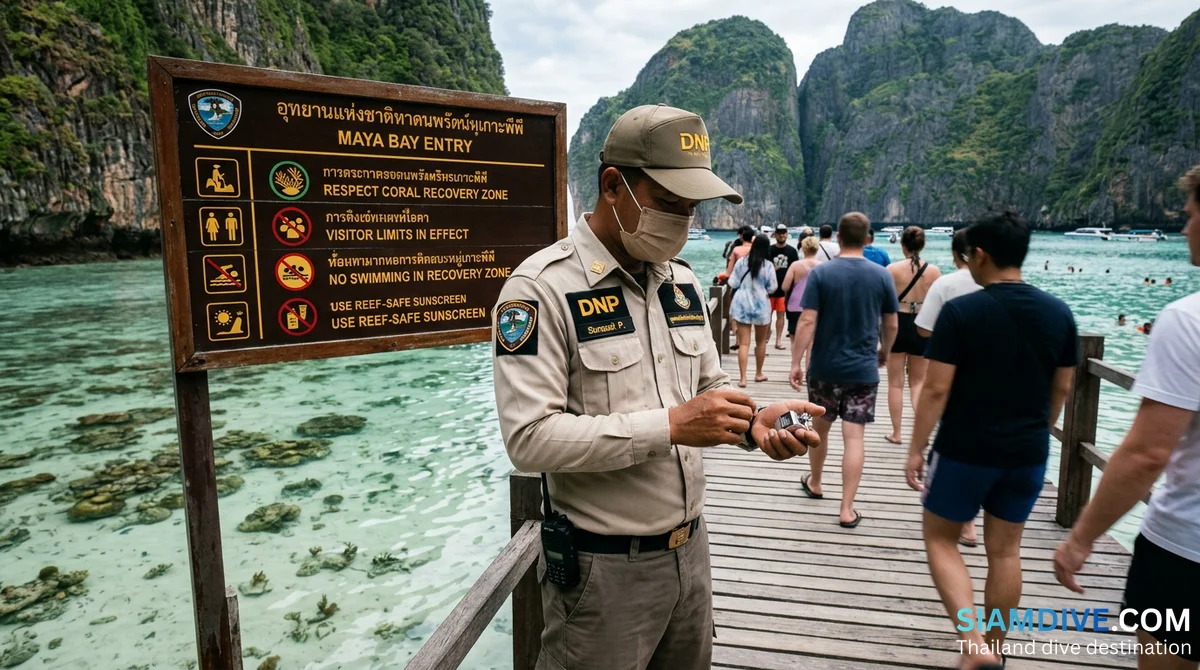
When Thailand shut Maya Bay in June 2018 — not seasonally but indefinitely — marine scientists gained something rare: a tourism-free reef in warm, accessible water with years of baseline data. Five years later, the numbers tell a clear story:
- Living coral before closure (2018): 8% of surveyed reef area
- Living coral after five years (2023): 20–30%
- Coral fragments replanted by researchers: more than 30,000
- Replanting survival rate: approximately 50%
- Blacktip reef shark return: within 3 months of closure
Maya Bay's recovery was not passive. Teams from Chulalongkorn University and the DMCR replanted coral fragments grown on nearby Koh Yung, monitoring survival monthly. The return of blacktip sharks to Phi Phi's bays became headline news worldwide — striking evidence that large marine animals recolonise quickly once human pressure drops.
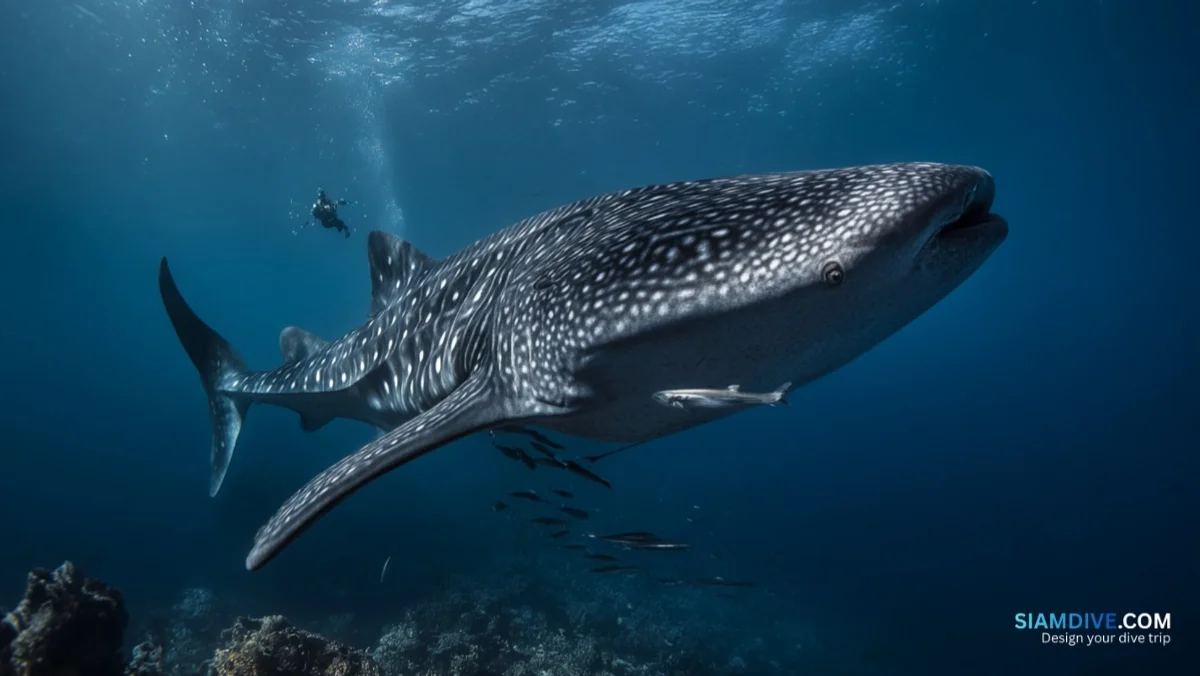
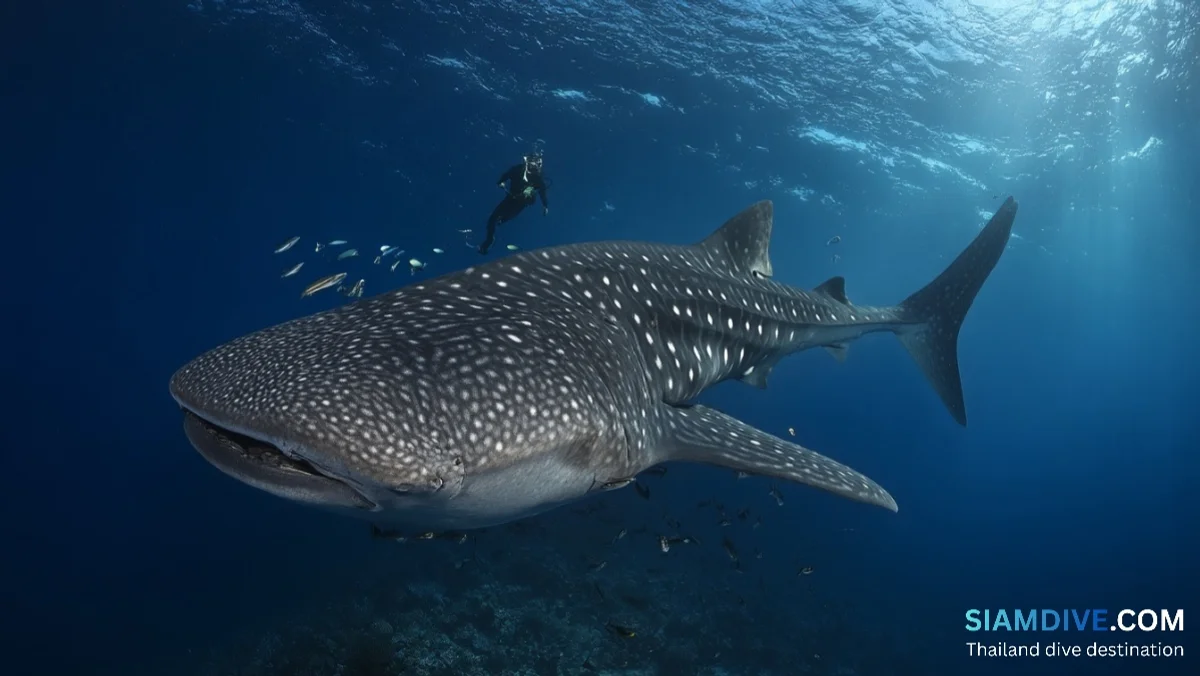
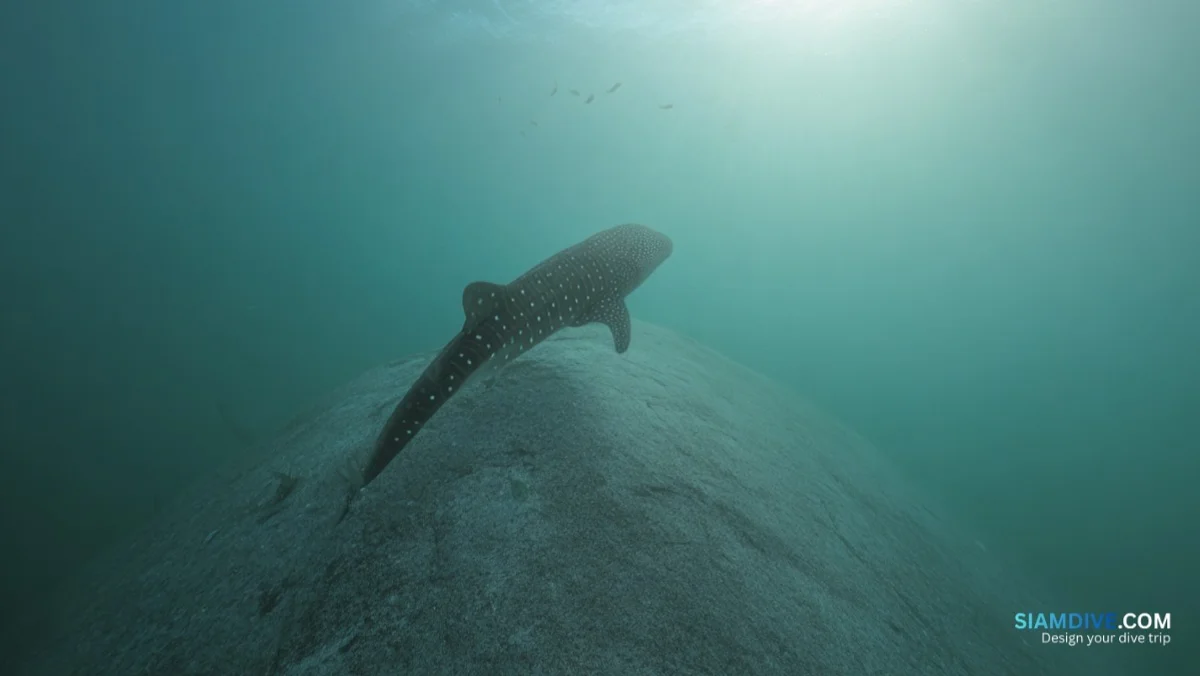
The COVID-19 lockdowns of 2020–2021 extended this experiment across every marine park in southern Thailand. Official DMCR monitoring reports documented increased sightings of dugongs, dolphins, whale sharks, leopard sharks, and five species of sea turtle during the tourism pause. The pattern held everywhere: remove humans, animals return. The Similans were no exception — dive operators returning for the October 2021 reopening reported unusually healthy reef fish populations and juvenile sharks on sites that had been heavily dived in previous seasons.
The Catch Nobody Posts About
Recovery percentages make for satisfying headlines. The complication surfaced in January 2026, when Mongabay published findings from a coast-to-coast coral assessment covering underwater surveys across eight Thai provinces. The fieldwork, conducted between 2022 and early 2024 — just before the fourth global bleaching event hit the region — revealed something the headline numbers obscure: Thailand's reefs are growing back simpler.
Staghorn and branching Acropora corals — the species that build the complex three-dimensional architecture fish, invertebrates, and juvenile marine life depend on — were recorded less frequently than in surveys from previous decades. What is replacing them are plating and massive coral forms: hardy, heat-tolerant, structurally flat. A reef can show 25% living coral cover and still offer a fraction of the habitat complexity it had at the same coverage thirty years ago.
The analogy is rebuilding a city after a fire but only putting up car parks. The square footage recovers. The livability does not.
This matters for species that depend on reef complexity for survival — the small reef fish that shelter in branching coral, the cleaner shrimp that hide in crevices, the juvenile groupers and snappers vulnerable to predation in open water. A flat reef supports fewer species even when it looks alive from the surface. The additional pressures from marine debris compound the problem further, stressing organisms that are already living on a simplified landscape.
Freezing the Future at −196°C
Some researchers are not waiting for the reefs to sort themselves out. In June 2025, Phuket Rajabhat University established Thailand's first coral cryobank — a facility that preserves coral reproductive cells and tissue fragments in liquid nitrogen at −196°C.
The logic is insurance. If ocean temperatures continue rising and bleaching events increase in frequency, some coral genotypes will disappear from living reefs entirely. The cryobank preserves genetic material that could, in theory, be reintroduced to restored reefs decades from now. It is the most pessimistic conservation strategy imaginable — and the fact that it exists says something about how marine scientists assess the long-term trajectory.
At the international level, the Global Coral Reef Monitoring Network is compiling data for its seventh global reef status report, due in 2026. Thailand's contribution will include the first systematic comparison of Andaman and Gulf reef health using standardised methodology — data that, for the first time, will benchmark the outcomes of seasonal closures like the Similans' against non-closure sites in the Gulf of Thailand.
What Divers See When the Park Reopens
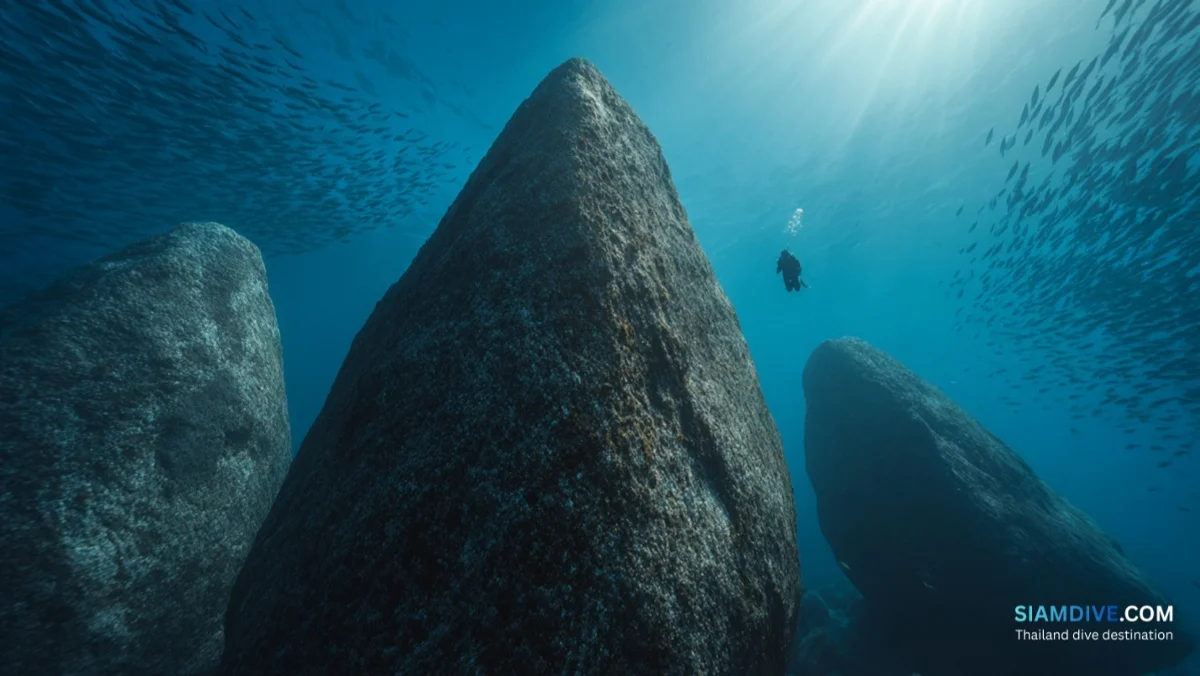
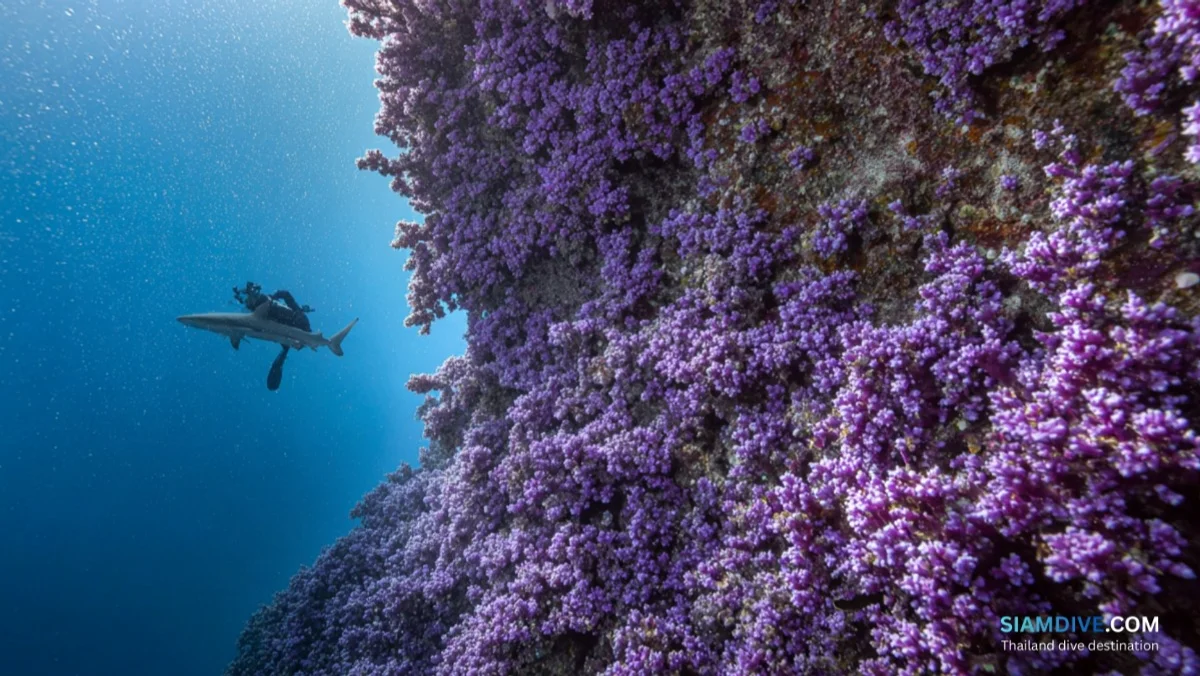
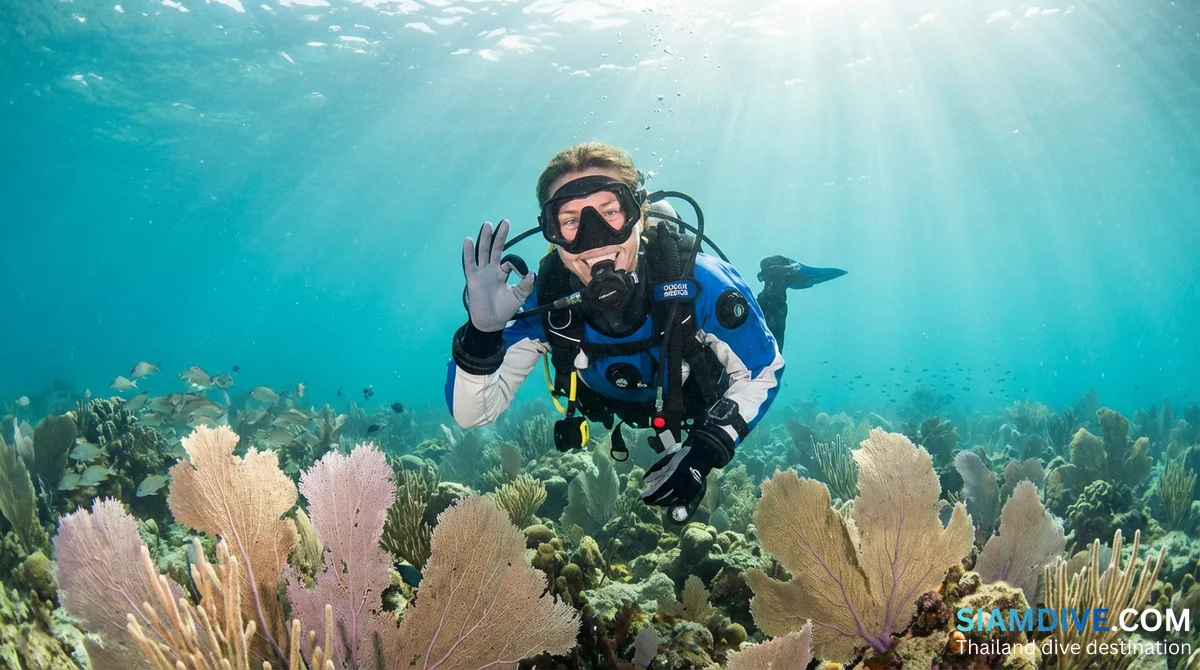
None of this nuance is visible at 18 metres. A diver descending onto Christmas Point or the granite boulders near Richelieu Rock in the current 2025–2026 season sees what looks like a thriving reef: visibility stretching 20 to 40 metres, water temperature between 27°C and 30°C, and enough marine life to fill a logbook page. Soft corals drape the boulders in red and purple. Leopard sharks rest on sand patches. Giant morays coil in crevices the way they have for decades.
The seasonal closure works — up to a point. It removes tourism pressure for five months, allows sediment to clear, gives fish populations a breeding window free of boat noise and anchor chains, and lets whatever coral survived the previous season consolidate growth. What it cannot do is lower ocean temperatures, reverse structural simplification, or bring back the Acropora forests that took a century to build.
For visiting divers, the practical takeaway is timing and behaviour. The Andaman's best conditions run November through April, with February and March offering peak visibility and the calmest seas. April still delivers excellent diving — fewer boats, lower prices, visibility holding at 20–30 metres — but the window narrows fast as May approaches.
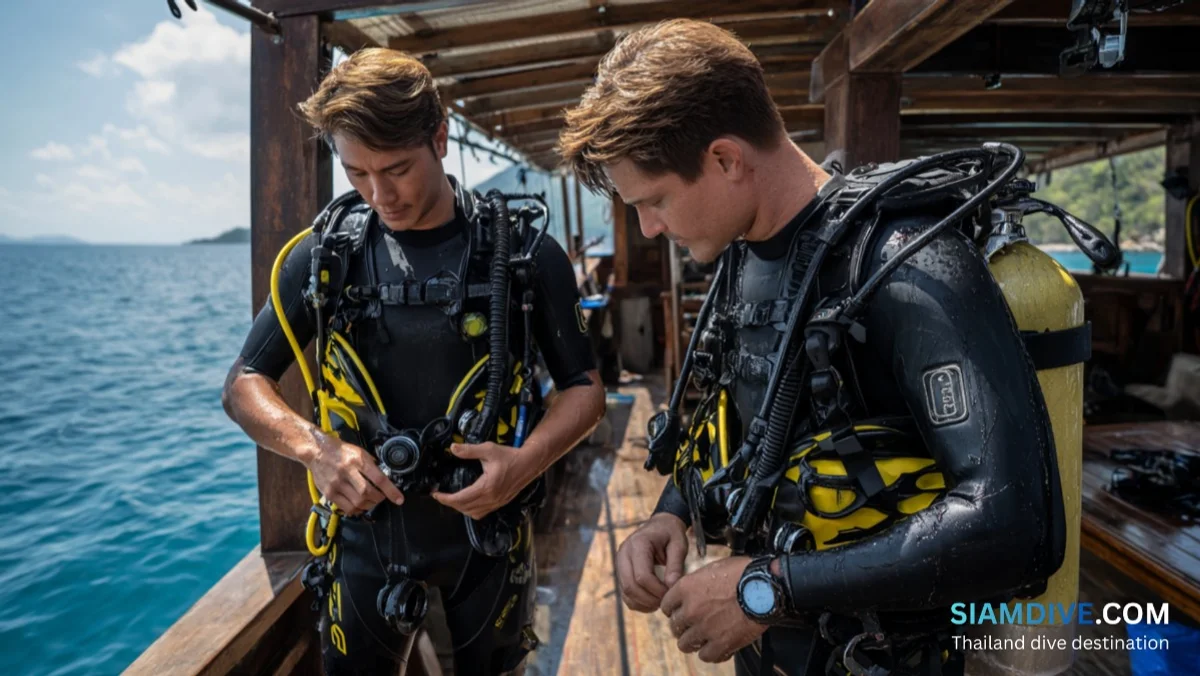
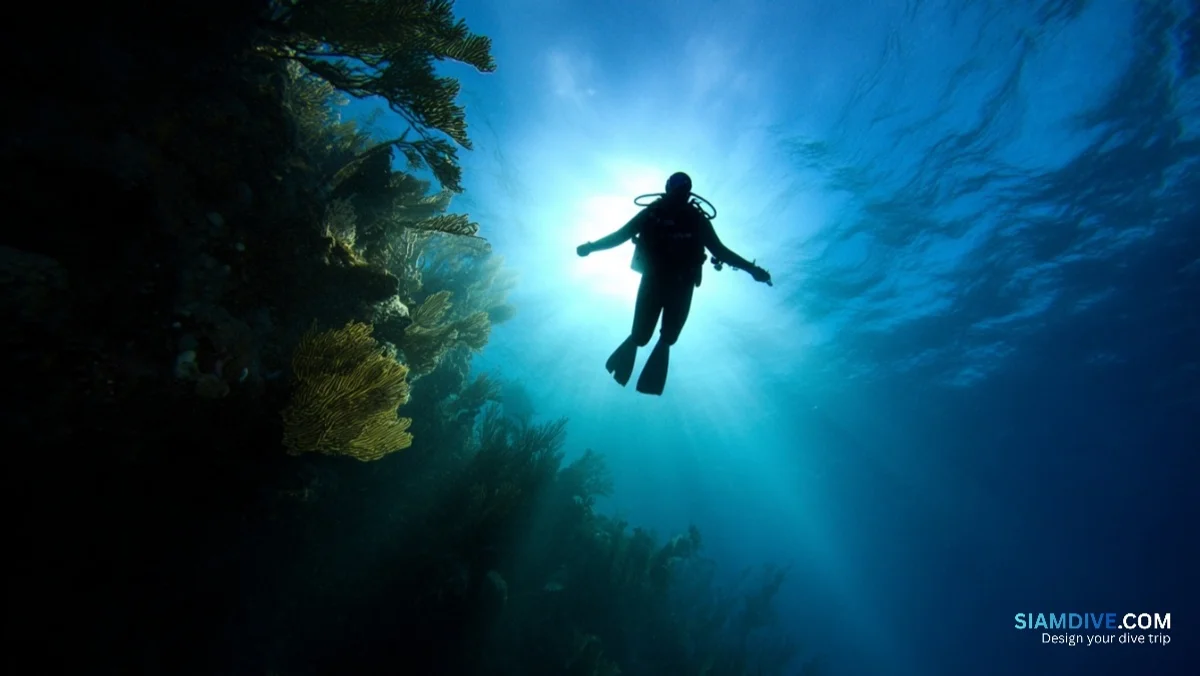
Buoyancy control matters more on these reefs than at most tropical sites — not because the park is uniquely fragile, though it is, but because every fin kick on new coral growth costs the reef months of recovery that the five-month window was designed to protect. Reef-safe sunscreen, proper fin technique, and staying off the bottom are not abstract virtues here. They are the difference between a reef that rebuilds and one that stalls.
The Similans will close again on May 15, 2026. The monsoon will roll in. The survey teams will resume their transects. And the same question will hover above the reef like particulate in a current: is five months enough? Two decades of data suggest the answer is enough to survive — but survival and restoration are not the same thing.
Sources
- Thailand National Parks — Mu Ko Similan National Park fees, season, and regulations
- Mongabay — Coast-to-coast coral assessment reveals Thailand's reefs losing complexity (January 2026)
- PMC — Marine resource recovery in Southern Thailand during COVID-19
- PMC — Recent and rapid reef recovery around Koh Phangan, Gulf of Thailand
- ICRI — International Coral Reef Initiative: Thailand member report