Scuba Day TripsSnorkelingLand TourLiveaboardDive ResortFreedive Trips
Scuba CoursesFreedive Courses
Blog
Thailand Liveaboard Routes Compared: Which One Fits Your Diving
← Blog

Thailand Liveaboard Routes Compared: Which One Fits Your Diving

15 เมษายน 2569

Northern Andaman, southern Andaman, or Mergui? The three Thailand liveaboard routes dive completely differently — here's how to pick the right one.

Three Routes, Three Very Different Trips

Most people shopping for a Thailand liveaboard compare boats — cabin size, cost per night, whether the sundeck has a jacuzzi. The bigger decision is which route you pick, because the three main options send you to water that dives completely differently. You can leave Khao Lak and be on Richelieu Rock by sunrise. You can leave Phuket and drift over Hin Daeng's purple soft coral wall by mid-afternoon. Or you can leave Ranong and not see another boat for four days.

The sites are not interchangeable. A first-timer who books the wrong one either gets overwhelmed or spends the week wishing they had gone further.

The Northern Andaman Route: Similan + Richelieu

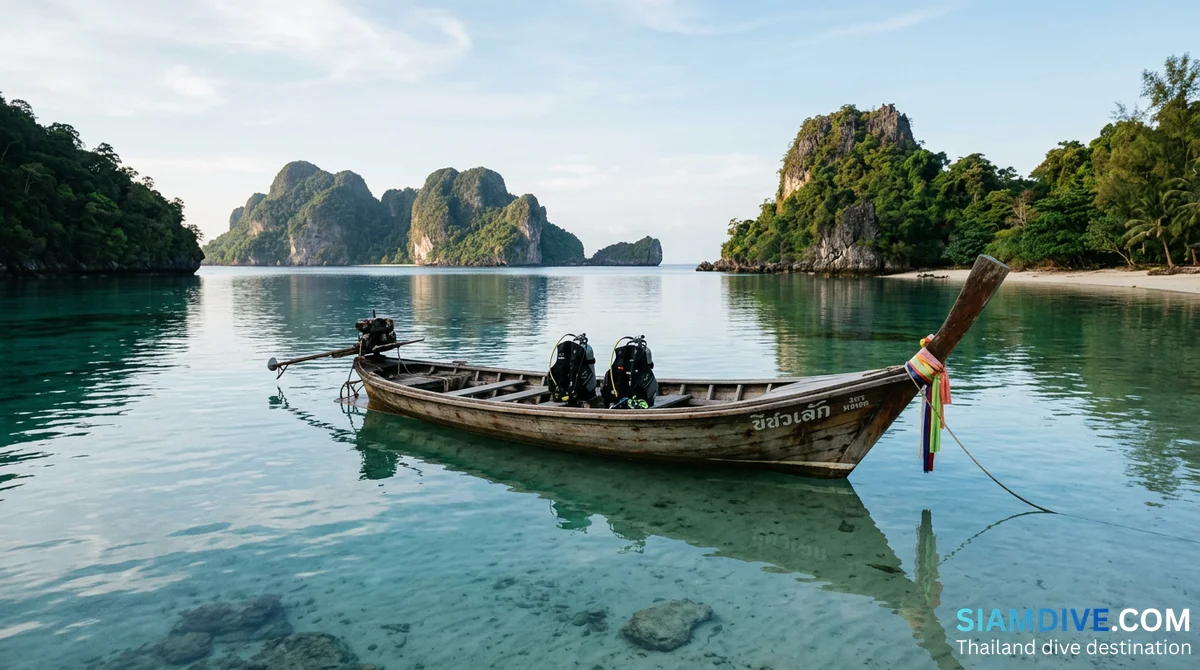
This is the trip most people mean when they say "Thailand liveaboard." Boats depart Tablamu Pier in Khao Lak and cover the Similan Islands, Koh Bon, Koh Tachai, and Richelieu Rock, usually on a 5D/4N schedule with around 15 dives. Nitrox is often included for EANx-certified divers, and transfers from Khao Lak and Phuket hotels are free.

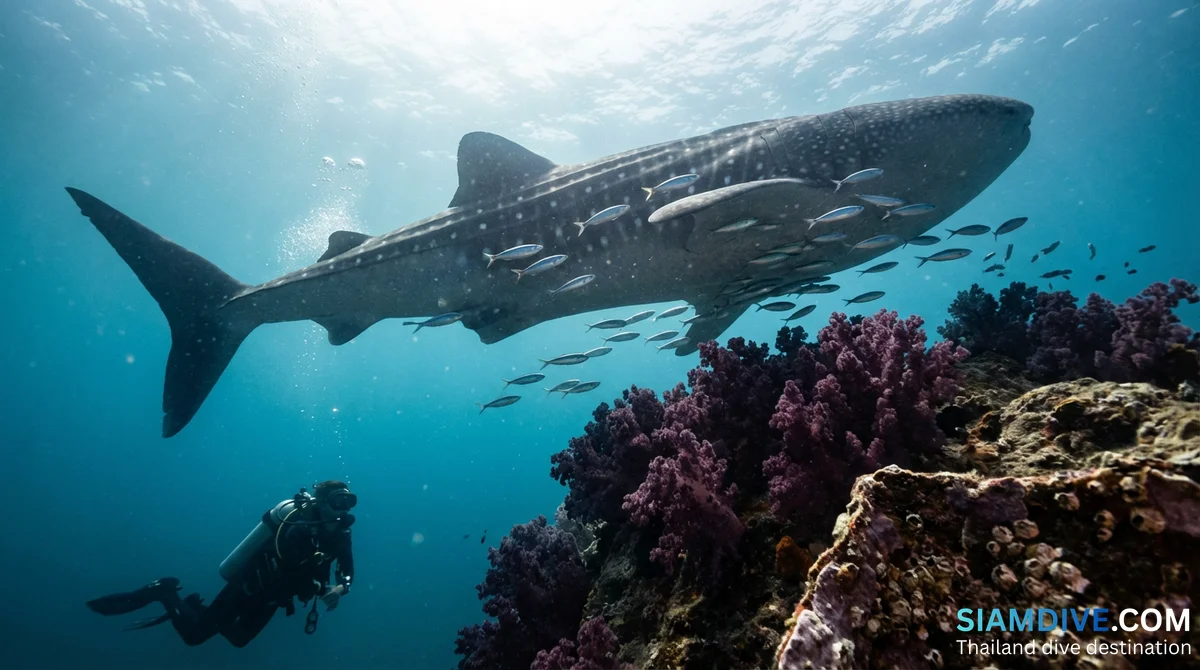
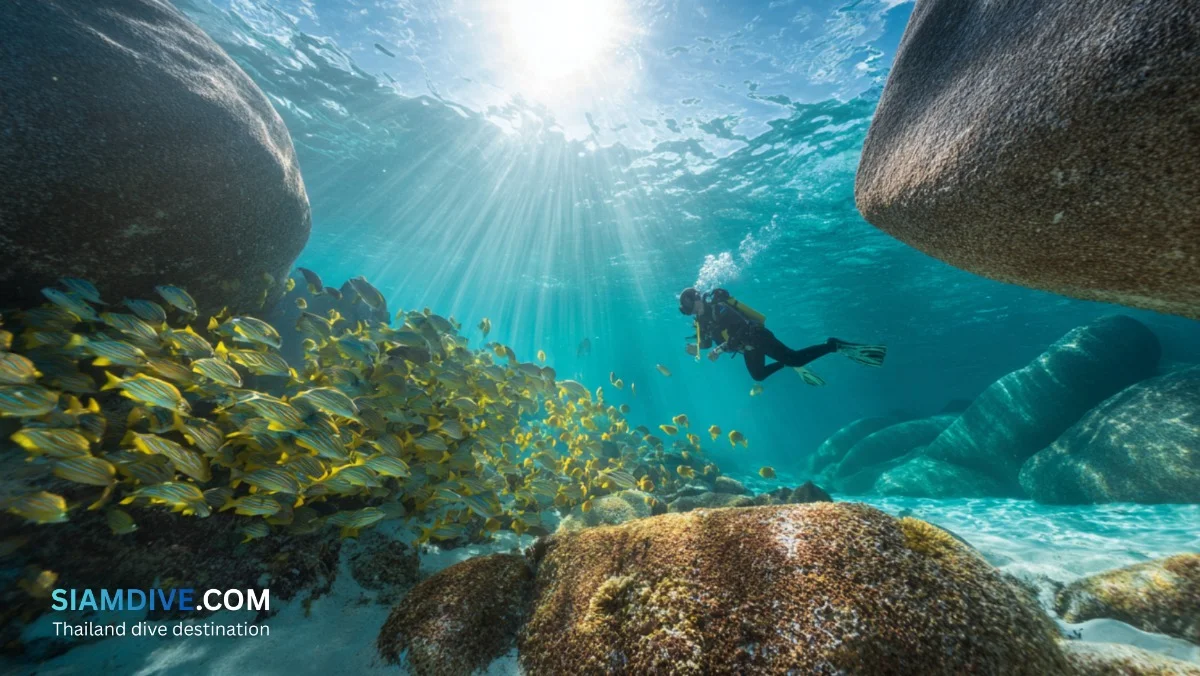
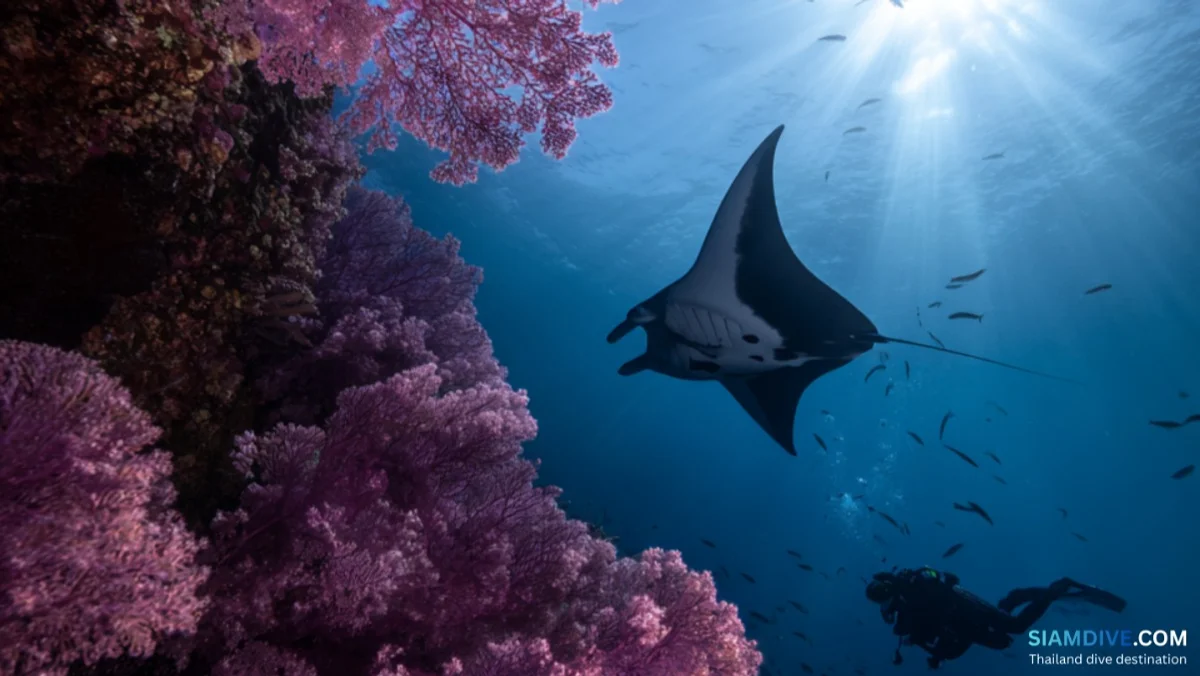
What you get: granite boulder swim-throughs at Similan 8 and 9, manta ray cleaning stations at Koh Bon when the season is running, and Richelieu Rock — the pinnacle where whale sharks show up in February and March and the soft coral is genuinely the best in the country. The currents are mostly gentle, the dive briefings are structured for mixed groups, and the first dive of every trip is a "check dive" at an easier site to sort experience levels.

Best for: anyone with an Open Water card and 10+ logged dives. Similan opens mid-October and closes mid-May when the park shuts for the monsoon.

The Southern Andaman Route: Hin Daeng and Hin Muang

Different boat, different pier, different feel. Southern Andaman trips leave Phuket (Chalong) or Koh Lanta and spend time at Hin Daeng, Hin Muang, Koh Haa, and sometimes Koh Phi Phi. Same 5D/4N format, same 14-15 dive count, but the water is deeper, the pinnacles are exposed, and the currents are honest.

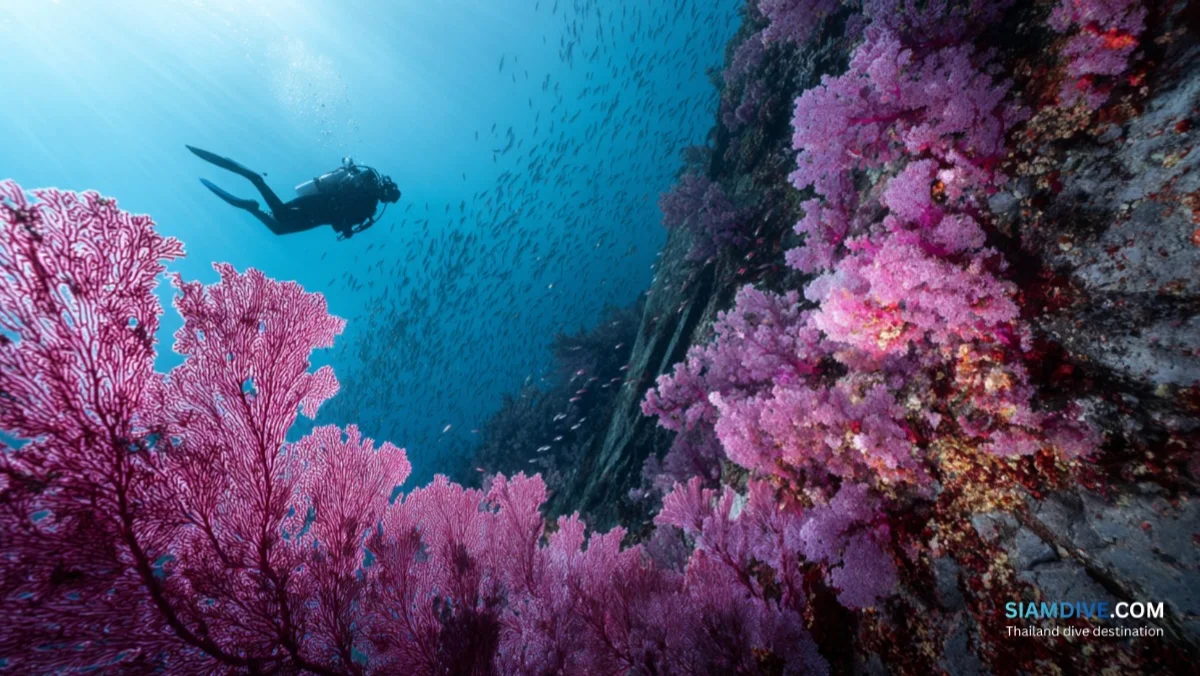
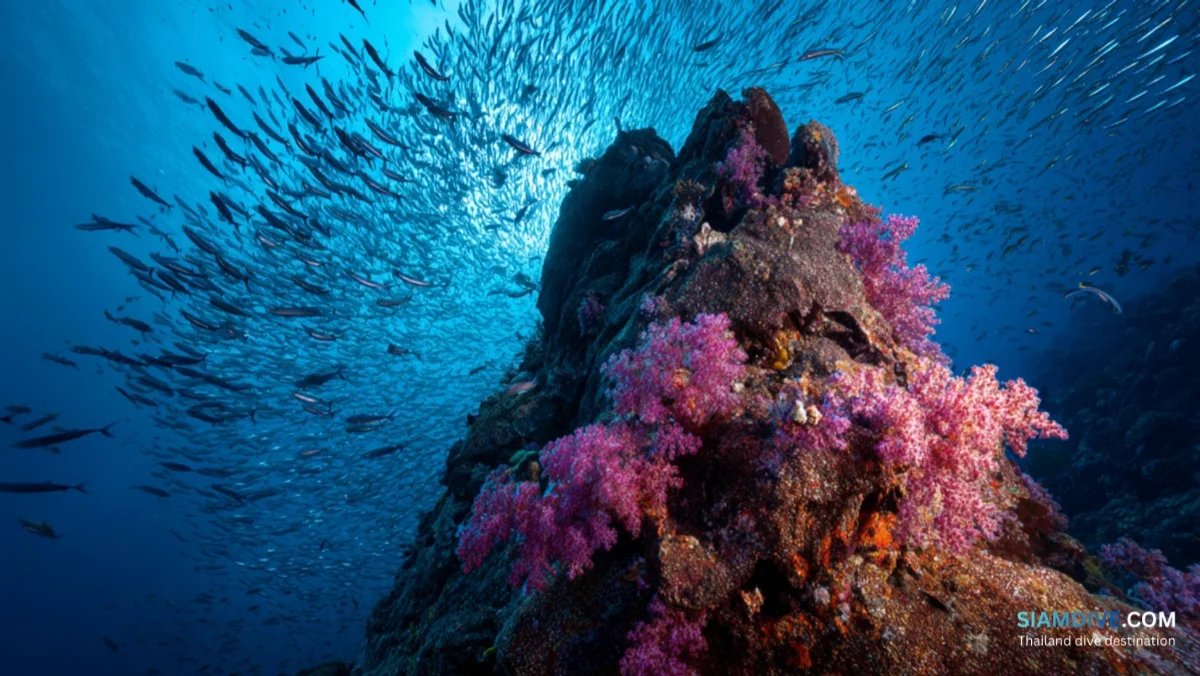
Hin Muang — the "purple rock" — is a single submerged pinnacle that drops past 60 meters with the densest soft coral cover in Thailand. Hin Daeng is 300 meters away and pulls mantas and the occasional whale shark between February and May. There's no reef top to shelter on; you descend straight into blue water onto the wall. Most operators group divers by ability after the check dive, and on a windy day the surface interval on the skiff is genuinely rough.

Best for: Advanced Open Water divers with 30+ logged dives who want pinnacle and wall diving over reef diving. Skip it if you get seasick easily — southern trips sit in more open water than northern ones.

The Mergui Route: Crossing into Myanmar

Mergui trips leave from Ranong, clear Myanmar immigration, and spend 4-7 days in the archipelago north of the Thai border. The standout sites are Black Rock (manta cleaning station with barracuda schools), Western Rocky (a swim-through cave with nurse sharks), and Shark Cave. Biodiversity is noticeably higher than the Similans because traffic is a fraction — some days you will be the only boat on a site.

The tradeoff is logistics. You need a Myanmar dive permit (the operator handles it, but you pay around $200 on top), the crossing from Ranong to Kawthaung takes a morning, and cell service disappears for most of the trip. Boats run roughly mid-October through April, and cost lands in the same $1,000-1,500 range as the Andaman routes for a 5D/4N once permits are added.

Best for: divers who have already done the Similans and want the next tier — remote sites, bigger pelagics, fewer people. Not a first liveaboard.

What Every Route Has in Common

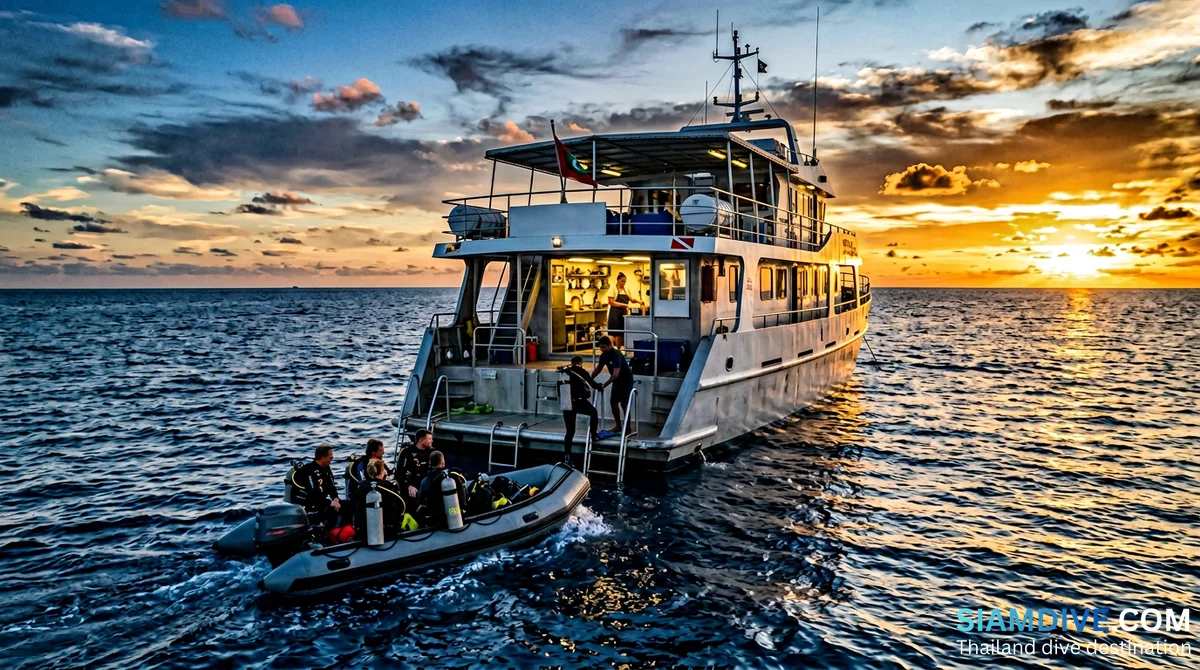
Regardless of which one you pick, the daily rhythm is similar. Three dives a day, a fourth night dive on some trips, meals between each, briefings on a whiteboard or monitor. Boats run 12-18 guests; the smaller end of that range usually has a better guest-to-guide ratio (Merdeka 1 runs 4:1, for example). Cabins have AC and private bathrooms with hot showers on anything above budget tier. Food is a mix of Thai and European served throughout the day.

Nitrox is worth getting certified for before you go. The fills are free or cheap on most boats, and on a 15-dive trip the extra bottom time and shorter surface intervals add up fast. The one exception to watch is the handful of boats — Merdeka 1 is one — that don't offer Nitrox at all.

Cost: What You Actually Pay

The headline price for a 5D/4N across all three routes lands between $1,000 and $1,500 per diver in a standard twin cabin, with master cabins and upper decks pushing up to $1,300-1,700. A real-world example from the Mandarin Queen 9 for the 2026-2027 season: $1,067 for a lower deck twin, $1,242 for an upper deck twin, $1,370 for an upper deck master. One Similan trip on MV Marco Polo runs about 46,000 THB — roughly $1,300-1,400.

What is not in that headline: national park fees ($100-200 for Similan, Surin, and Mu Ko Lanta combined), gear rental if you don't bring your own, Nitrox upgrades on boats that charge for it, Myanmar permits for Mergui, and crew tips at the end. Build another 15-20% into your budget for those.

How to Actually Choose

If this is your first liveaboard anywhere, book the northern route. The dive profiles are forgiving, the sites are iconic, and the check-dive system works well for rebuilding skills after a year off. If you've already done Similan and want harder diving with better chances at pelagics, go south to Hin Daeng. If you've done both and want to see Thailand's diving before it was Thailand's diving, Mergui is the answer — just not the first answer.

Season matters more than route. December through April is the window when all three routes run at their best; October-November and May are shoulder months with more wind and reduced visibility. Similan is closed mid-May through mid-October outright.

Book It Through SiamDive

We handle all three routes with operators we've vetted on the water, not off a brochure. If you're unsure which trip fits your experience level, send a message with your dive count and goals and we'll match you to a boat that actually suits the diving you want to do. Check the current schedules at siamdive.com.
← กลับไปหน้า Blog

บทความแนะนำ

Scuba Diving Safety: A Beginner's Guide to Diving Safe & Smart

Scuba Diving Safety: A Beginner's Guide to Diving Safe & Smart

The five-minute pre-dive check, three golden rules, buddy system and emergency drills every diver must know. Real safety advice without the fluff.

8 Mile Rock Diving Guide: Koh Lipe's Deep Pinnacle

8 Mile Rock Diving Guide: Koh Lipe's Deep Pinnacle

A remote pinnacle 8 miles offshore with big pelagics, reef sharks, and untouched corals. Your guide to Koh Lipe's most rewarding advanced dive site.

Nudibranchs: 10 Mind-Blowing Facts About the Ocean's Strangest Creatures

Nudibranchs: 10 Mind-Blowing Facts About the Ocean's Strangest Creatures

They steal weapons from their prey, glow in the dark, and breathe through their backs. Here are 10 facts about nudibranchs that will change how you look at every reef.

Koh Lipe Diving Guide: Thailand's Hidden Andaman Gem

Koh Lipe Diving Guide: Thailand's Hidden Andaman Gem

Explore Koh Lipe's top dive sites from Jabang's soft coral gardens to 8 Mile Rock's granite pinnacles. Season, costs, and how to get there.

March in Thailand: Why the Andaman Always Wins the Dive Trip

March in Thailand: Why the Andaman Always Wins the Dive Trip

Thailand has two seas. In March, only one delivers peak visibility, whale shark odds, and liveaboard access. Here's why seasoned divers always pick the Andaman.

What Makes Thailand Special for Scuba Divers

What Makes Thailand Special for Scuba Divers

Two coasts, year-round warm water, world-class sites you can actually reach, and prices that don't punish you. Here's what really sets Thailand apart for divers.

Your Second Stage at 30m: Balanced vs Unbalanced, Tested

Your Second Stage at 30m: Balanced vs Unbalanced, Tested

At recreational depths, balanced and unbalanced second stages drift apart on breathing effort. Here's what ANSTI data and gas-density research actually show.

The Pre-Dive Buddy Check Most Scuba Divers Skip

The Pre-Dive Buddy Check Most Scuba Divers Skip

Half of all scuba accidents could be prevented by a five-minute BWRAF buddy check. Here's why experienced divers skip it and how to do it right.

Air Consumption in Scuba Diving: How to Make Every Tank Last

Air Consumption in Scuba Diving: How to Make Every Tank Last

Learn how to reduce your air consumption and extend dive time. Practical tips on breathing, buoyancy, trim, and gas management for every level.

Diving Thailand Month by Month: The Two-Coast Strategy That Beats the Monsoon

Diving Thailand Month by Month: The Two-Coast Strategy That Beats the Monsoon

Thailand has two dive seasons on opposite coasts. Here's the month-by-month guide to picking the right side so monsoon never ruins your trip.

I'm Afraid of the Ocean — Can I Still Learn to Dive?

I'm Afraid of the Ocean — Can I Still Learn to Dive?

Anxious about scuba diving? You are not alone. Learn how fear, claustrophobia and panic are gently managed by patient instructors, breathing techniques and Discover Scuba trials.

Hin Wong Pinnacle Koh Tao Diving Guide: The East Coast's Best Kept Secret

Hin Wong Pinnacle Koh Tao Diving Guide: The East Coast's Best Kept Secret

Hin Wong Pinnacle off Koh Tao's east coast has more fan corals than any site on the island, plus rich fish life and fewer crowds — here's everything divers need.

Why Liveaboards Beat Day Trips for Diving in Thailand

Why Liveaboards Beat Day Trips for Diving in Thailand

Liveaboards offer 3-4 dives daily, access to remote sites like Richelieu Rock, and all-inclusive comfort that day trips simply cannot match.

Hin Daeng & Hin Muang Liveaboard: Thailand's Wildest Walls

Hin Daeng & Hin Muang Liveaboard: Thailand's Wildest Walls

Hin Daeng and Hin Muang are Thailand's deepest soft coral walls — manta rays, whale sharks, and serious current. Here's how to dive them by liveaboard.

Can You Actually Learn to Dive? The Medical Checklist No One Explains

Can You Actually Learn to Dive? The Medical Checklist No One Explains

The honest guide to scuba medical forms: hard disqualifiers, conditions that need a doctor's sign-off, the real swim test, and what to do if you answered YES.

Sail Rock Diving Guide: The Gulf of Thailand's Best Pinnacle

Sail Rock Diving Guide: The Gulf of Thailand's Best Pinnacle

Dive Sail Rock (Hin Bai) — the Gulf of Thailand's premier pinnacle with its famous chimney swim-through, whale shark sightings, and massive barracuda schools.

Storing Your Dive Gear for Months? The Checklist That Prevents Expensive Surprises

Storing Your Dive Gear for Months? The Checklist That Prevents Expensive Surprises

Seasonal diver? Heading home after a trip? Follow this item-by-item storage checklist so your regulator, BCD, wetsuit, and tank survive months of downtime.

King Kong Pinnacle Koh Tao Diving Guide: The Island's Quietest Pinnacle

King Kong Pinnacle Koh Tao Diving Guide: The Island's Quietest Pinnacle

King Kong Pinnacle south of Koh Tao is the island's least-dived pinnacle — healthy reef, relaxed fish, and empty water for divers who want peace.

White Rock Koh Tao Diving Guide: The Island's Best Night Dive

White Rock Koh Tao Diving Guide: The Island's Best Night Dive

White Rock (Hin Khao) is Koh Tao's most-used dive site for a reason. Staghorn gardens, turtles, and the island's top night dive — here's how to dive it.

Tanote Bay Koh Tao Guide: Snorkeling, Diving, and Cliff Jumping

Tanote Bay Koh Tao Guide: Snorkeling, Diving, and Cliff Jumping

Tanote Bay on Koh Tao's east coast offers fringing reefs, a cliff jumping rock, and a sunken catamaran — the island's best all-in-one shore day.

ทริปแนะนำ

Hug Ocean Boat
daytrip

Hug Ocean Boat

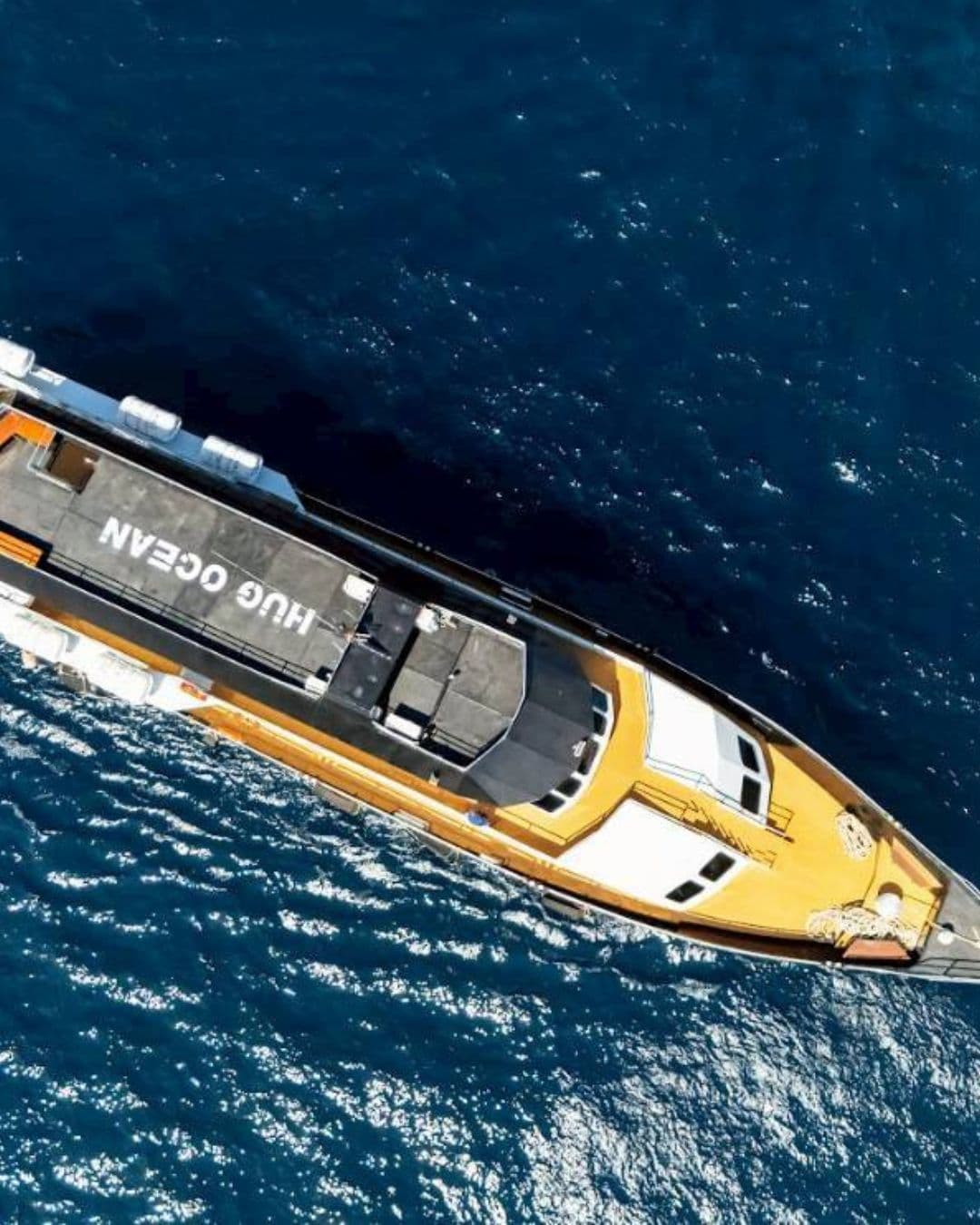
Discover Phuket's Andaman Sea aboard Hug Ocean — a luxury 3-deck dive yacht for 80 guests with a thrilling water slide, sun-soaked top deck, and PADI-certified diving at Racha Yai and Racha Noi.

Aquarian Liveaboard
liveaboard

Aquarian Liveaboard

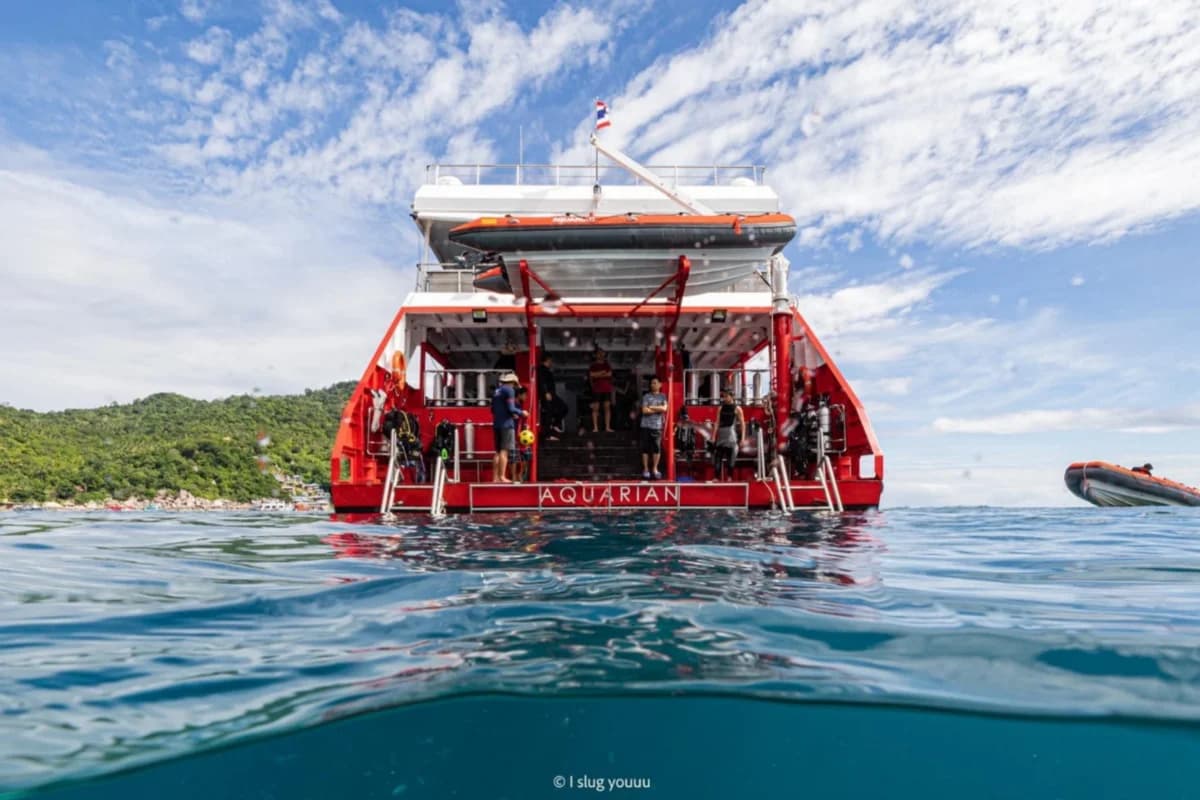
MV Aquarian — striking 2021-built red steel liveaboard, 31.4 m × 7.5 m, max 28 guests in 14 cabins. Free unlimited Nitrox via Coltri Sub membranes, one of Thailand's largest dive platforms, and full premium-hotel comfort.

Issara Liveaboard
liveaboard

Issara Liveaboard

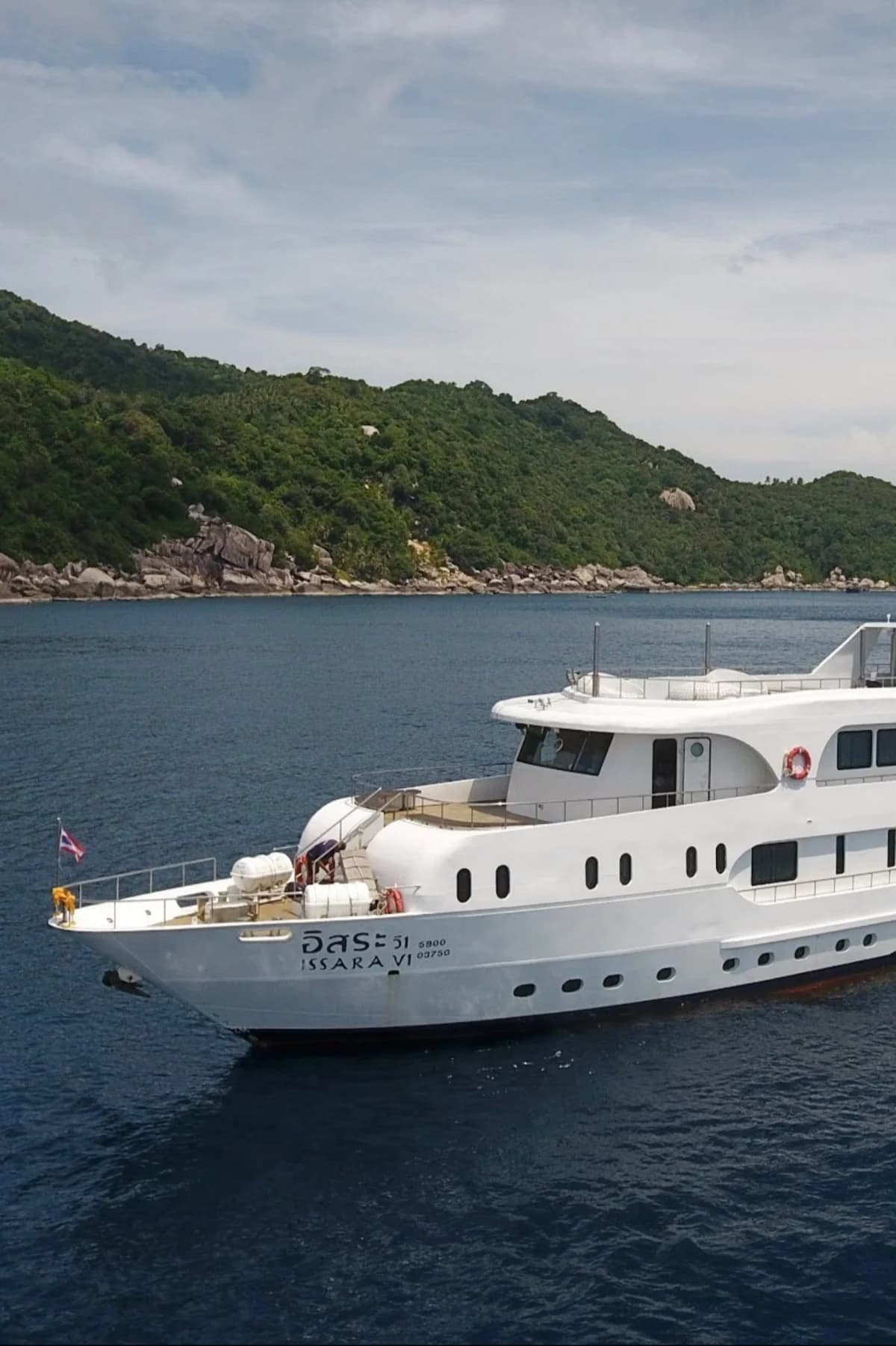
MV Issara — high-end Thai steel-hulled liveaboard built 2016–17, 28.5 m × 6.5 m, 4 decks, max 22 guests in 11 hotel-style cabins. Indoor saloon, jacuzzi sun deck, full-board buffet dining.

Mandarin Queen 5
daytrip

Mandarin Queen 5

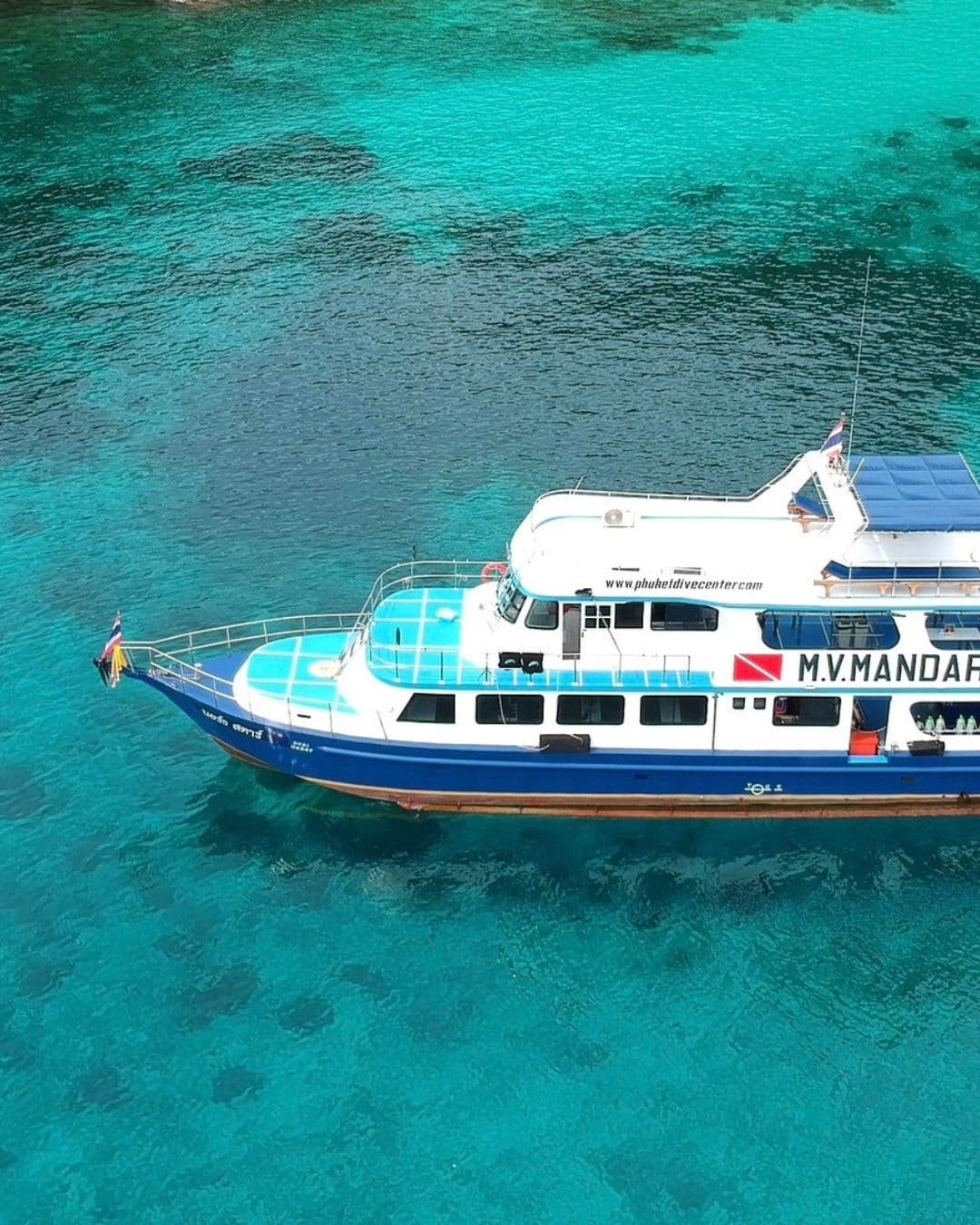
Brand-new Phuket dive boat — 26.2 m M/V Mandarin Queen 5 with spacious dive platform, lounge and upper sun deck. Daily day trips to King Cruiser Wreck, Shark Point, Anemone Reef, Racha Yai and Racha Noi.