Where 553 Coral Species Fight for Space on One Wall
27 เมษายน 2569
Misool holds more species per square metre than any reef on Earth. Here’s what that looks like at 20 metres — and how ranger patrols brought the sharks back.
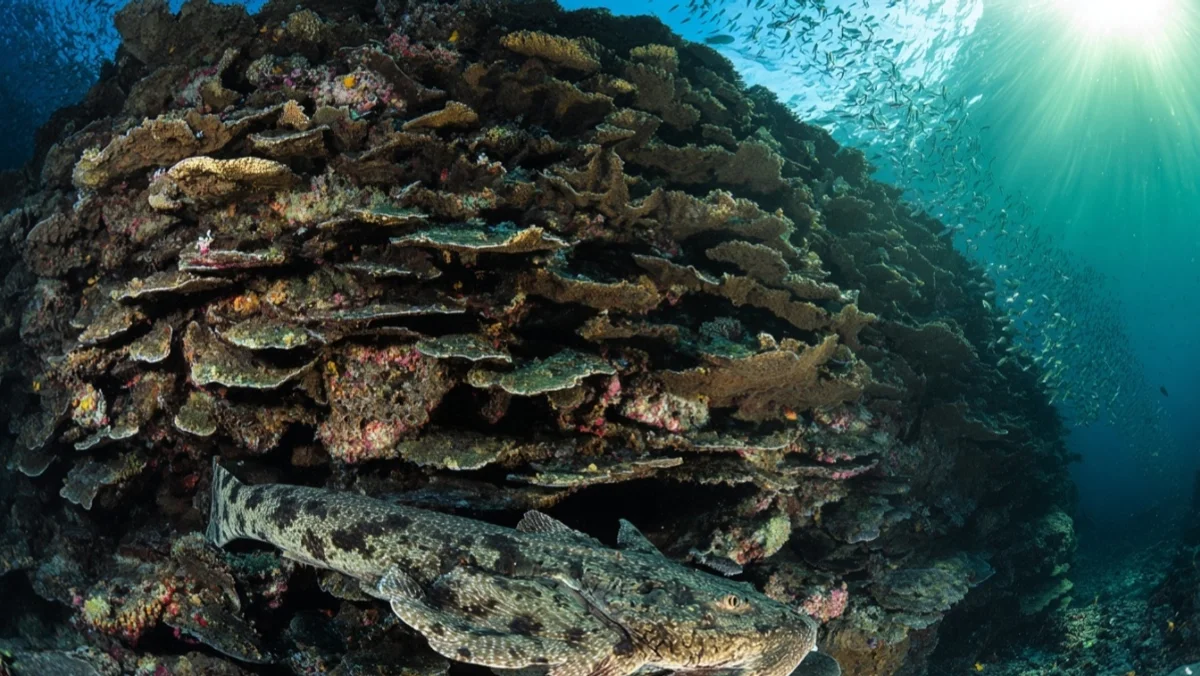
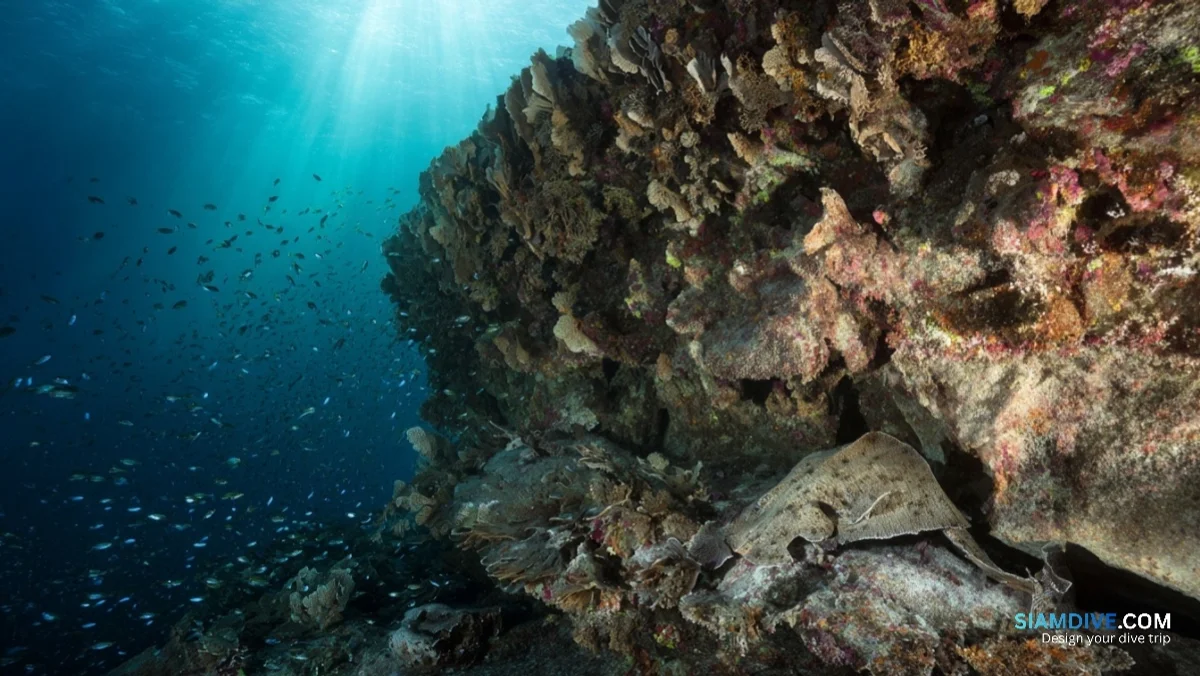
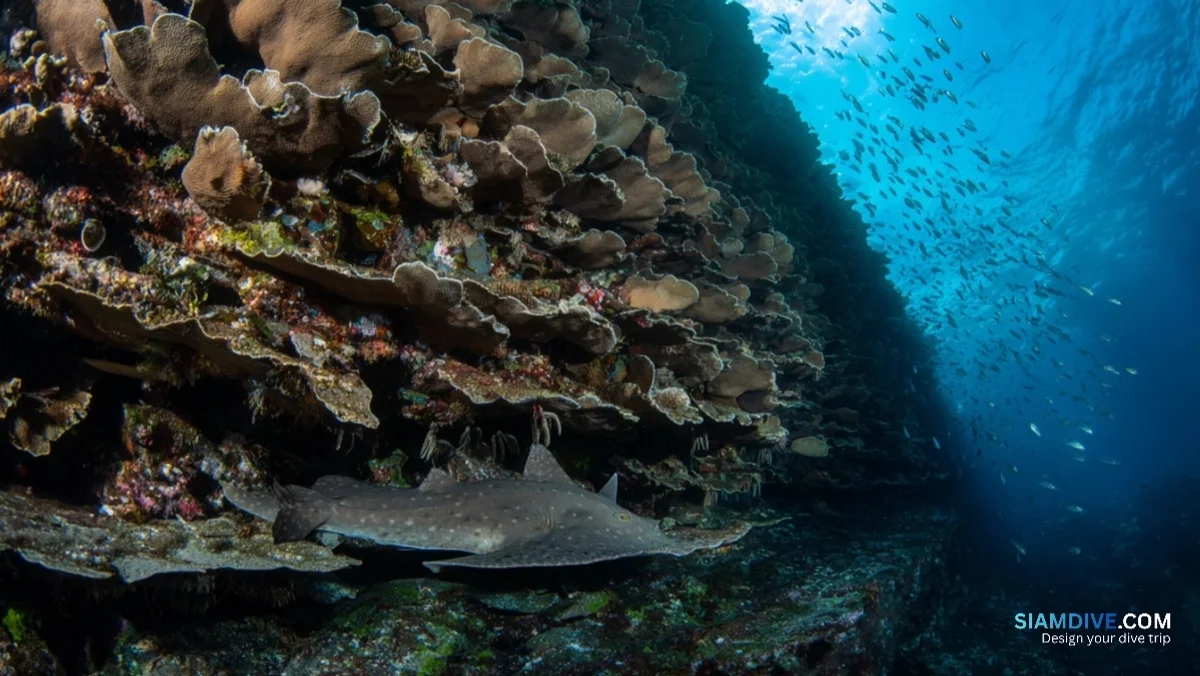
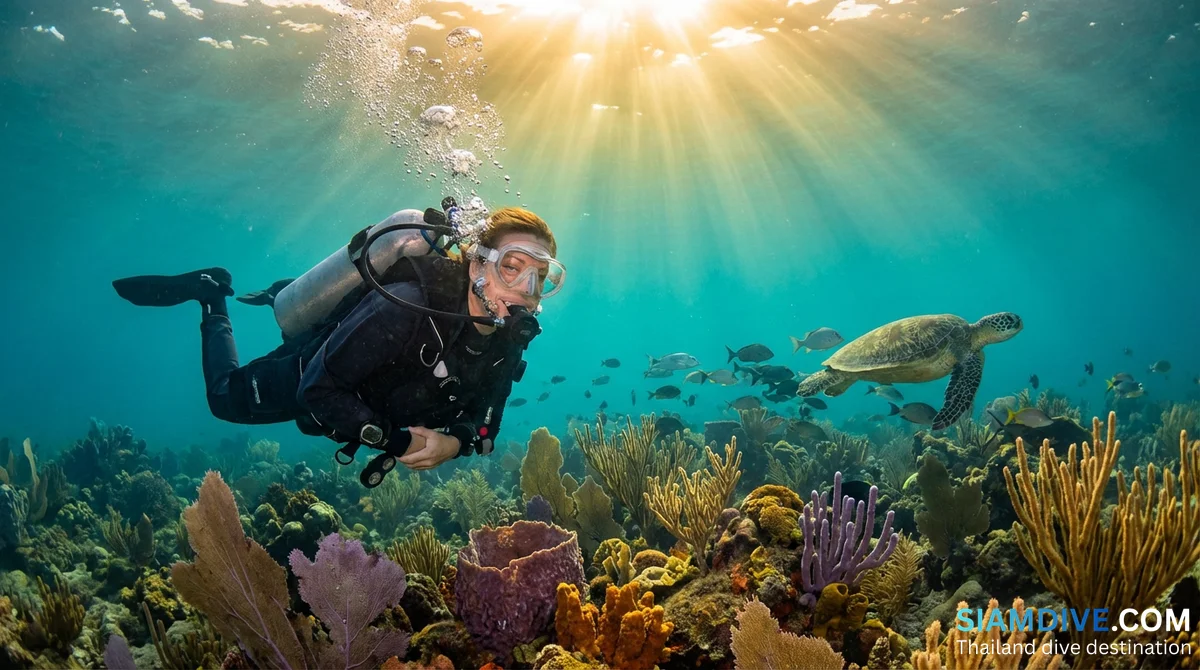
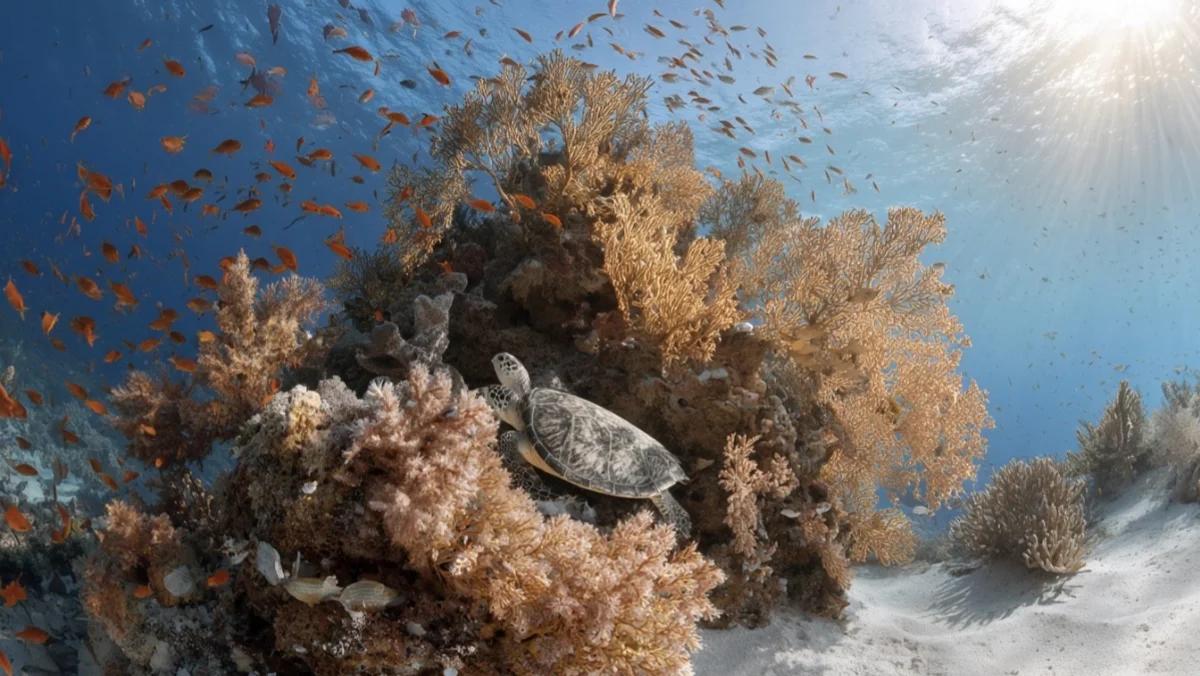
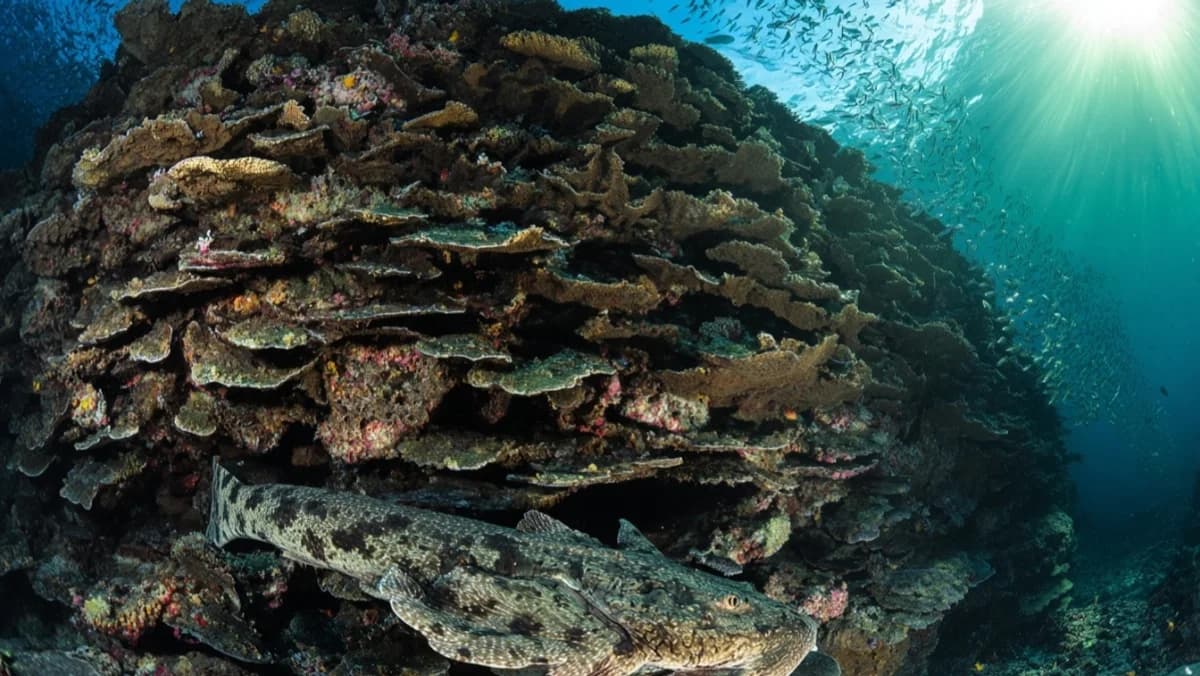
On the south face of a limestone karst that has not moved in forty million years, soft corals pile three layers deep — gorgonian fans pressed against leather corals pressed against encrusting sponges, every centimetre of rock surface claimed. Below the fans, a tasselled wobbegong holds its ground on a ledge, indifferent to the current threading through the channel. This is Misool, the southern anchor of Indonesia's Raja Ampat archipelago, and the site of a record no other reef system on Earth has matched: 553 documented hard coral species within a single region, covering roughly three-quarters of every coral species known to science.
Why Scientists Stopped Counting at 553
The number comes from a multi-year survey effort led by coral taxonomist Charlie Veron, whose team catalogued nearly 600 coral species across Raja Ampat — including 40 found nowhere else — in work published in 2009. To appreciate the scale, consider that the entire Caribbean holds roughly 65 hard coral species. Australia's Great Barrier Reef, a system stretching 2,300 kilometres along the Queensland coast, hosts around 400. Raja Ampat packs more species into an area a speedboat can cross in half a day.
Geography explains the concentration. Raja Ampat sits at the apex of the Coral Triangle, the wedge of ocean between the Philippines, Papua New Guinea, and eastern Indonesia where Pacific and Indian Ocean waters exchange larvae, nutrients, and genetic material through deep inter-island channels. Misool occupies the southern edge of this funnel. Nutrient-rich upwellings from the Seram Sea feed its walls and pinnacles, creating conditions where corals do not merely grow — they compete for every available surface.
The result is what diver-scientists describe as near-100% coverage on the best walls. Hard coral and soft coral overlap. Sponges colonise whatever gap the corals leave. Sea fans angle into the current like satellite dishes tuning into a signal only they can read. UNESCO has since designated Raja Ampat a Biosphere Reserve, but the most useful benchmark for divers is simpler: a single wall at Misool holds more species per square metre than entire national marine parks elsewhere in the tropics.
The Carpet Shark You Almost Sit On
Wobbegongs are easy to miss and hard to forget. Flat, tasselled, and patterned like old carpet, they drape themselves over ledges and tuck under overhangs with the patience of ambush predators running a very long game. At Misool, they are everywhere — wedged into crevices, plastered to bommies, sometimes stacked two deep in a single swim-through. Divers who settle onto a rock to photograph a nudibranch sometimes discover they have been kneeling a metre from one the entire dive.
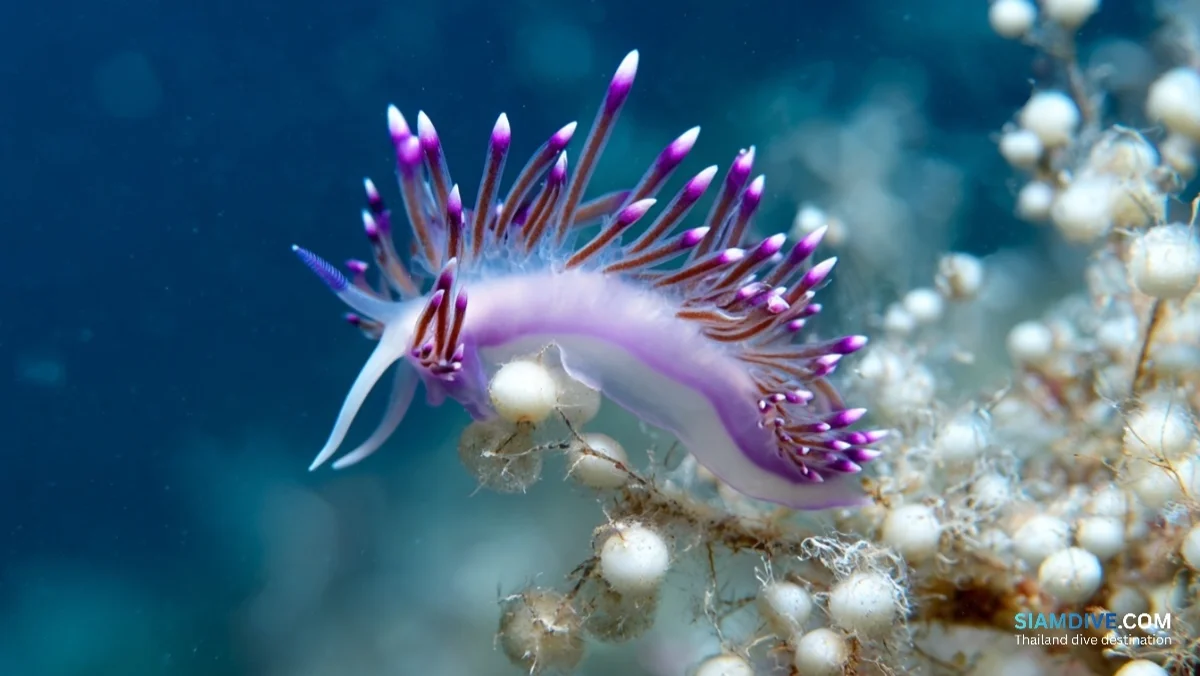
The species range at Misool scales sharply in both directions. At the macro end, pygmy seahorses — each smaller than a thumbnail — cling to gorgonian fans at sites across southern Misool. Spotting them requires a guide who knows exactly which fan to check; the animal matches the coral's colour and bumpy texture so precisely that even experienced underwater photographers miss it on the first pass. Nudibranchs add another dimension. Sites like Nudi Rock host such density that a single 60-minute dive can turn up a dozen distinct species, each one a miniature exercise in evolutionary colour theory.
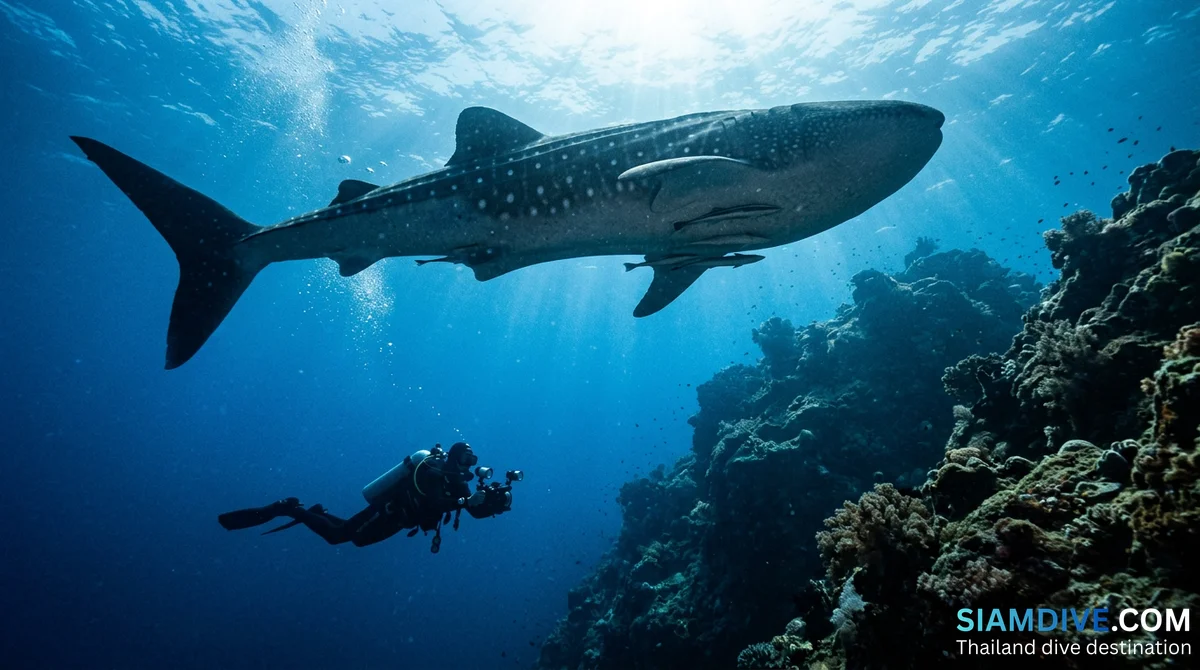
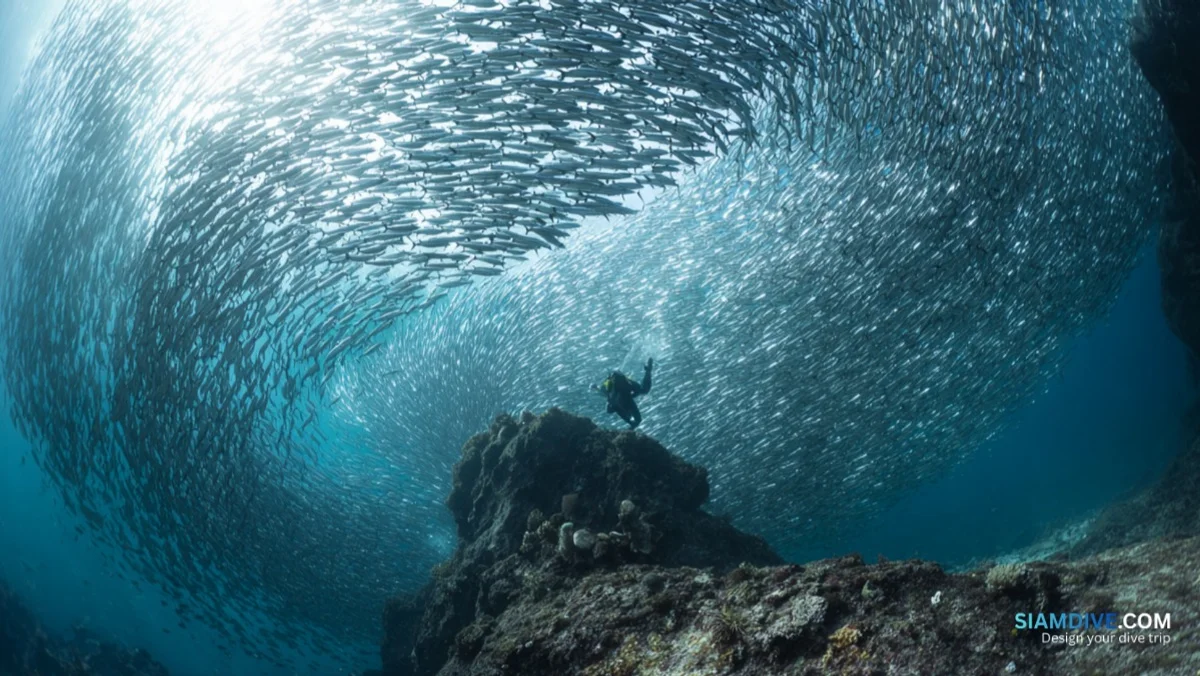
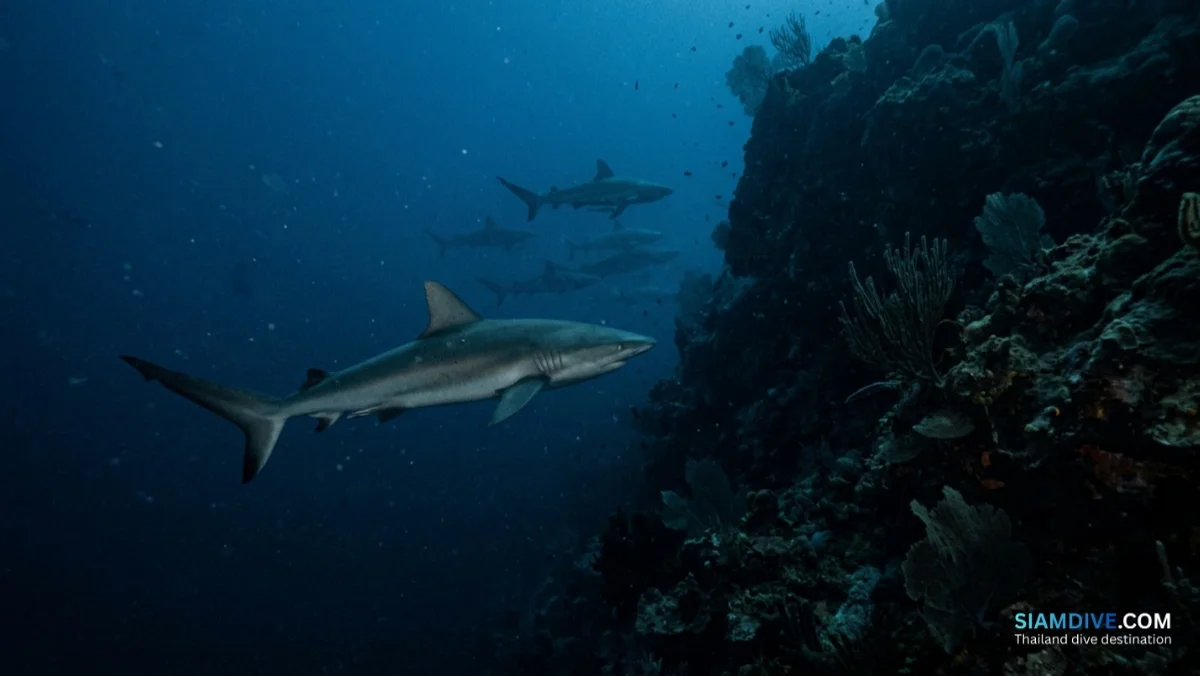
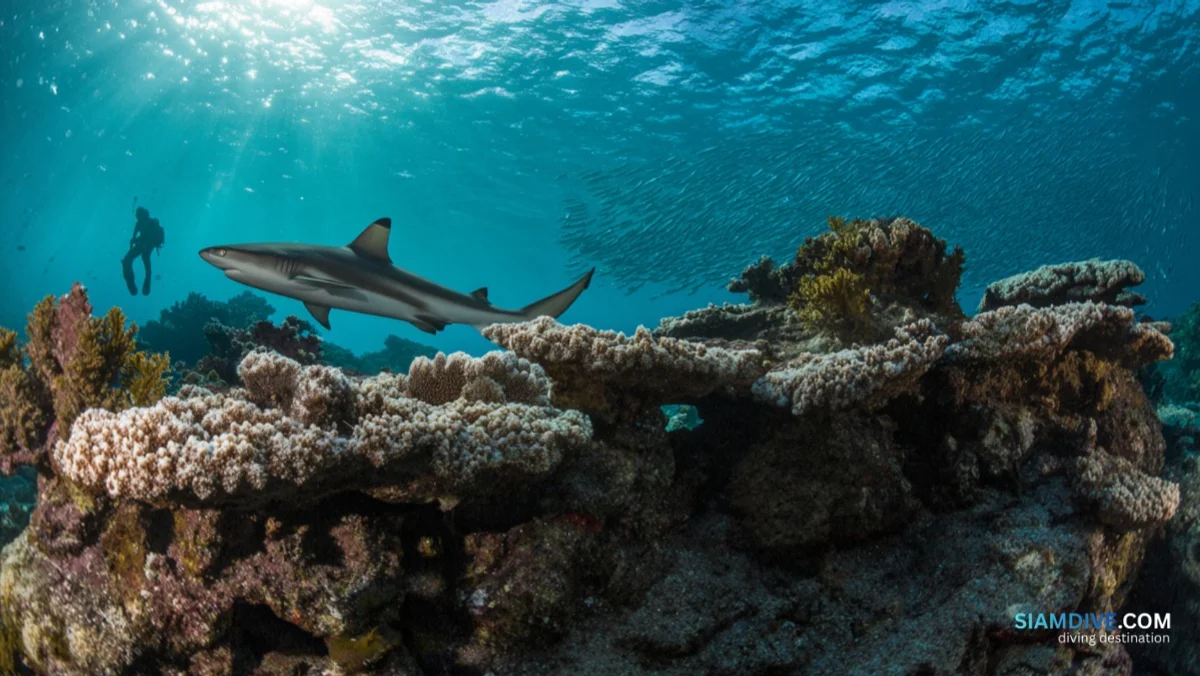
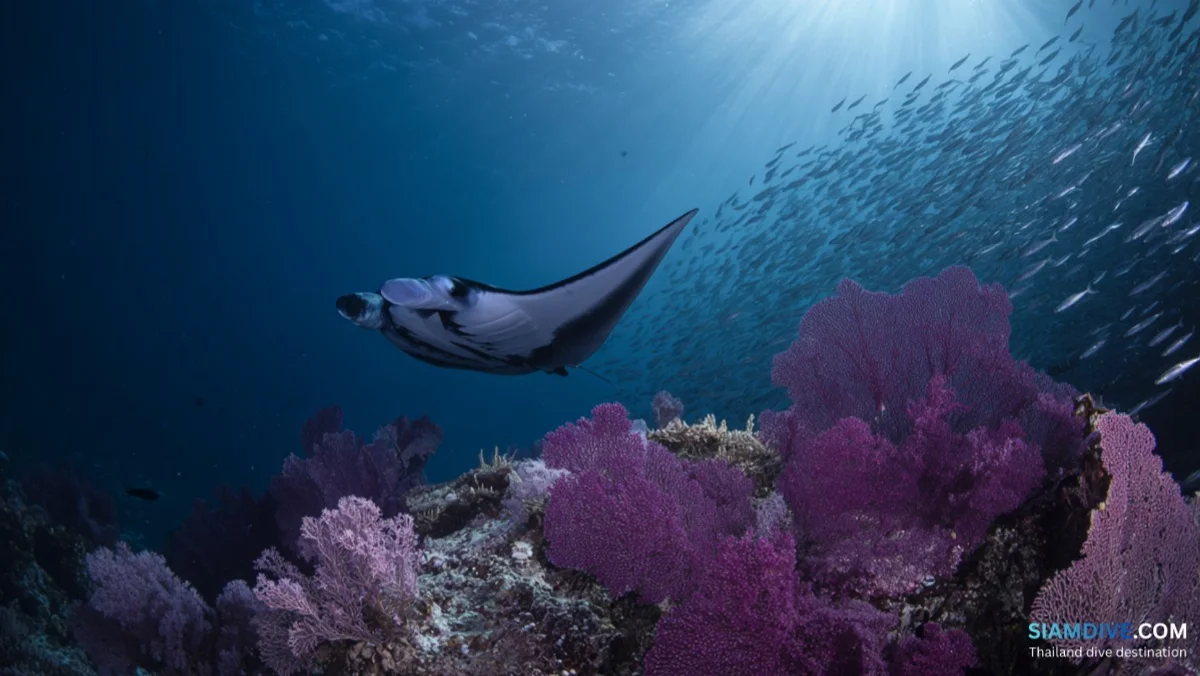
At the wide-angle end, both reef mantas (Mobula alfredi) and the larger oceanic mantas (Mobula birostris) visit cleaning stations on Misool's seamounts. Magic Mountain, a submerged pinnacle rising from deep water, ranks among the most dependable manta cleaning stations in the Coral Triangle — mantas circle above the summit while grey reef sharks work the current lines on the drop-off below. Schools of chevron barracuda patrol above the reef at sites like My Reef, moving in slow, coordinated formations that tighten and loosen with the current. Blacktip reef sharks, including juveniles, cruise the shallows — a tangible sign that these protected waters function as a nursery ground.
What 60 Confiscated Boats Did for the Reef
Two decades ago, sections of Misool's reef lay in rubble. Bomb fishers detonated homemade explosives over coral heads to stun fish for easy collection. Cyanide squirters targeted live reef fish bound for the Hong Kong restaurant trade. Shark finners operated with impunity in waters that no one patrolled and no one owned in any enforceable sense. The transformation since then has been measured, documented, and — unusually for marine conservation stories — sustained across the reserve's full 1,220 km².
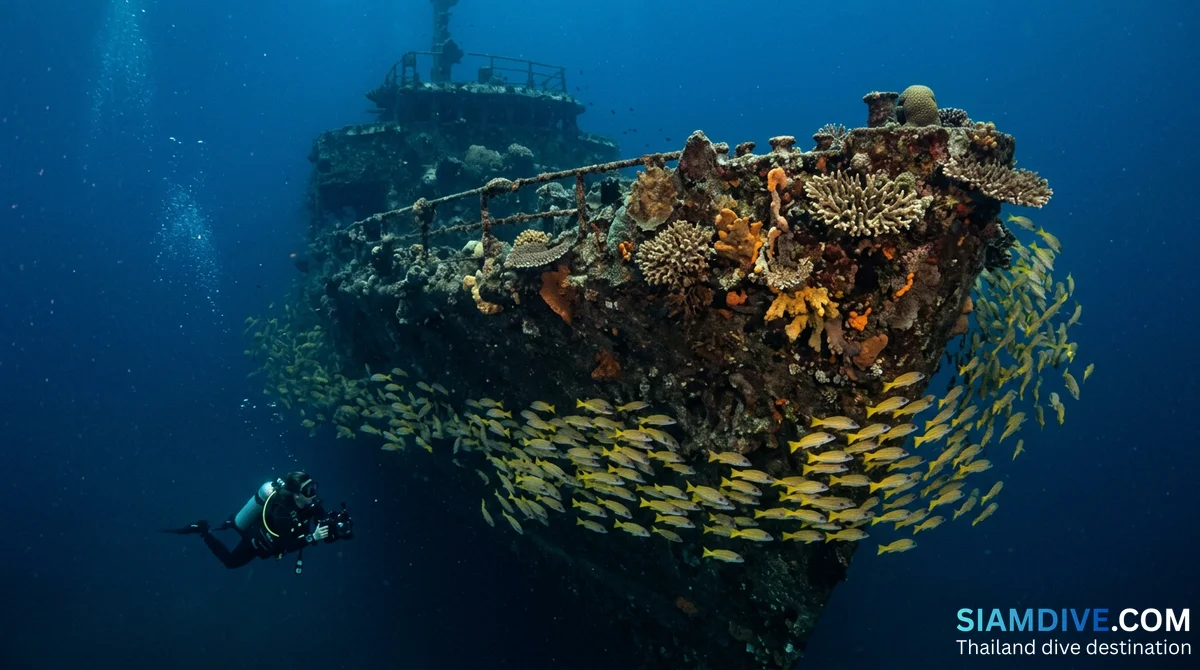
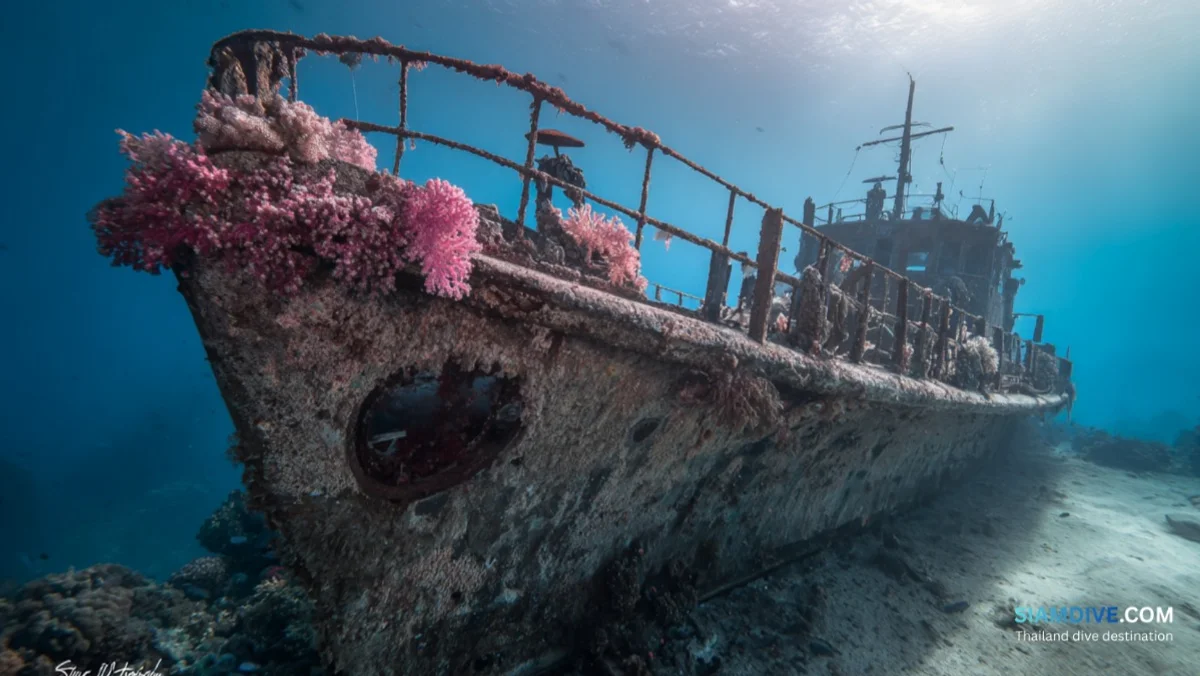
In 2005, a partnership between local Misool communities and what became the Misool Foundation established the Misool Marine Reserve — roughly the size of Hong Kong. The enforcement model was straightforward: hire local rangers, run daily boat patrols, intercept illegal vessels. The Ranger Patrol now logs more than 1,000 patrols annually, according to the Misool Foundation, and intercepts roughly 60 illegal fishing boats each year. Confiscated hulls sit visible at patrol stations — a deterrent as much as a legal consequence.
Ecological monitoring has tracked the recovery through hard data:
- Fish biomass — 248% increase between 2007 and 2021, measured through underwater visual census transects
- Shark numbers — 190% increase inside the reserve since 2012, recorded via baited remote underwater video (BRUVS)
- Inside vs. outside — surveys show 25 times more sharks within the reserve boundary than in comparable unprotected reefs nearby
- Manta population — the Misool sub-population has doubled over the past decade, tracked through individual photo-ID catalogues
Since 2013, the Foundation has also run active coral restoration, growing fragments on wire-mesh frames in areas where bomb damage had stripped the substrate bare. What began as small experimental plots now supports functioning reef — a timeline that shows how quickly tropical corals rebuild when fishing pressure drops to zero. The Marine Conservation Institute recognised the results by awarding Misool its Blue Park designation, placing it among a small handful of marine reserves worldwide that meet the highest protection standards.
For divers, the practical lesson shows on every descent: reefs recover when enforcement is real. Misool is one of the few places on Earth where the indicators are moving in the right direction.
Five Dives Worth the Flight
Misool's dive sites split between coral gardens on shallow plateaus, current-swept pinnacles rising from deep water, and vertical walls along limestone karsts. A standard liveaboard itinerary through southern Misool covers a dozen or more sites in four to five days. Five define the area:
- Melissa's Garden — Widely considered the finest coral garden in Raja Ampat. A shallow plateau at 5–15 metres carpeted in pristine hard corals — tabletop acropora, staghorn fields, massive porites — with visibility regularly exceeding 25 metres. Minimal current makes it accessible to newly certified divers and ideal for wide-angle reef photography. The colour saturation when midday sun hits the shallows directly is difficult to overstate.
- Magic Mountain — A submerged seamount rising to about 7 metres from a deep blue floor. Reef and oceanic mantas circle the cleaning station on the summit while grey reef sharks cruise the flanks. Timing matters: the dive works best at slack water, and guides watch the tide tables closely. On a strong day, mantas stack in holding patterns above the peak, queuing for their turn at the cleaner wrasse station.
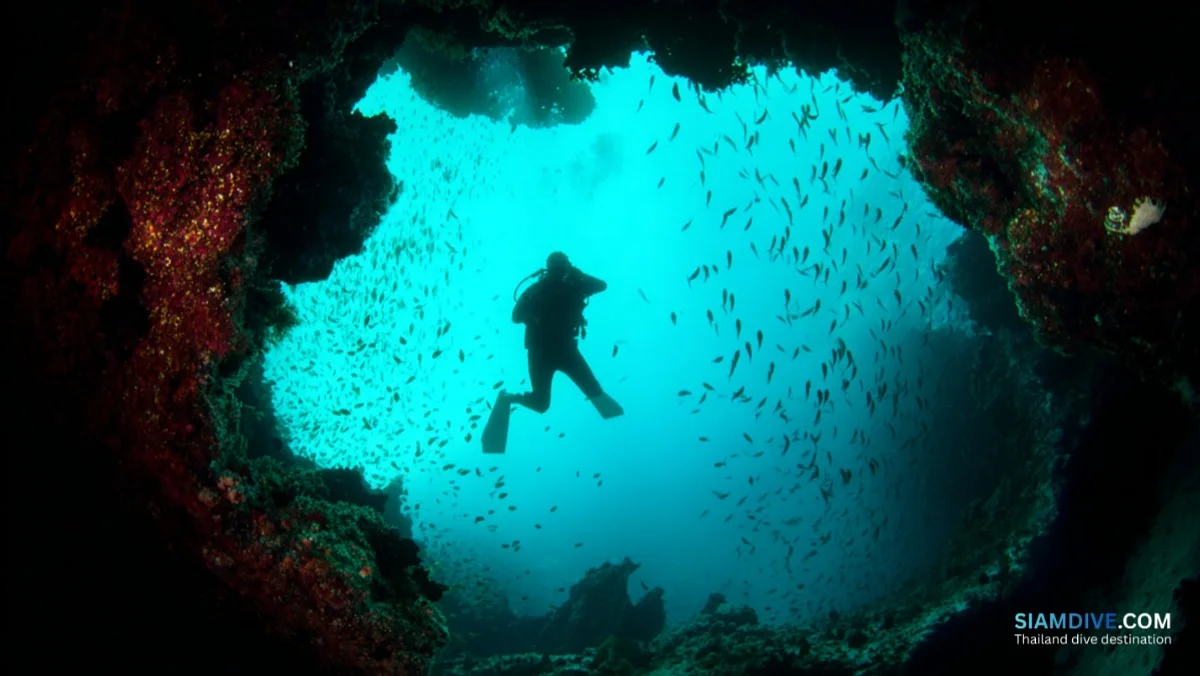
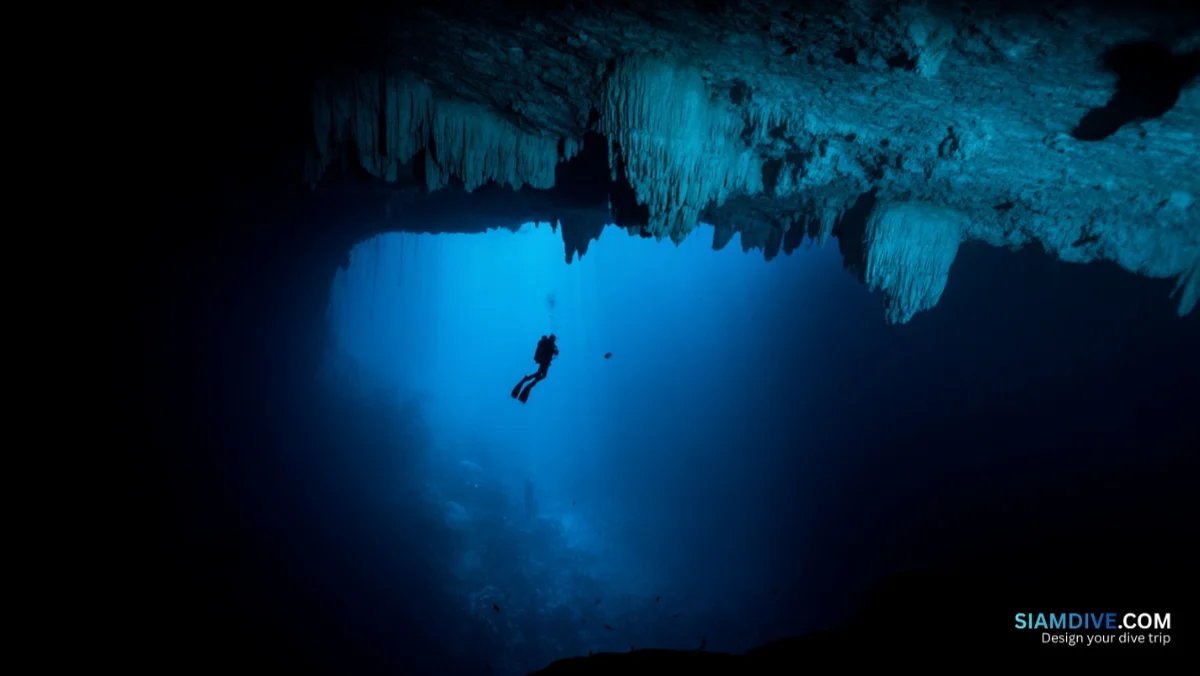
- Boo Windows — Natural swim-throughs carved into a limestone island, with shafts of light pouring through window-like openings at 10–18 metres. Soft corals blanket every interior surface, and the contrast between dark tunnel and sunlit exit produces dramatic silhouette compositions. Outside the windows, the wall drops into blue water where fusiliers school in dense ribbons.
- Nudi Rock — A small pinnacle encrusted in hydroids and tunicates that host an extraordinary concentration of nudibranchs. Macro photographers allocate entire half-day sessions here, switching lenses between dives. The subject density per square metre is remarkable even by Raja Ampat standards.
- Wayilbatan — Current-exposed ridges in the outer reserve where pelagic activity picks up. Schooling trevally, barracuda, and occasional eagle rays work the edges. Best dived on an incoming tide with an experienced guide who understands the current splits around the ridge system.
Season, Logistics, and the USD 5,000 Question
Raja Ampat's prime diving window runs October through April, when the northwest monsoon brings calm seas and generally dry weather. Visibility at Misool peaks during this stretch, regularly reaching 20–30 metres, with water temperatures steady at 28–30°C. The transition months — May and September — can still deliver solid diving but with choppier surfaces and fewer liveaboard departures on the schedule.
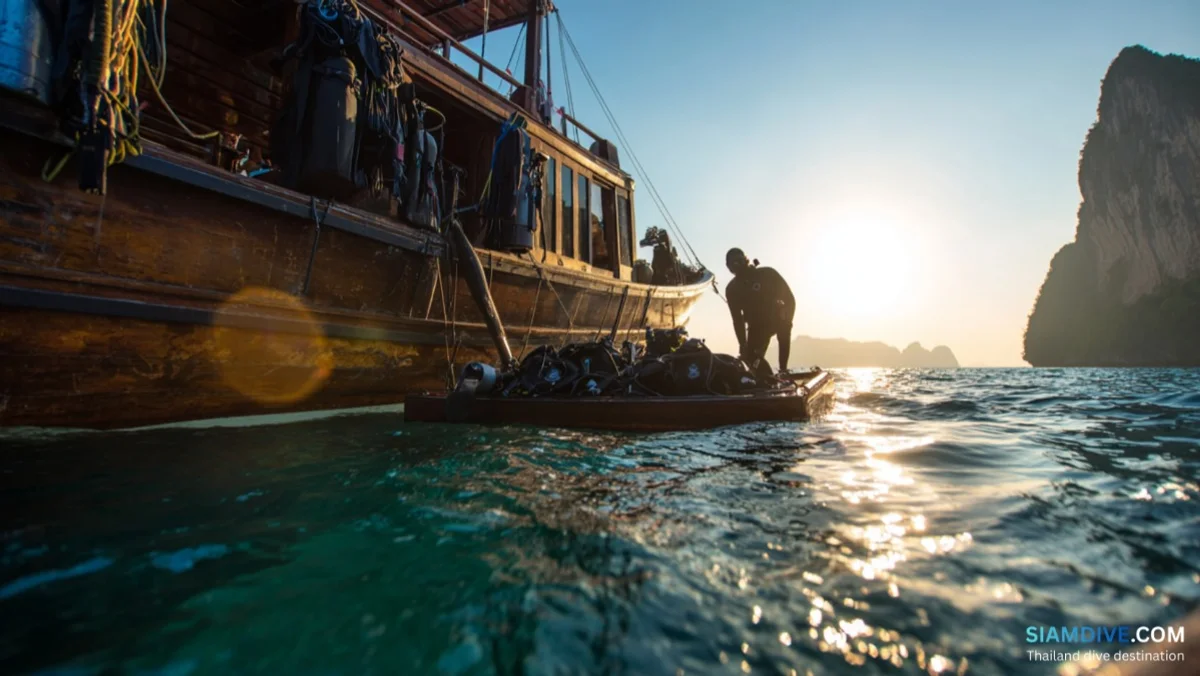
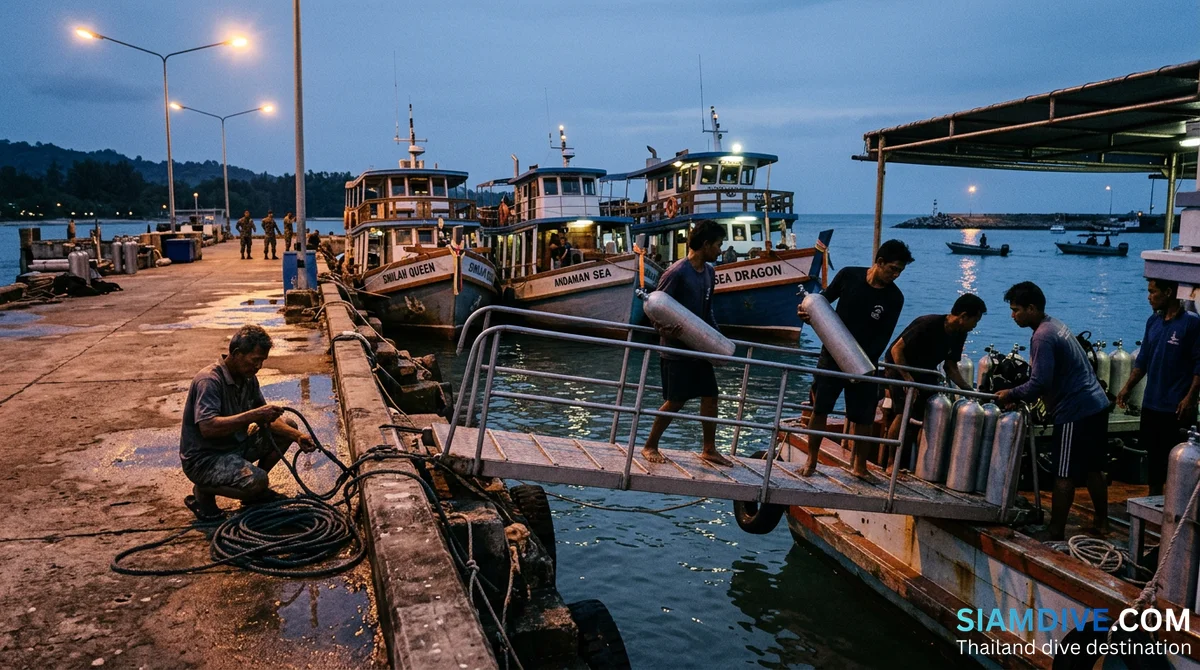
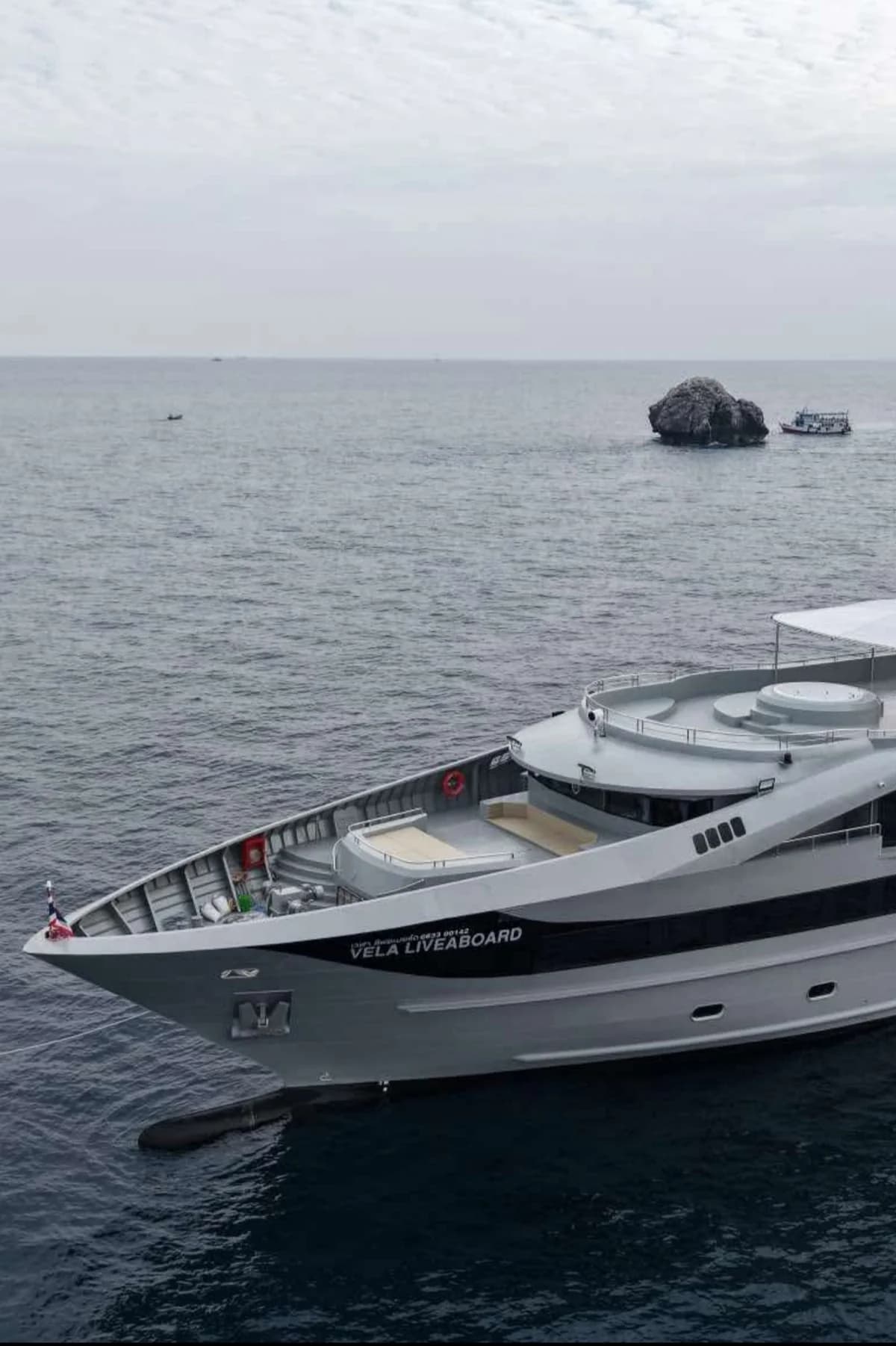
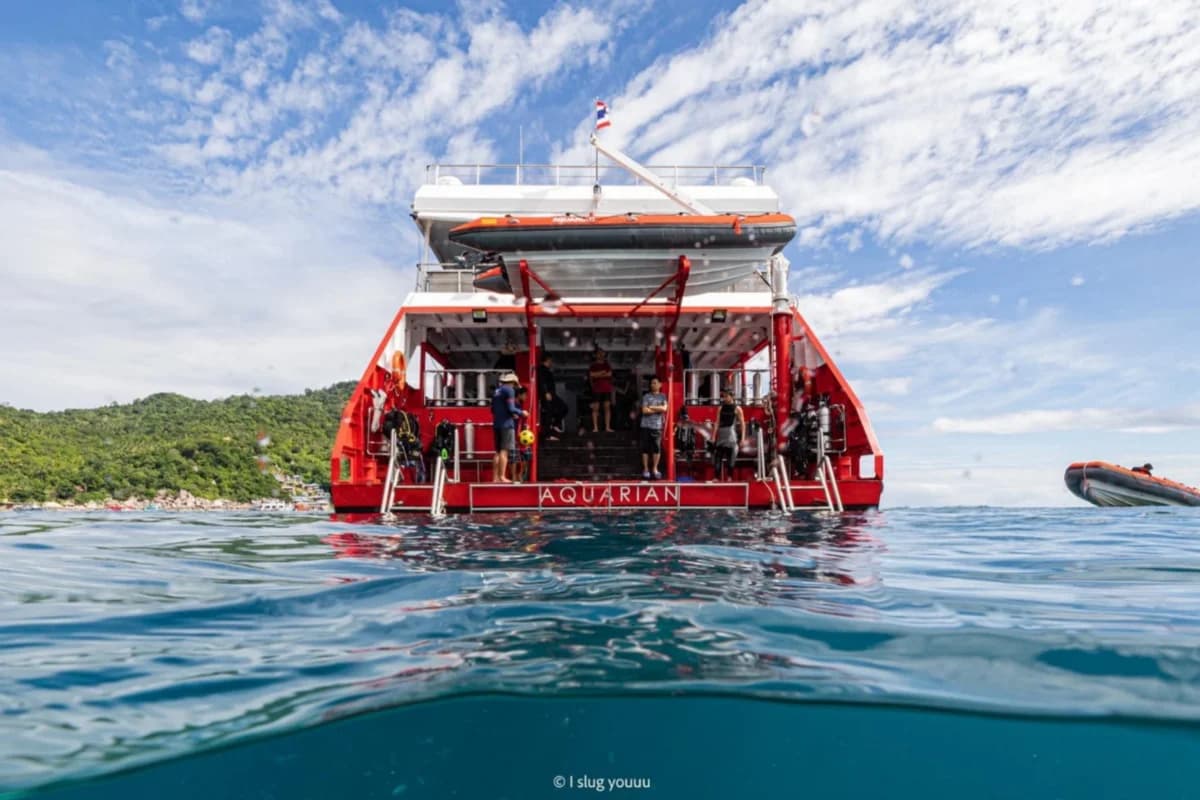
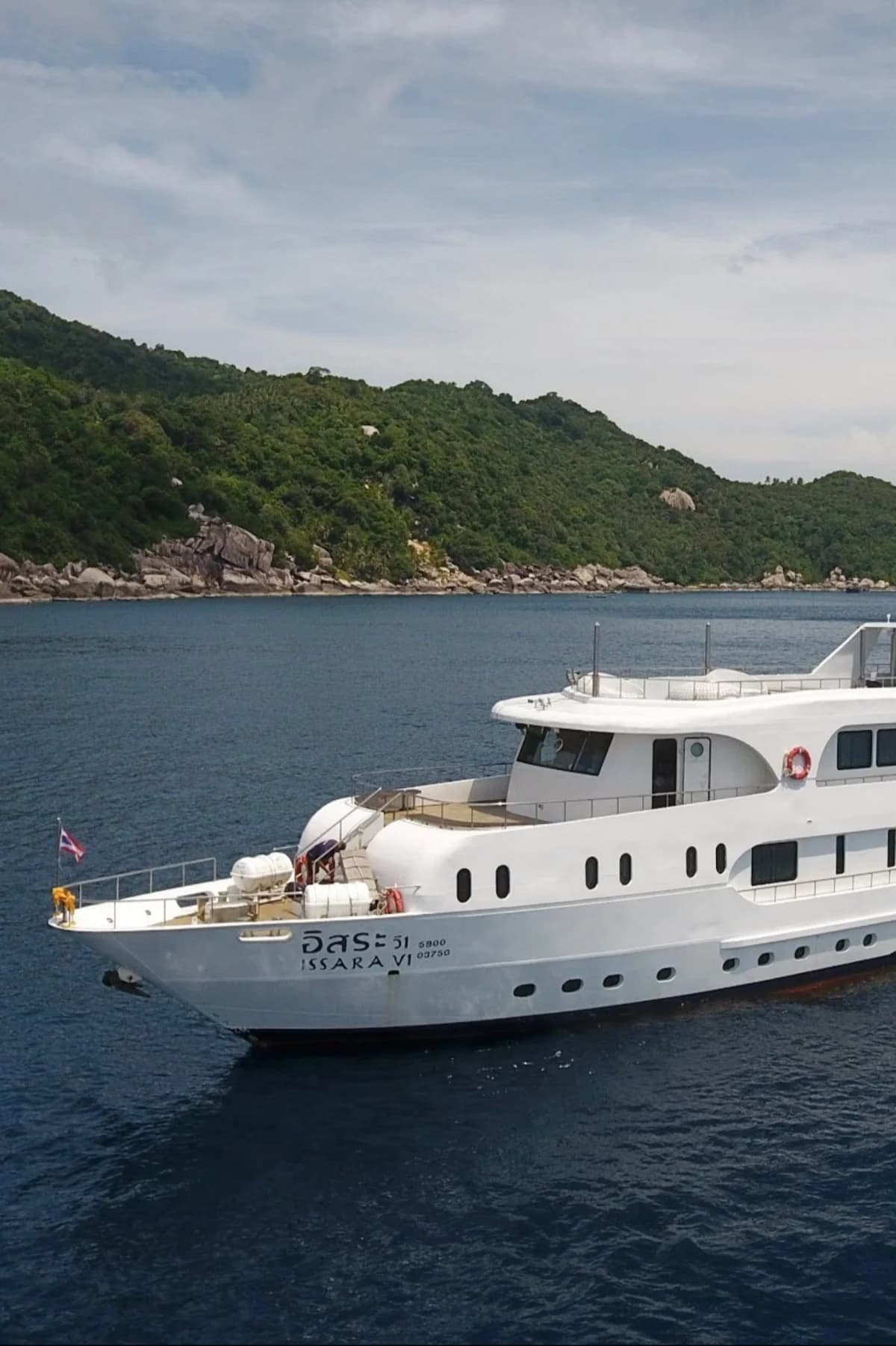
Most divers reach Misool by liveaboard departing from Sorong, the gateway city in West Papua. Getting to Sorong requires a domestic flight from Jakarta, Makassar, or Manado — typically USD 150–300 return depending on timing and airline. From Sorong, liveaboard itineraries covering both northern Raja Ampat (Dampier Strait, Wayag) and southern Misool generally run 10 to 14 nights.
- Liveaboard pricing (2026)
- USD 5,000–8,000 per person for a 10–11 night itinerary, typically including all dives, meals, and non-alcoholic drinks
- Marine park entry permit (TAG)
- Approximately USD 350 for international visitors, valid for one year from purchase date
- Water temperature
- 28–30°C year-round; a 3mm wetsuit is standard, though some divers opt for a shorty in the shallows
- Visibility
- 10–30 metres depending on site and season; Misool's sites average toward the higher end during peak months
Resort-based diving on Misool is available but limits site range compared to a liveaboard, which can cover the full archipelago — north and south — in a single trip. Nitrox is offered on most quality liveaboards and worth adding: it extends bottom time on the 15–25 metre walls where much of the best coral sits. For divers weighing Indonesia against Thailand or the Red Sea, Misool occupies the premium end of the price scale. The cost buys access to a category of reef density that justifies it.
What April 2026 Divers Found
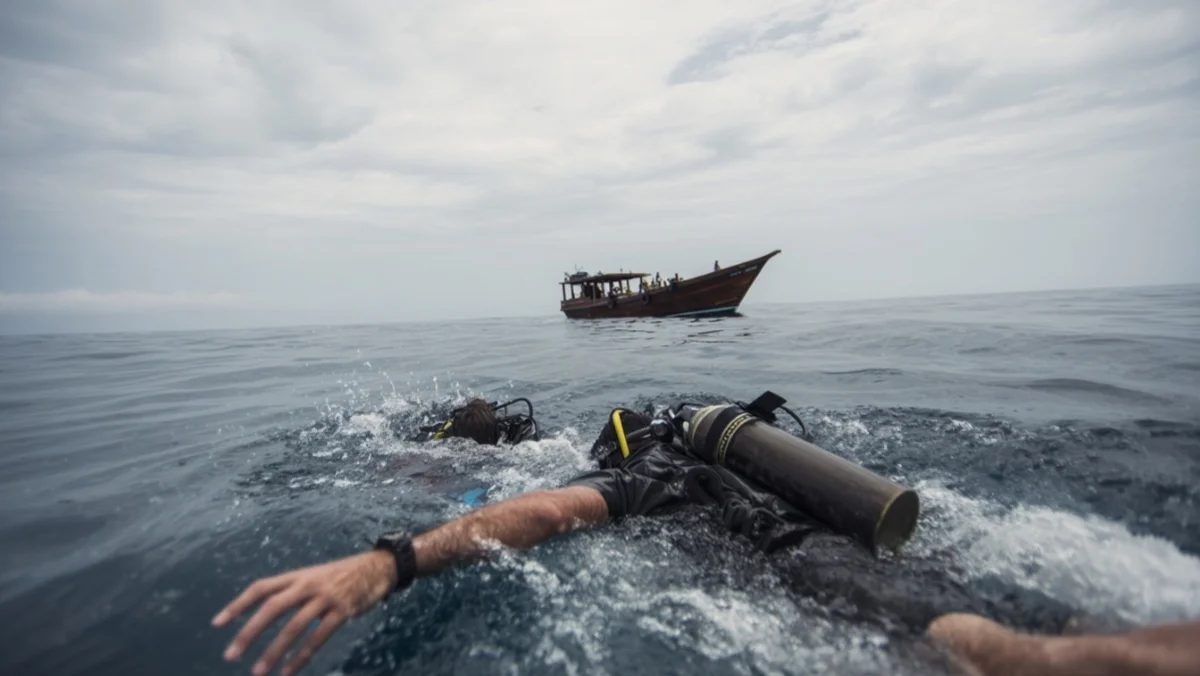
A late-season expedition aboard the Pindito in April 2026 confirmed what shoulder-season veterans already suspected: fewer boats, same reefs. With most operators winding down their Raja Ampat schedules, the group encountered almost no other vessels at sites that draw steady traffic during the January–February peak.
Four shark species were logged across the trip — blacktip reef, whitetip reef, grey reef, and wobbegong — with juvenile blacktips increasingly common around Misool's shallower sites. An oceanic manta was spotted cruising deep water in central Raja Ampat during the final days, though manta encounters at Misool's cleaning stations grow less predictable as the season tapers off.
Coral condition remained strong across all sites. The Nature Conservancy's January 2026 thermal stress-testing programme on Misool — which exposed coral fragments to controlled heat above current summer peaks — has begun identifying resilient genotypes that may survive as ocean temperatures climb. Early data, but it underscores why Misool draws scientists alongside divers: the reserve's enforced protection provides a controlled baseline for climate research, free from the confounding noise of fishing pressure.
The practical message for divers is simpler. Reef monitoring matters, and so does showing up. Every marine park permit funds the ranger patrols that keep these walls intact. Misool's reefs did not reach this state by accident, and they will not stay this way without the visitors who pay to see them.